

Nipple inversion occurs when the nipple sits flush with the breast or pulls inward rather than projecting outward. This relatively common anatomical variation affects an estimated 10% of women and may involve one or both breasts.
Although inverted nipples are not medically harmful, some individuals experience cosmetic concerns, reduced nipple projection, or challenges with breastfeeding depending on the severity of inversion.
At Jacobson Cosmetic Surgery, Dr. Jacobson performs inverted nipple correction using precise surgical techniques designed to release the internal structures responsible for nipple retraction. The procedure allows the nipple to project outward naturally while maintaining a balanced and harmonious breast appearance.
The objective of treatment is simple: restore natural projection, symmetry, and confidence while respecting the underlying anatomy.

What Inverted Nipple Correction Can Improve
Inverted nipple correction addresses nipple retraction that may affect both the appearance and function of the nipple.
By releasing the internal structures pulling the nipple inward, the procedure allows the nipple to return to a natural outward position and improves overall balance of the breast.
This procedure may help improve
- Nipples that sit flat against the breast
- Nipples that pull inward rather than projecting outward
- Asymmetry in nipple position or projection
- Cosmetic concerns related to nipple appearance
- Breastfeeding limitations in certain cases
Understanding Nipple Inversion
Nipple inversion most commonly occurs when fibrous connective tissue or shortened milk ducts beneath the nipple pull the tissue inward toward the breast. The degree of inversion varies and is generally classified into three levels based on how easily the nipple can be brought outward.
Mild
Grade I
Easily Corrected
- The nipple can be easily pulled outward manually or with stimulation
- Projection may last temporarily
- Breastfeeding is typically possible
Moderate
Grade II
Retracts After Release
- The nipple can be manually pulled outward
- The nipple retracts again soon after release
- Breastfeeding may be limited or difficult
Severe
Grade III
Cannot Be Everted
- The nipple remains significantly retracted
- It cannot be manually everted
- Breastfeeding is usually not possible
Most cases are present from birth, though nipple inversion can occasionally develop later due to:
- Trauma
- Infection
- Prior breast surgery
During consultation, Dr. Jacobson evaluates the degree of inversion and determines the most appropriate treatment approach.
Dr. Jacobson’s Anatomy-Focused Approach
At Jacobson Cosmetic Surgery, inverted nipple correction is approached with careful attention to anatomy, symmetry, and long-term stability of results.
These considerations guide the surgical technique to achieve the most natural and durable outcome possible.
Dr. Jacobson considers several factors when planning treatment, including:
01
Severity of nipple inversion
Grade I, II, or III determines the technique used.
02
Structure and tension of the milk ducts
Guides whether duct preservation is possible.
03
Overall breast anatomy and symmetry
Ensuring balanced results.
04
Whether future breastfeeding is desired
A key factor in technique selection.
The Inverted Nipple Correction Procedure
Inverted nipple correction is typically performed as a minor outpatient procedure under local anesthesia, allowing patients to remain comfortable while awake.
The goal of surgery is to release the internal tethering structures beneath the nipple and support the nipple in an outward position. The specific surgical method depends on the severity of inversion and whether preservation of the milk ducts is desired.
Duct-Preserving
Mild to Moderate Correction
Grade I & Select Grade II
Techniques that aim to maintain the milk ducts whenever possible.
This approach may involve:
- Small, carefully placed incisions at the base of the nipple
- Releasing tight fibrous bands pulling the nipple inward
- Placing supportive internal sutures to maintain projection
Preserves the potential for future breastfeeding.
Stable Projection
Severe Inversion Correction
Grade III & Certain Grade II
In more significant cases, the shortened fibrous bands and ducts may need to be fully divided to achieve reliable projection.
This technique typically produces a more permanent outward position of the nipple.
May affect the ability to breastfeed in the future. These considerations are carefully discussed during consultation so patients can make an informed decision.
Discreet, Minimal Scarring
Incisions for inverted nipple correction are intentionally designed to be small and well-concealed.
Incision Locations
They are typically placed:
- At the base of the nipple
- Along the natural border of the areola
Because these locations naturally camouflage scars, incision lines generally heal very well and become difficult to notice over time.
Who Is a Candidate for Inverted Nipple Correction?
A consultation with Dr. Jacobson allows for a personalized assessment and discussion of the most appropriate treatment plan.
You may be a good candidate for inverted nipple correction if you:
- Have nipples that retract inward or lie flat against the breast
- Feel self-conscious about nipple projection
- Notice asymmetry between the nipples
- Are in good general health
- Do not smoke
- Have realistic expectations about surgical results
Inverted Nipple Correction Recovery & Downtime
Recovery following inverted nipple correction is typically quick and well tolerated.
Same Day
Initial Downtime
Most patients return to normal daily activities the same day or within 24 hours after the procedure.
Post-Procedure
Temporary symptoms
May include:
- Mild swelling
- Tenderness around the nipple
- Minor bruising
Usually minimal; managed with over-the-counter medications.
Activity Precautions
Avoid pressure or friction to the nipple area
During the early healing phase, allow tissues to stabilize properly. Dr. Jacobson will provide detailed aftercare instructions based on your individual procedure.
Long-Term Results
The improvement in nipple projection is visible immediately following surgery and is typically long-lasting.
In cases of severe inversion, a small percentage of patients may require a secondary procedure to maintain permanent projection.
The result is a subtle yet meaningful improvement in breast appearance and confidence.
A successful inverted nipple correction should look:
- Natural
- Balanced
- Proportional to the breast

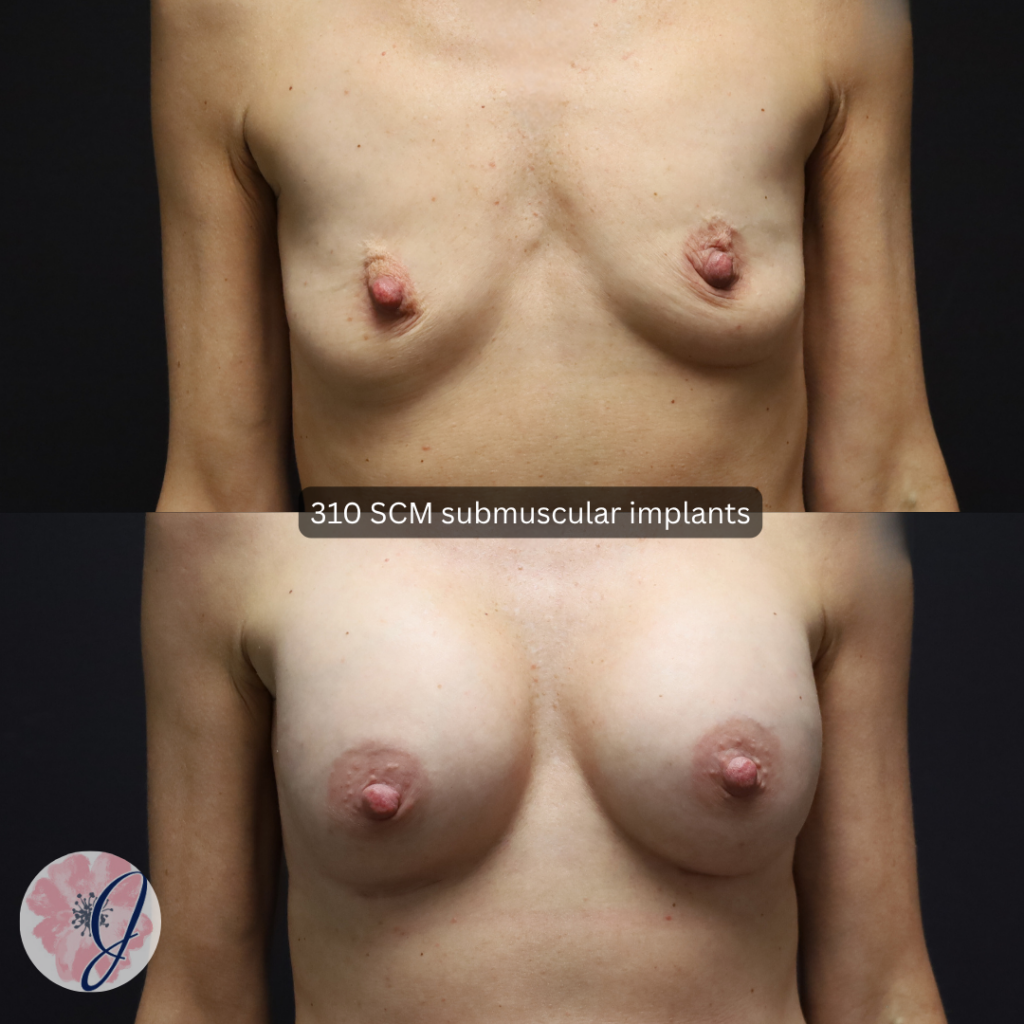
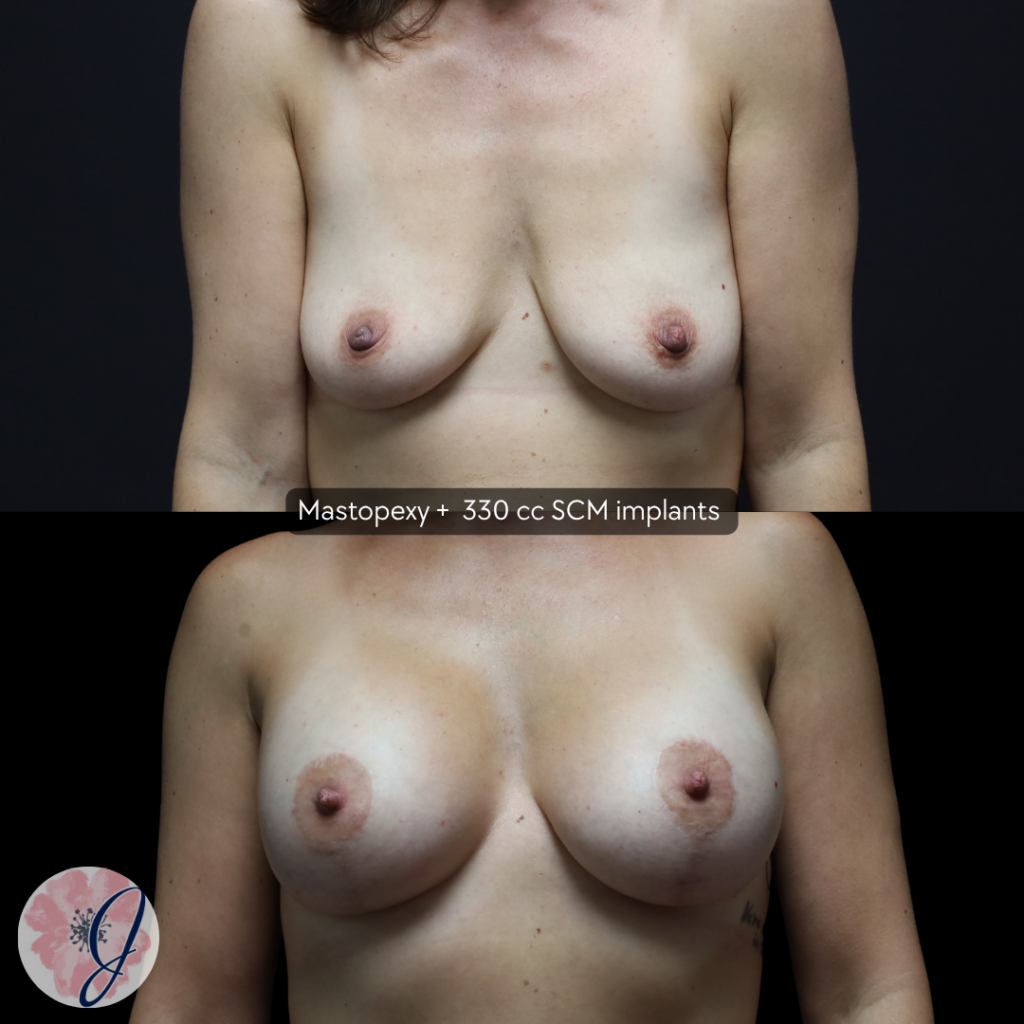
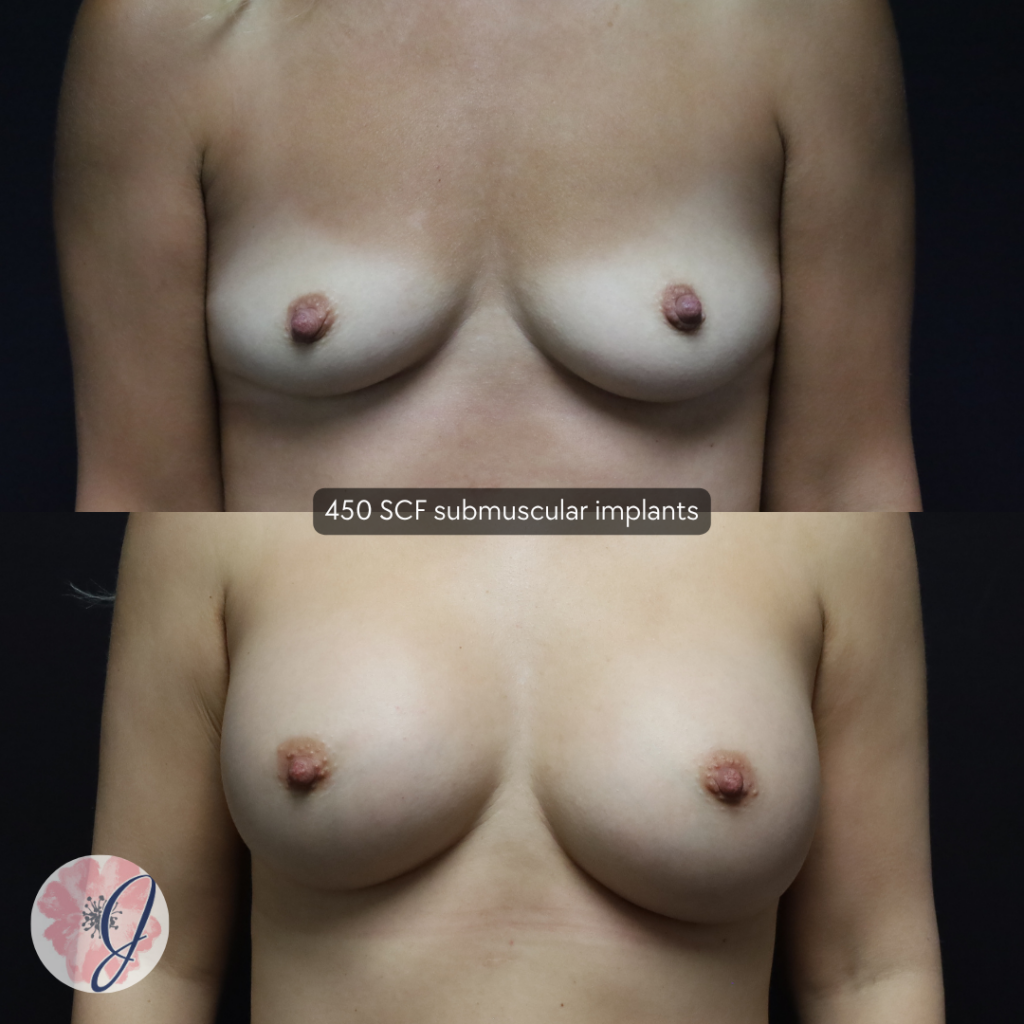
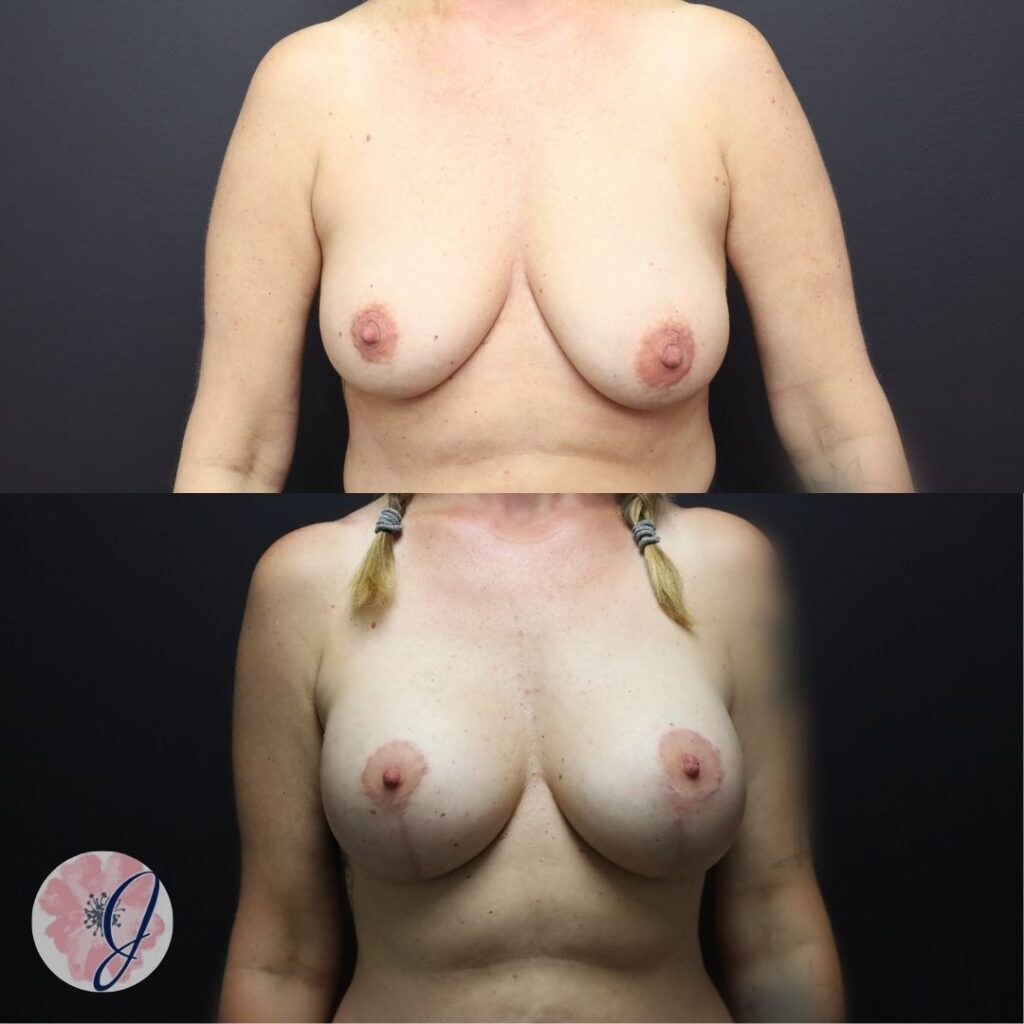
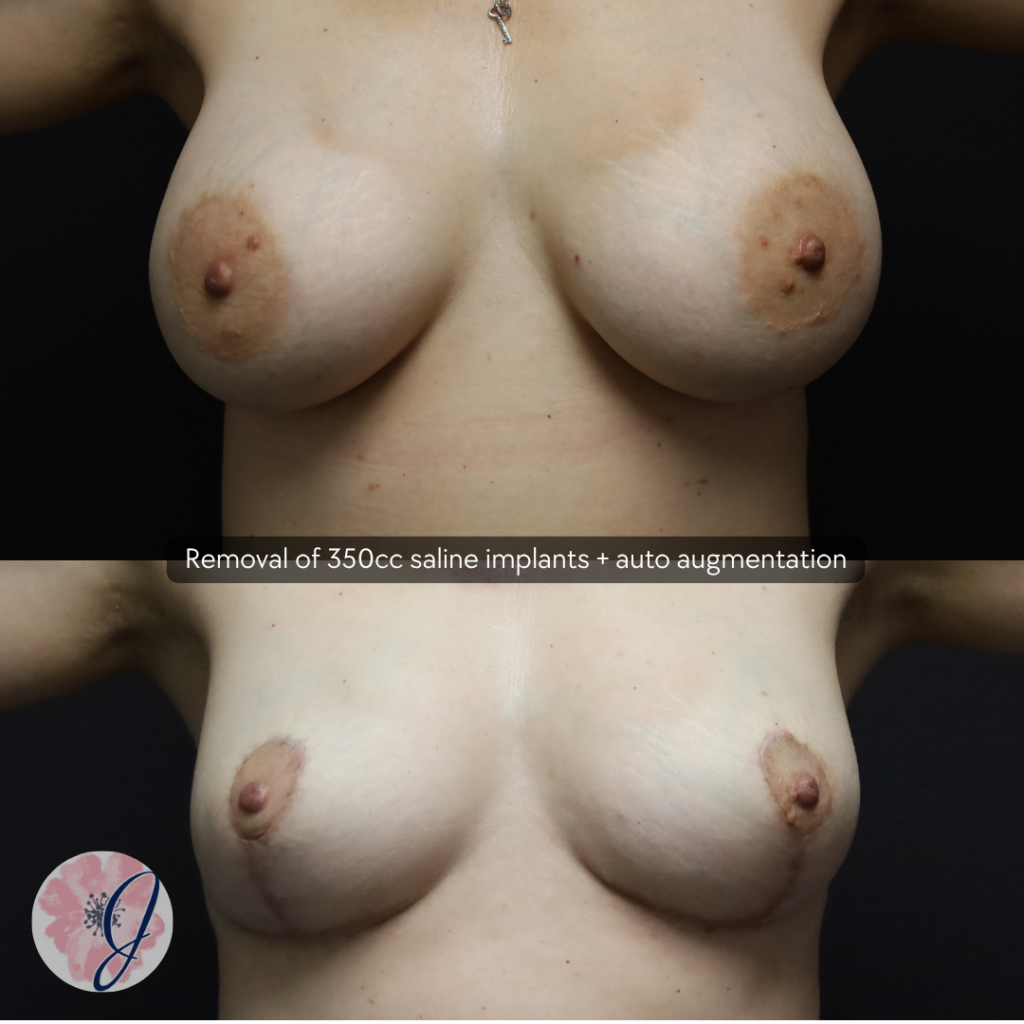
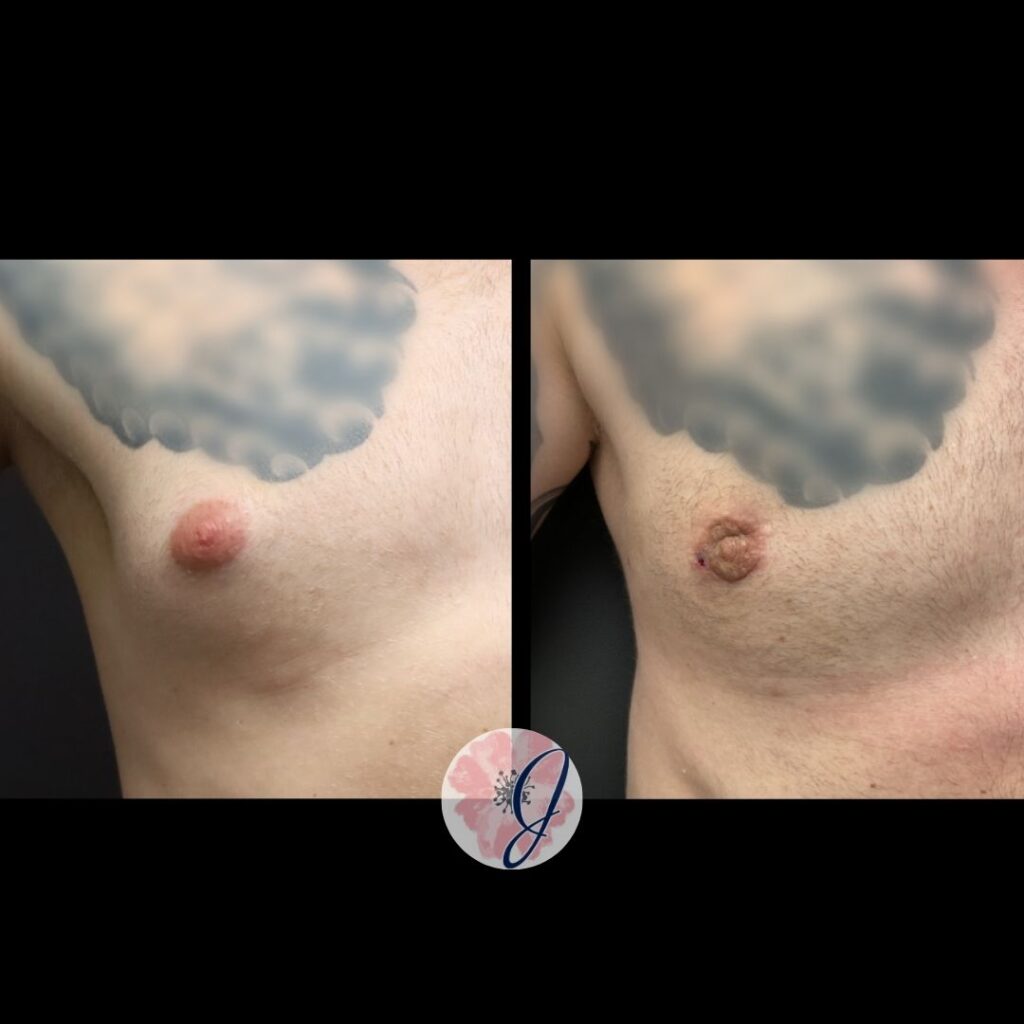
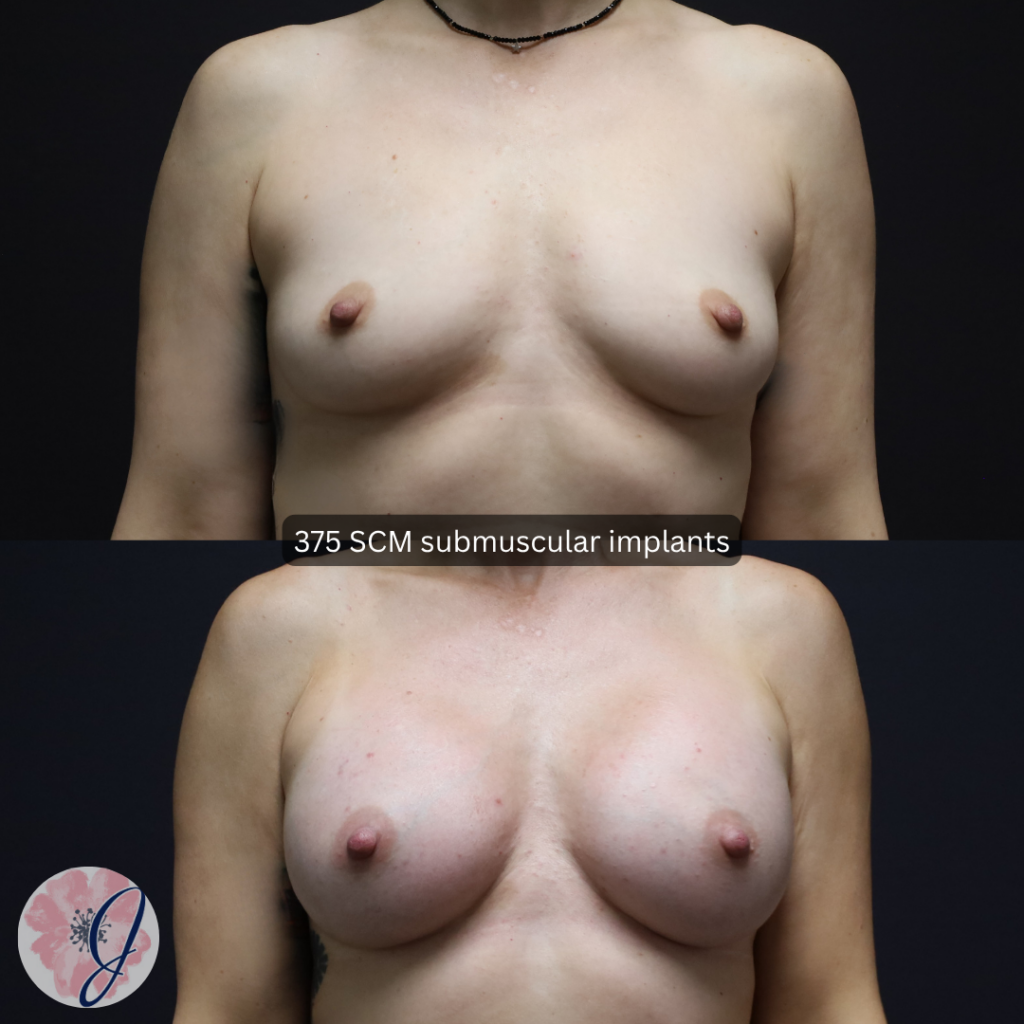
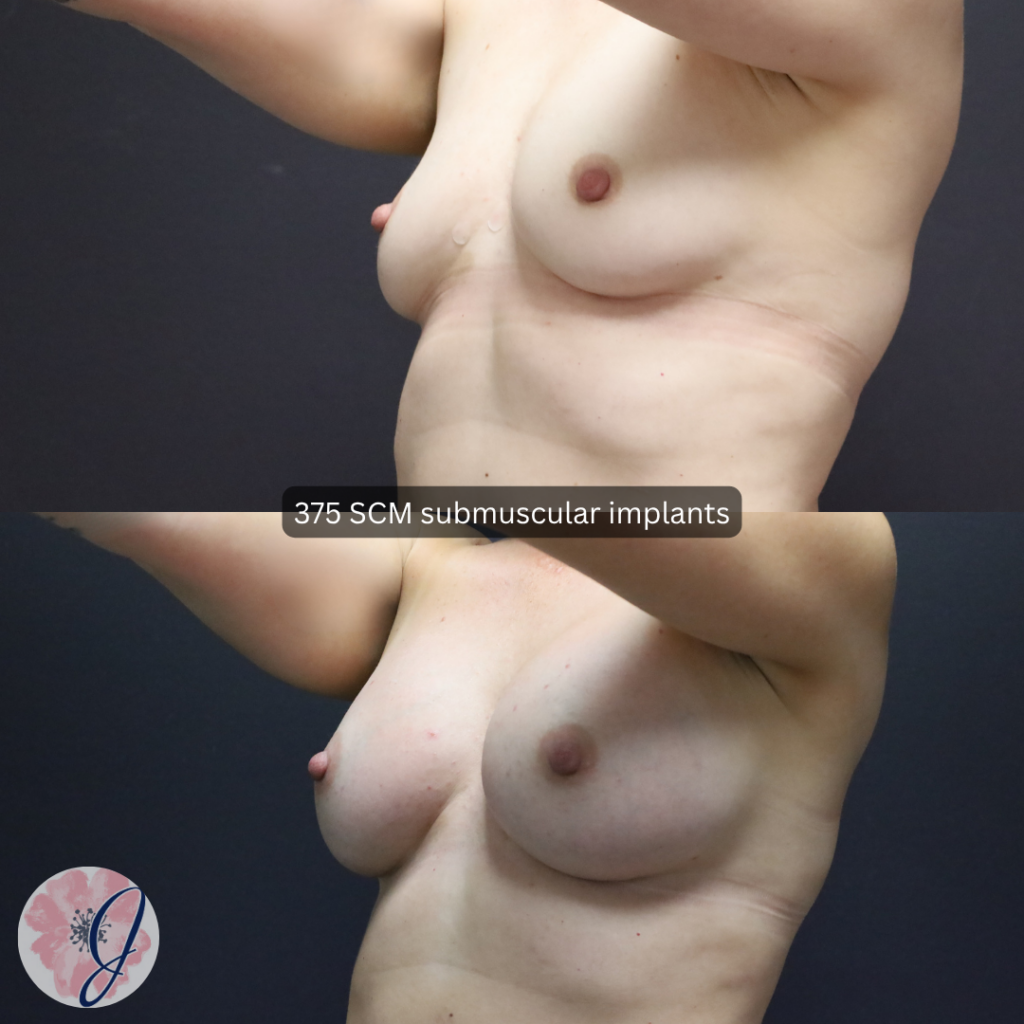

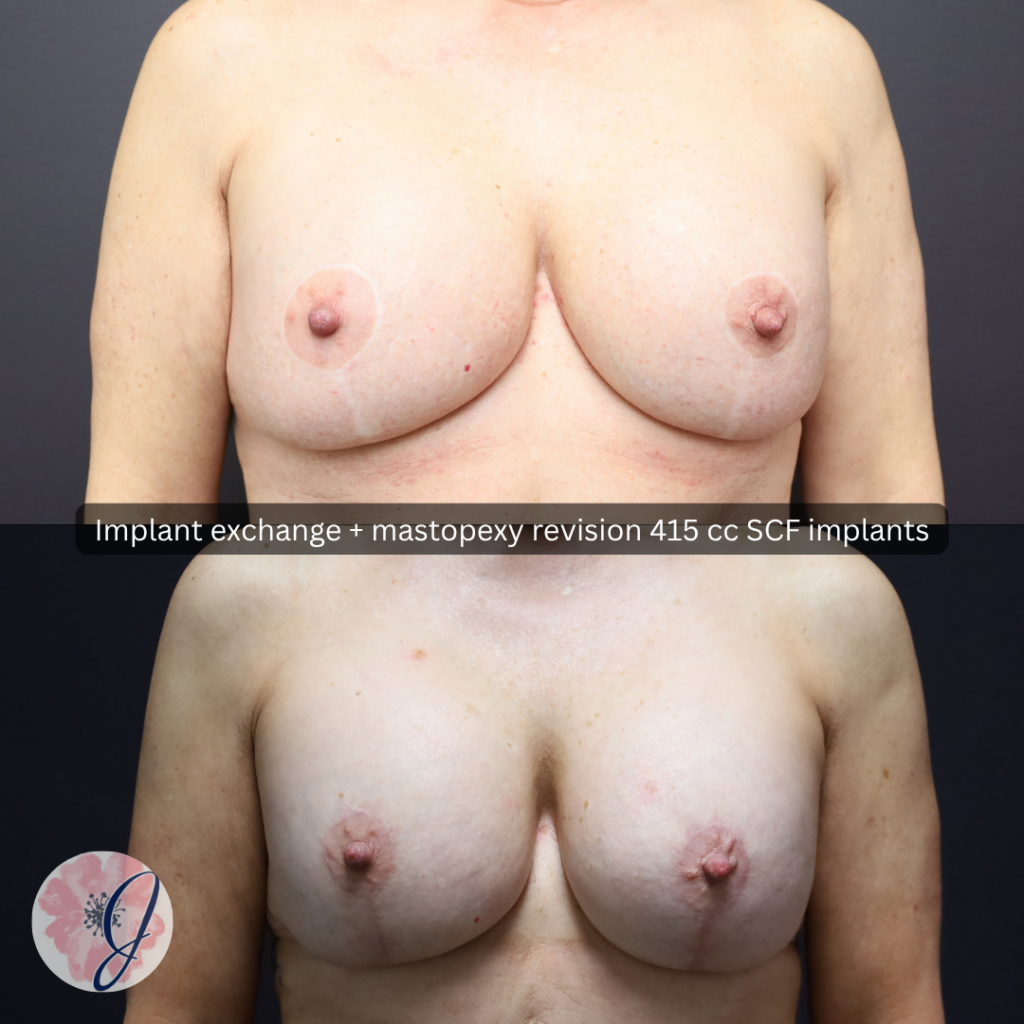
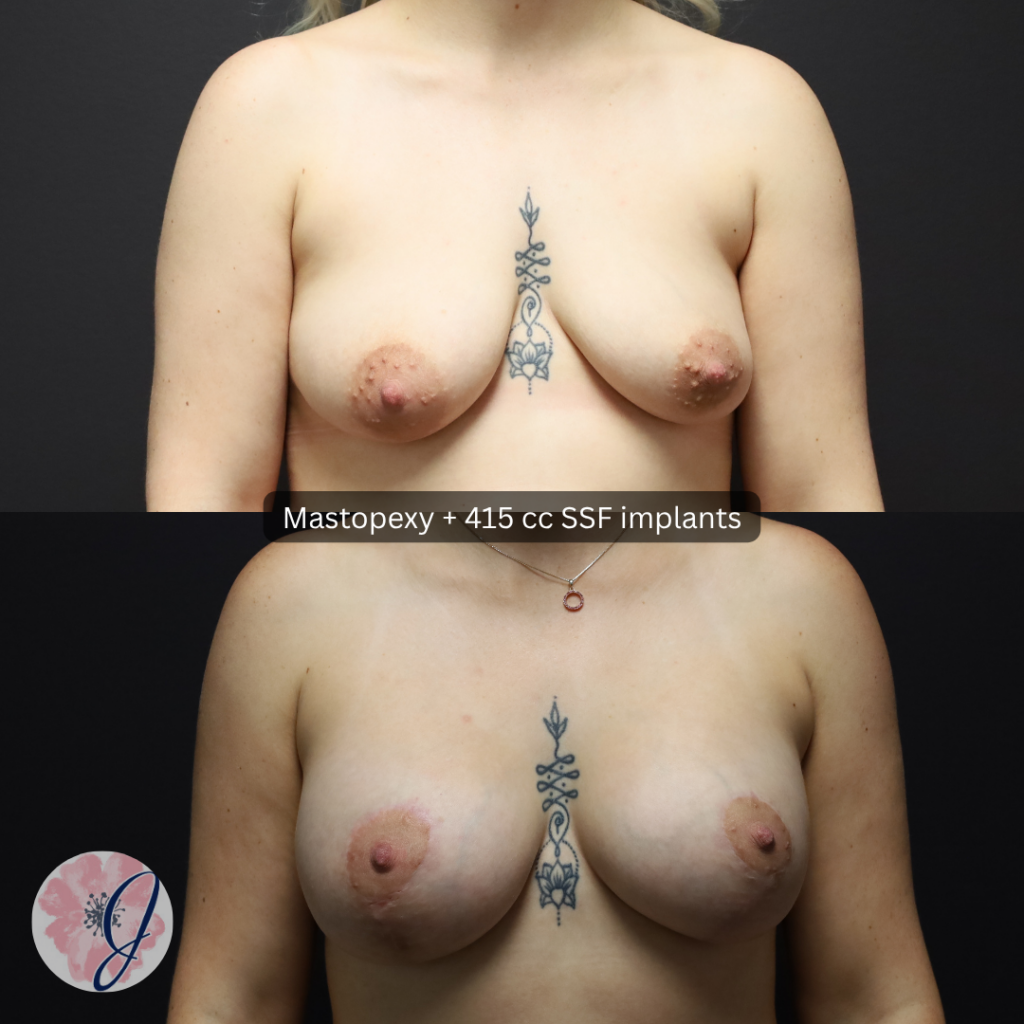
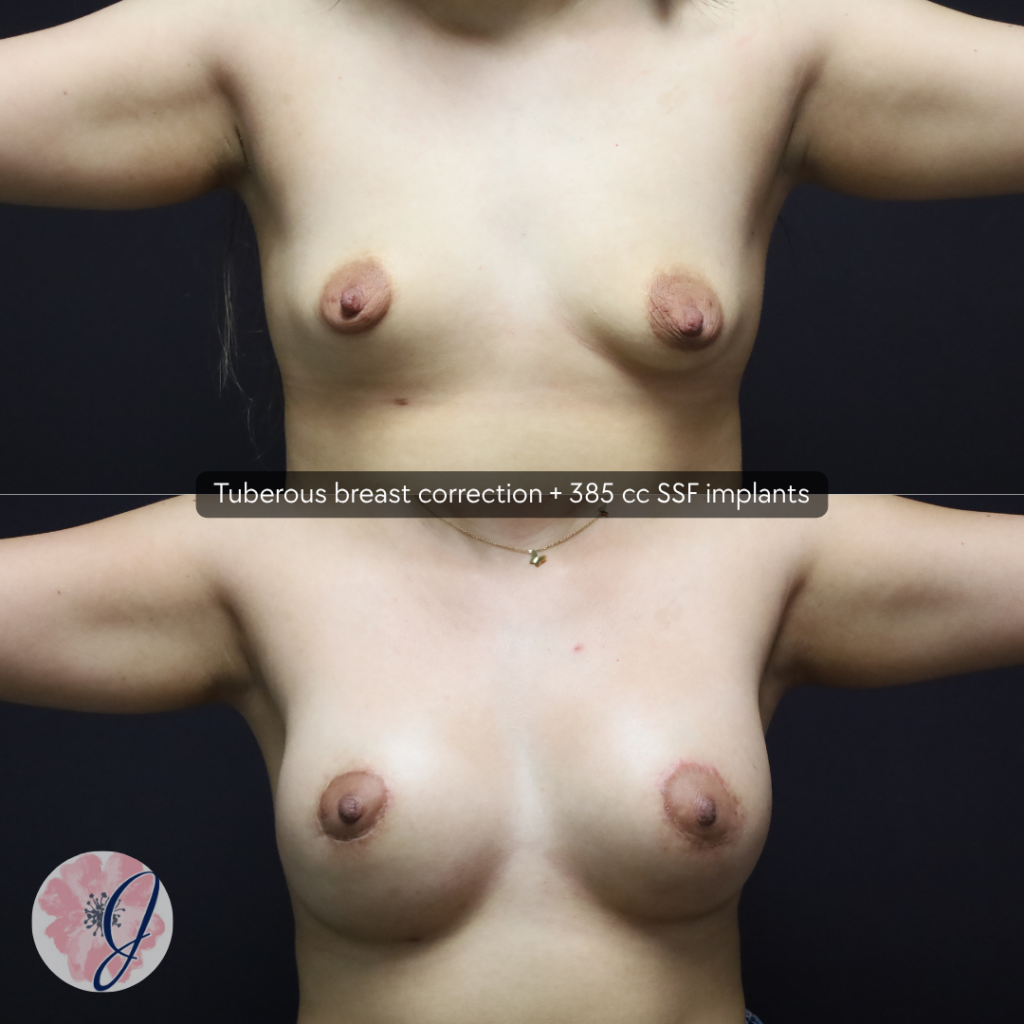
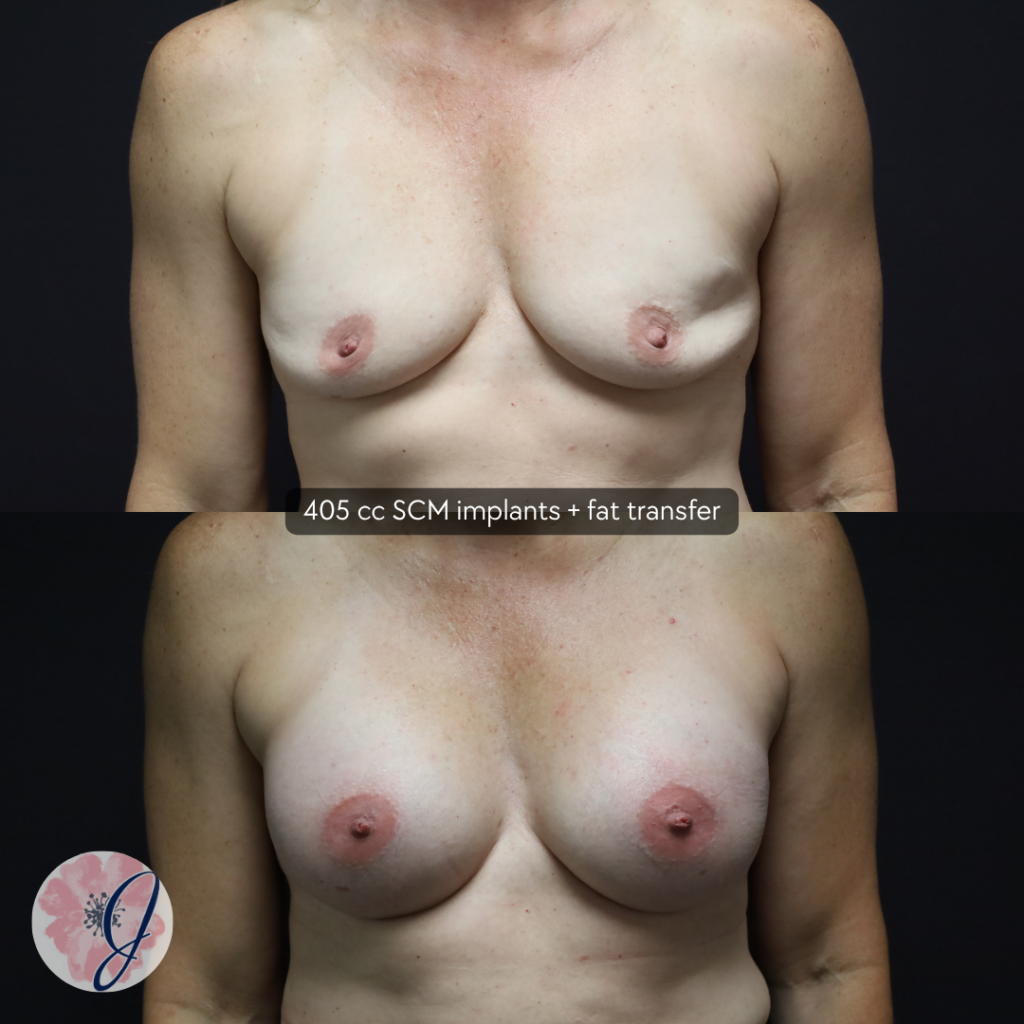
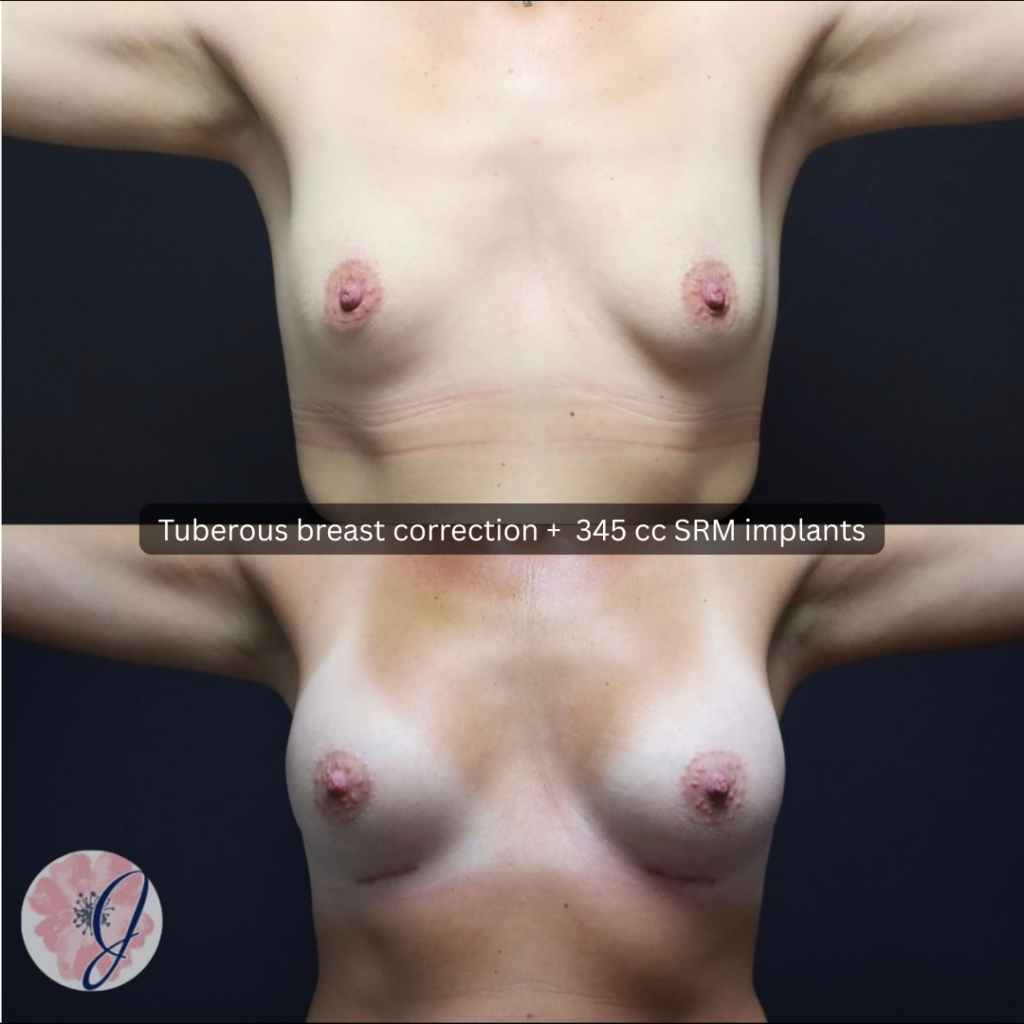
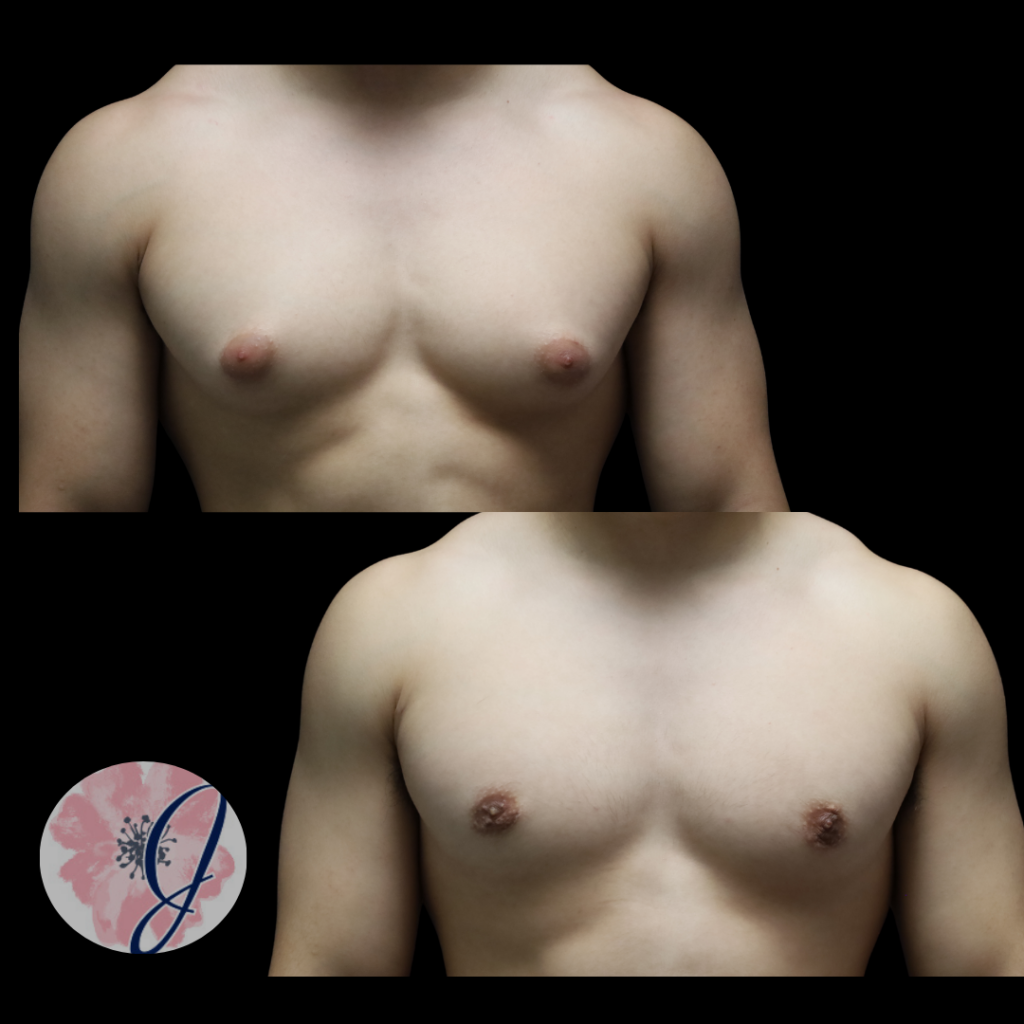
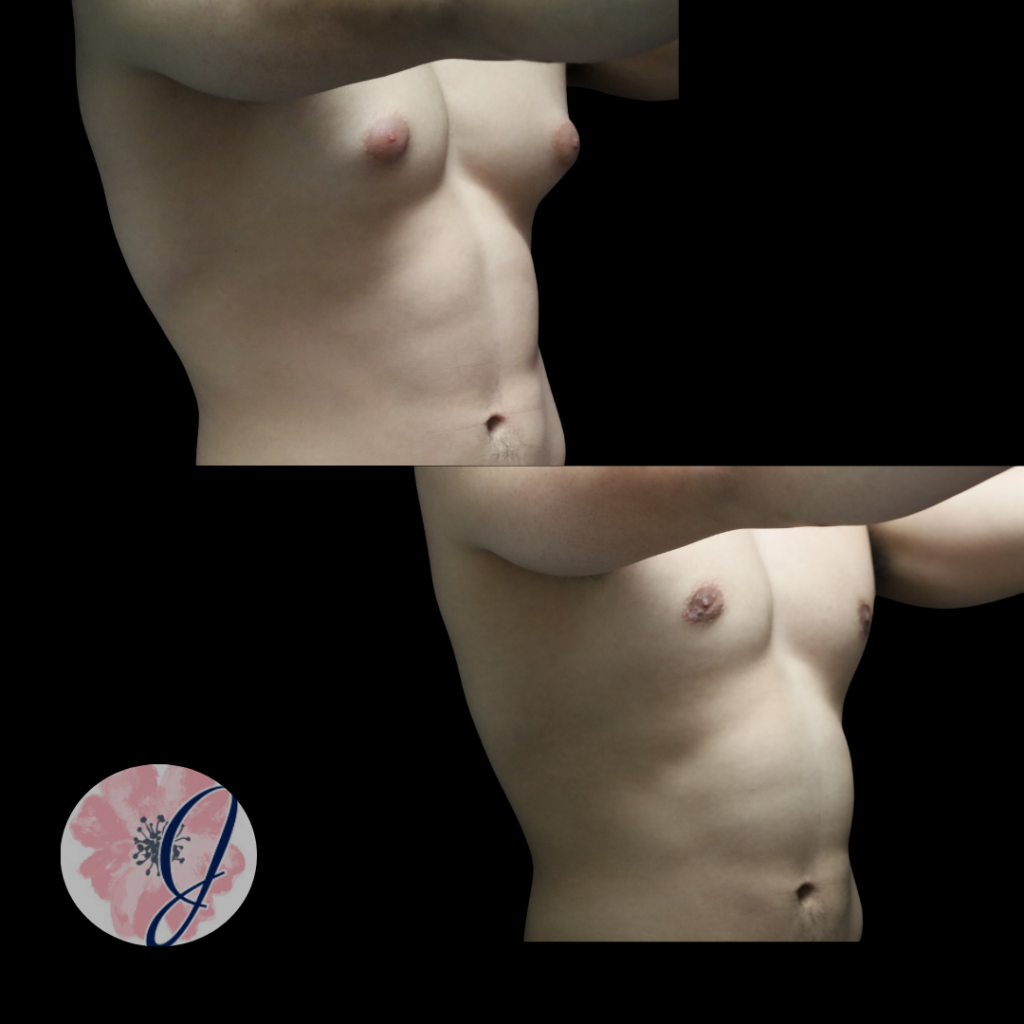
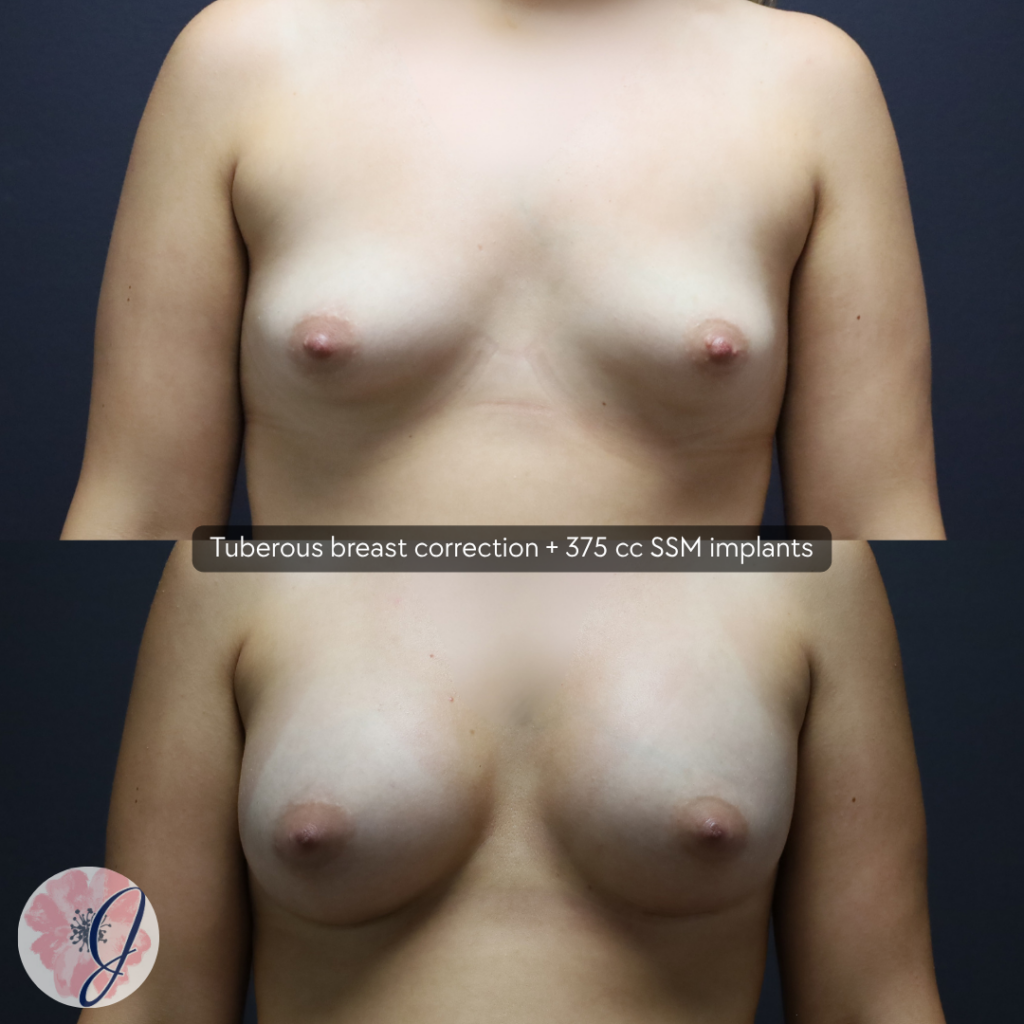
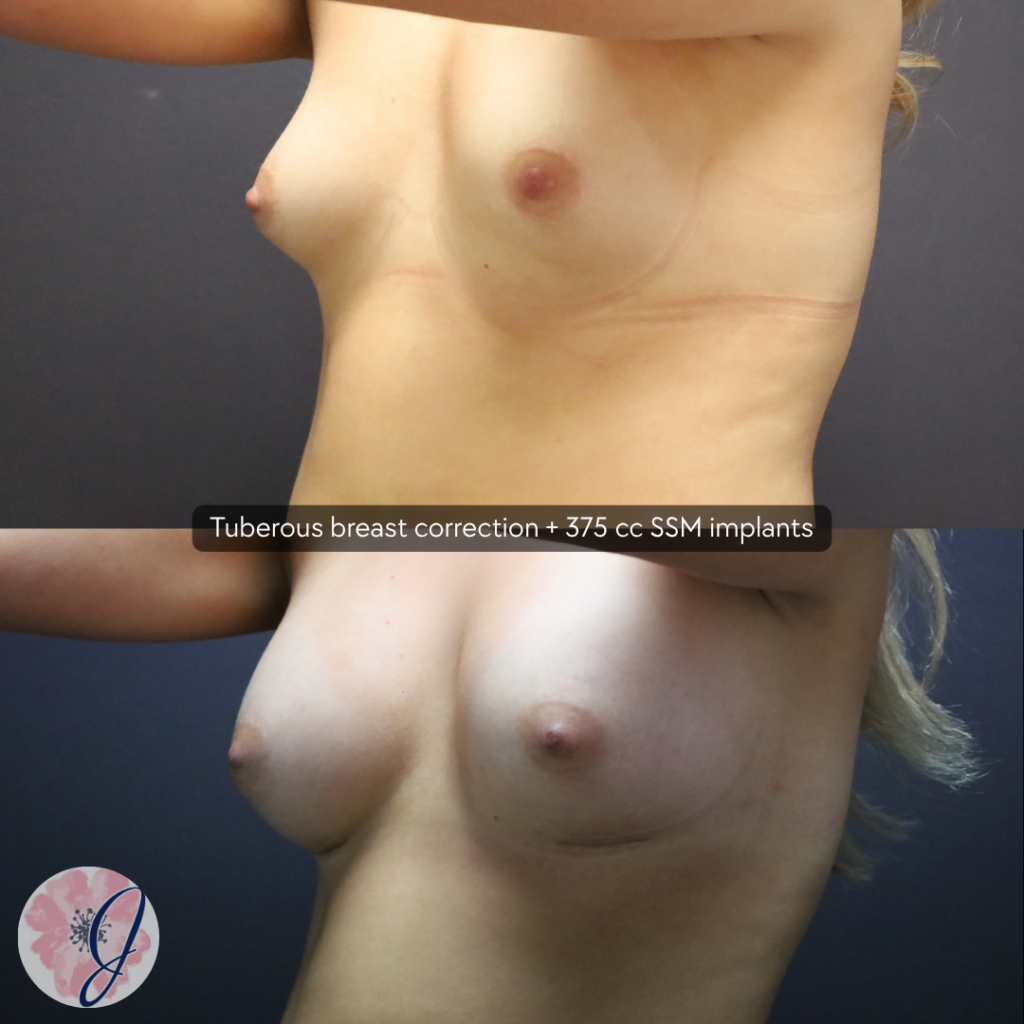
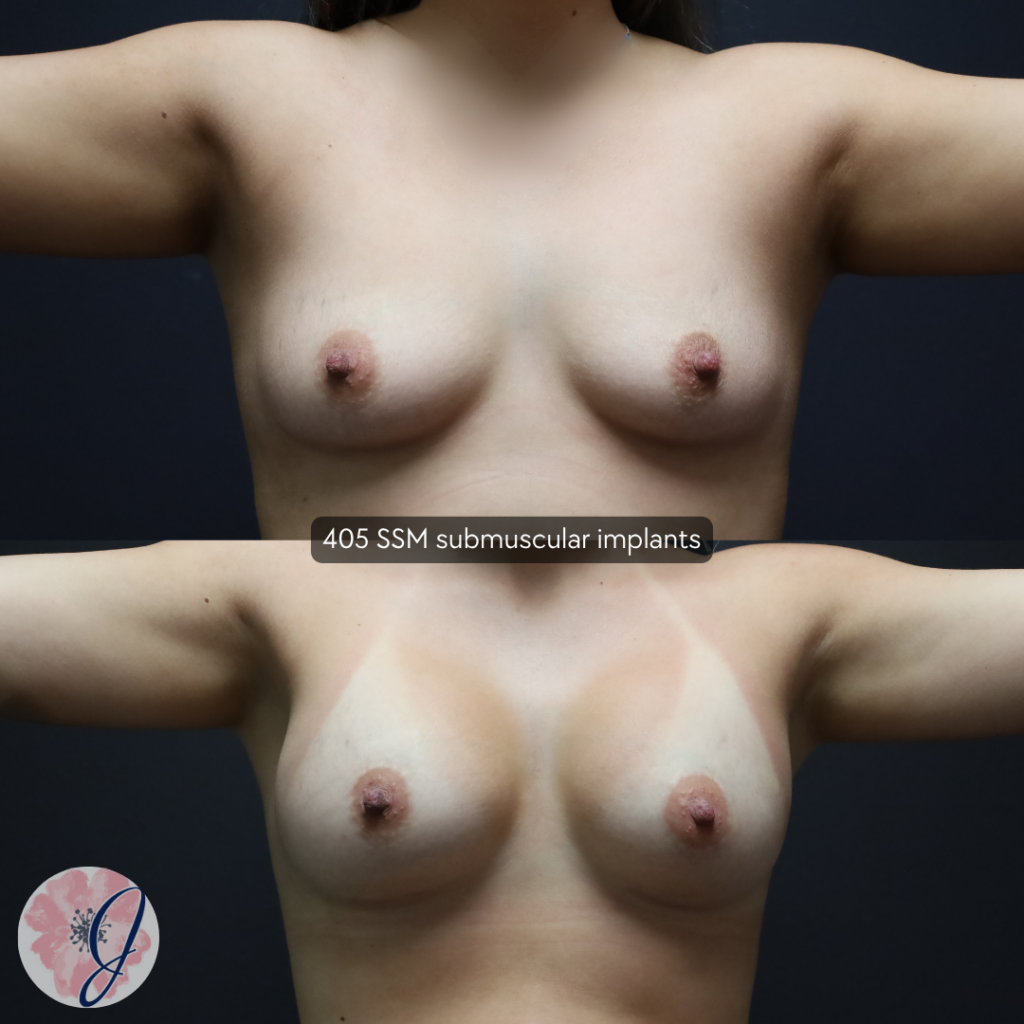
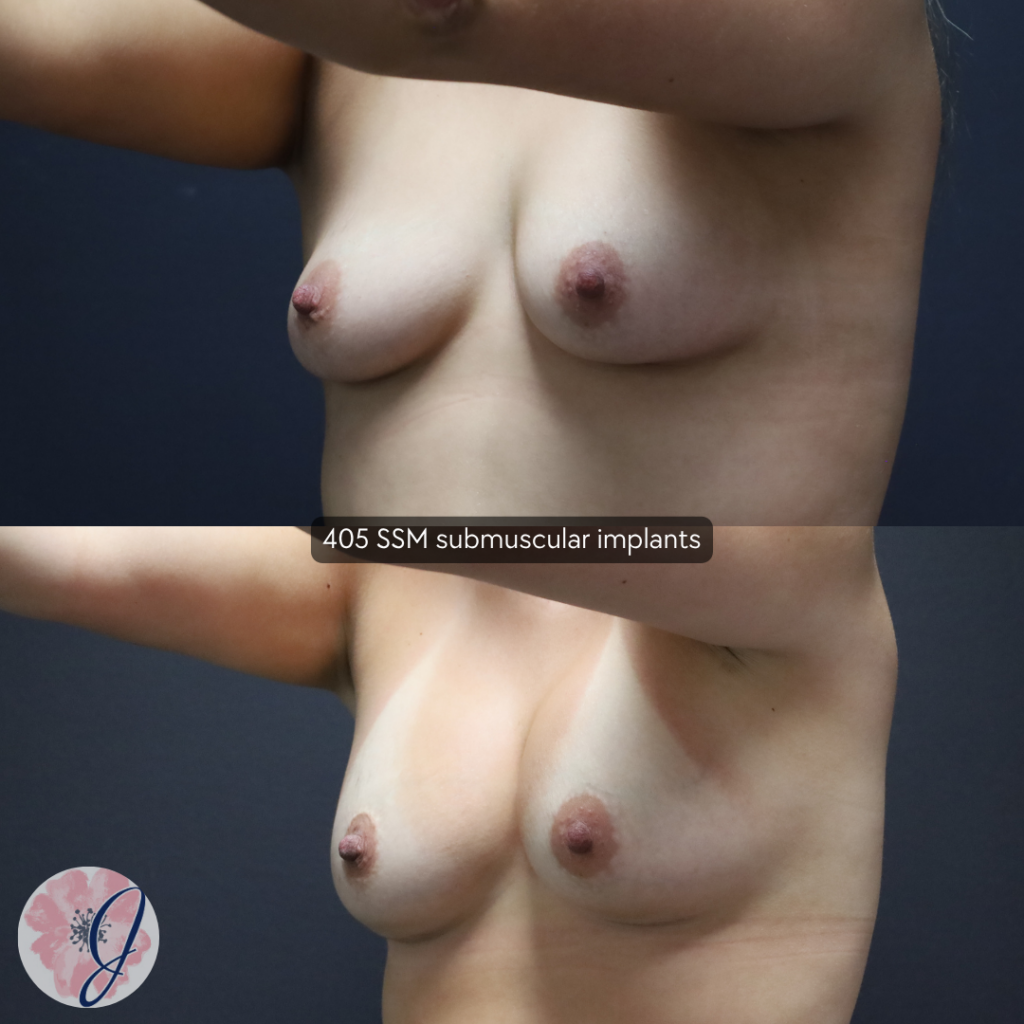
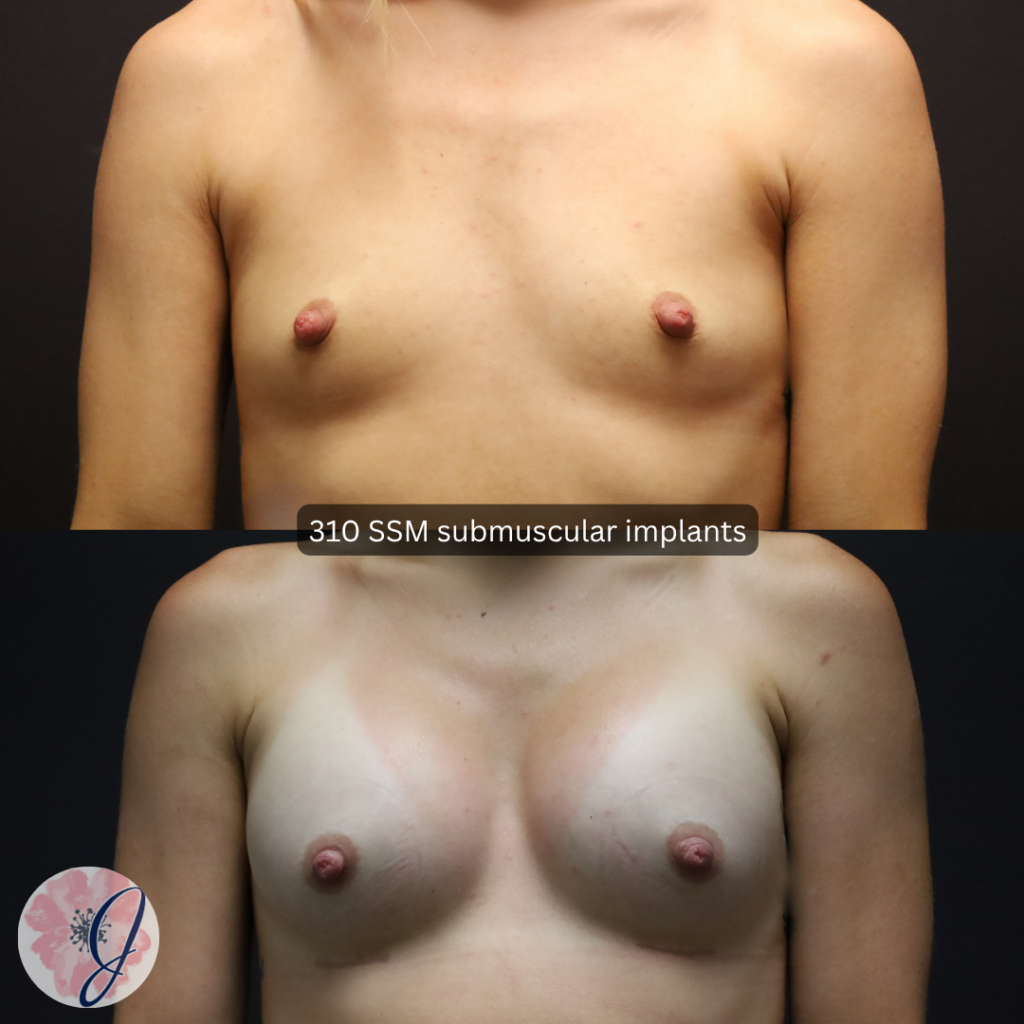
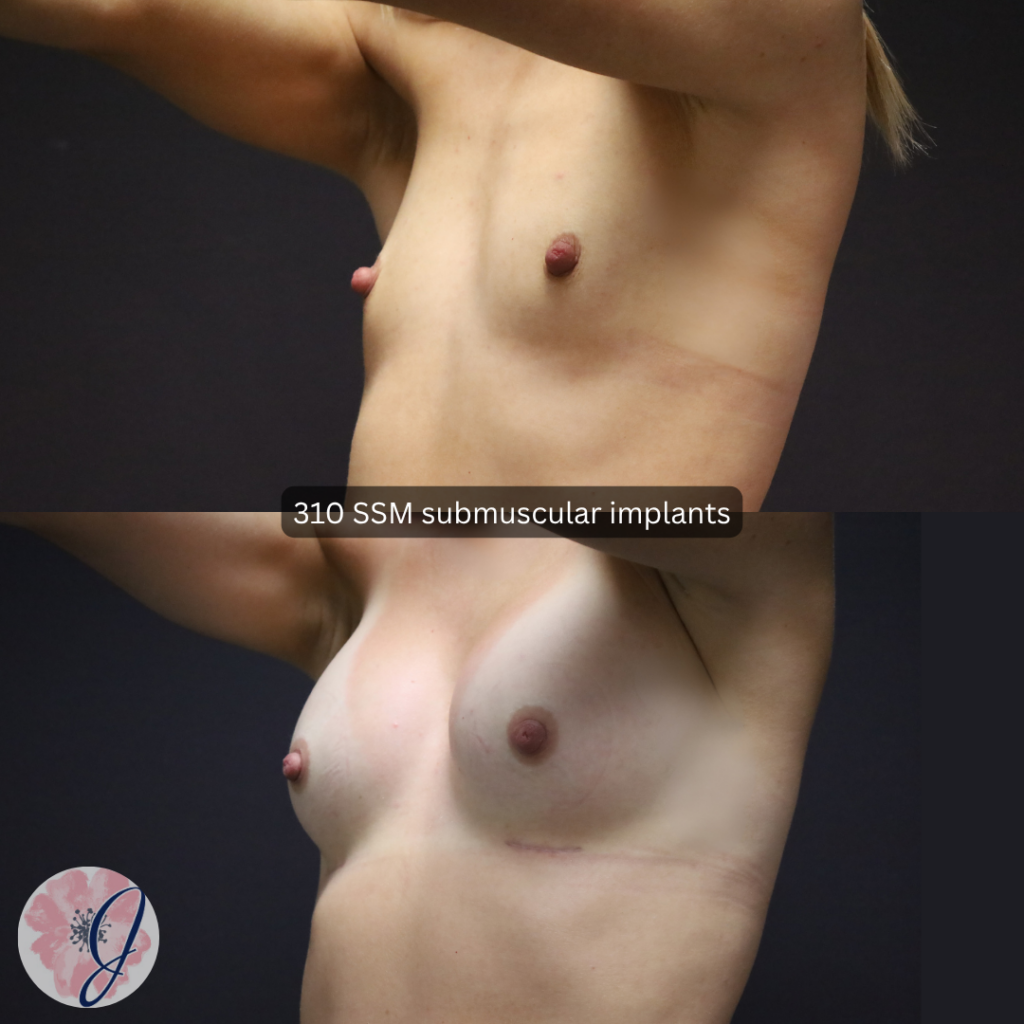
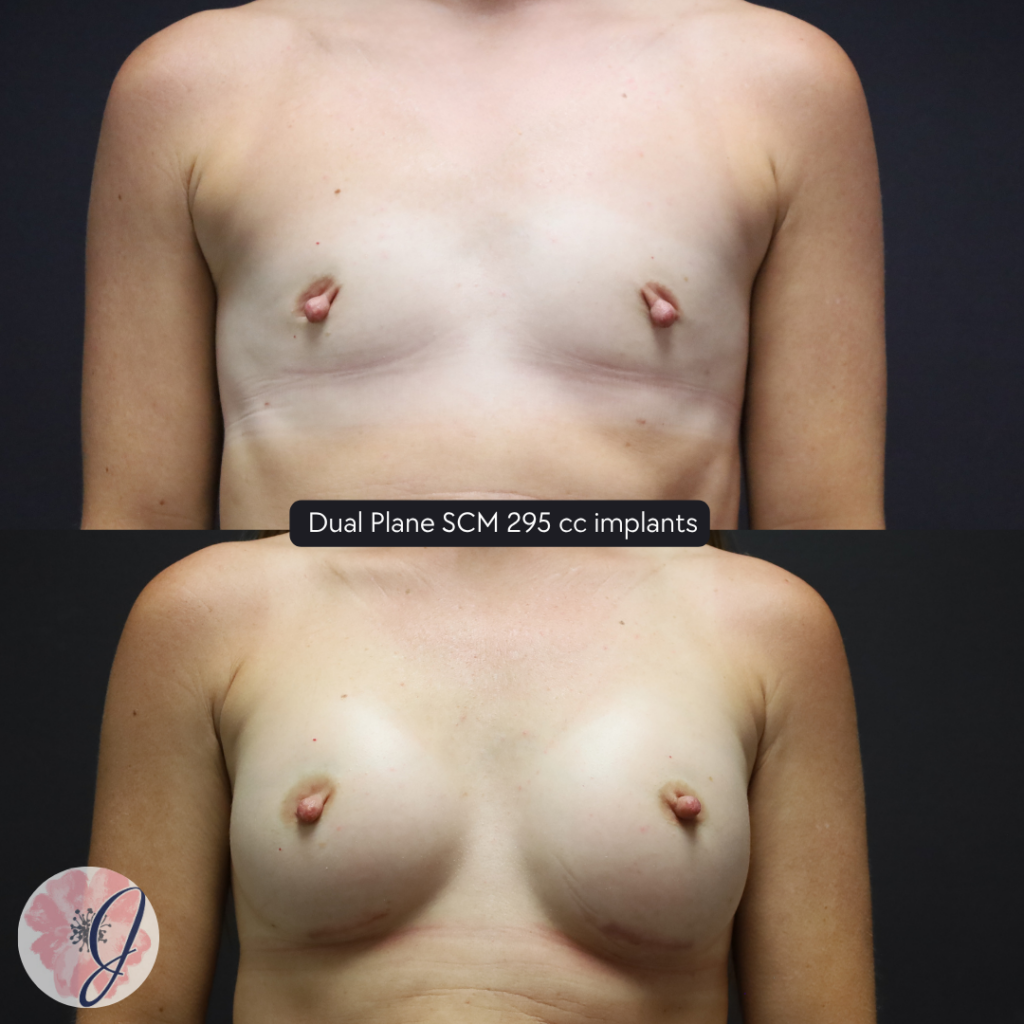
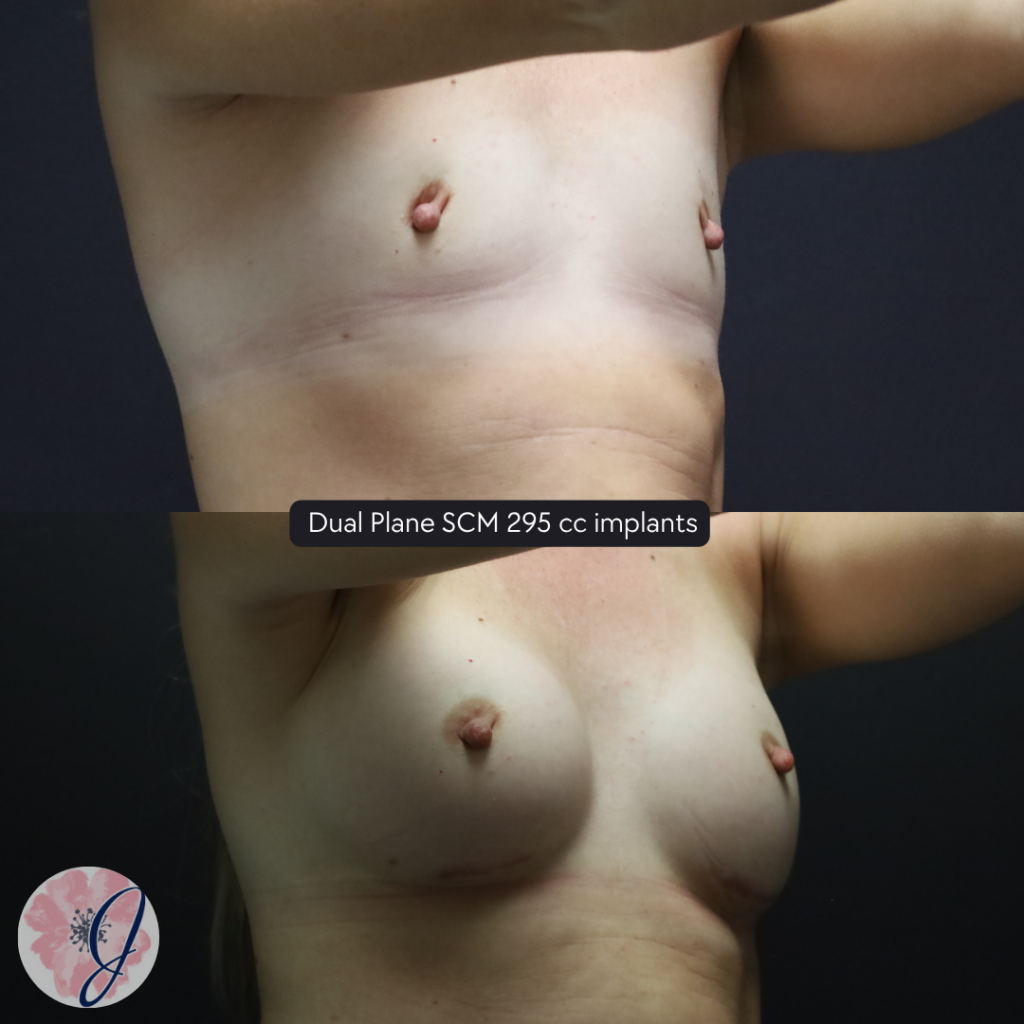
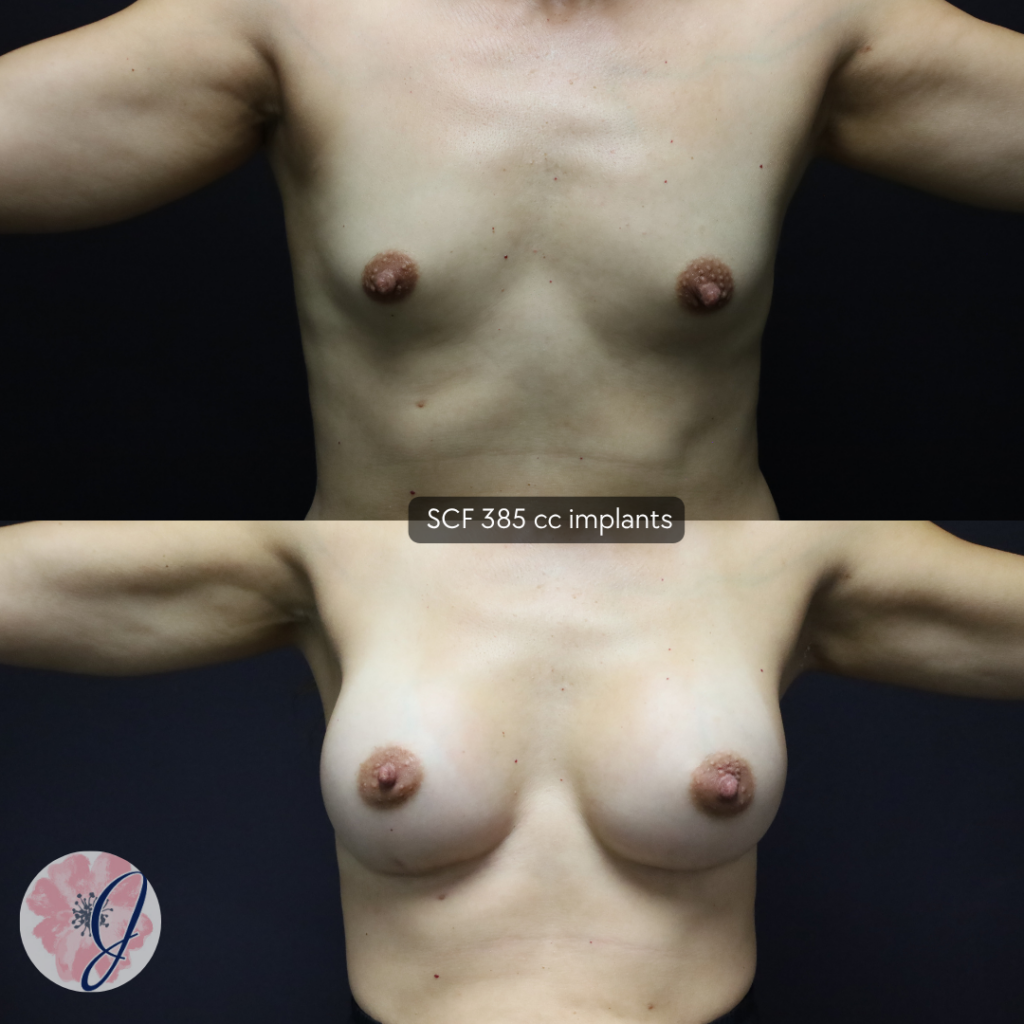

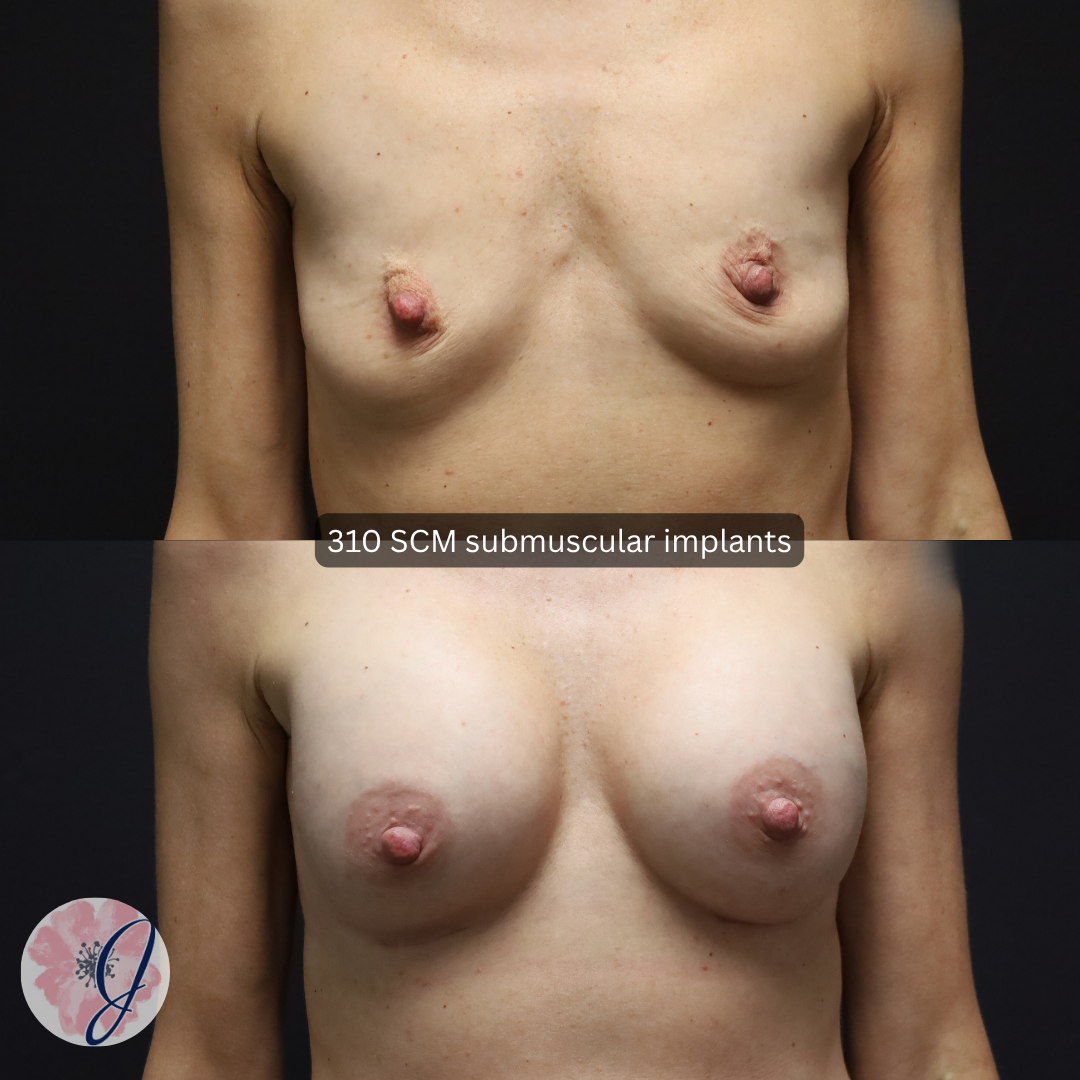
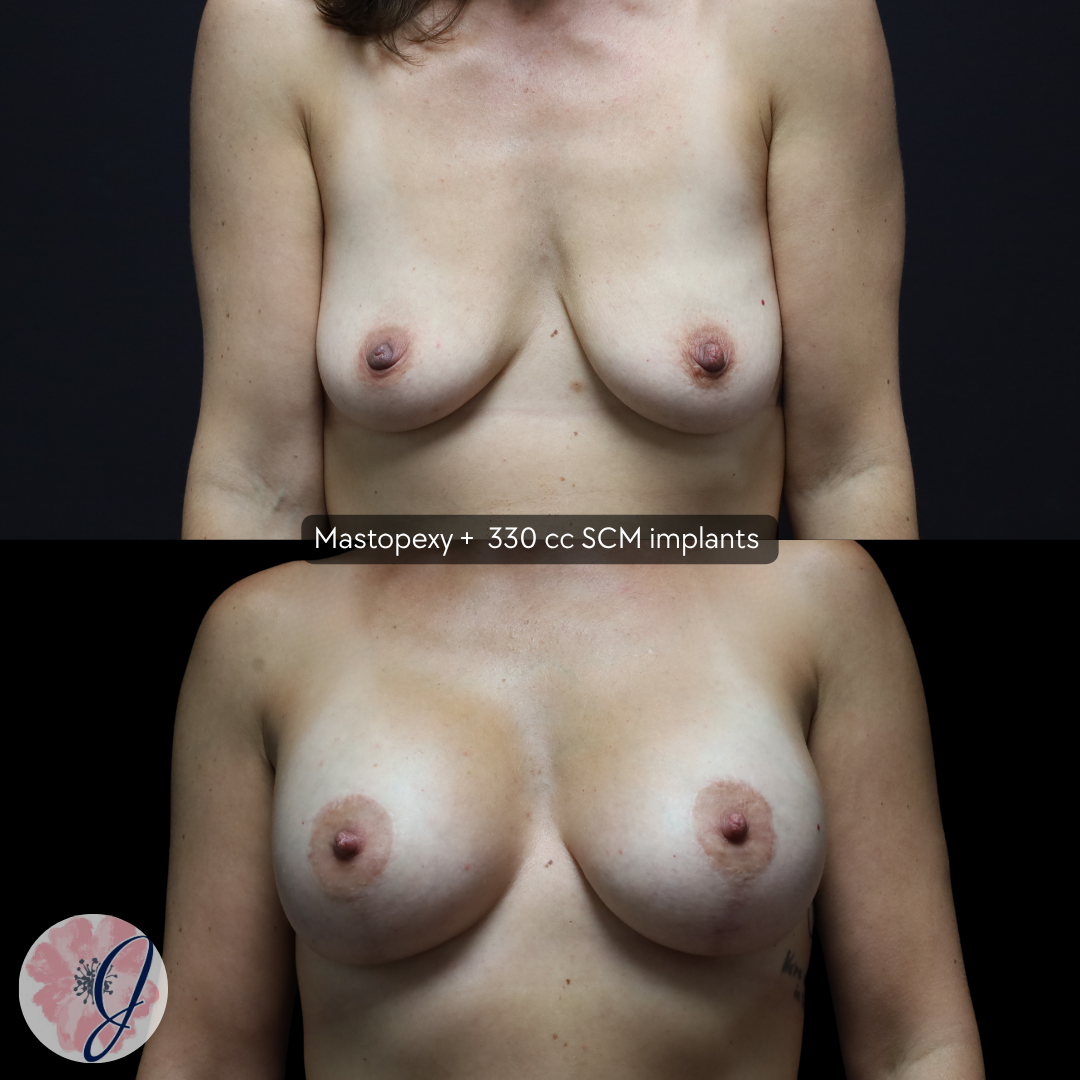

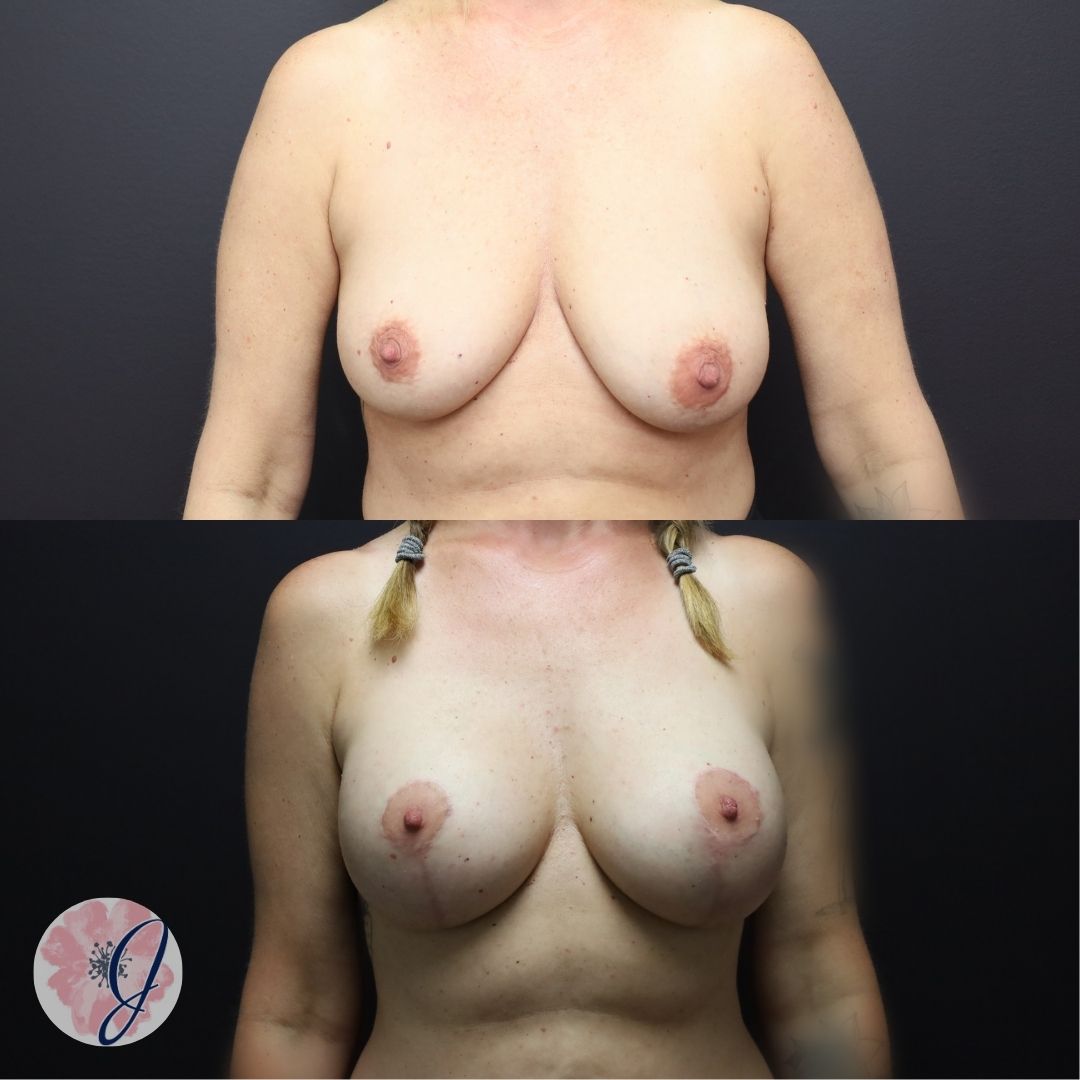
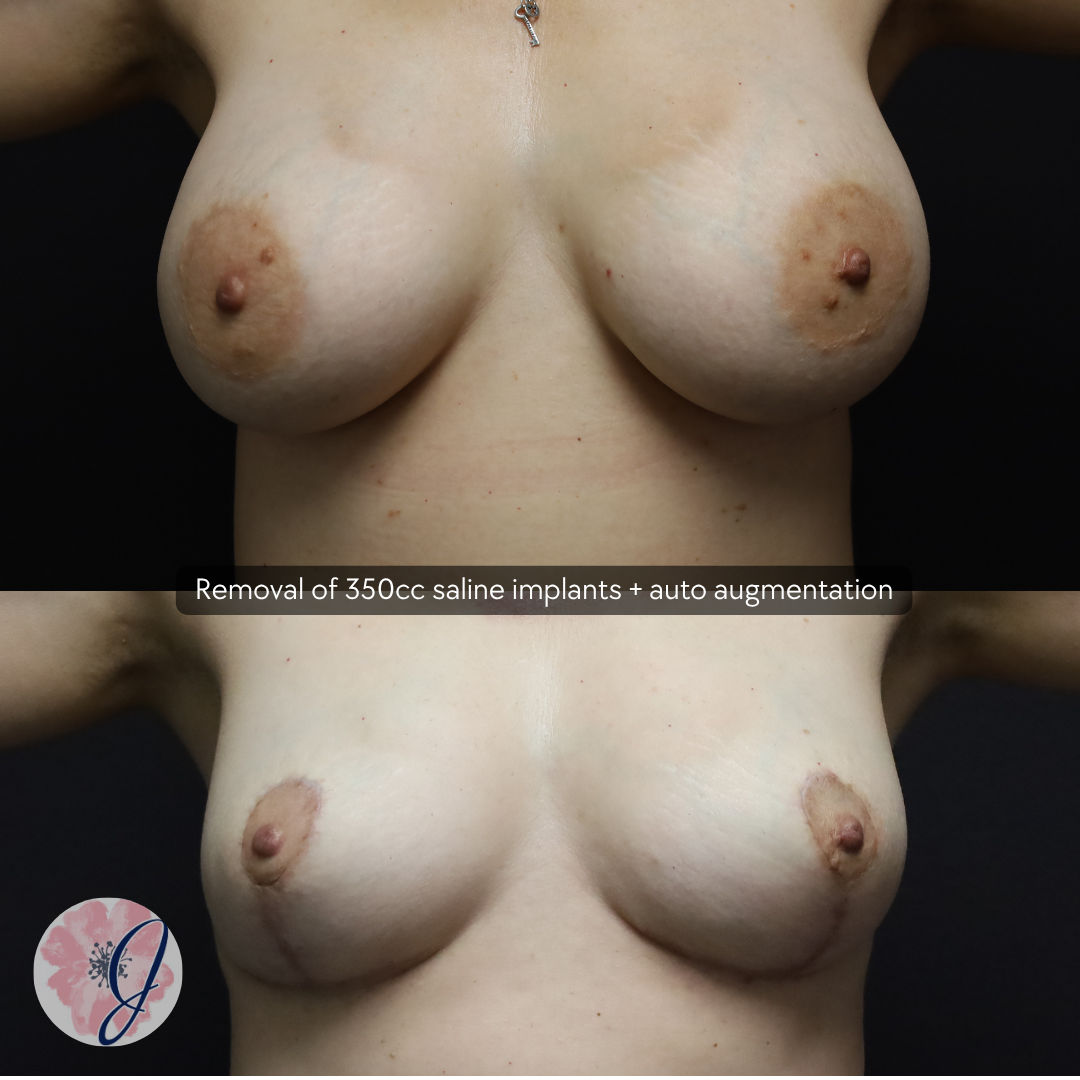
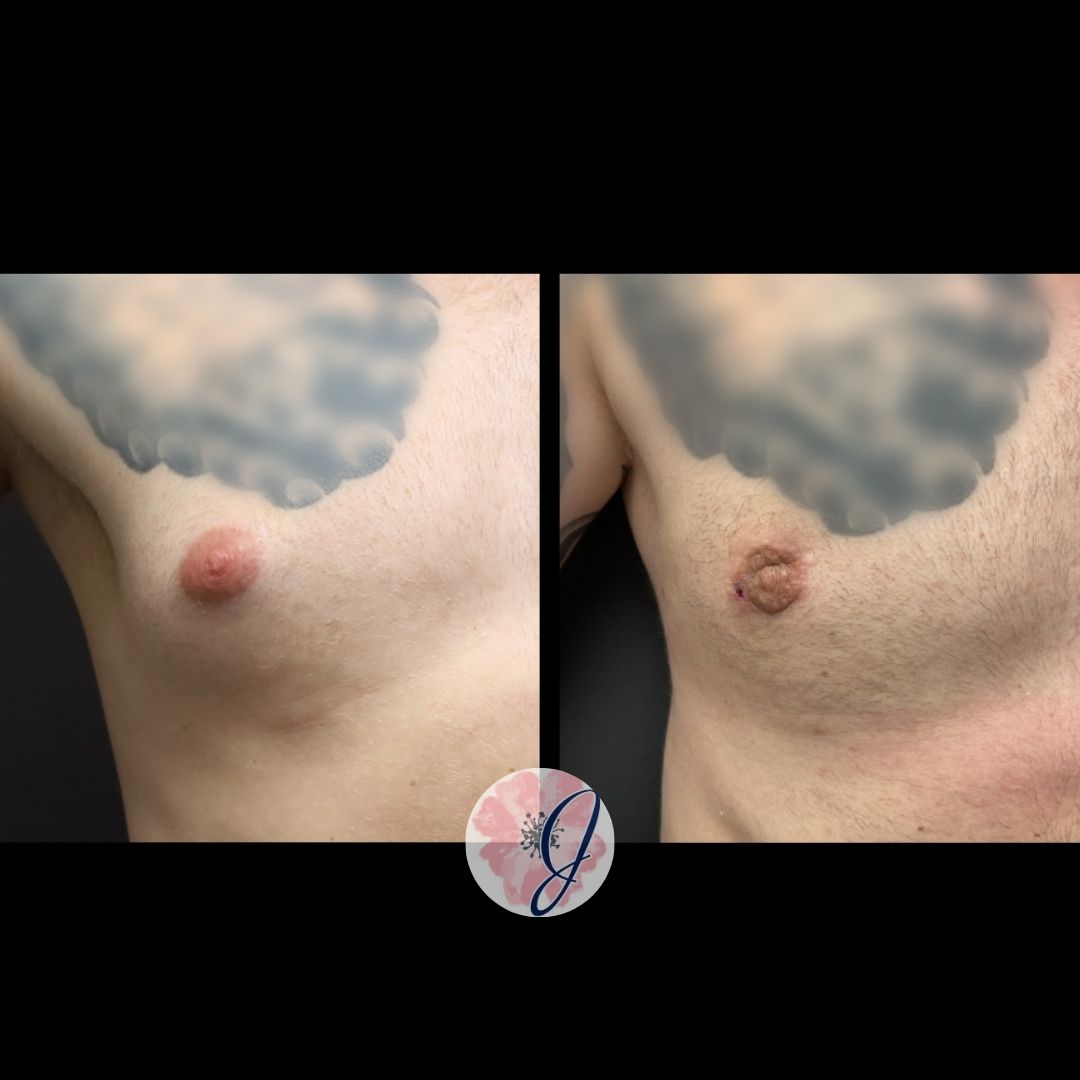
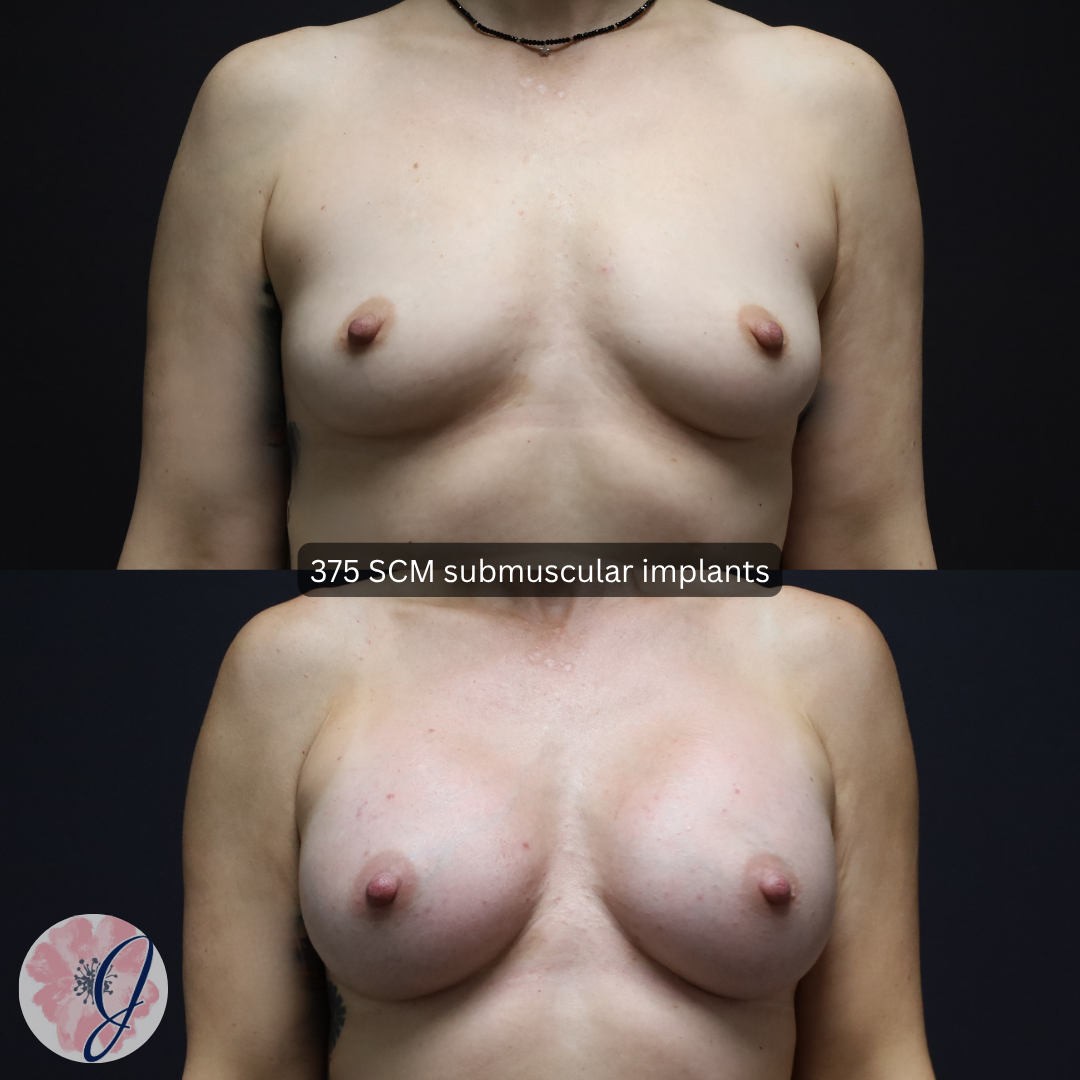
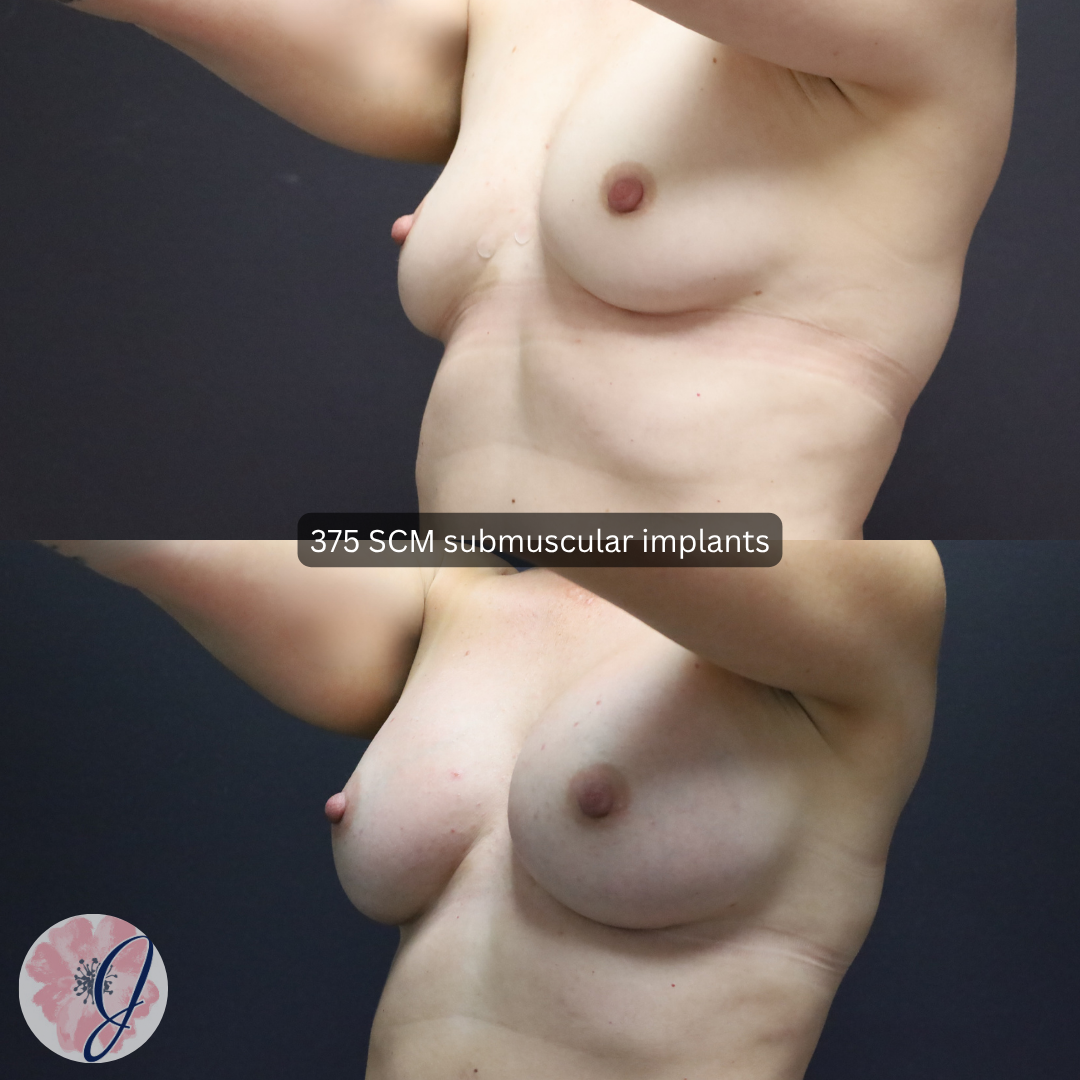
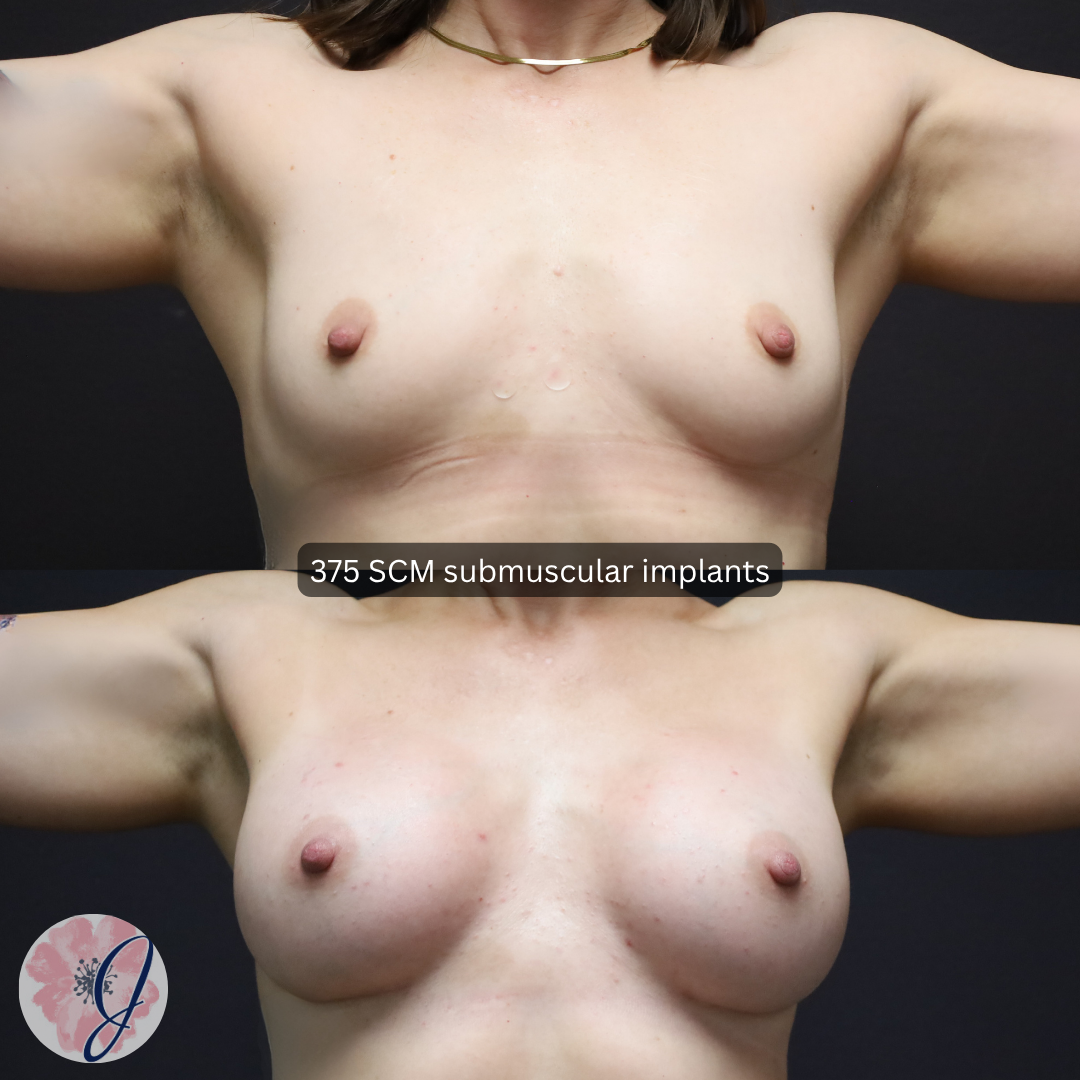
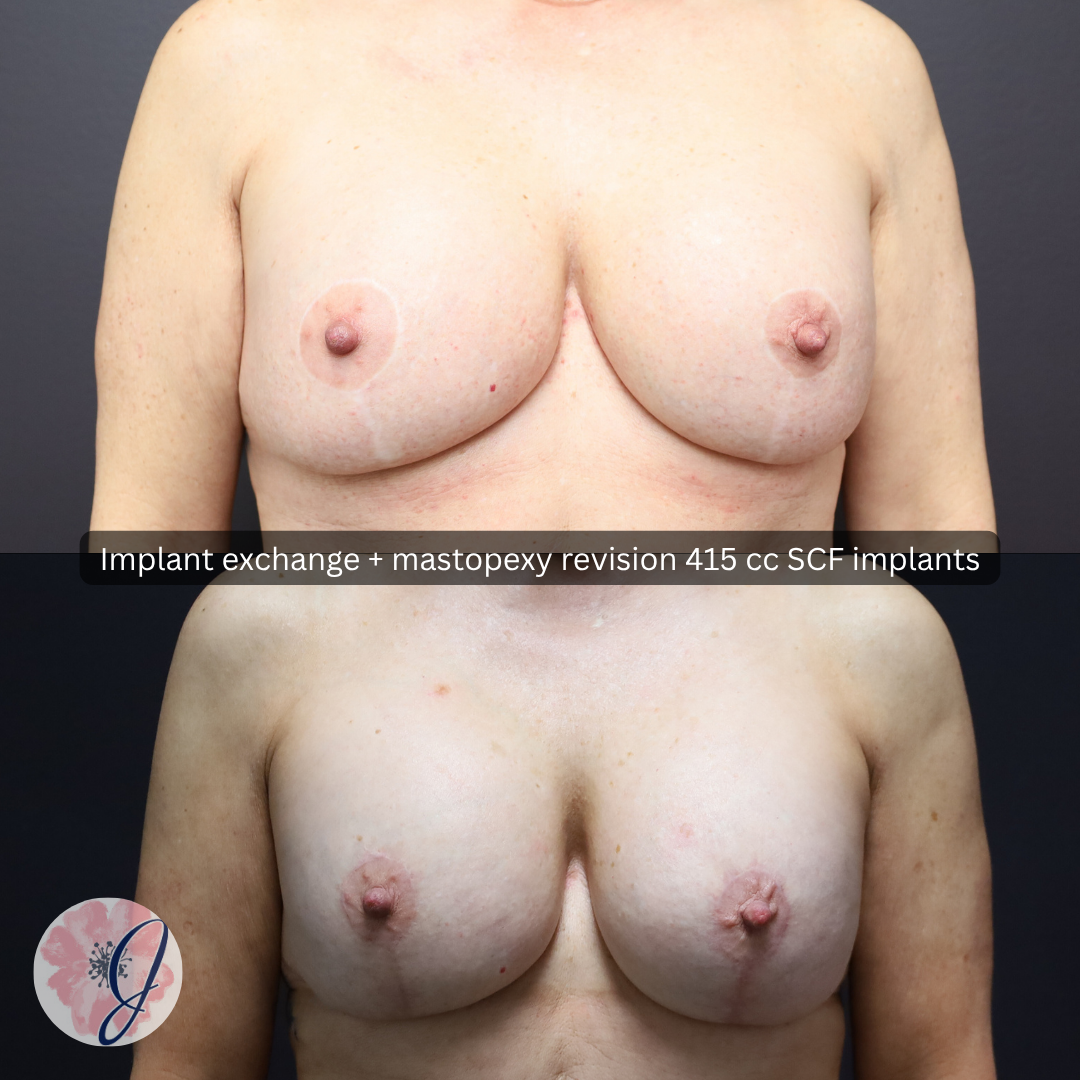
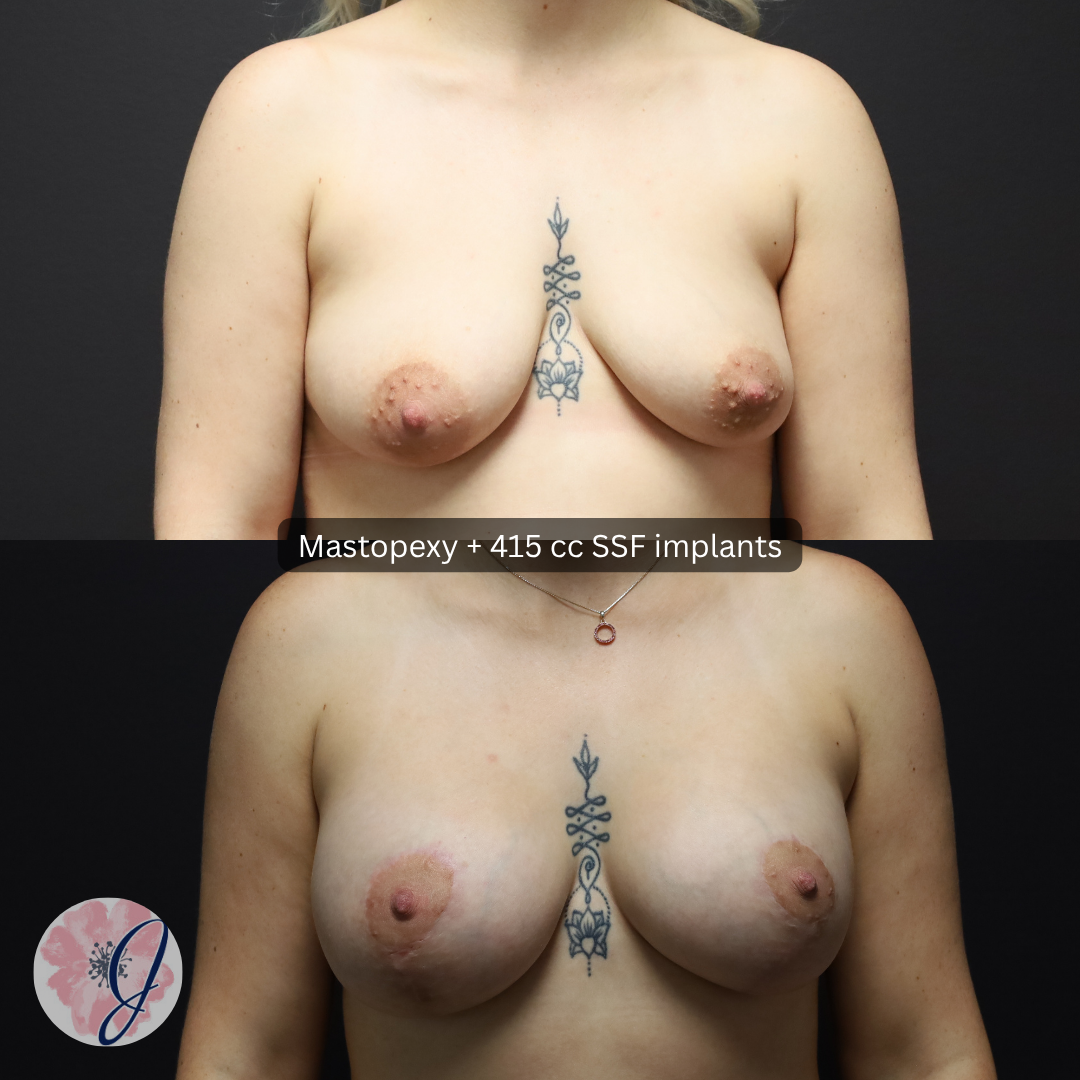
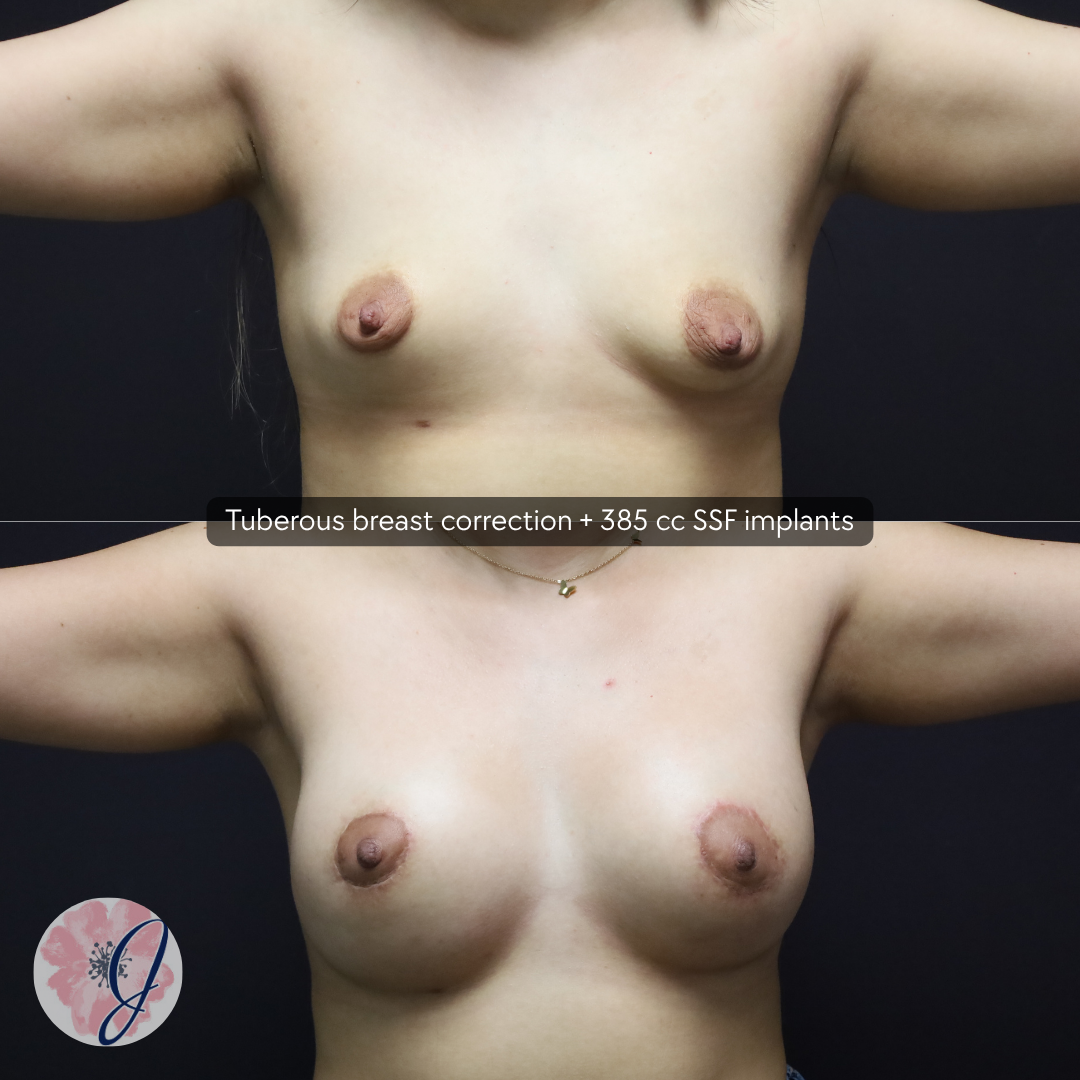
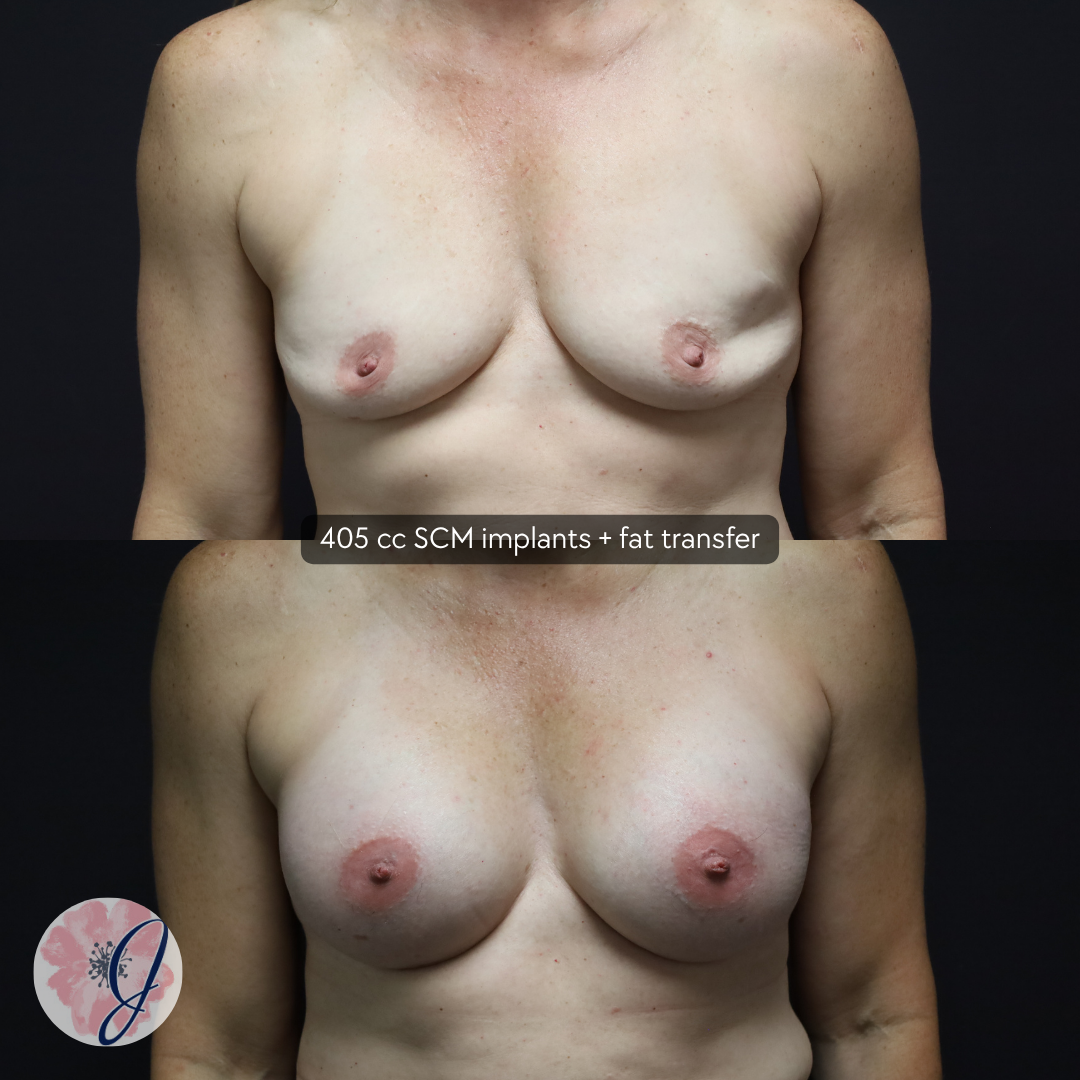
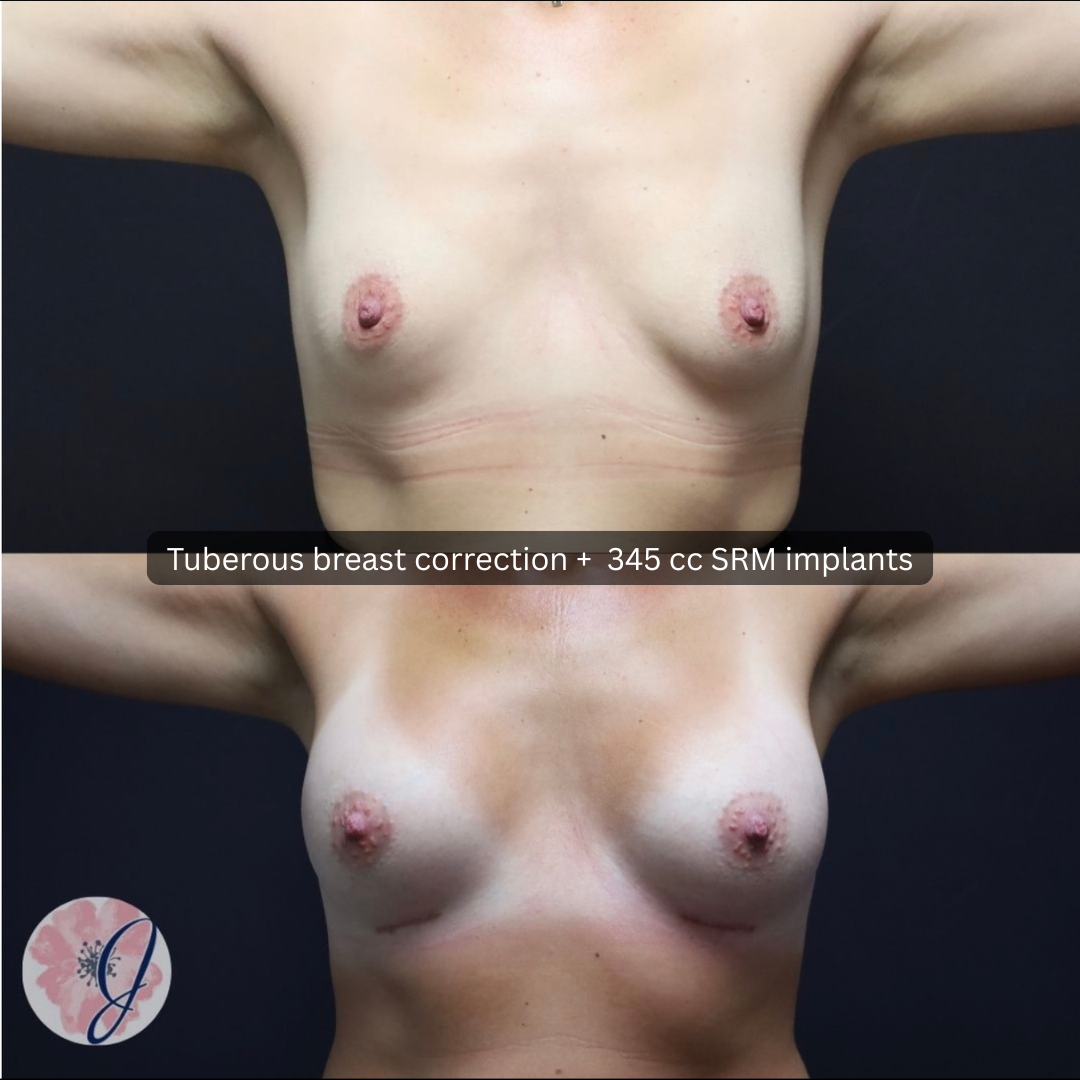
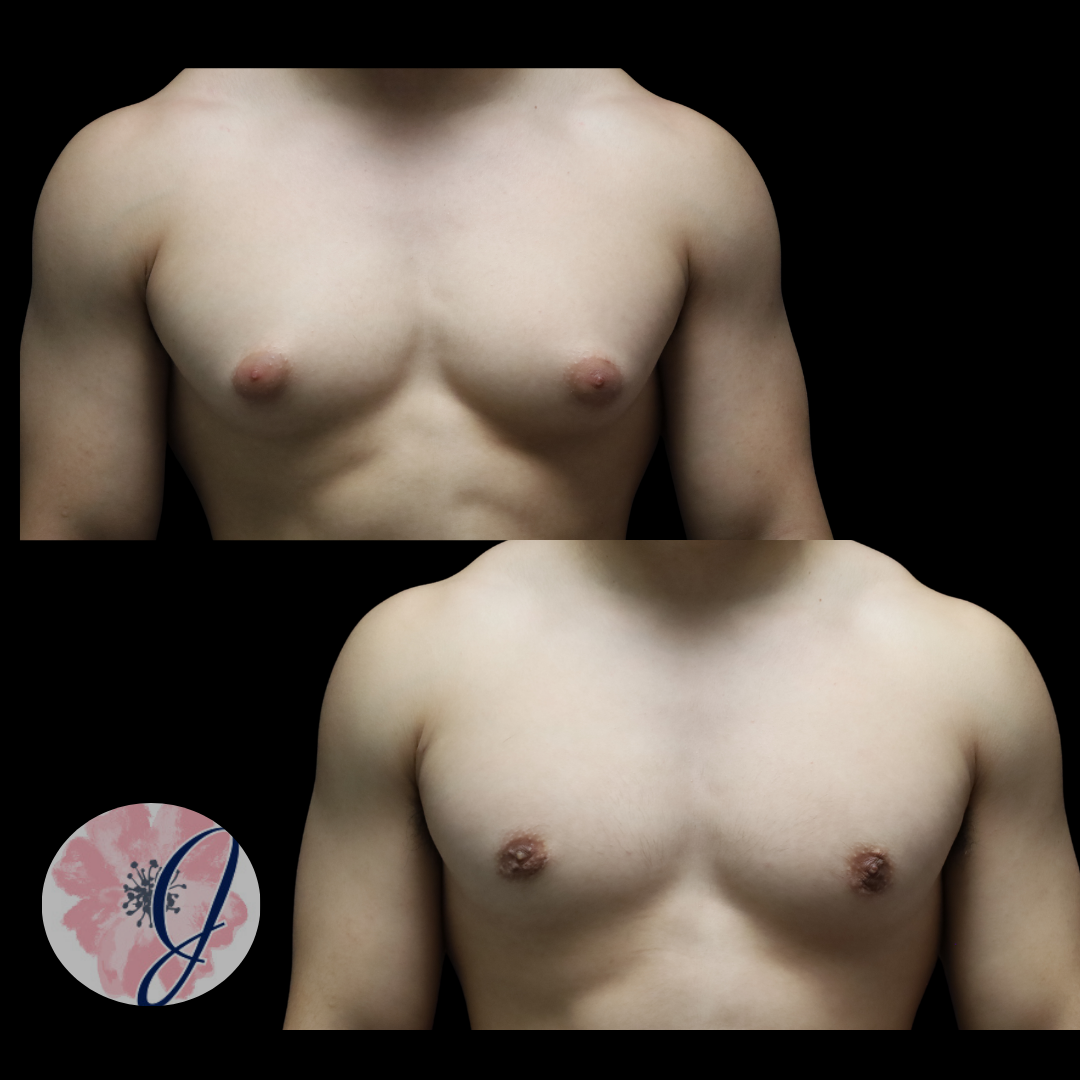


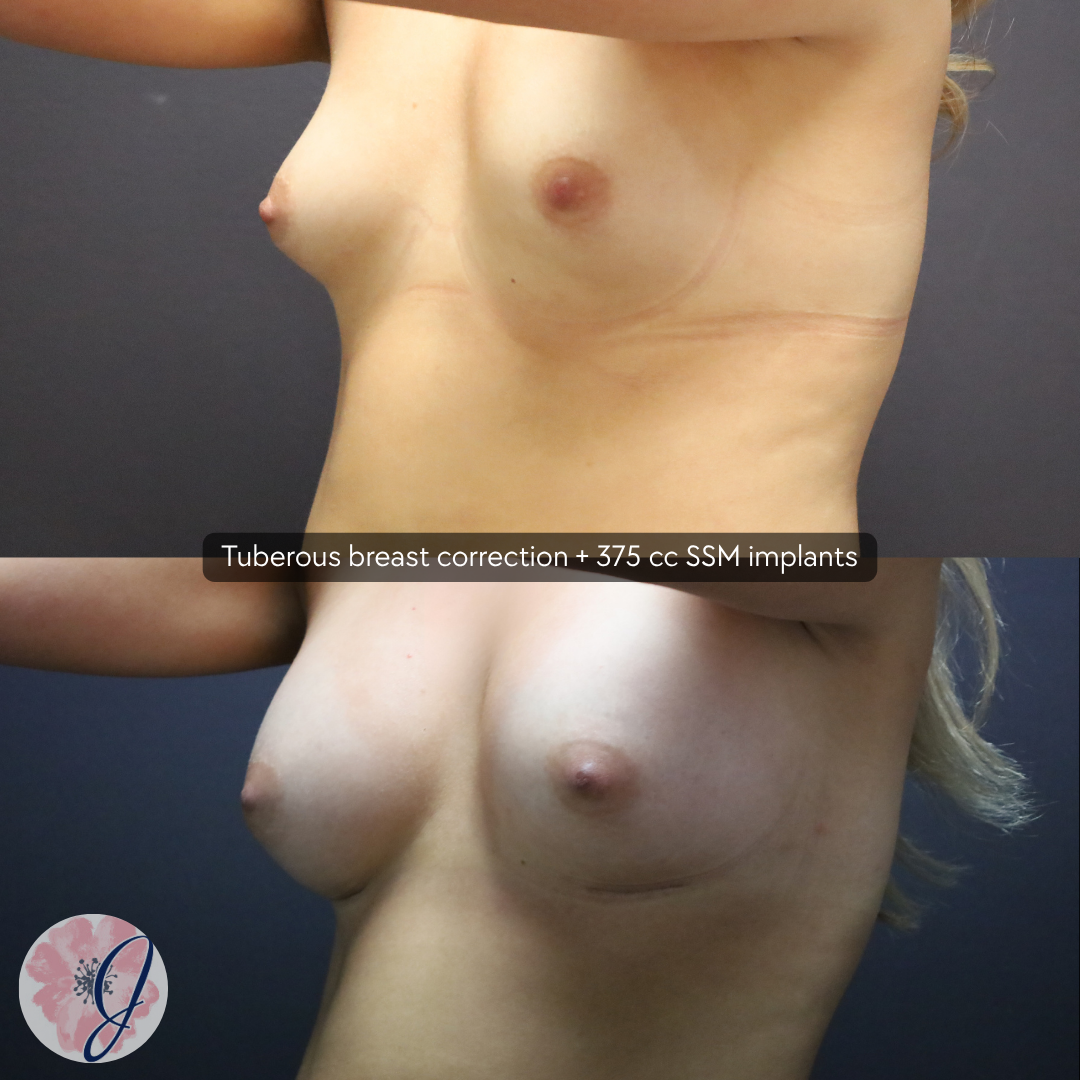
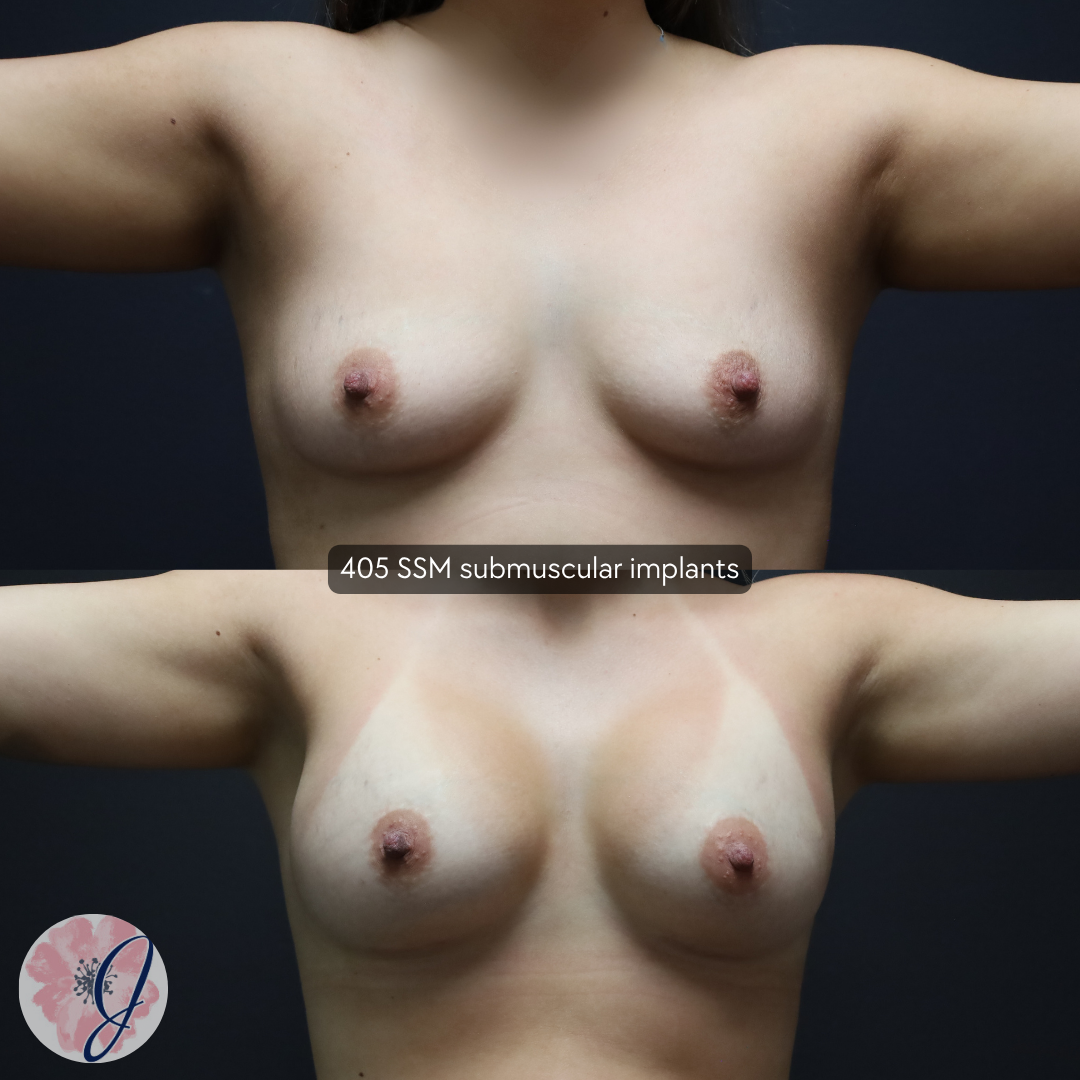
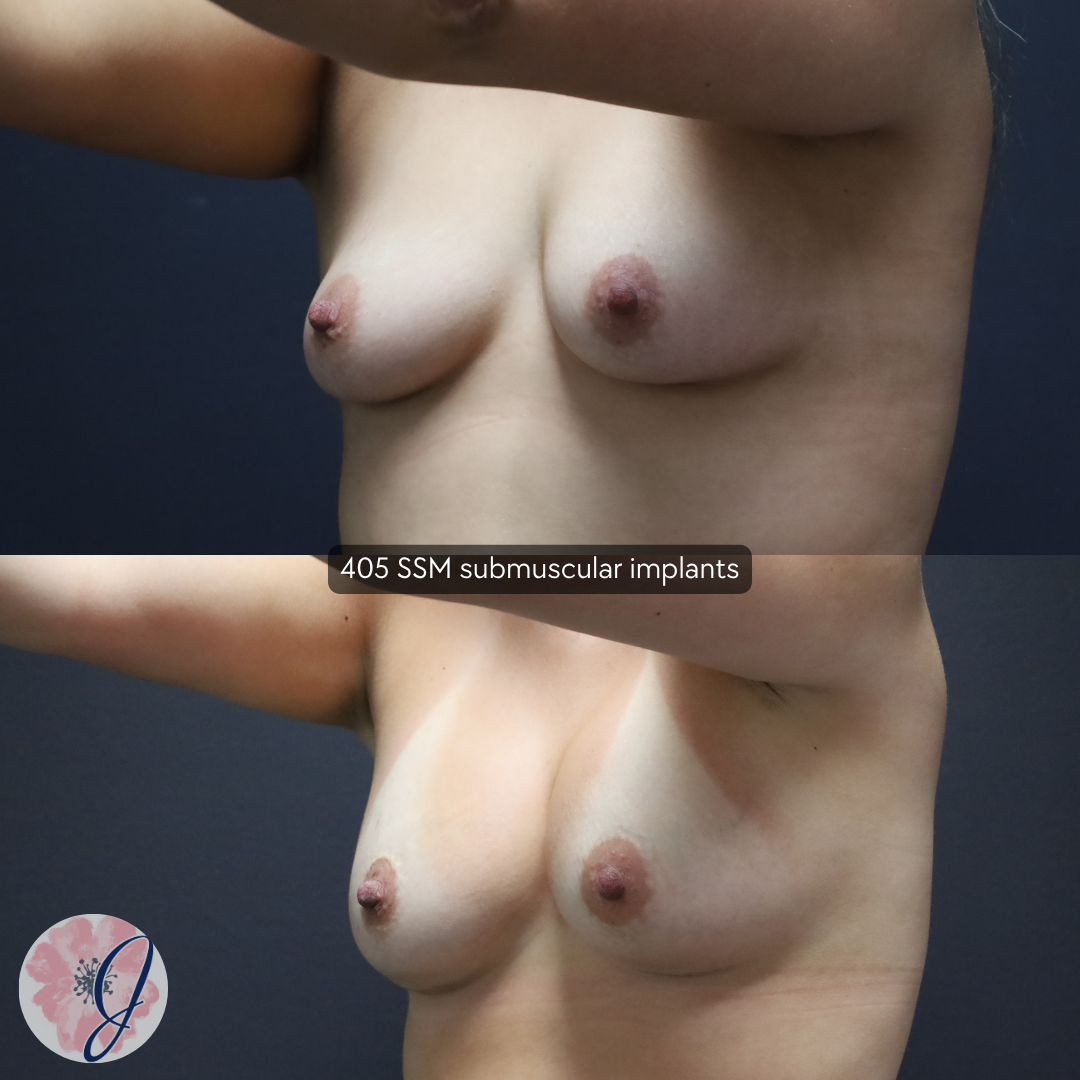
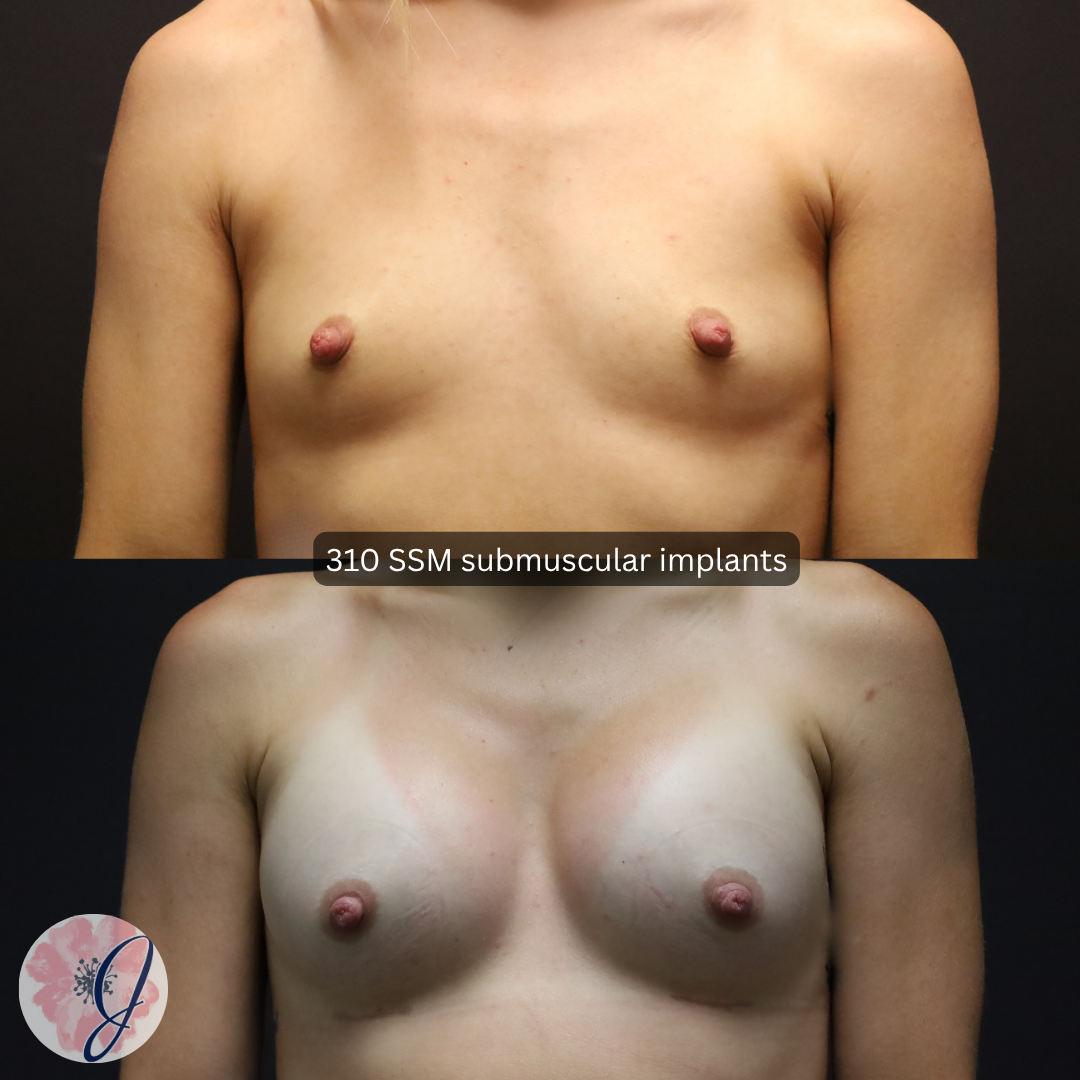
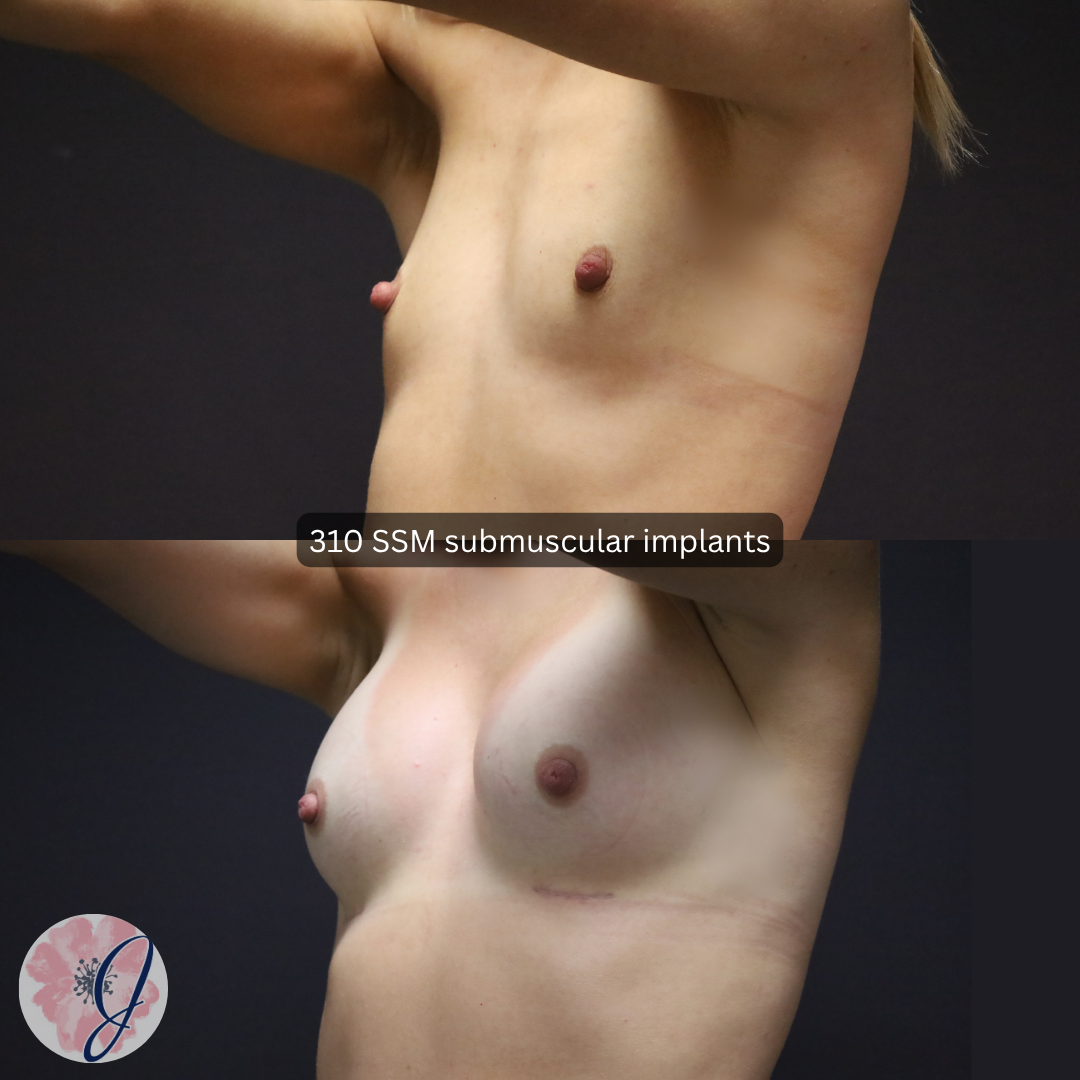
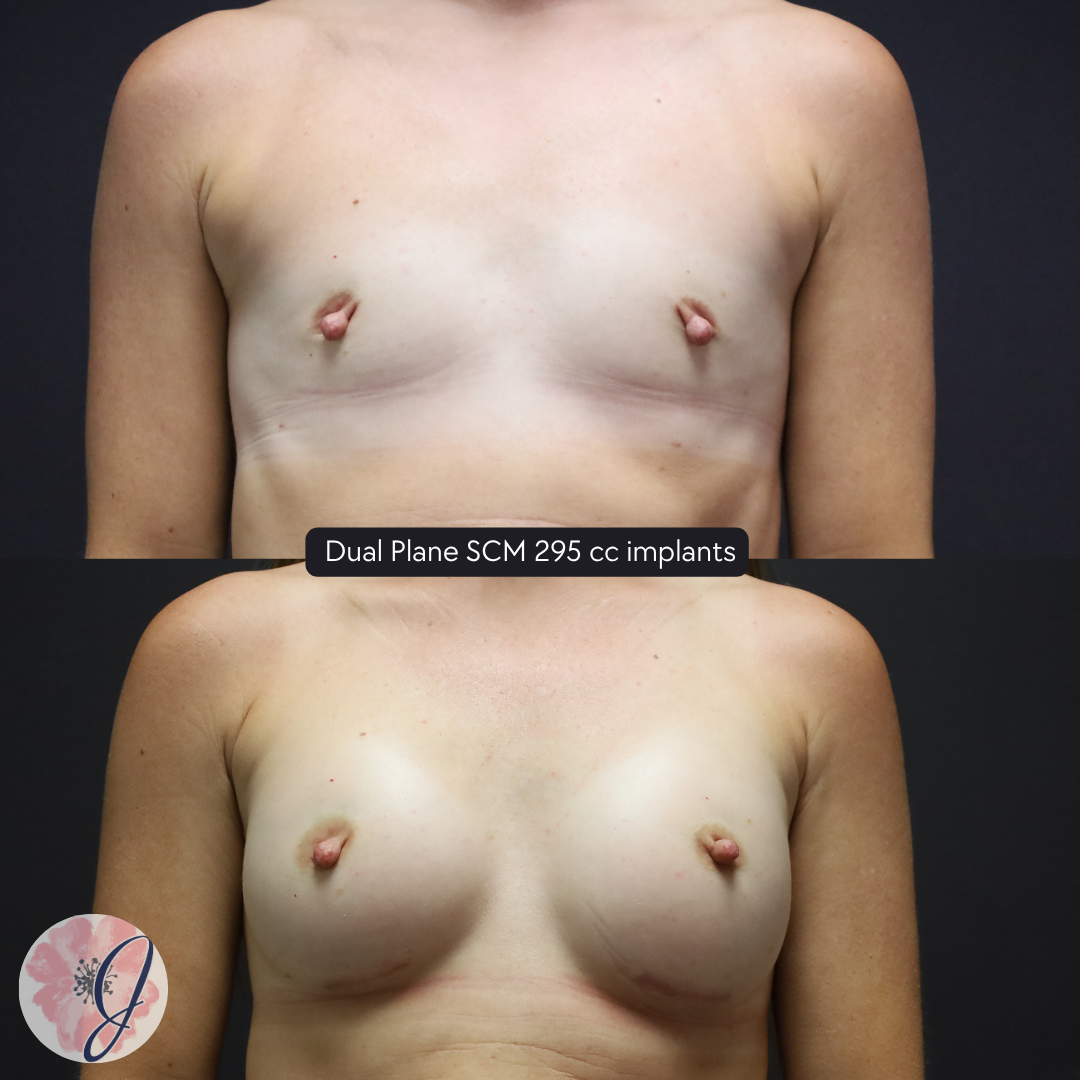
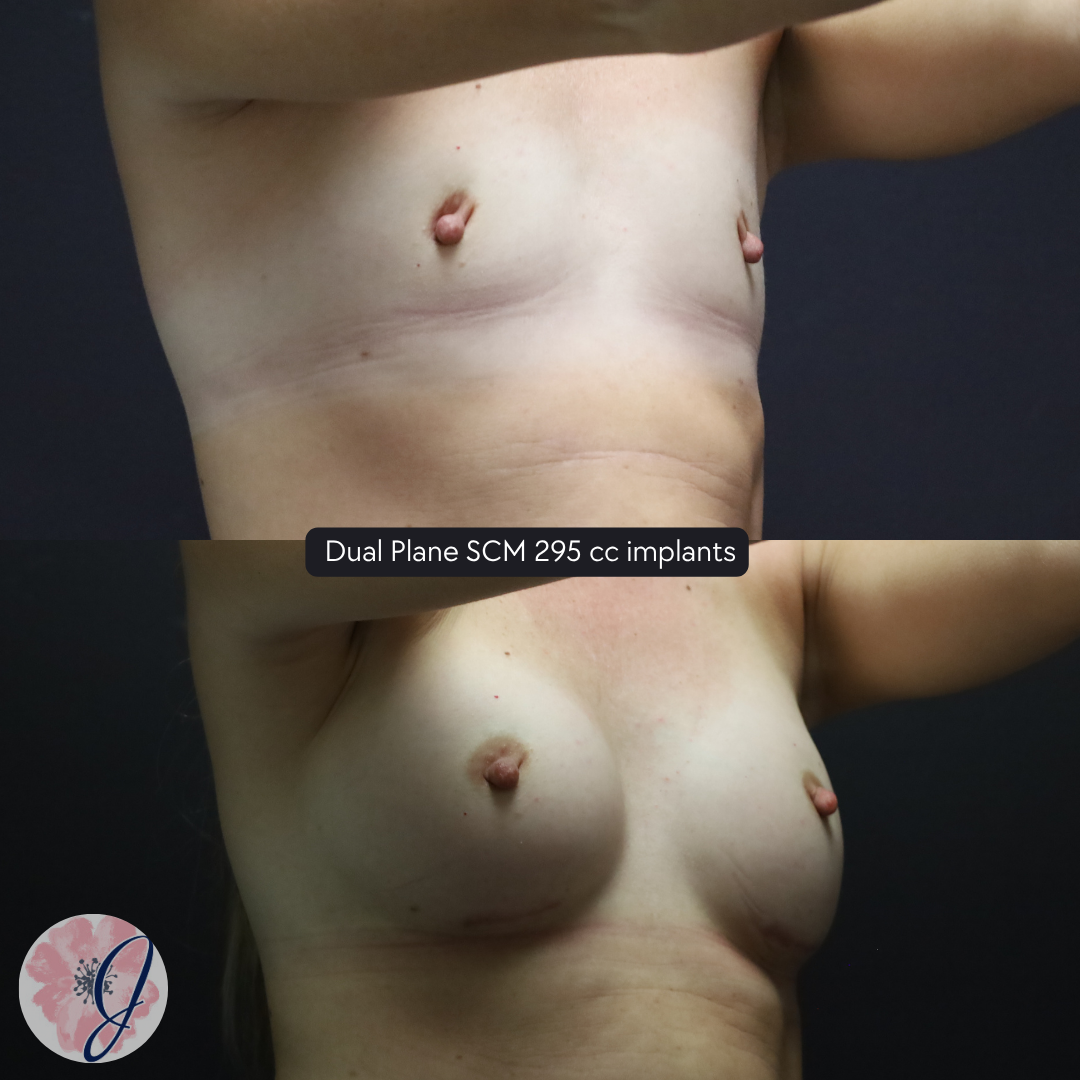
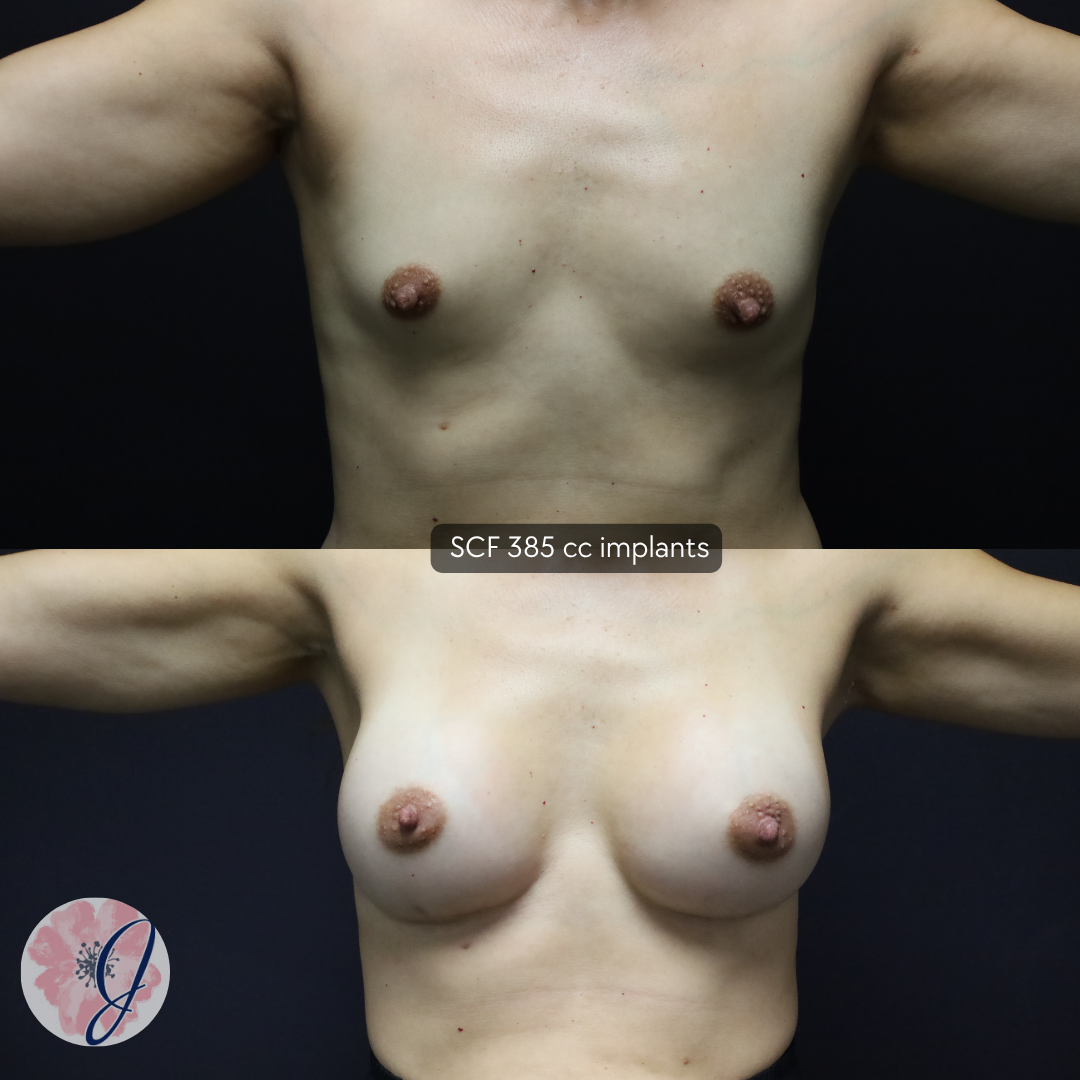
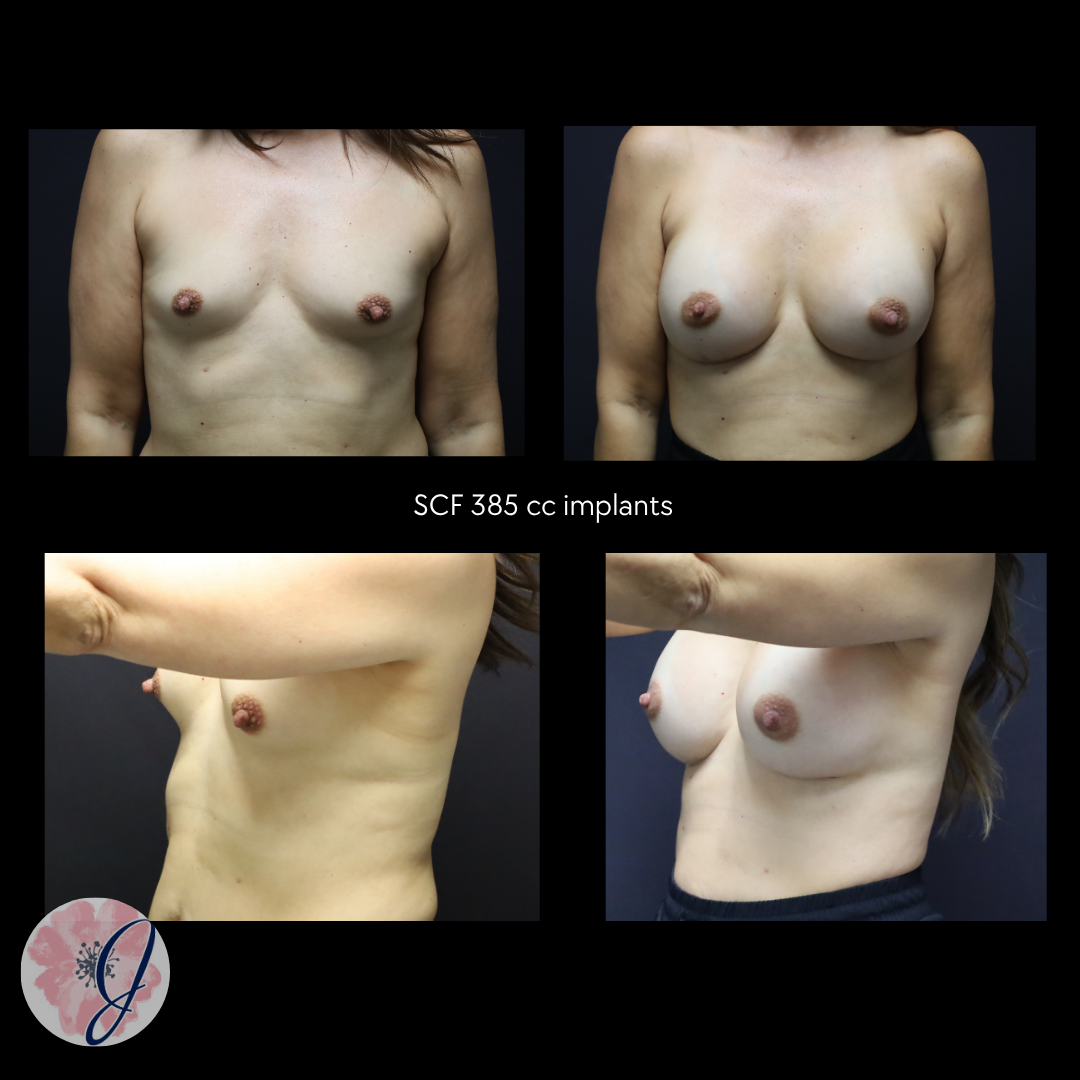
“Natural Results —
Never Overdone.”
Dr. Jacobson’s philosophy is centered on natural, proportionate results.
A successful inverted nipple correction should look:
- Natural
- Balanced
- Proportional to the breast
The goal is refinement — not exaggeration.

Why Choose Dr. Jacobson for Inverted Nipple Correction?
- Advanced aesthetic breast surgery expertise
- Surgical techniques focused on natural, balanced outcomes
- Personalized treatment planning based on anatomy
- Strategically placed incisions for minimal visible scarring
- Concierge-level care from consultation through recovery
Inverted Nipple Correction FAQs
What causes inverted nipples?
Nipple inversion most commonly occurs when fibrous connective tissue or shortened milk ducts beneath the nipple pull the tissue inward toward the breast. Most cases are present from birth and are simply an anatomical variation — affecting an estimated 10% of women. In some cases, nipple inversion can develop later due to trauma, infection, or prior breast surgery. The condition is classified into three grades based on severity, which Dr. Jacobson evaluates during consultation to determine the most appropriate treatment approach.
Will I be able to breastfeed after inverted nipple correction?
Whether breastfeeding remains possible depends on the severity of inversion and the surgical technique used. For Grade I and select Grade II cases, duct-preserving techniques aim to maintain the milk ducts whenever possible, preserving the potential for future breastfeeding. In more severe cases (Grade III or certain Grade II inversions), the shortened fibrous bands and ducts may need to be fully divided to achieve reliable projection, which may affect the ability to breastfeed. These considerations are carefully discussed during consultation so you can make an informed decision.
Is the procedure performed under general anesthesia?
No. Inverted nipple correction is typically performed as a minor outpatient procedure under local anesthesia, allowing patients to remain comfortable while awake. This means there is no need for general anesthesia, which contributes to the quick recovery — most patients return to normal daily activities the same day or within 24 hours after the procedure.
Will there be visible scarring?
Incisions are intentionally designed to be small and well concealed. They are typically placed at the base of the nipple or along the natural border of the areola. Because these locations naturally camouflage scars, incision lines generally heal very well and become difficult to notice over time. Dr. Jacobson uses strategically placed incisions specifically to minimize visible scarring.
How long do the results last?
The improvement in nipple projection is visible immediately following surgery and is typically long-lasting. The internal sutures and tissue release create structural support that maintains the nipple in its corrected position. In cases of severe inversion (Grade III), a small percentage of patients may require a secondary procedure to maintain permanent projection. During your consultation, Dr. Jacobson will discuss the expected durability of results based on your specific grade of inversion.
Can inverted nipple correction be combined with other breast procedures?
Yes. Inverted nipple correction can be performed as a standalone procedure or combined with other breast surgeries such as breast augmentation, breast lift, or breast reduction if desired. When combined with another procedure, the nipple correction is performed during the same surgical session. During your consultation, Dr. Jacobson will evaluate your anatomy and goals to determine whether combining procedures would be appropriate.
Serving Lincoln and Surrounding Nebraska Communities
If you are bothered by inverted nipples — whether for cosmetic reasons or functional concerns — a consultation with Dr. Jacobson at Jacobson Cosmetic Surgery can help determine the most appropriate treatment. During your visit, your anatomy will be carefully evaluated and treatment options discussed to help restore natural nipple projection and confidence. Schedule your consultation today. Serving patients throughout Lincoln, Omaha, and greater Nebraska.
Related Procedures
Patients considering fat transfer to the breasts may also be interested in these complementary procedures:
Discover Your Confidence & Unveil Your True Beauty
Contact Lincoln, Nebraska’s premier cosmetic surgery practice, where your journey to enhanced beauty and newfound confidence begins.