

Breast Enhancement Surgery
Breast augmentation is designed to enhance breast size, shape, and overall balance with the body. Whether restoring volume lost after pregnancy or weight loss, improving breast symmetry, or enhancing natural proportions, breast augmentation can create a more refined and confident silhouette.
At Jacobson Cosmetic Surgery, Dr. Jacobson performs breast augmentation using silicone or saline implants, and in select cases fat transfer, to create natural, proportionate results tailored to each patient’s body frame.
Also known as augmentation mammoplasty, breast enlargement, or breast implant surgery, the goal of breast augmentation is not simply to increase size, but to create beautiful, balanced breast proportions that complement your natural anatomy.

What Does Breast Augmentation Treat?
Breast augmentation can address several concerns related to breast size, shape, and volume. By carefully selecting the implant size, shape, and placement, breast augmentation enhances natural proportions while maintaining a soft, natural appearance.
Common Concerns Addressed
- Naturally small breast size
- Loss of volume after pregnancy or breastfeeding
- Volume loss after weight loss
- Breast asymmetry
- Desire for fuller upper breast contour
- A breast shape that feels disproportionate to the body
Dr. Jacobson’s Anatomy-Based Approach to Breast Augmentation
At Jacobson Cosmetic Surgery, breast augmentation is approached with a focus on proportion, balance, and long-term results. This personalized planning ensures the final result looks natural, balanced, and harmonious with your body frame.
During your consultation, Dr. Jacobson evaluates:
01
Chest wall anatomy
02
Breast tissue thickness
03
Skin elasticity
04
Nipple position
05
Lifestyle and activity level
06
Personal aesthetic goals
These factors guide decisions regarding:
- Implant size and profile
- Implant material
- Implant placement
- Surgical technique
This personalized planning ensures the final result looks natural, balanced, and harmonious with your body frame.
Implant Options — Materials
Selecting the appropriate breast implant is an important part of the surgical planning process. Implant choice is based on several factors, including your anatomy, tissue thickness, desired breast size, and the type of result you hope to achieve. Dr. Jacobson works closely with each patient to determine the implant characteristics that will best complement their natural proportions while maintaining a soft, natural appearance.
Breast implants are available in two primary filling materials: silicone gel and saline.
Most Common Choice
Silicone Implants
Silicone implants contain a cohesive silicone gel designed to closely resemble the feel and movement of natural breast tissue.
Advantages of silicone implants include:
- A softer, more natural feel
- Reduced likelihood of visible implant rippling
- Excellent ability to maintain their shape over time
For these reasons, silicone implants are the most commonly chosen option for breast augmentation.
Alternative Option
Saline Implants
Saline implants are filled with sterile saltwater after the implant is placed within the breast pocket.
If a saline implant were to rupture, the saline solution is harmlessly absorbed by the body.
- Filled in place for adjustable volume
- Safe, natural absorption if ruptured
- Appropriate in certain situations
Saline implants tend to feel slightly firmer and may have a higher likelihood of visible rippling compared to silicone, particularly in patients with thinner breast tissue.
Implant Placement Options
Another key decision in breast augmentation surgery is the position of the implant relative to the chest muscle.
Dr. Jacobson will recommend the most appropriate implant position based on your tissue characteristics, anatomy, and lifestyle.
Common Placement
Dual Plane Placement
Partially Under the Muscle
In this technique, the implant is positioned partially beneath the pectoralis major muscle. Benefits include:
- Greater soft tissue coverage over the implant
- A smoother transition between the upper chest and breast
- A more natural slope of the upper breast
One consideration: animation deformity — temporary movement of the implant when the chest muscles contract during certain exercises.
Alternative Placement
Subglandular Placement
Under the Breast Tissue
With subglandular placement, the implant sits above the pectoralis muscle but beneath the natural breast tissue. Potential advantages include:
- Less muscle-related tightness during early recovery
- No implant movement when the chest muscles contract
- A slightly fuller appearance in the upper breast
May be particularly beneficial for patients who frequently engage in activities involving chest muscles:
- Weight Training
- Push-Ups
- Bench Press
The Breast Augmentation Procedure
Breast augmentation surgery is performed as an outpatient procedure under general anesthesia. The procedure typically takes approximately 1.5 hours.
01
Incision Placement
A small incision is typically placed within the infra-mammary fold, the natural crease beneath the breast.
This location allows:
- Precise implant placement
- Excellent implant control
- Well-hidden scars
02
Pocket Creation
Dr. Jacobson carefully creates a precise implant pocket, ensuring optimal positioning and symmetry.
Temporary implant sizers are often used during surgery to confirm the best size and shape before placing the final implants.
03
No-Touch Placement
The final implants are inserted using a no-touch technique, which helps:
- Maintain sterility
- Reduce bacterial contamination
- Lower the risk of capsular contracture
04
Closure
The incisions are closed using absorbable sutures, and a surgical dressing is applied to support the breasts during early healing.
Who Is a Good Candidate for Breast Augmentation?
A consultation with Dr. Jacobson will help determine the most appropriate implant type and surgical approach for your goals.
- Are a non-smoker
- Are 18–65+ years old and in good overall health
- Have lost breast shape or volume after pregnancy or weight loss
- Desire fuller breasts or improved symmetry
- Have realistic expectations and a positive outlook regarding surgery
Breast Augmentation Downtime & Recovery
Recovery from breast augmentation is typically well tolerated, and many patients are pleasantly surprised by how manageable the recovery process is. Most patients describe the early recovery sensation as tightness in the chest rather than sharp pain.
5–10 Days
Initial Downtime
Tightness, Mild soreness
~1 Week
Desk Work
Return to desk work + light activities
~2 Weeks
Light Cardio
Light cardiovascular activity may begin
4 Weeks
Lifting Restrictions
Avoid strenuous exercise 2–4 weeks
6 Weeks
Full Activity
Cleared for all normal activities
Early Recovery (Weeks 1-2)
During the first week you may experience:
- Swelling
- Tightness of the chest muscles
- Mild soreness
- Most patients return to desk work and light daily activities within about one week.
Activity Restrictions
- 4 weeks of lifting restrictions
- Avoid strenuous exercise for 2–4 weeks
- Light cardiovascular activity may begin after approximately 2 weeks
- After 6 weeks, most patients are cleared to return to all normal activities.
Surgical Bra & Support
After surgery, you will be placed in a supportive non-underwire surgical bra, which should be worn for approximately 4–6 weeks.
This provides essential support while the implant pocket heals and the breasts settle into position.
Post-operative instructions: Dr. Jacobson will provide specific activity and healing instructions to ensure the tissues recover properly and your results develop optimally.
Long-Term Results
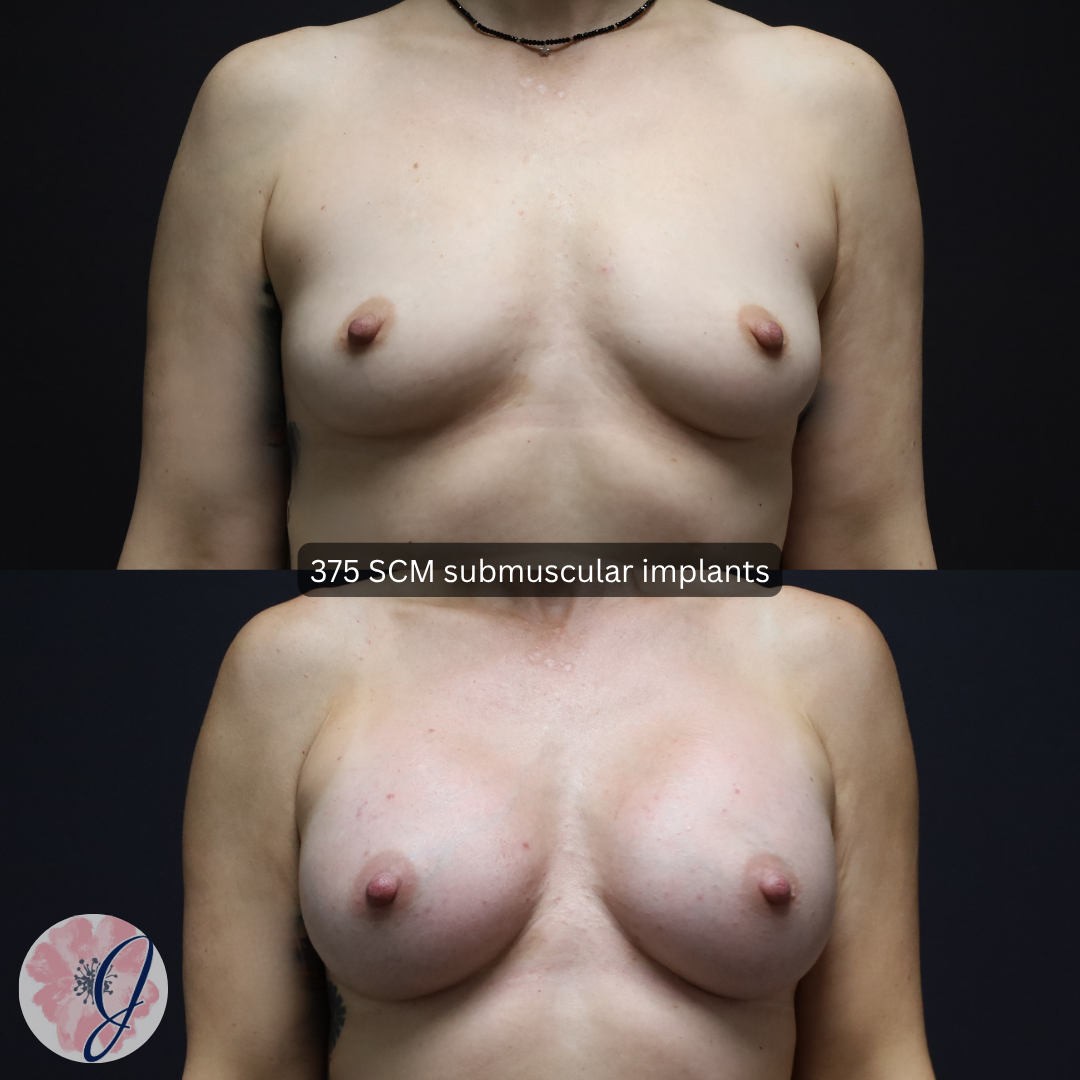
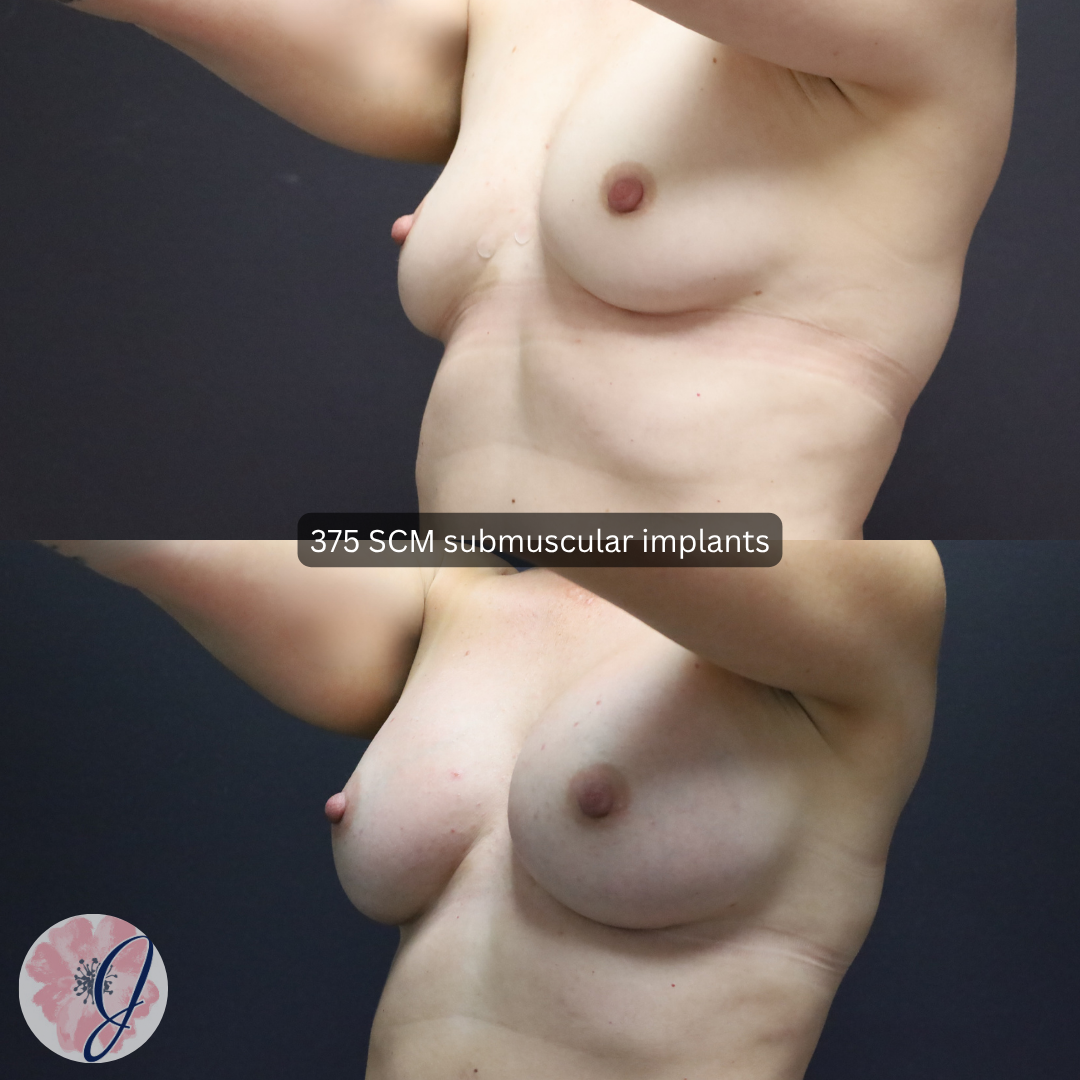
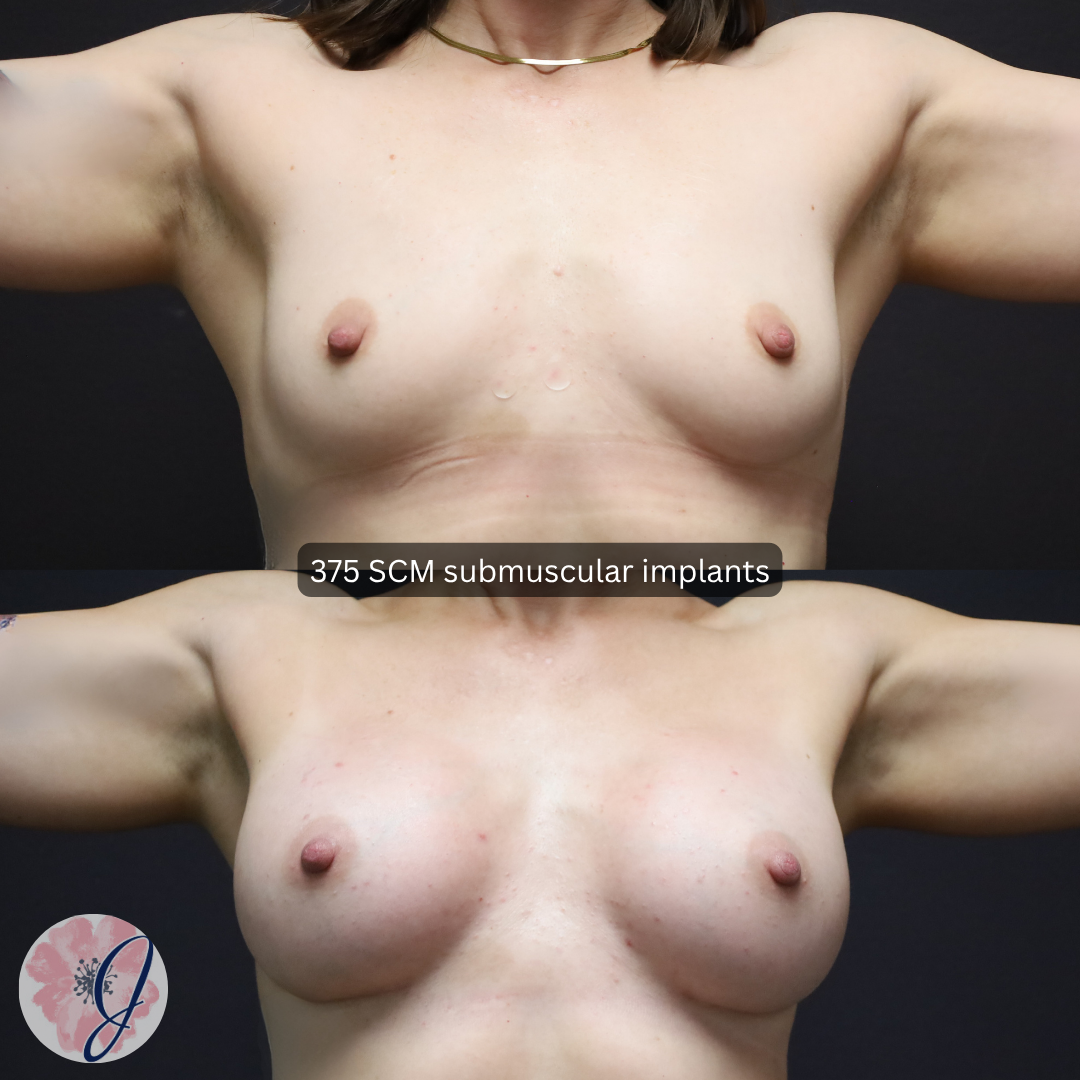
You will notice an immediate increase in breast size after surgery, but the final shape develops gradually as swelling resolves and tissues adapt.
Most patients see their final breast shape and softness around 3 months after surgery.
Incision lines continue to mature and fade over time and are often barely noticeable once fully healed.
Breast Implant Settling: “Drop and Fluff”
It is normal for implants to initially sit higher on the chest immediately after surgery.
This is especially common with submuscular (under-the-muscle) implant placement, where the pectoralis muscle may temporarily hold the implant in a higher position.
Over the following weeks and months:
- The muscle gradually relaxes
- The skin adapts to the implant volume
- The implants settle into their natural position
This process is often referred to as “drop and fluff.”
Most settling occurs within the first 2–3 months, with continued softening over time.

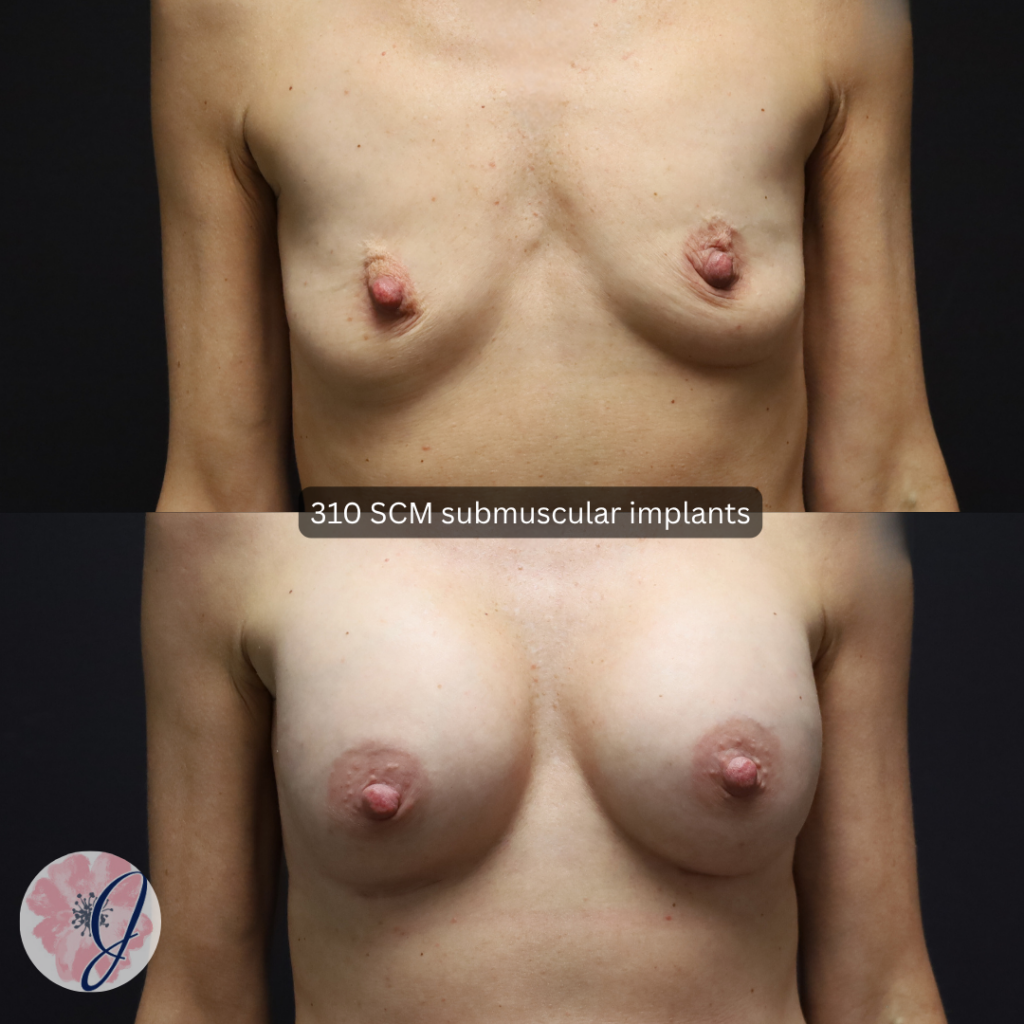
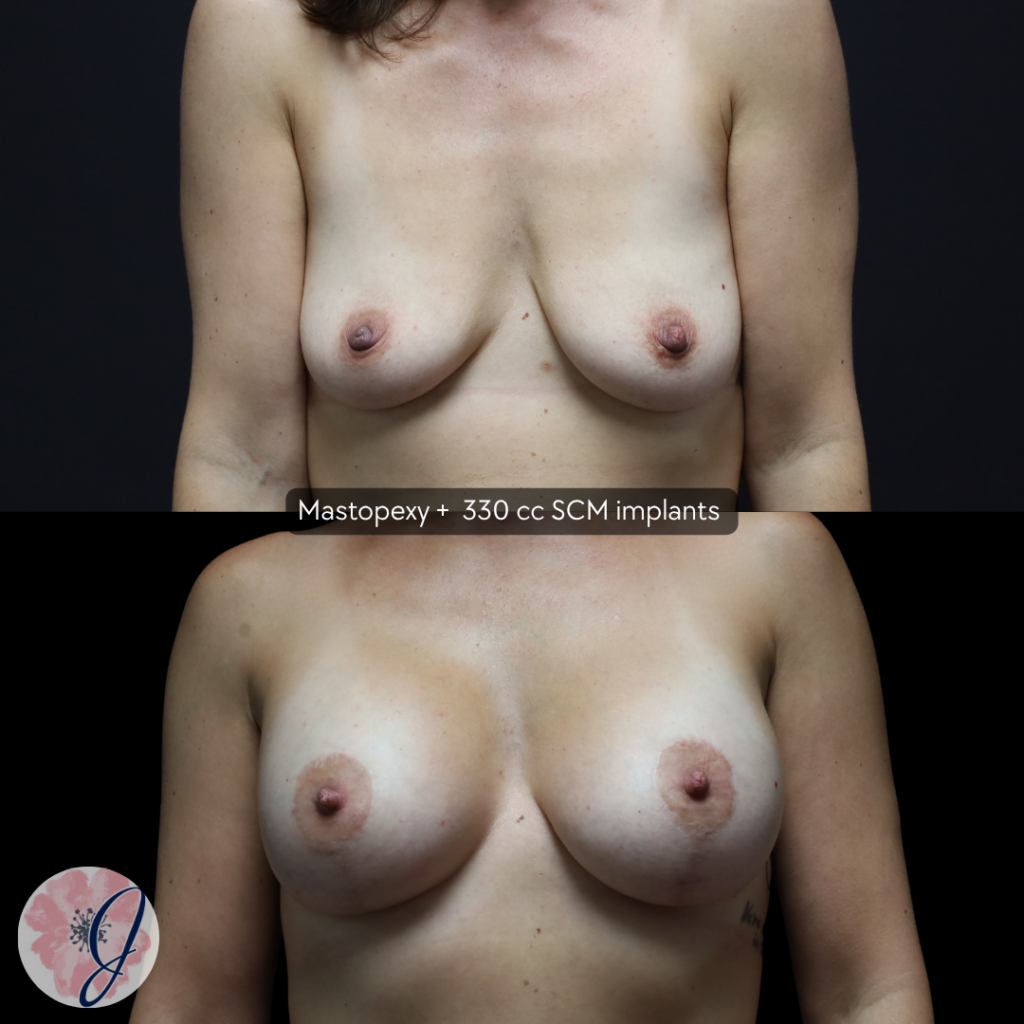
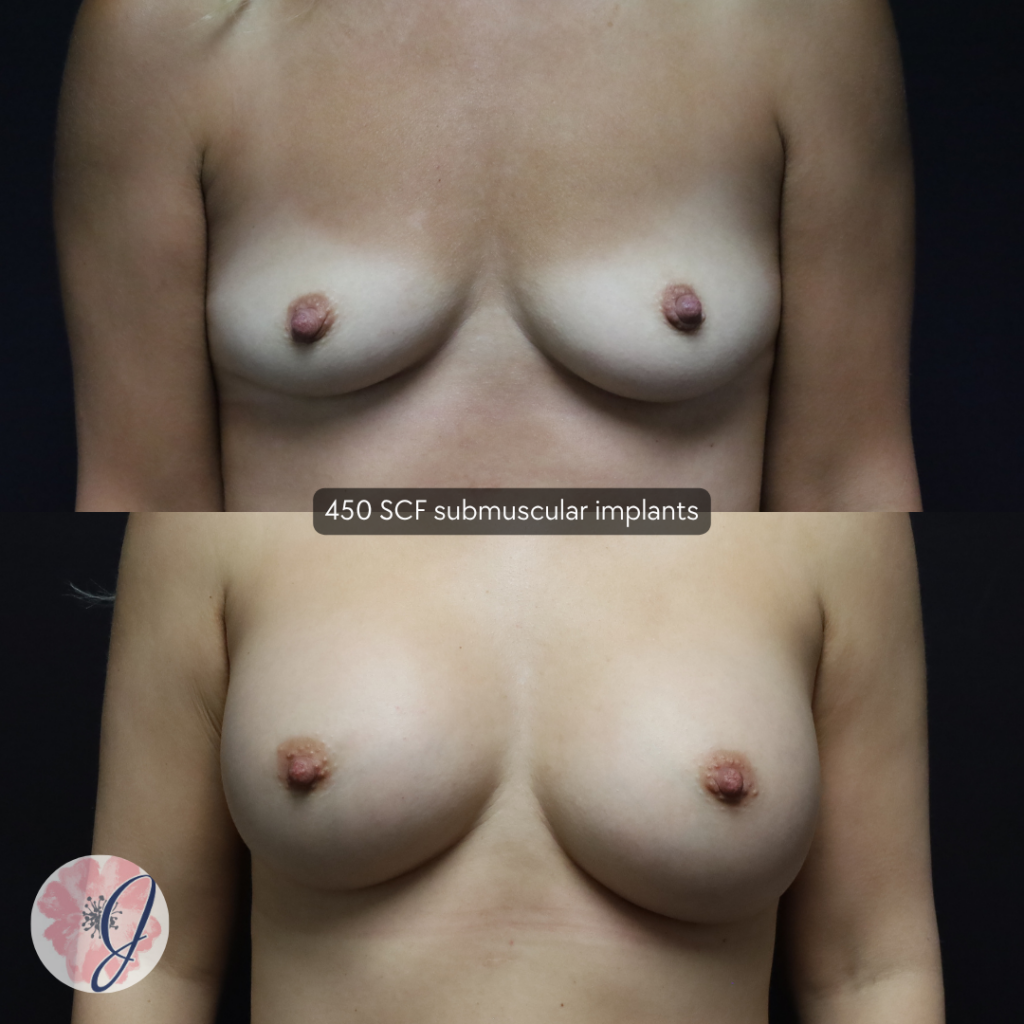
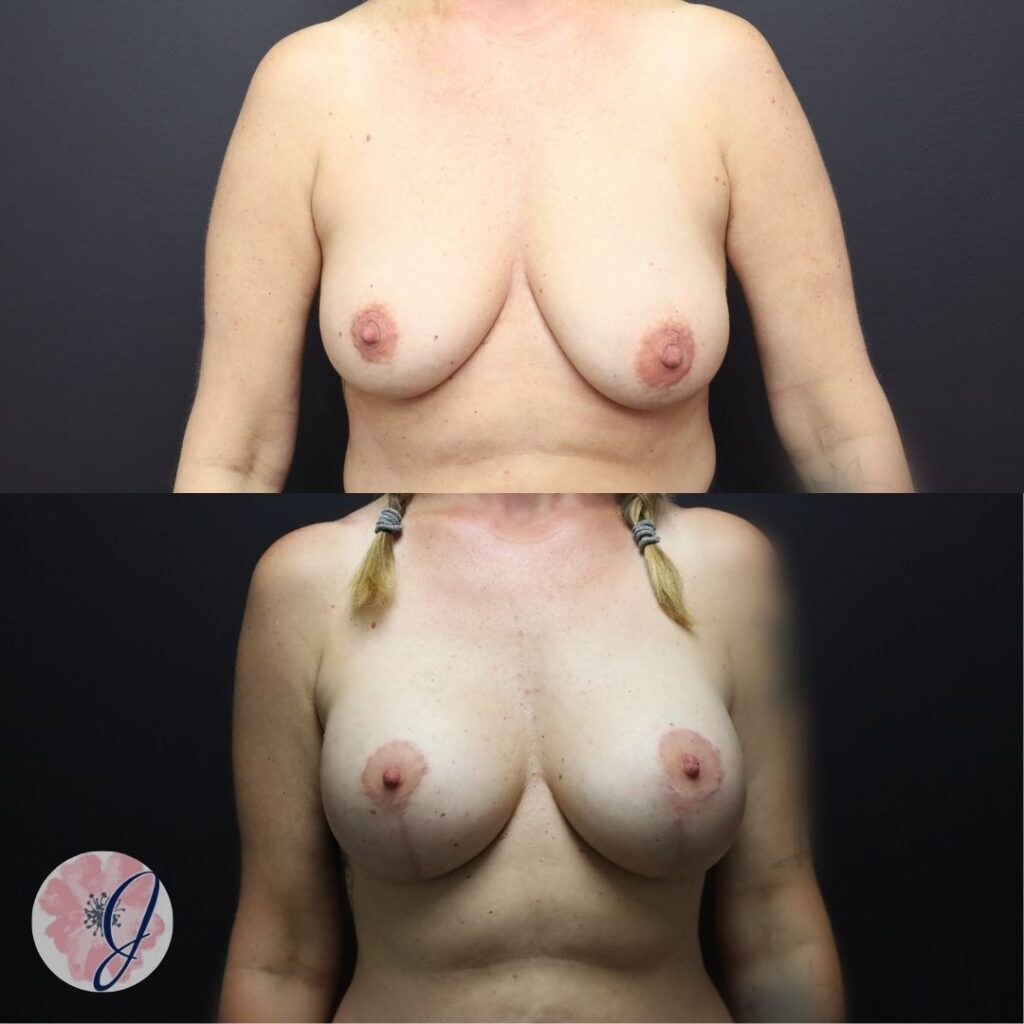
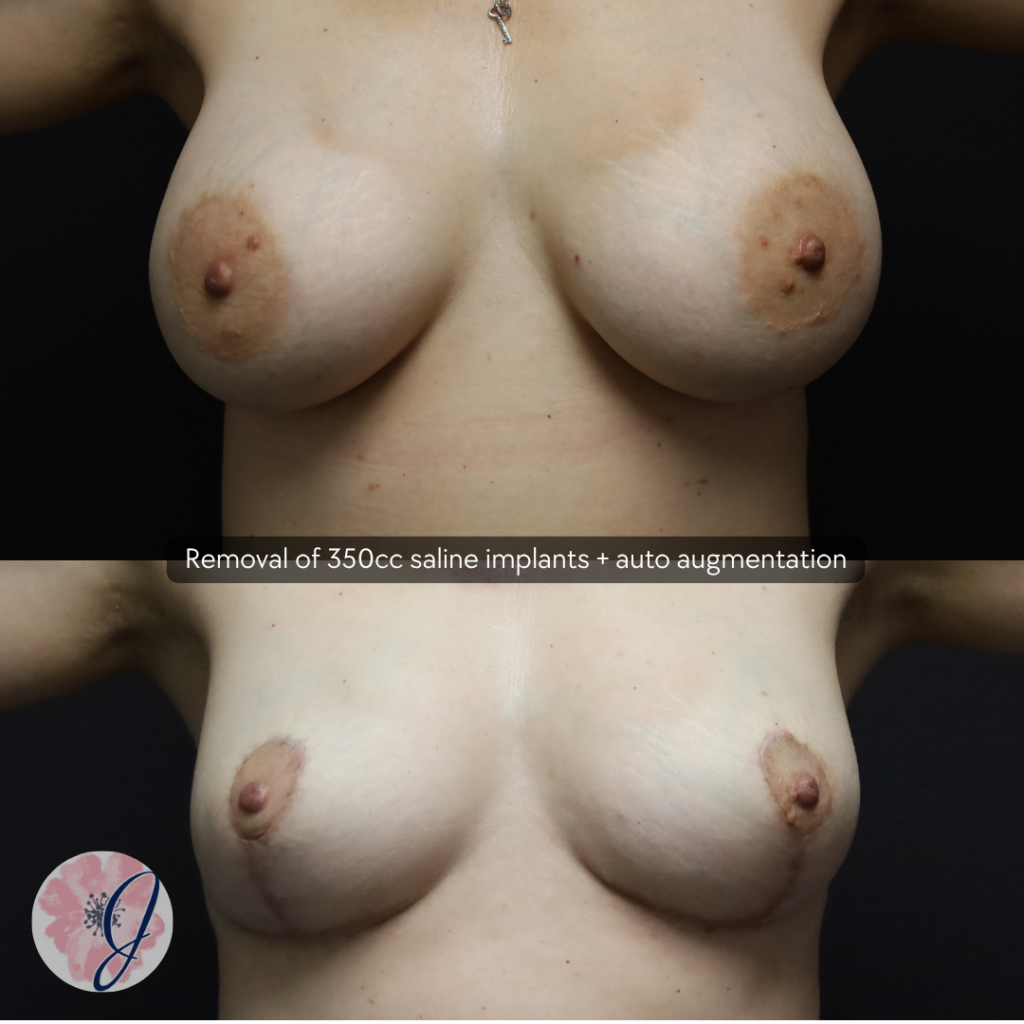
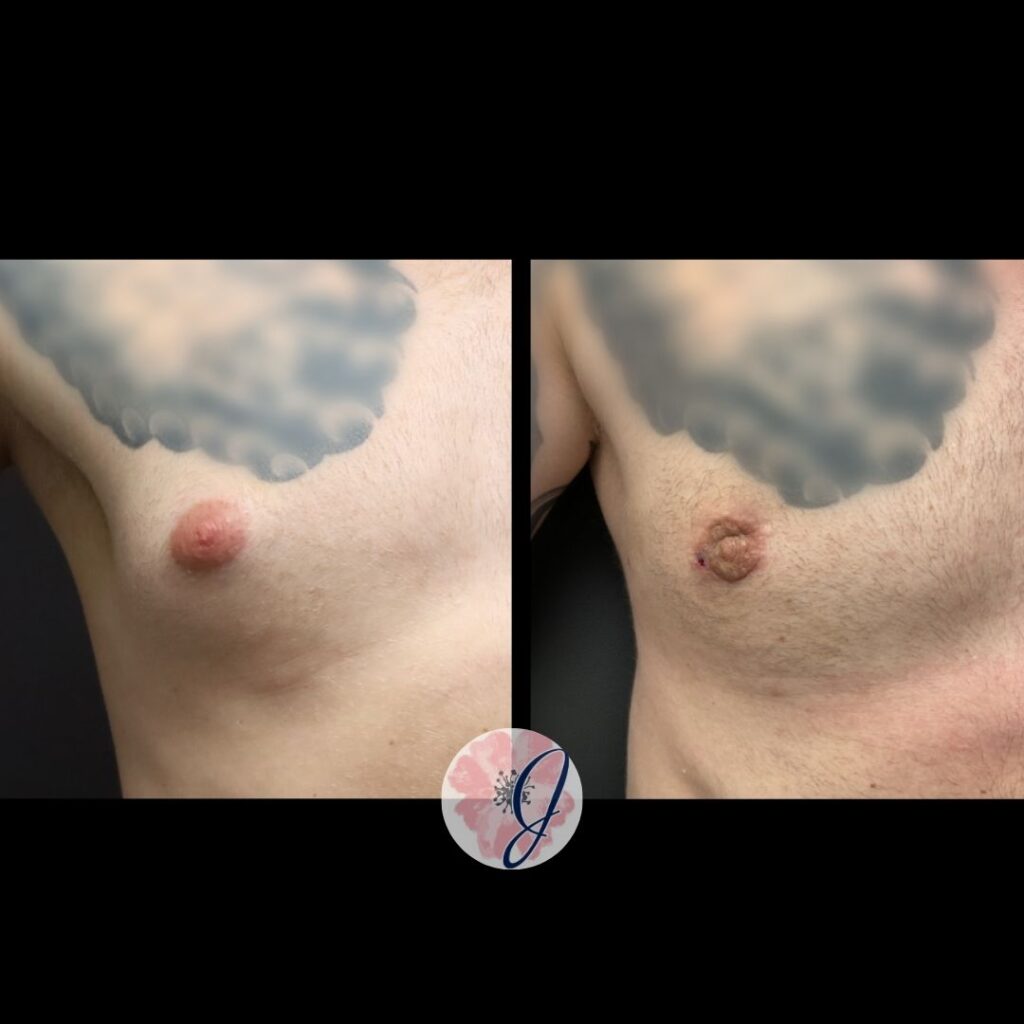
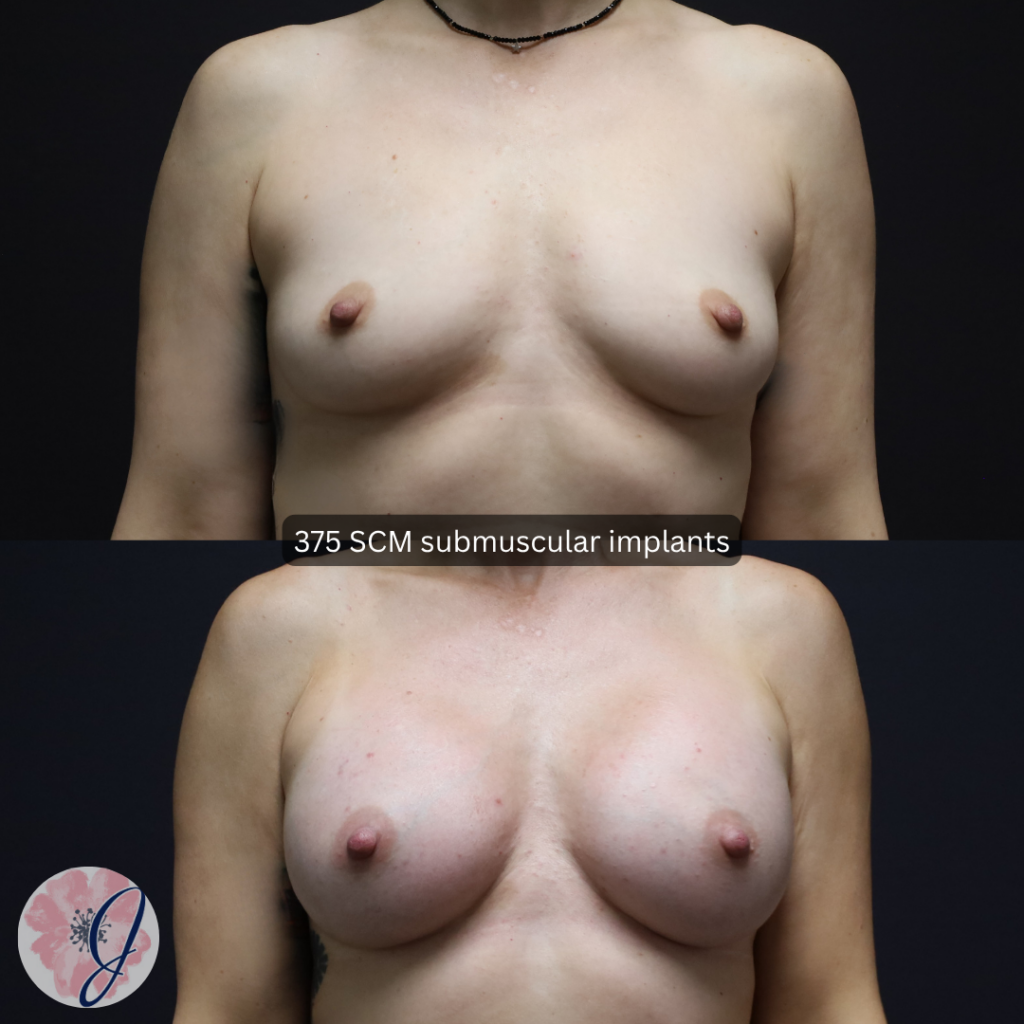
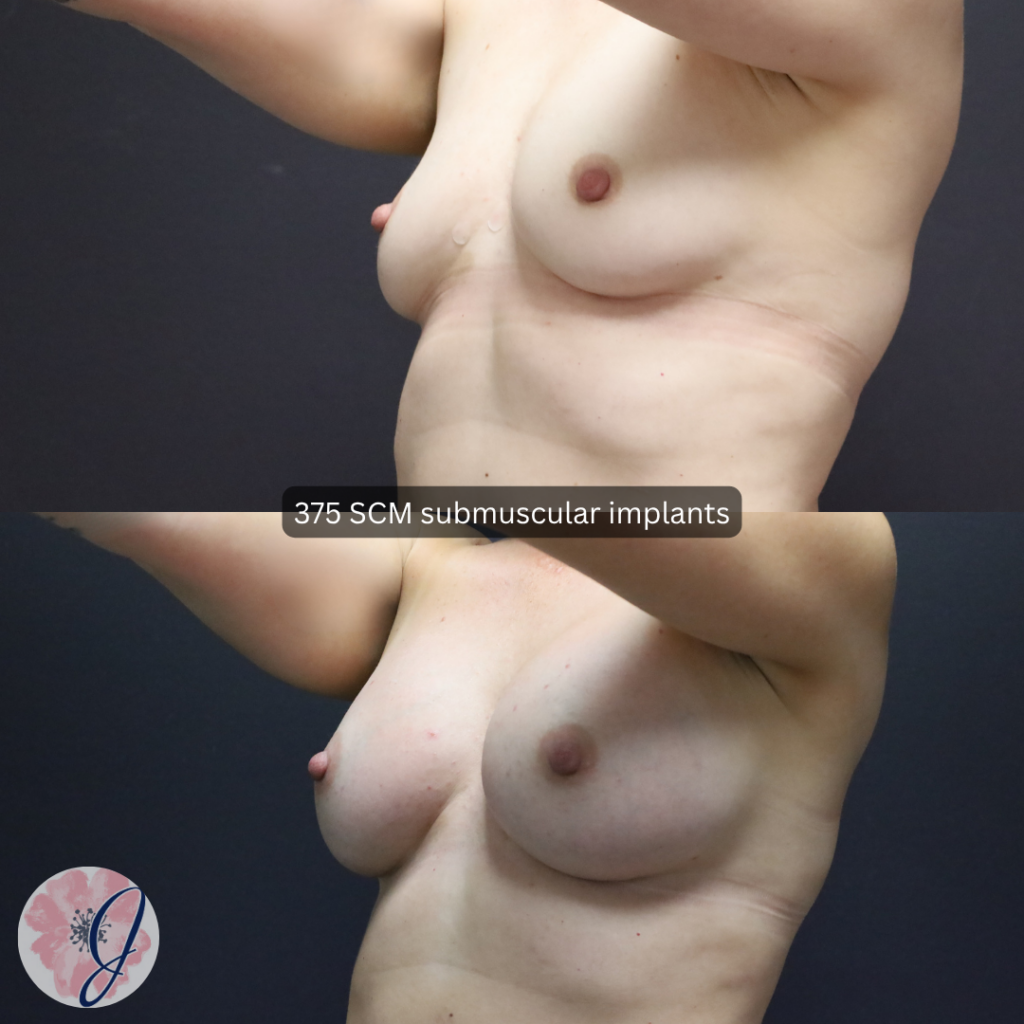

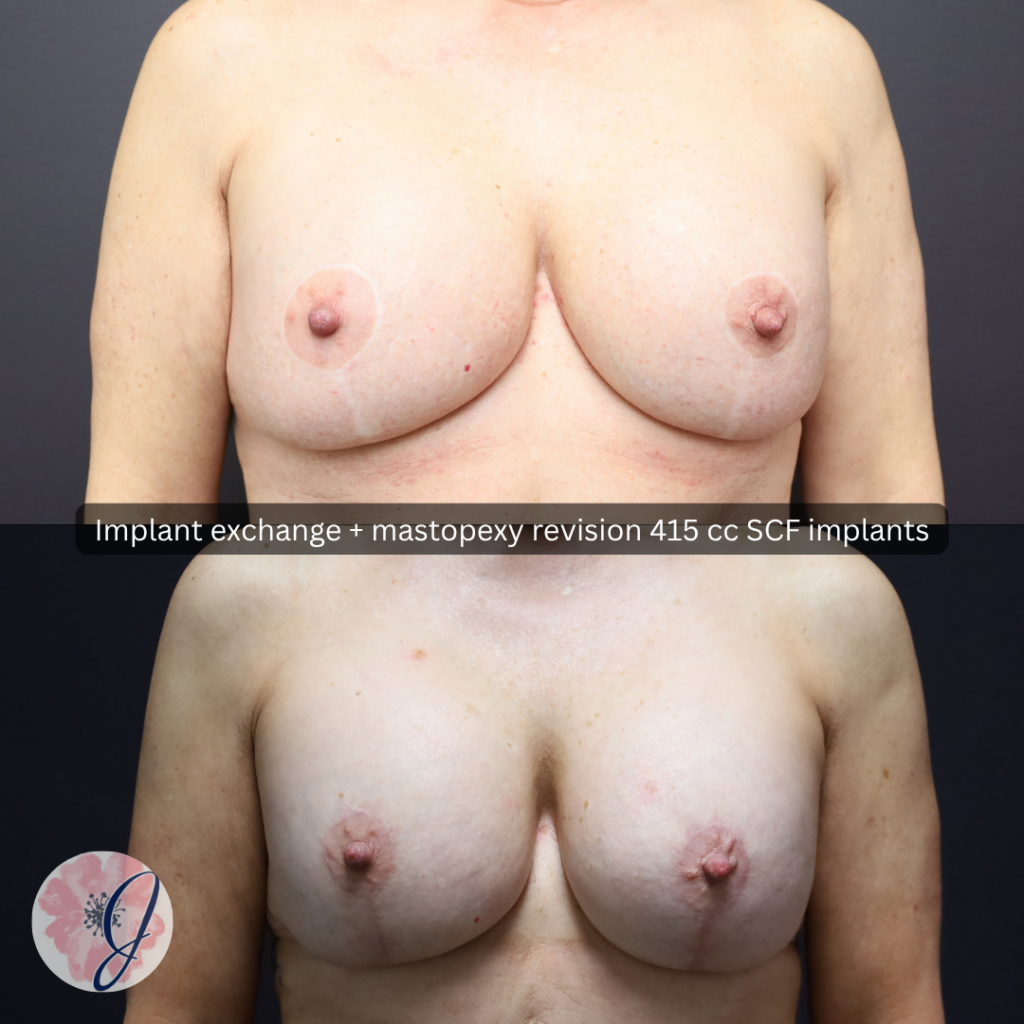
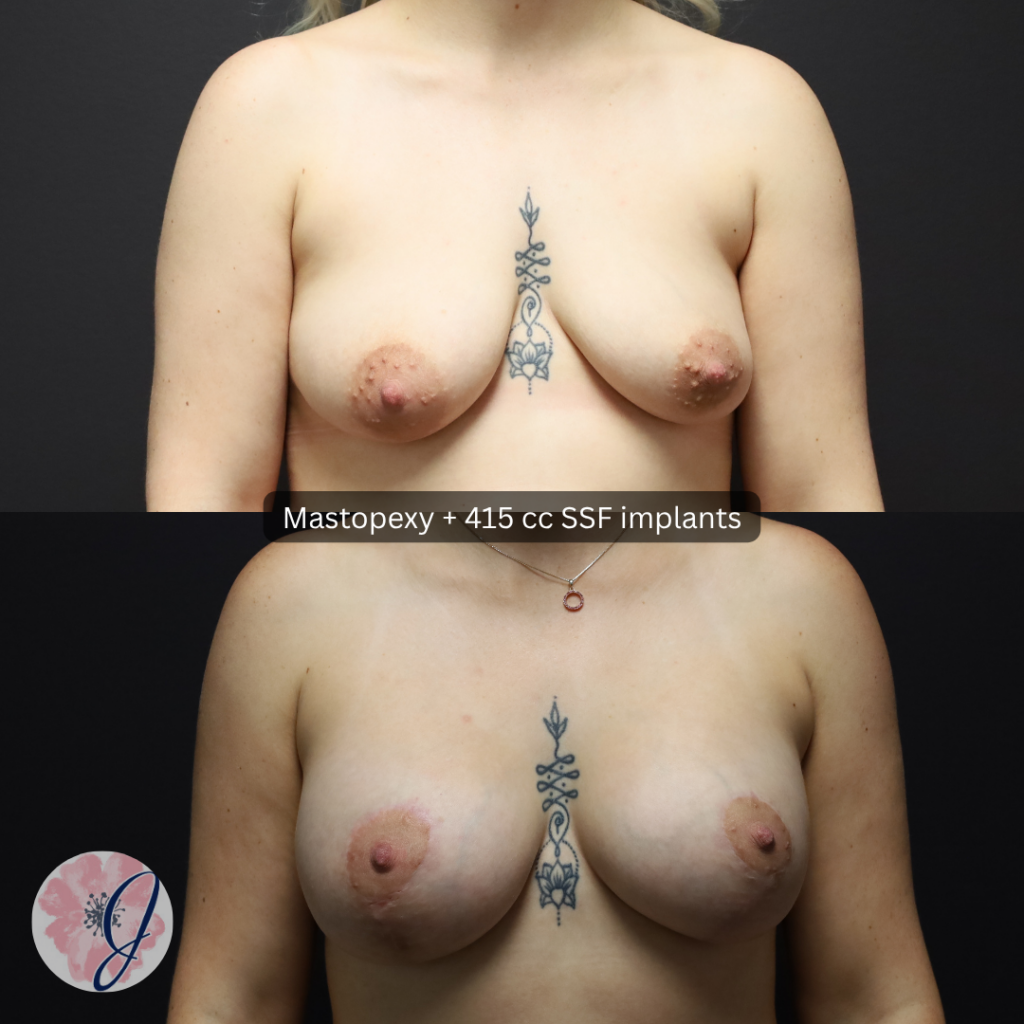
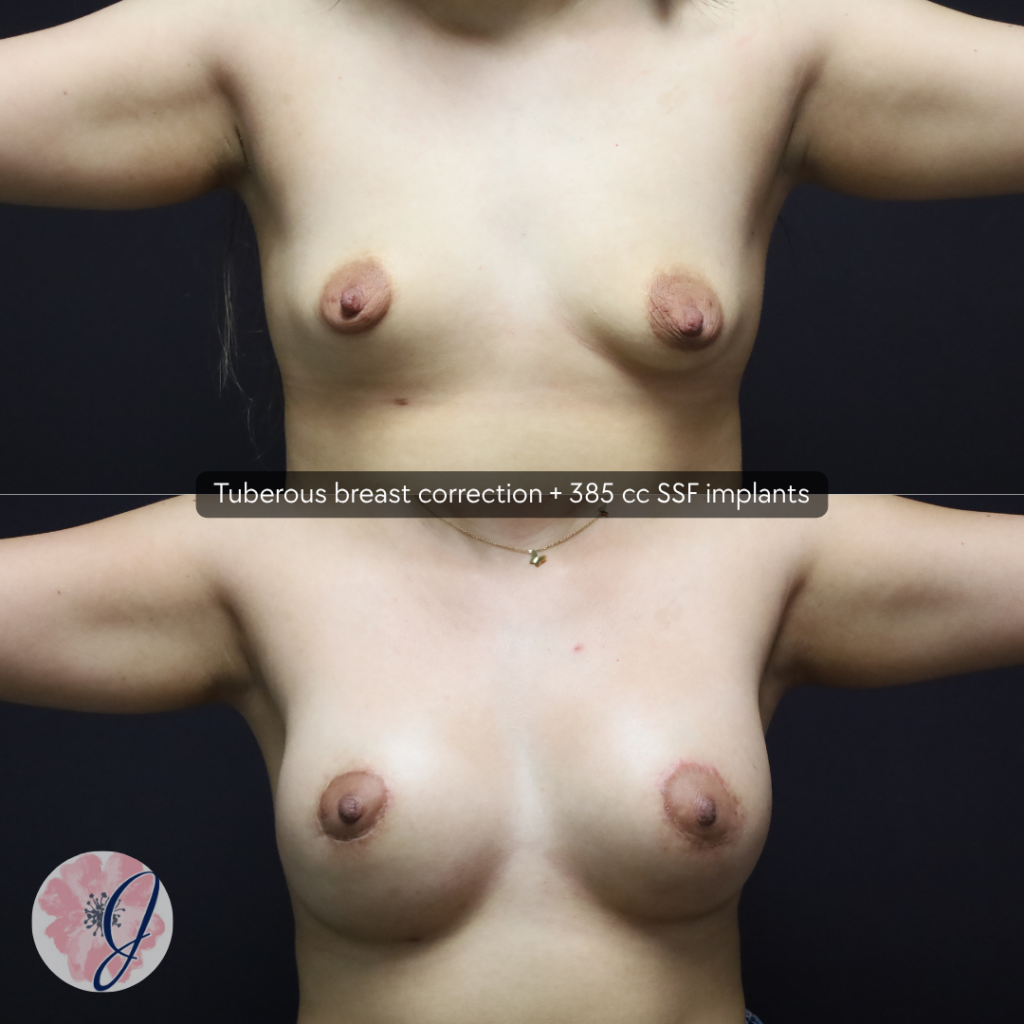
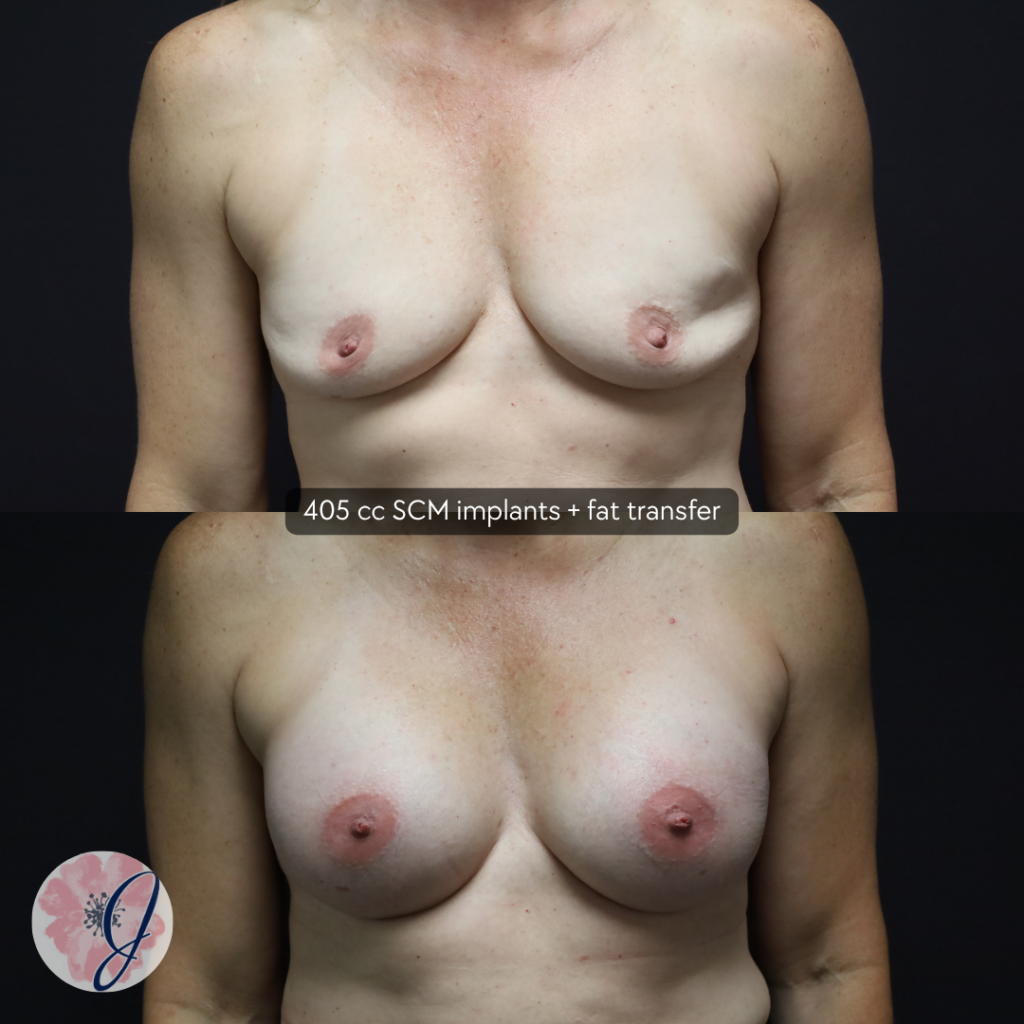
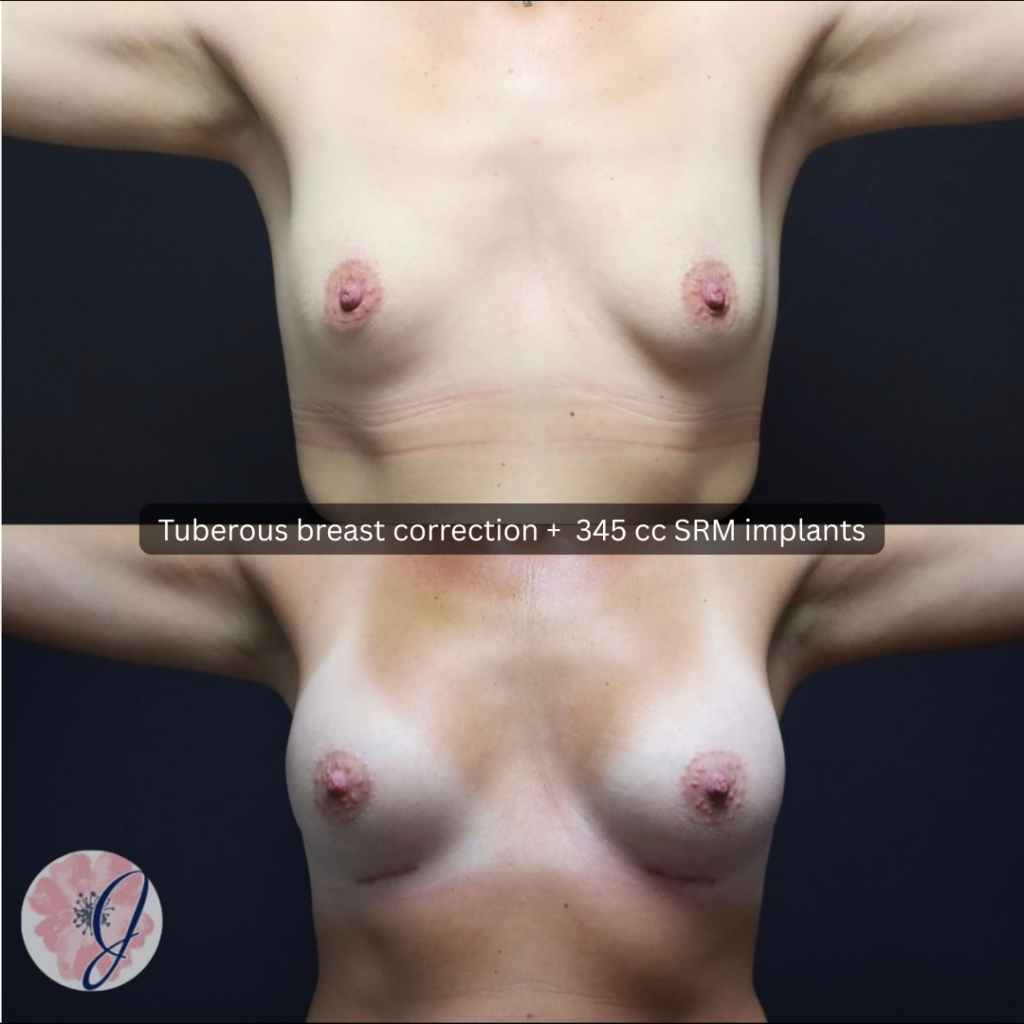
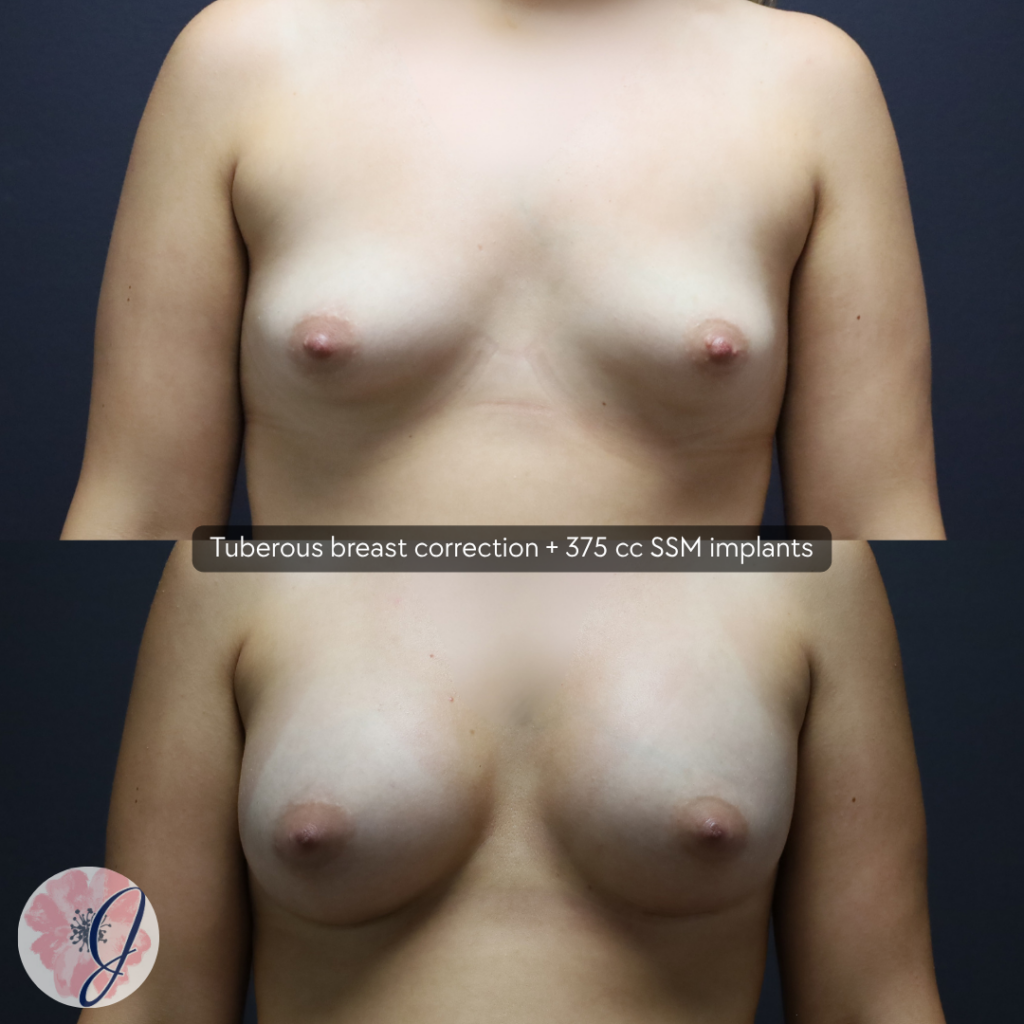
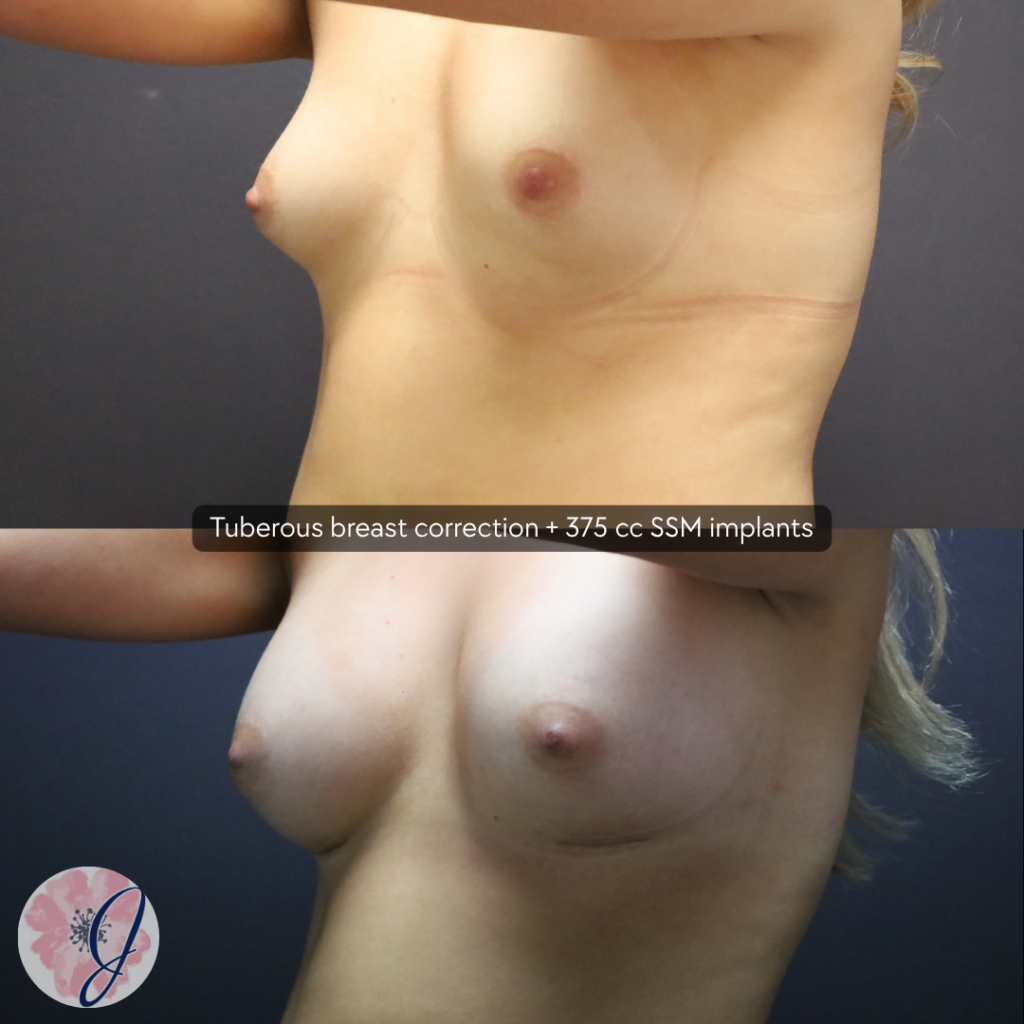
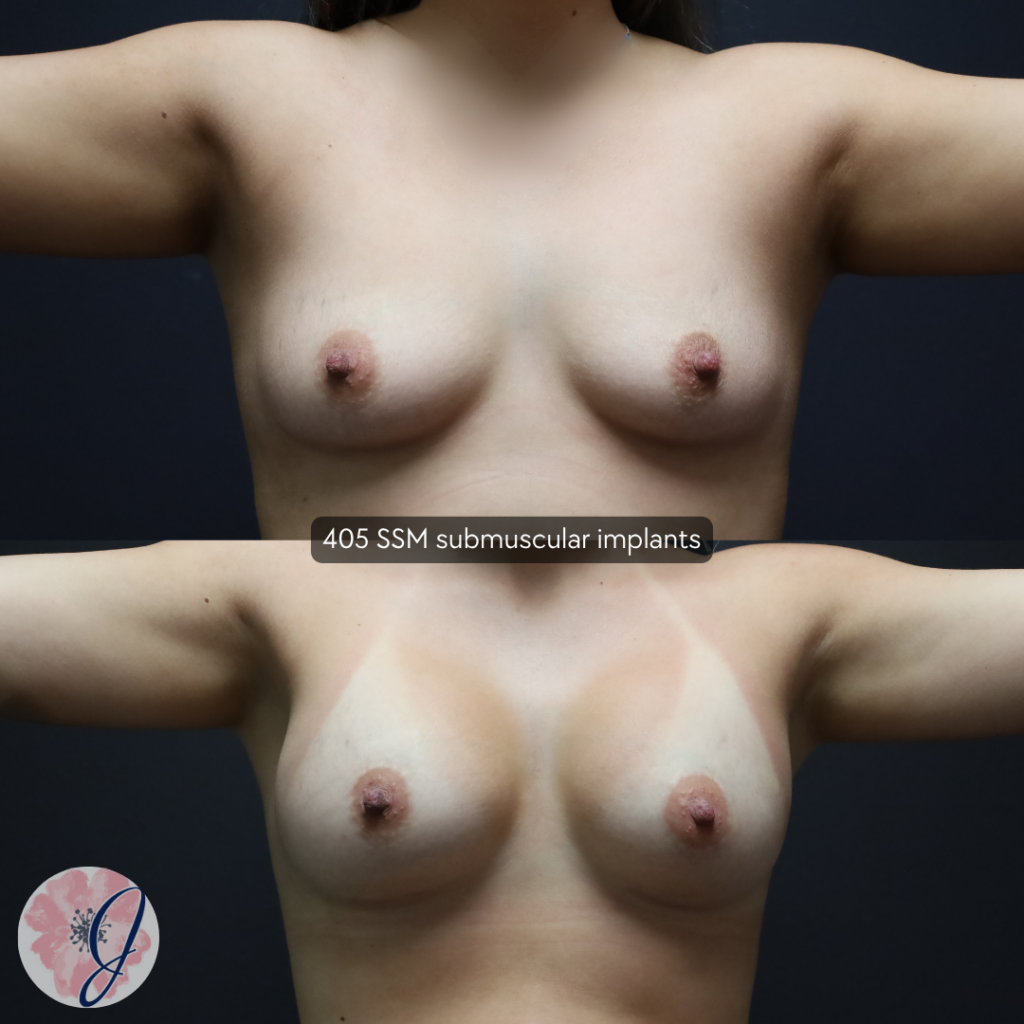
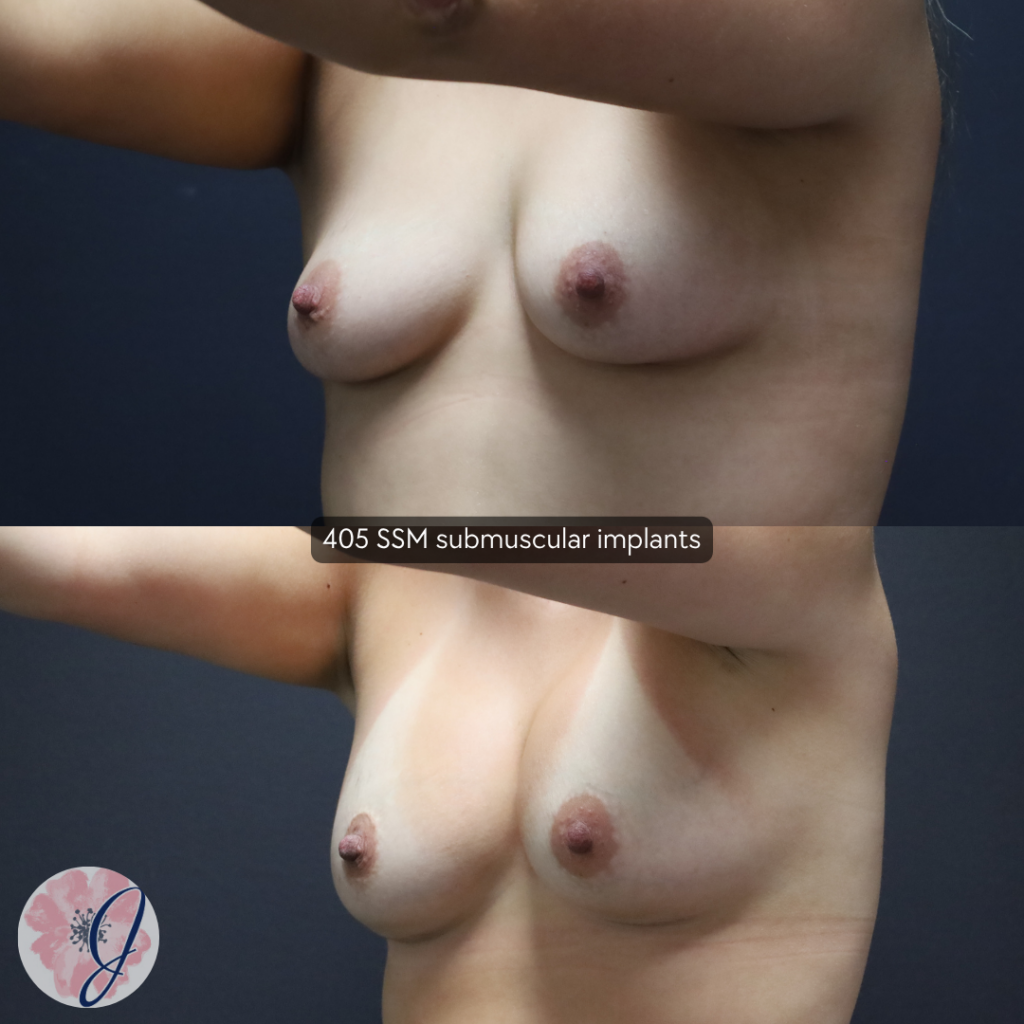
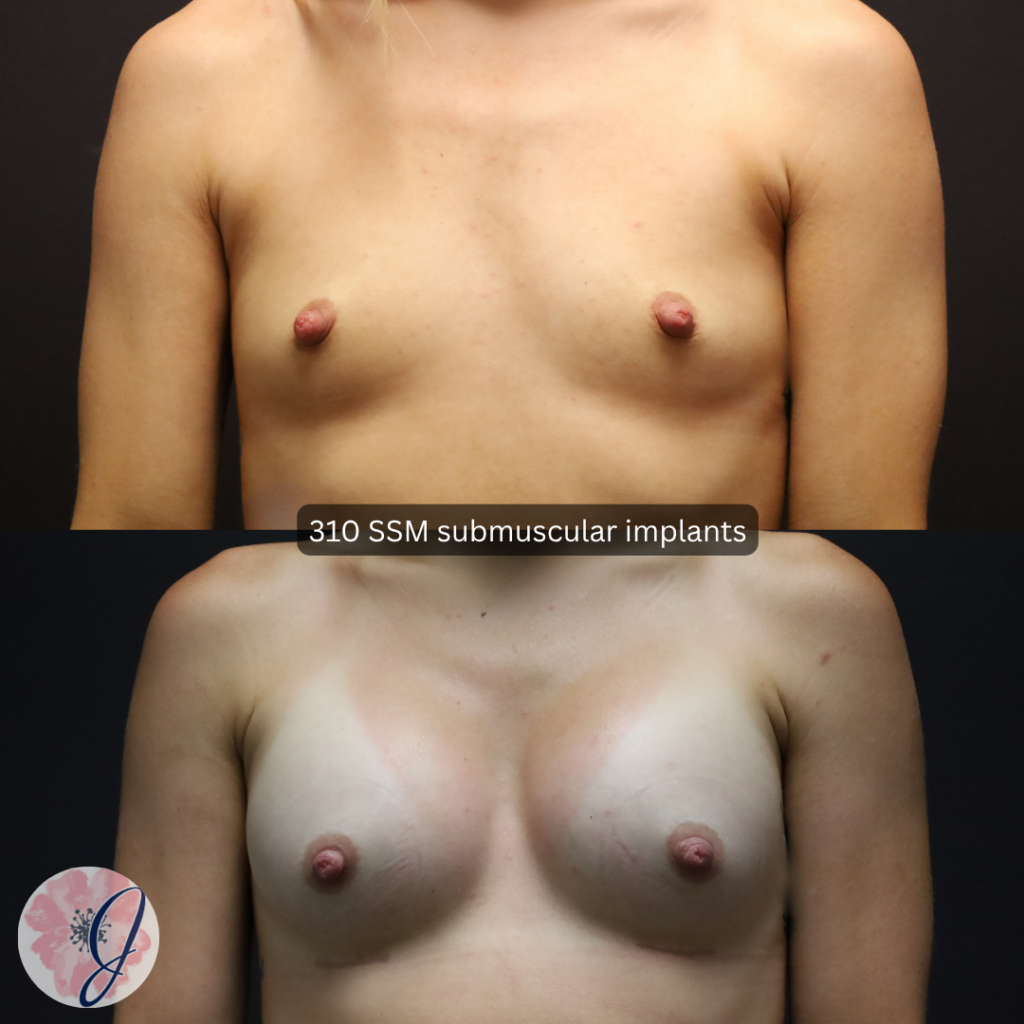
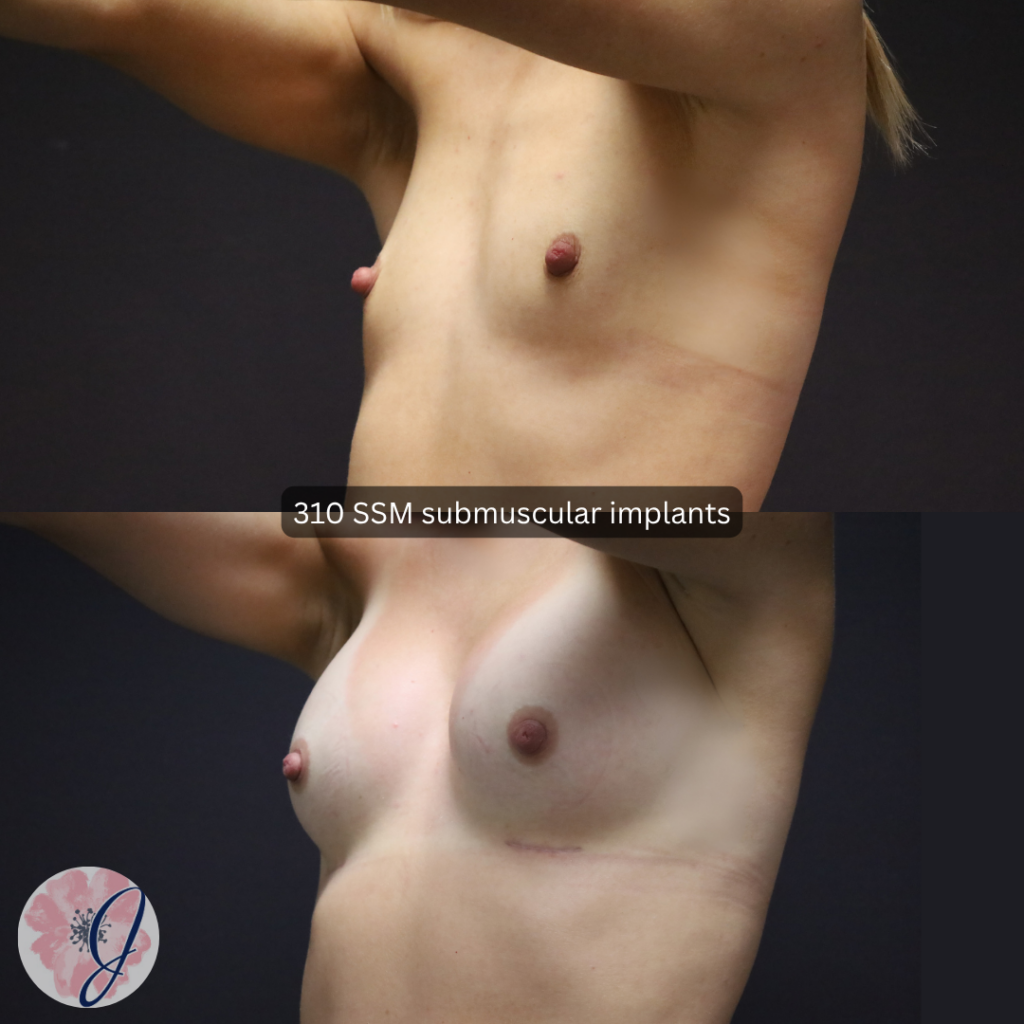
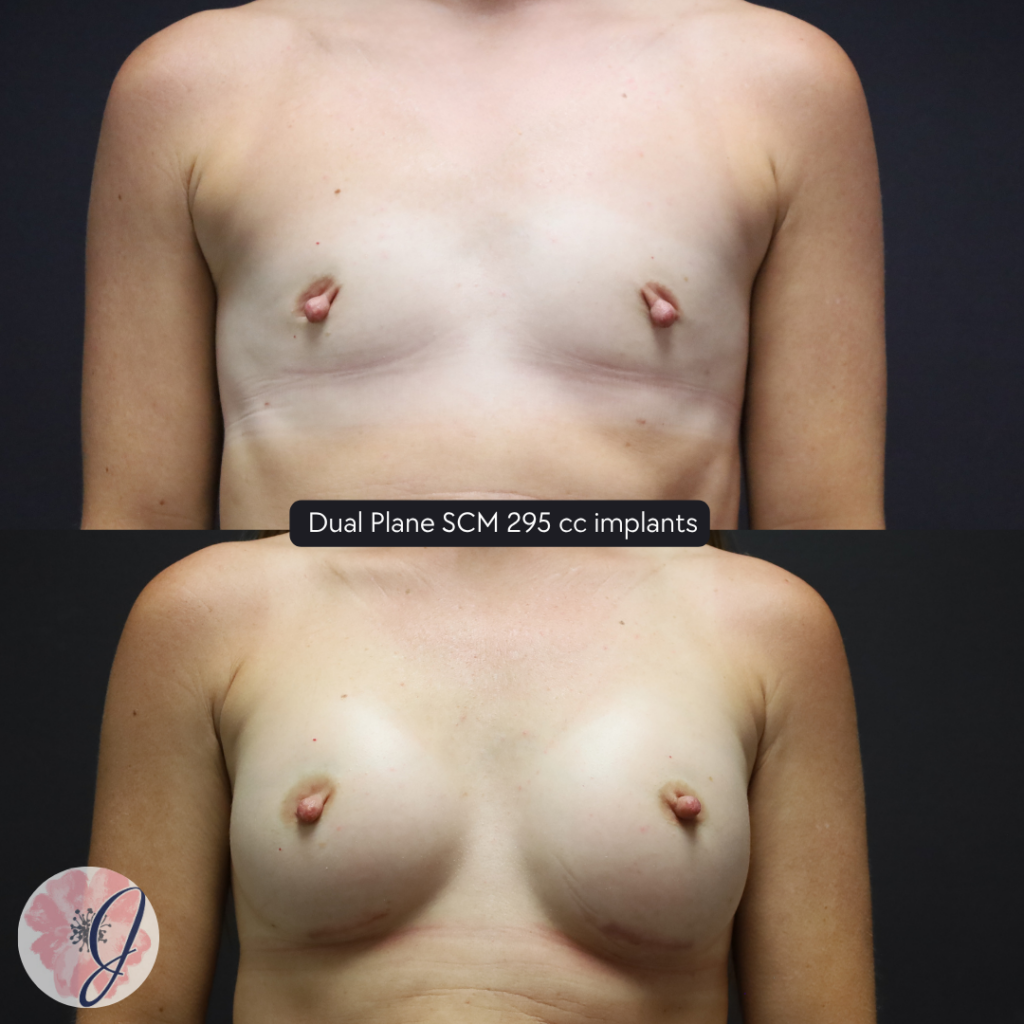
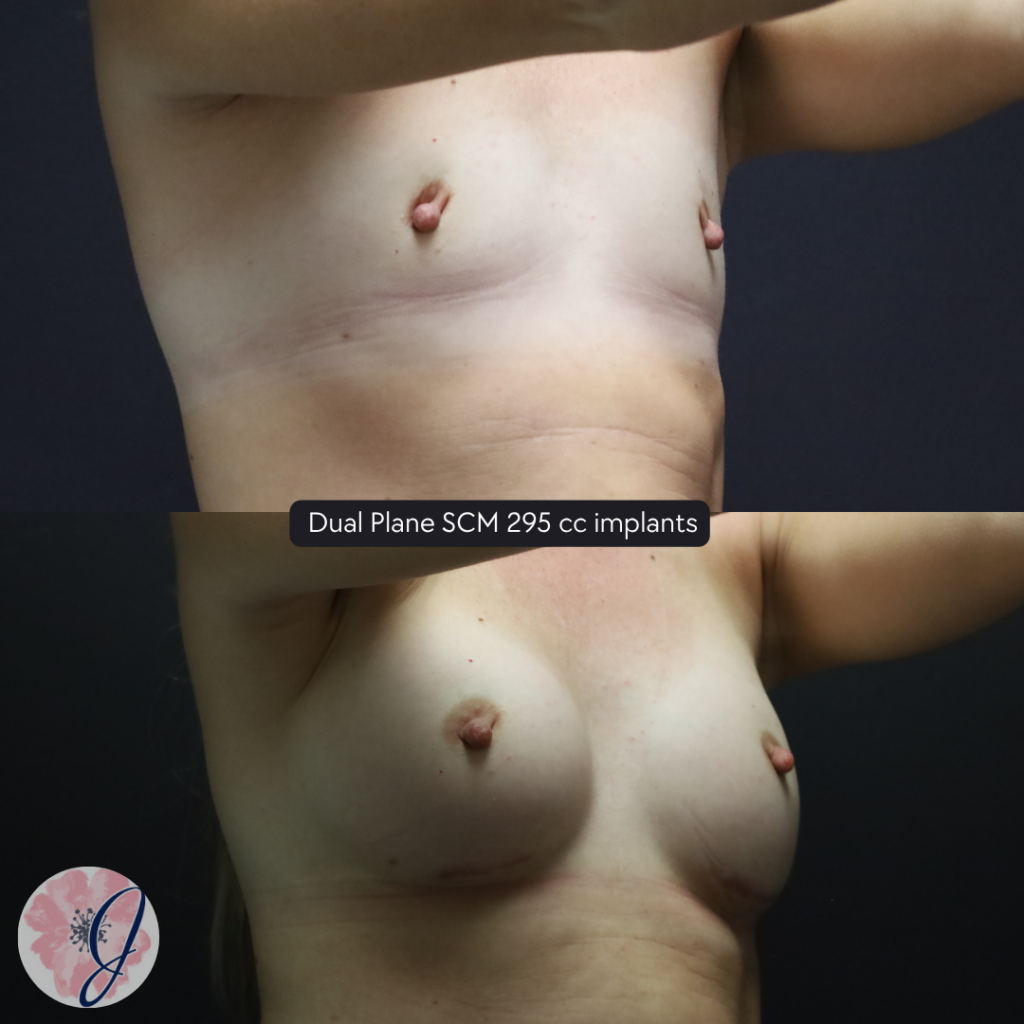
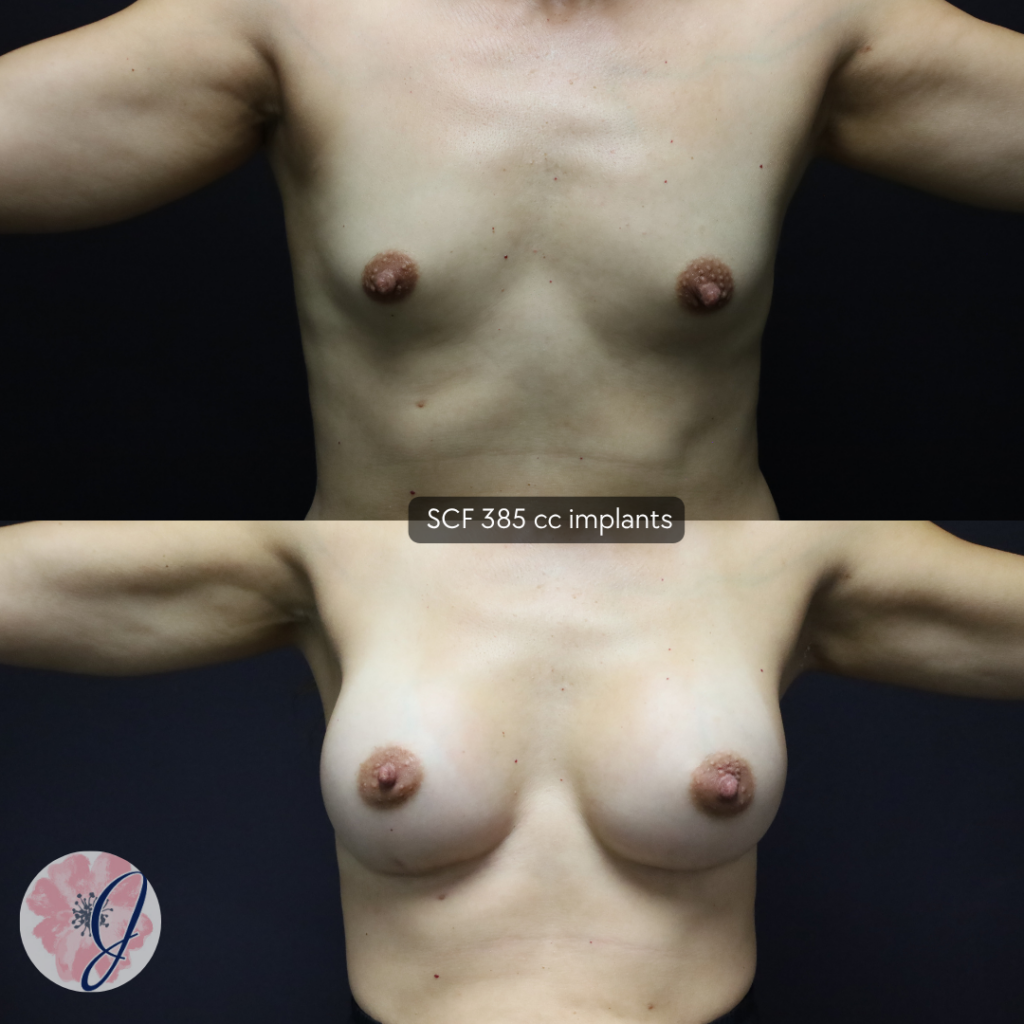

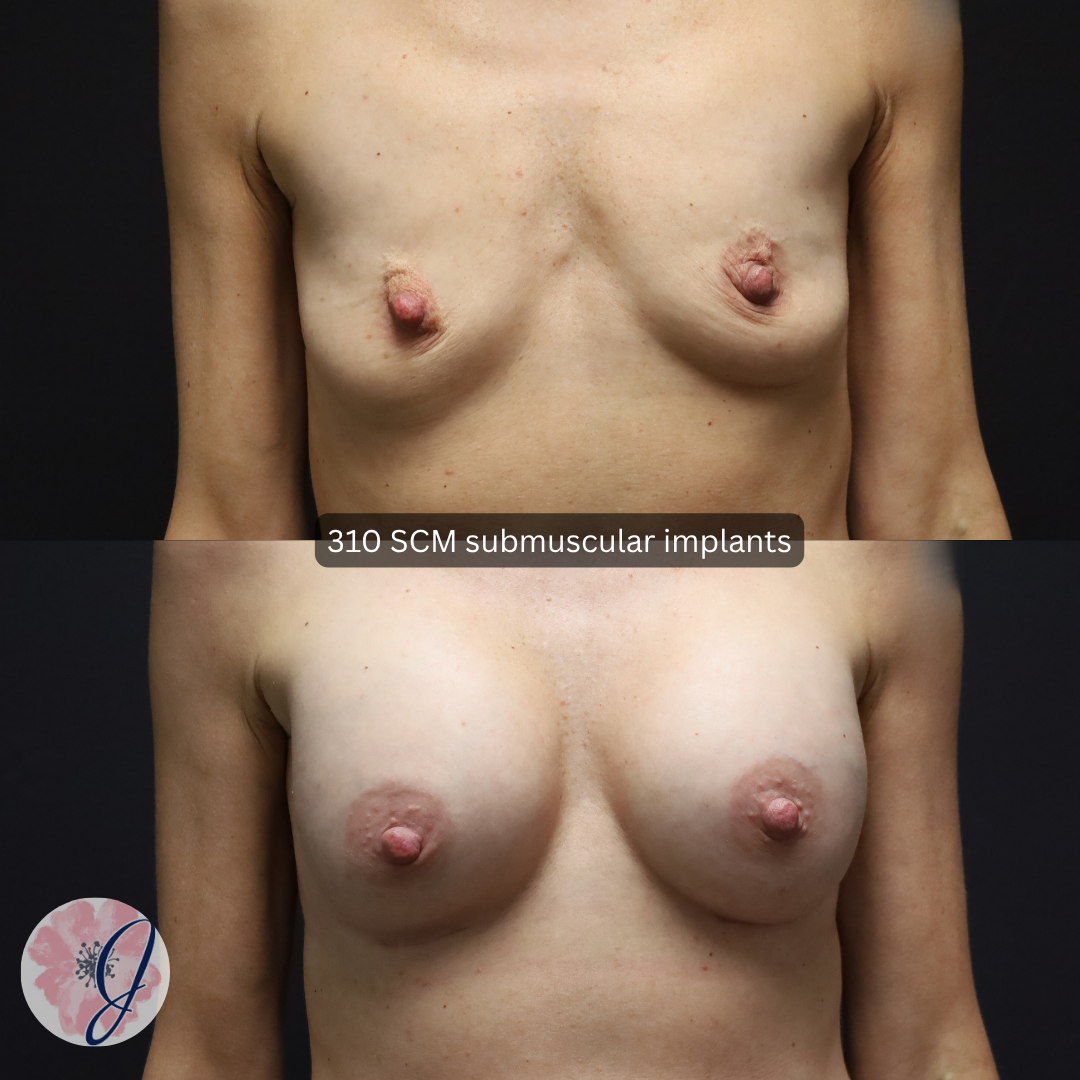
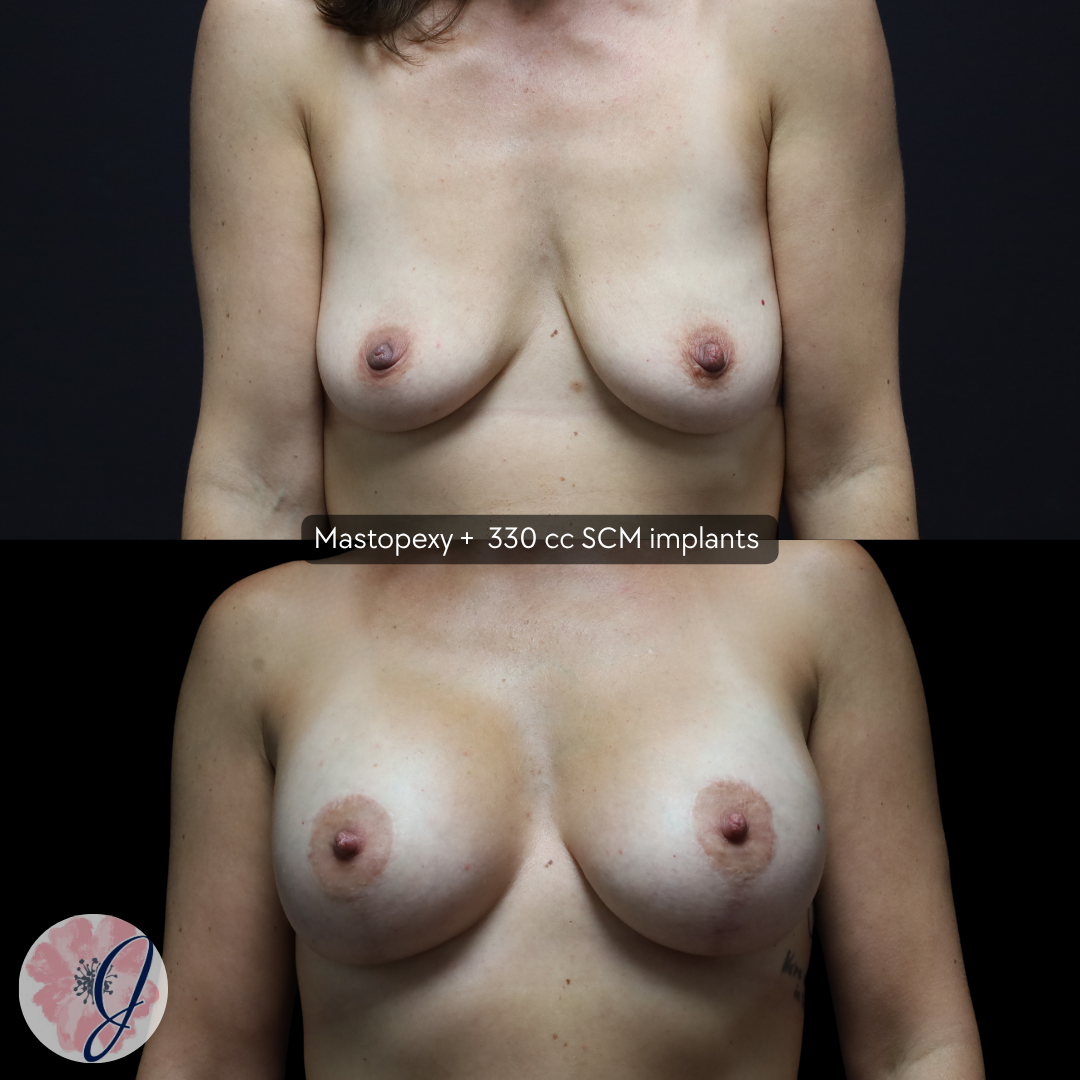

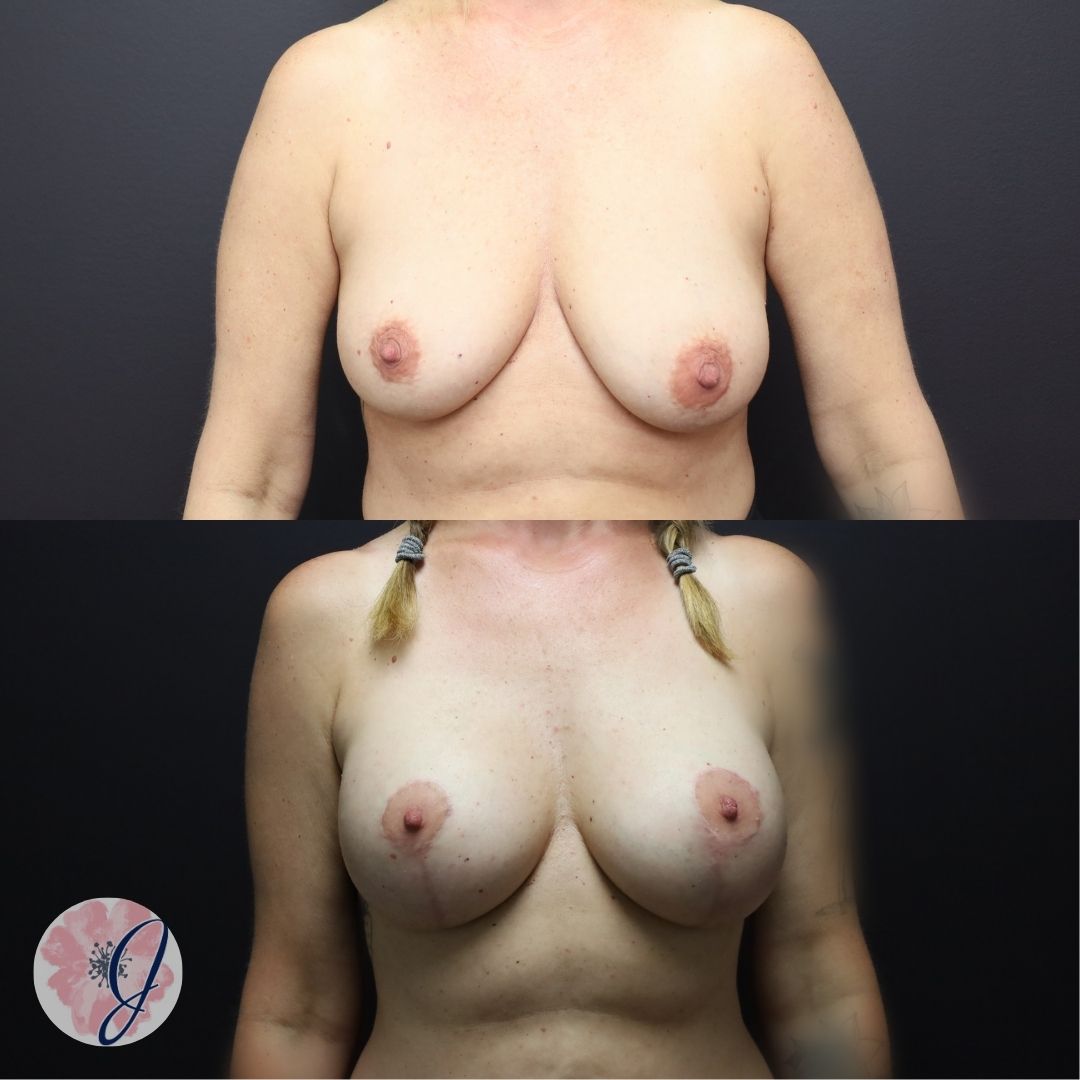
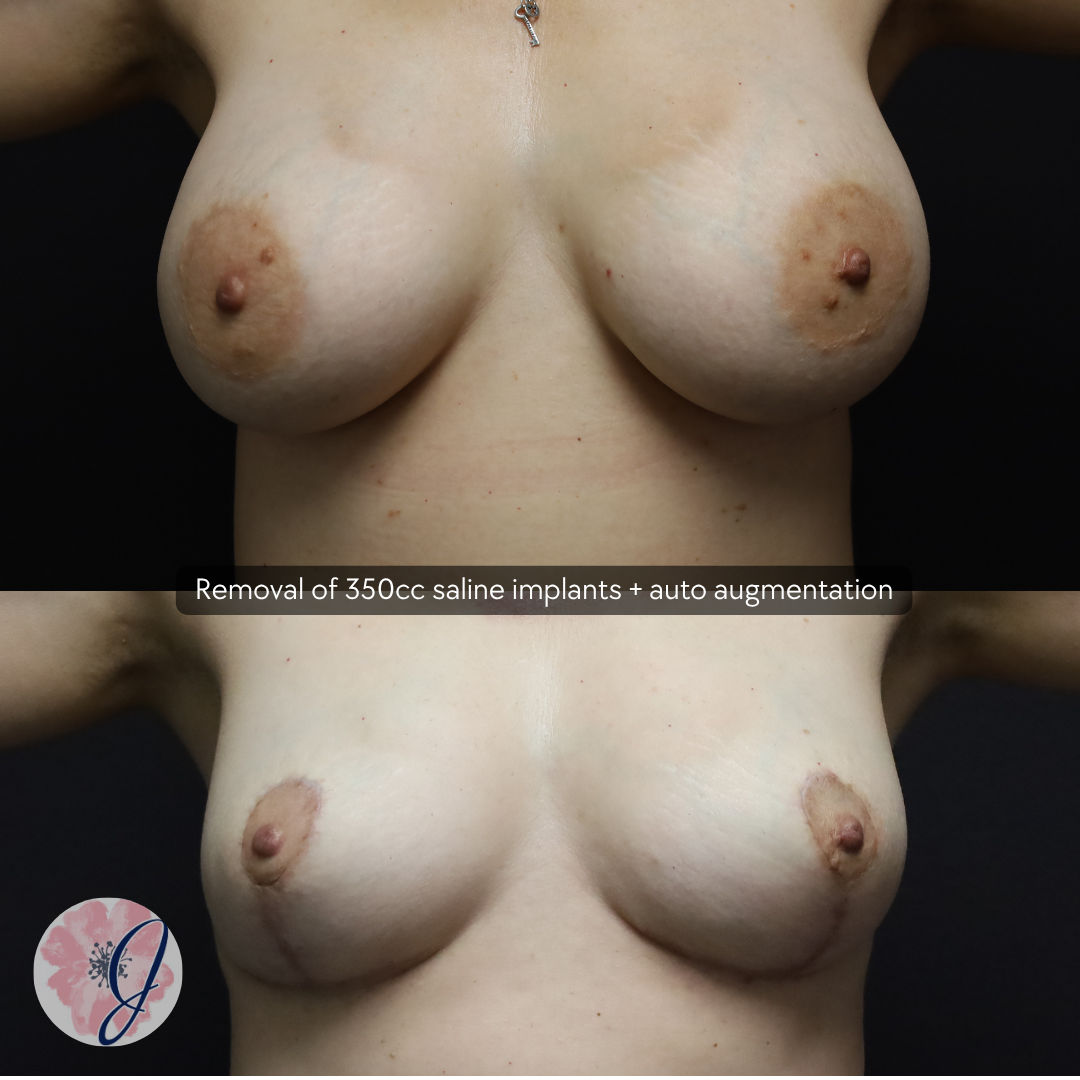
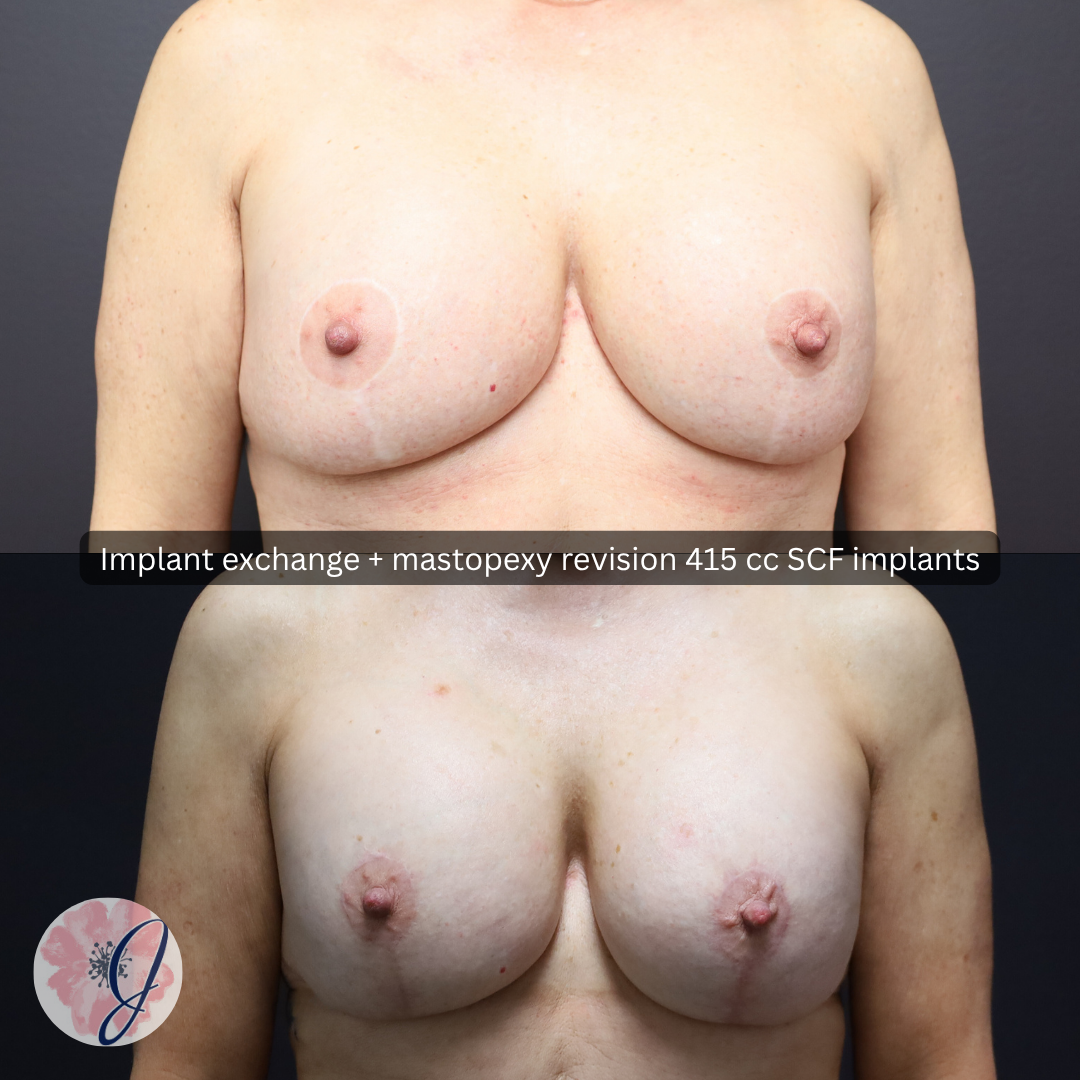
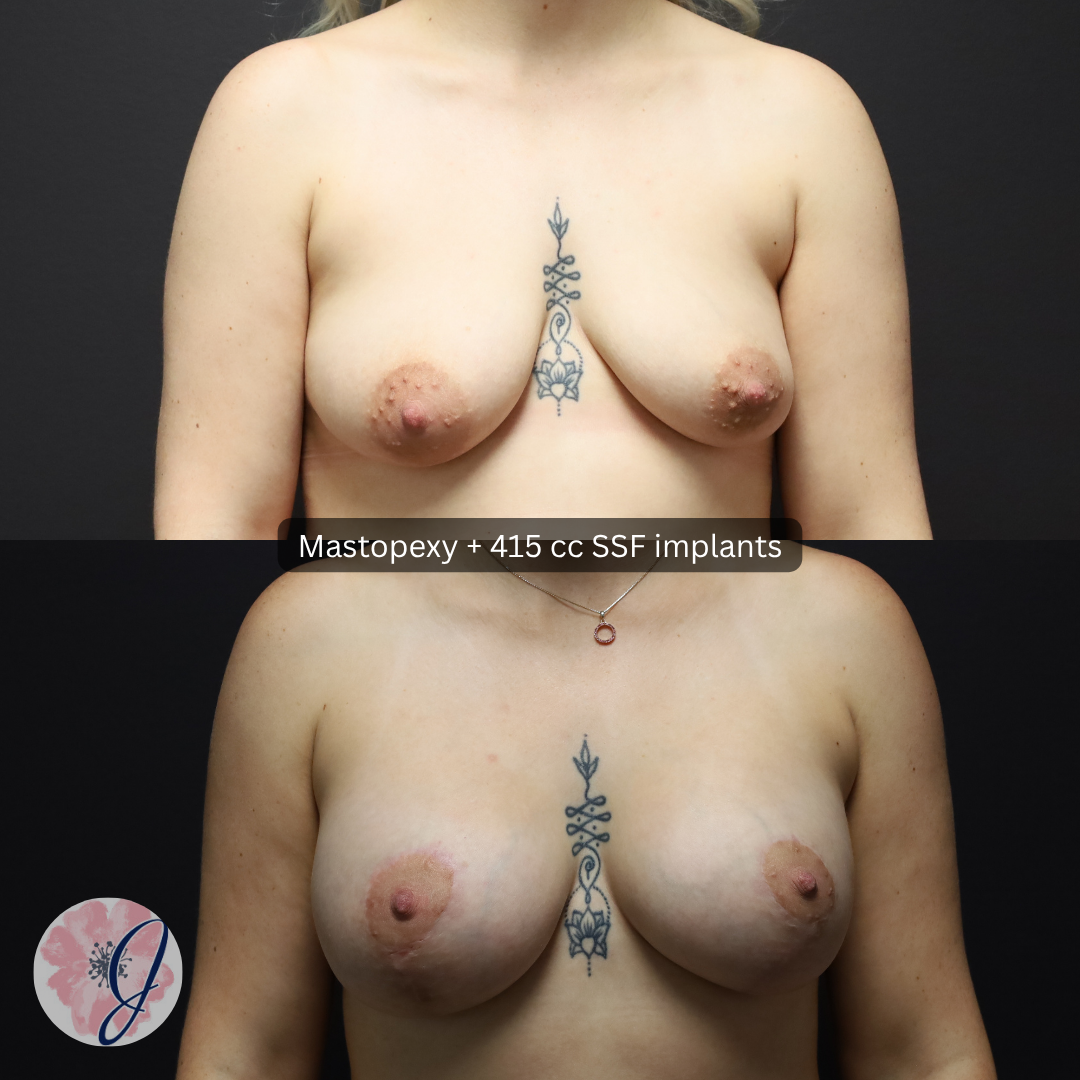
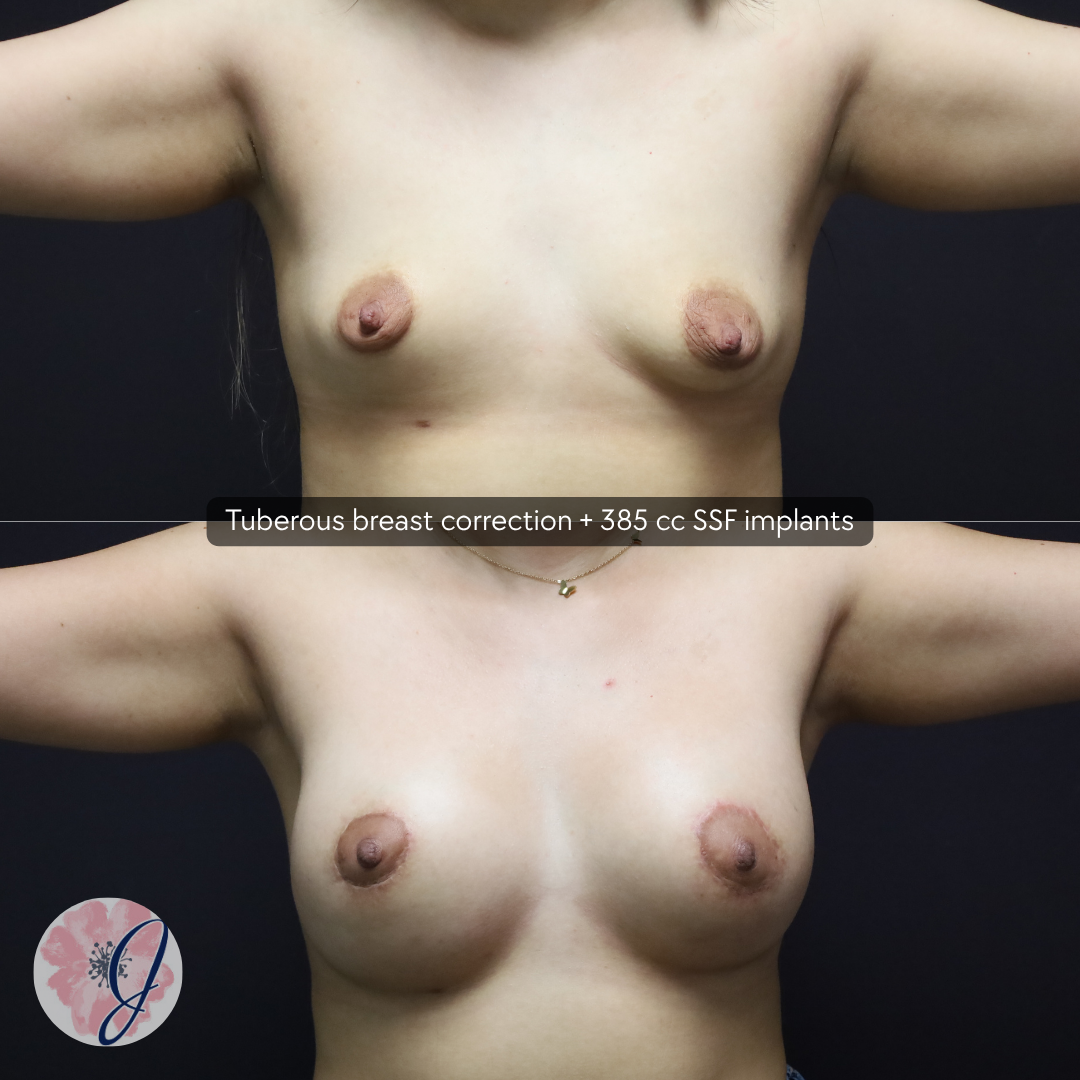
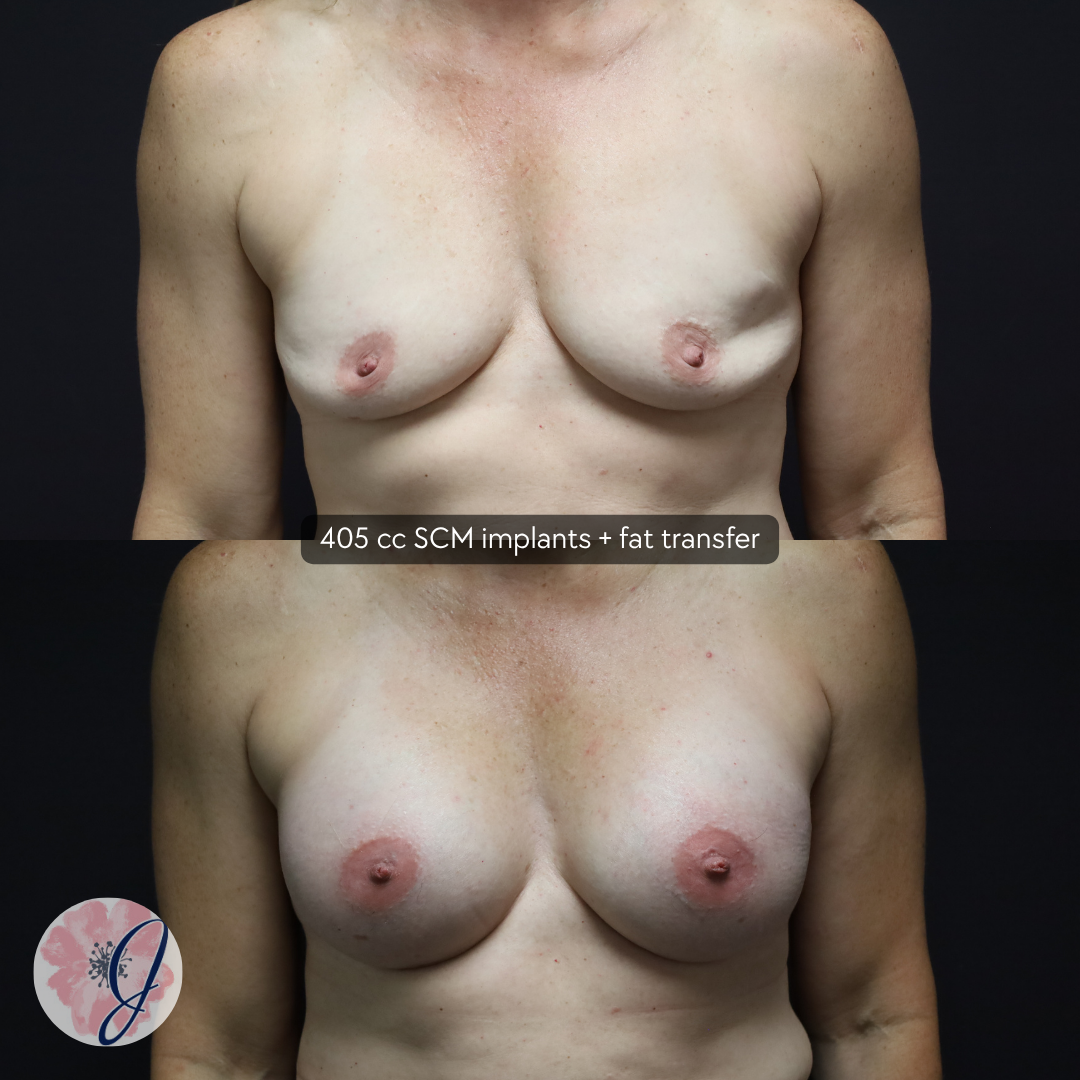
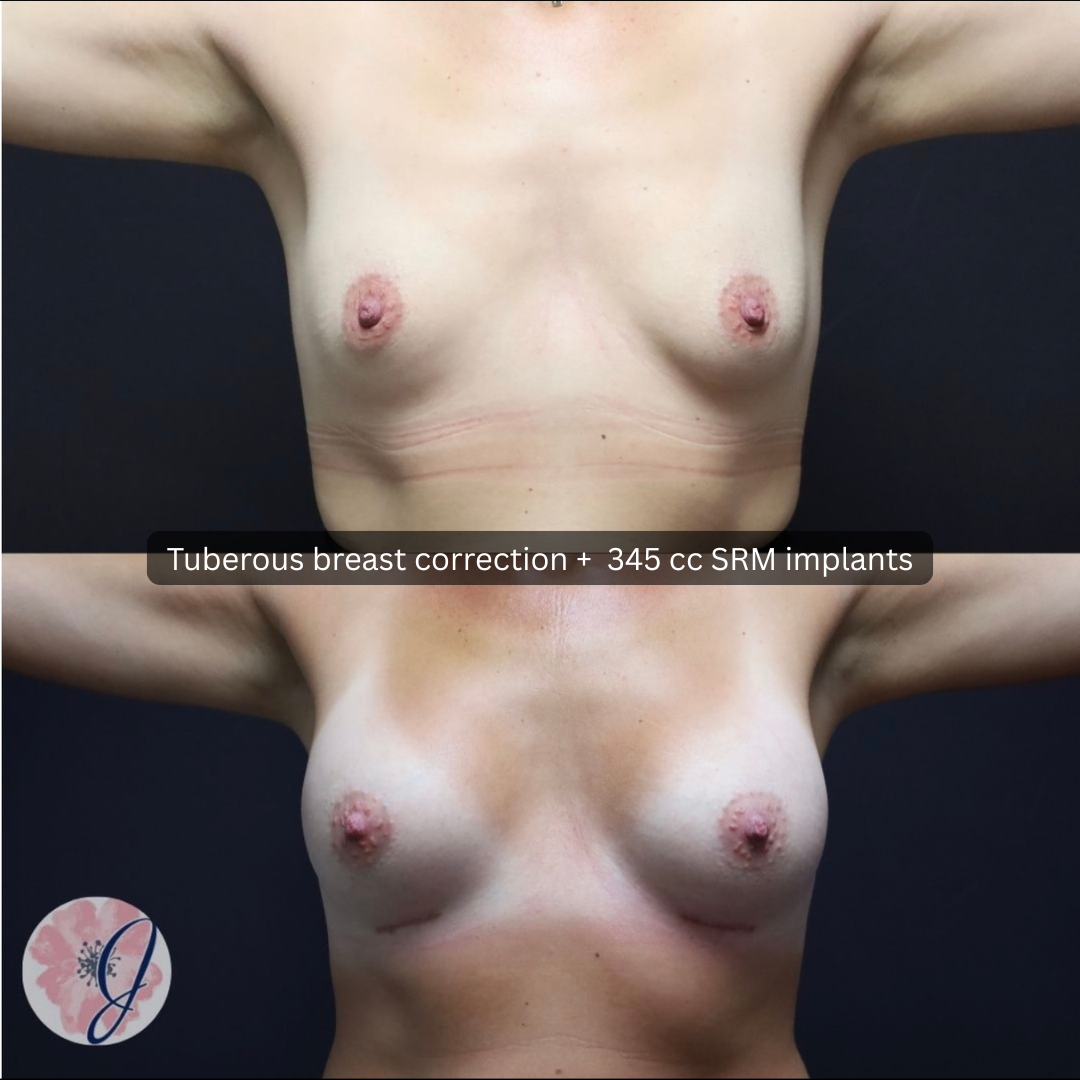
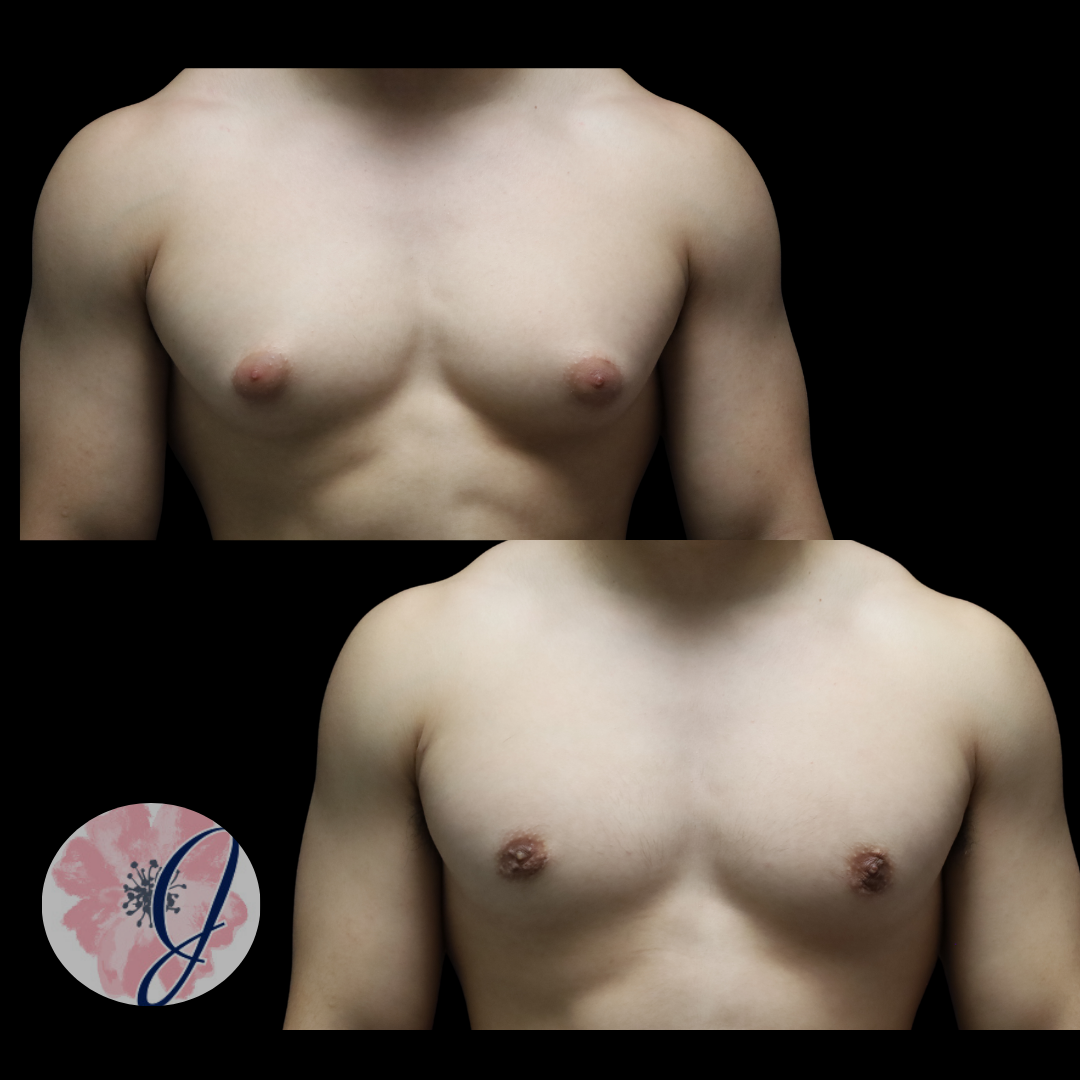


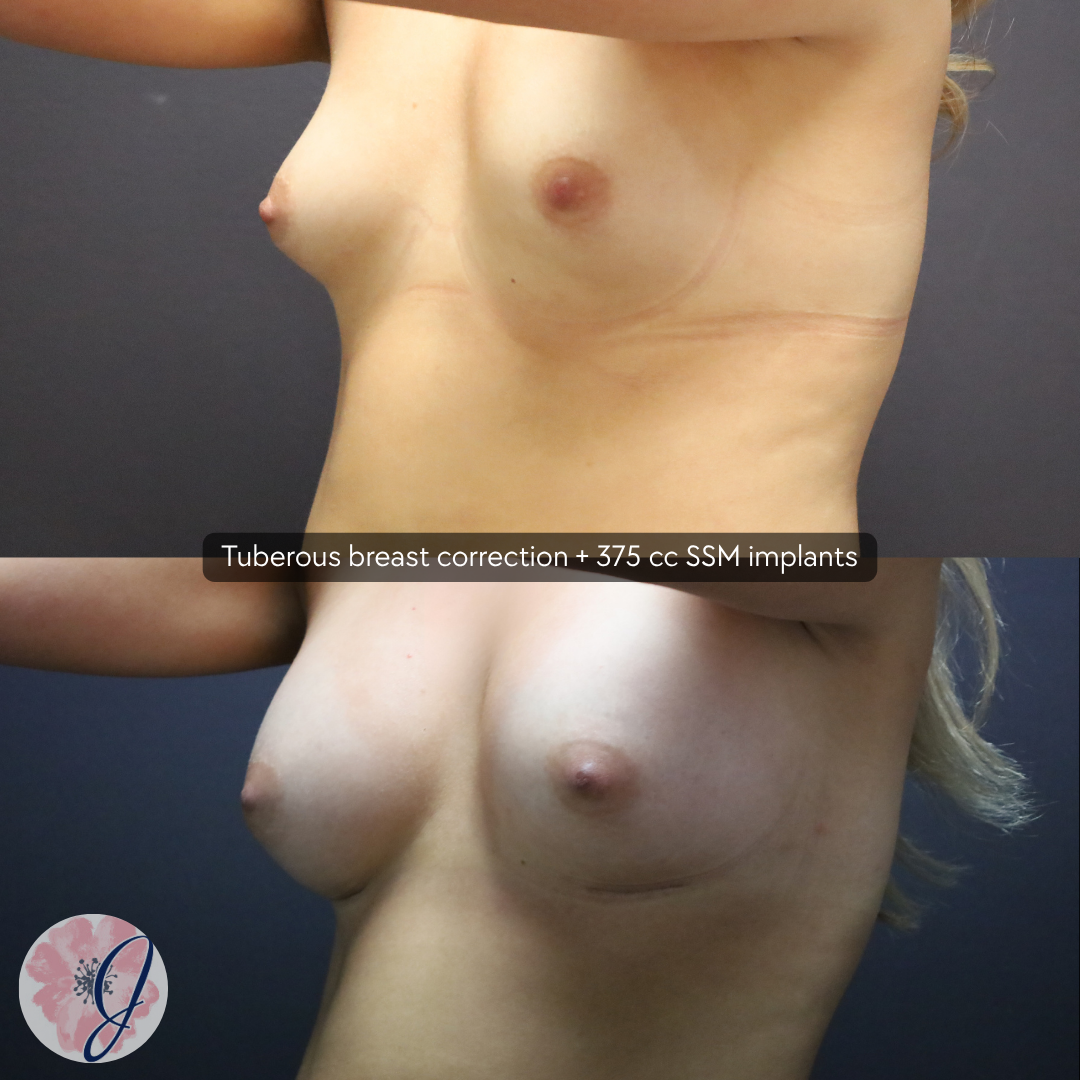
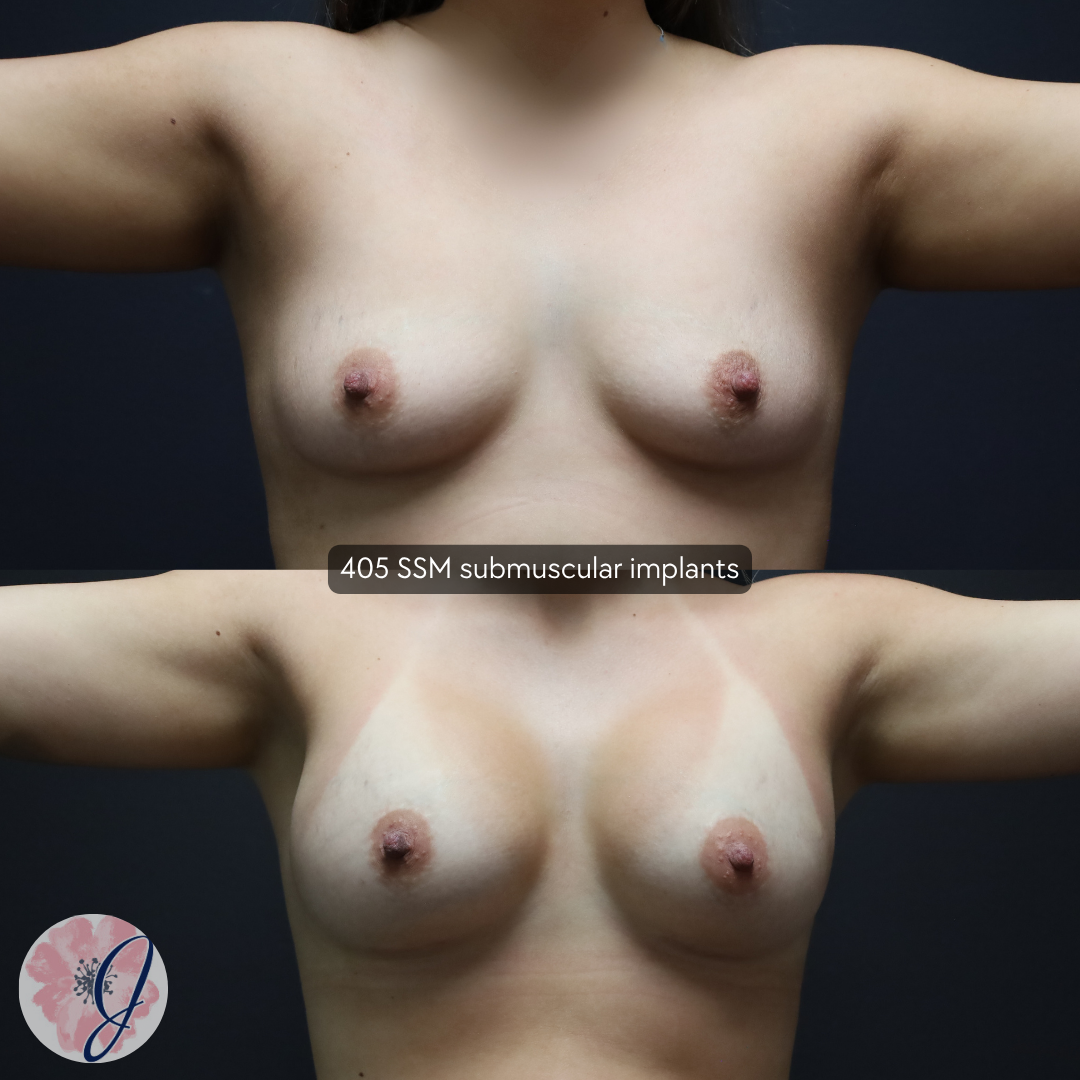
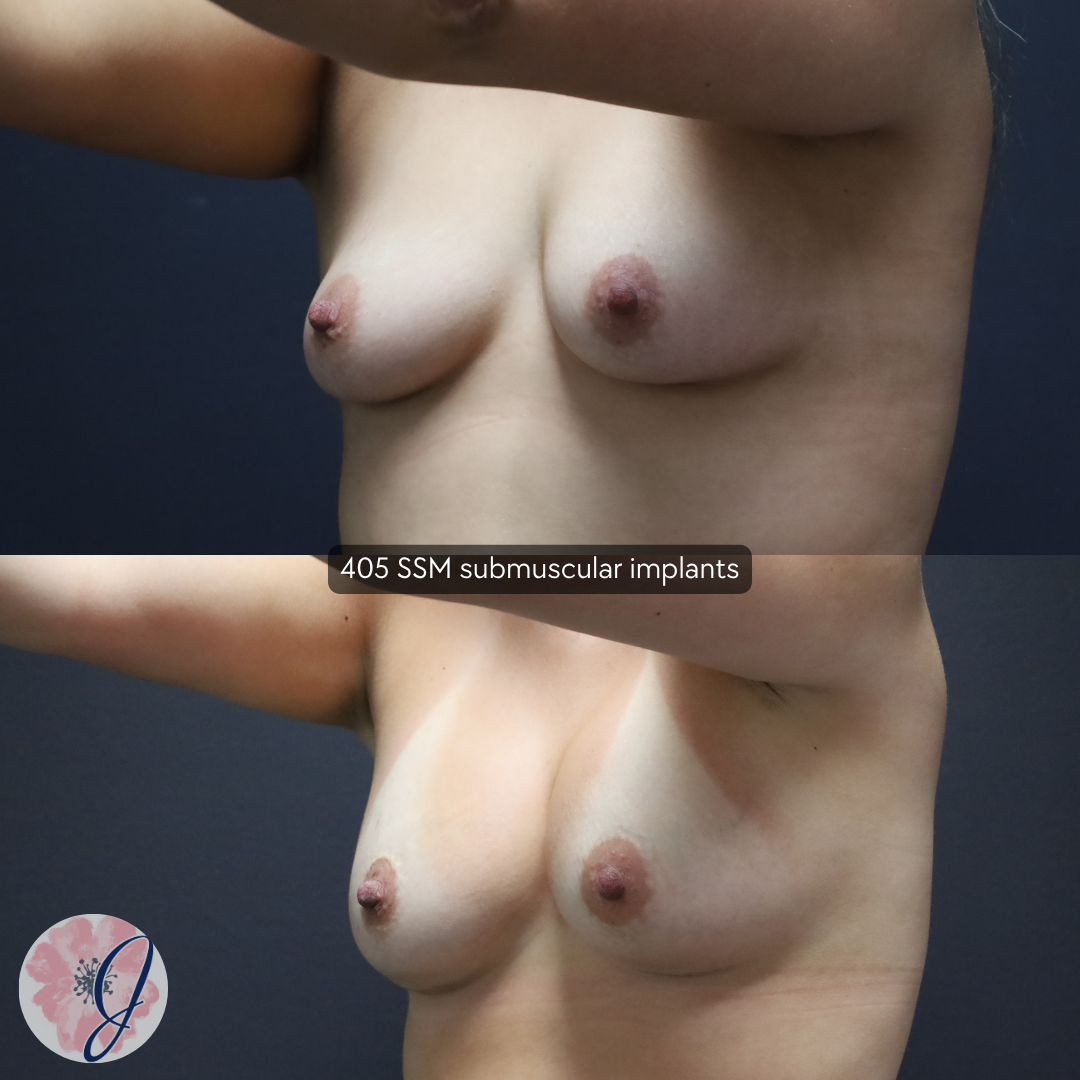
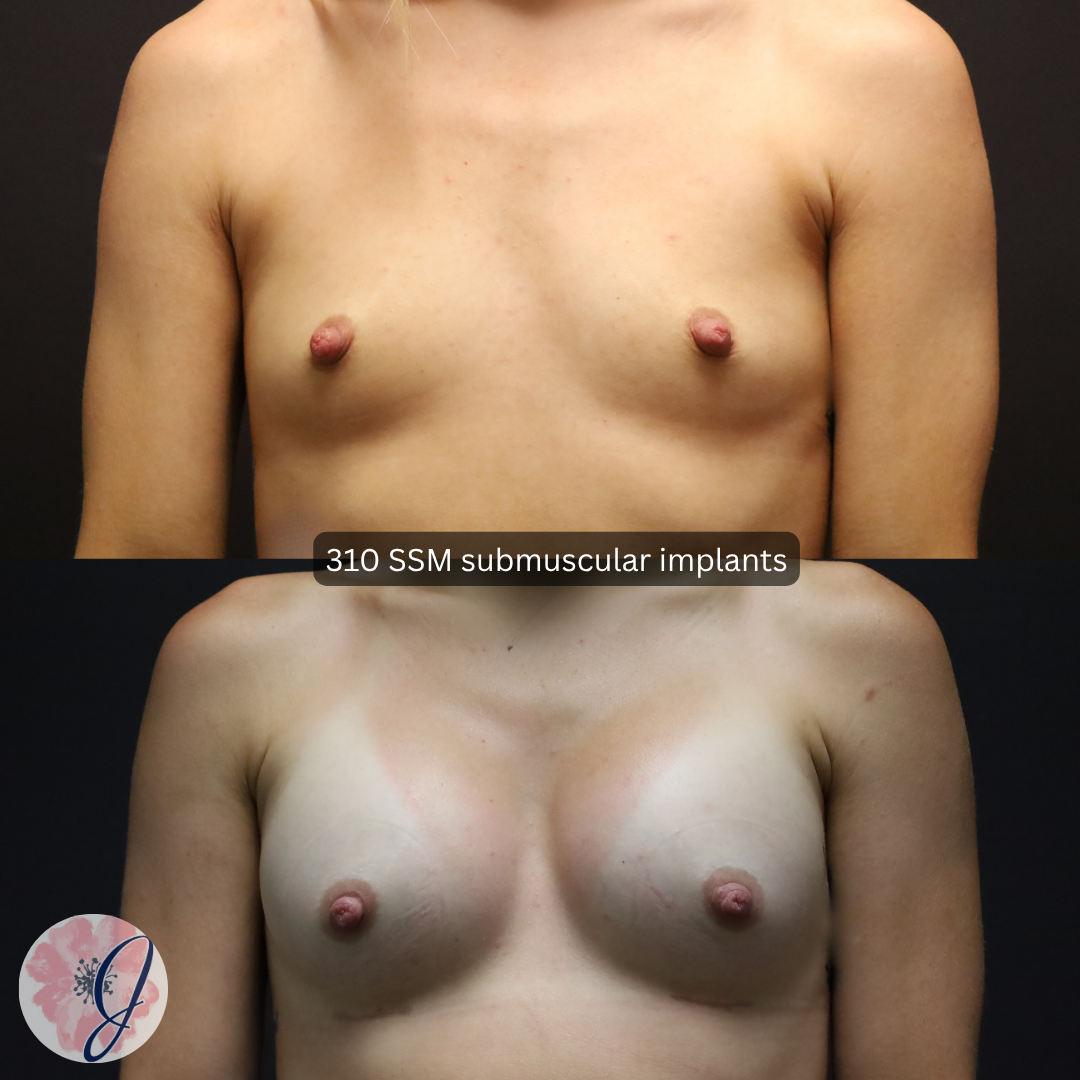
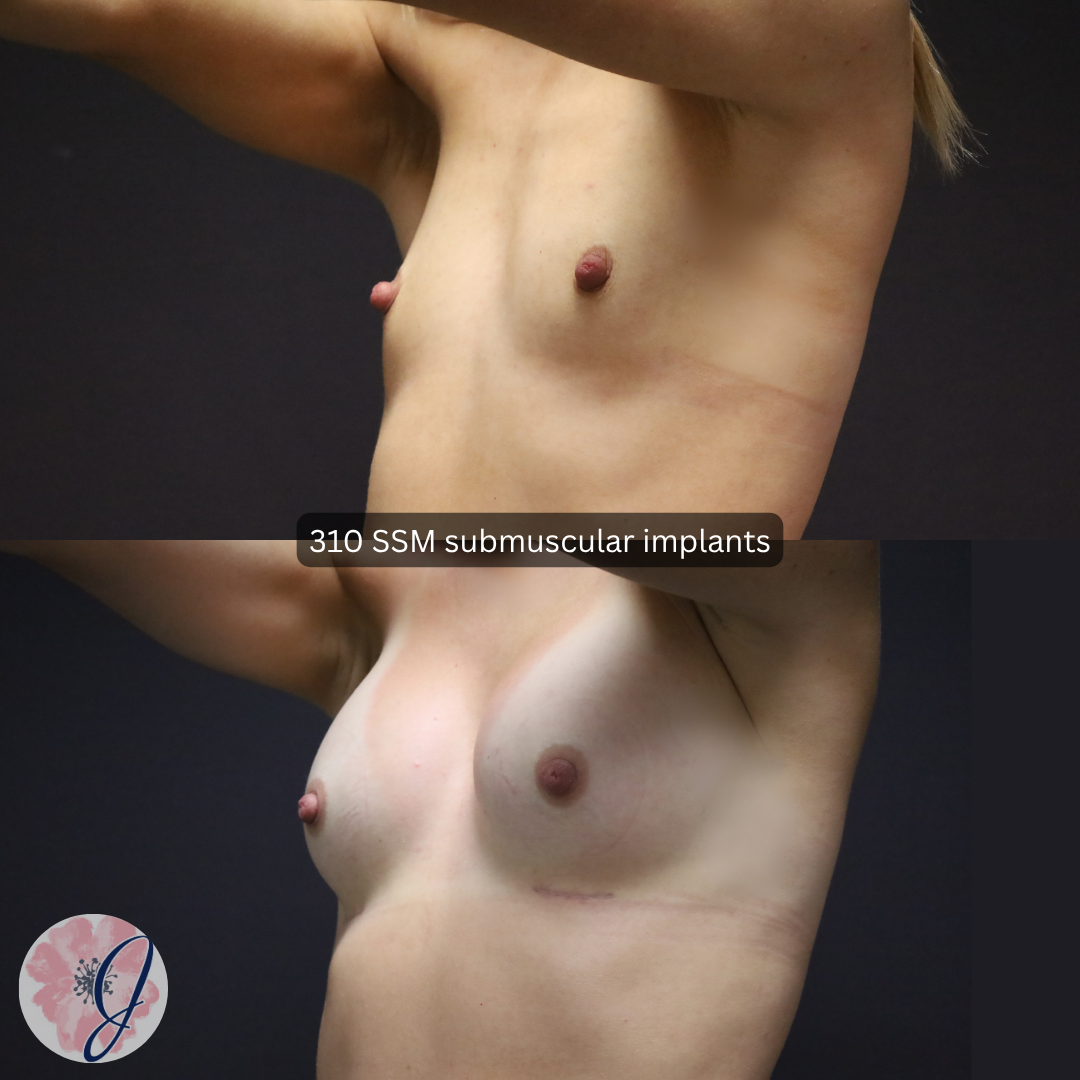
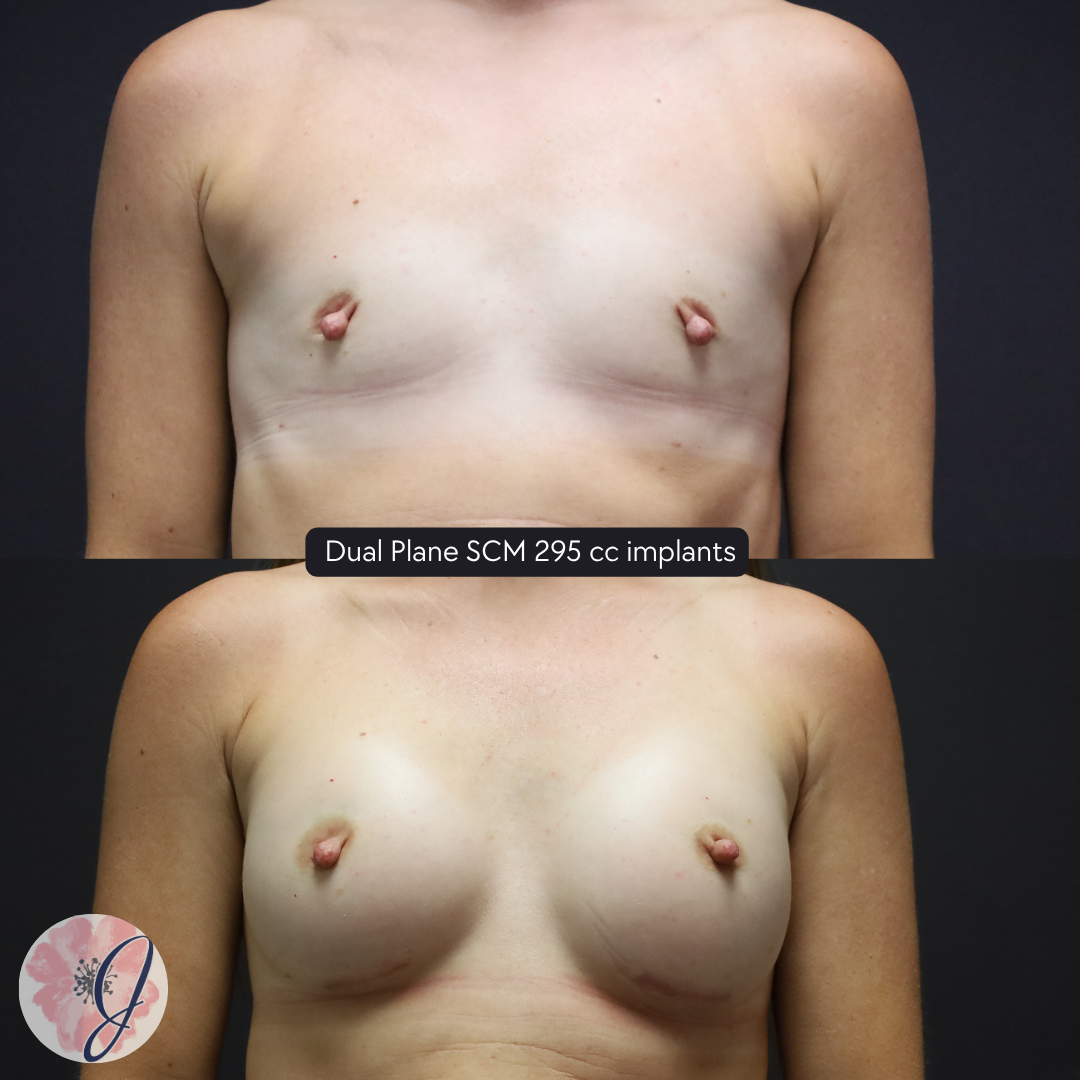
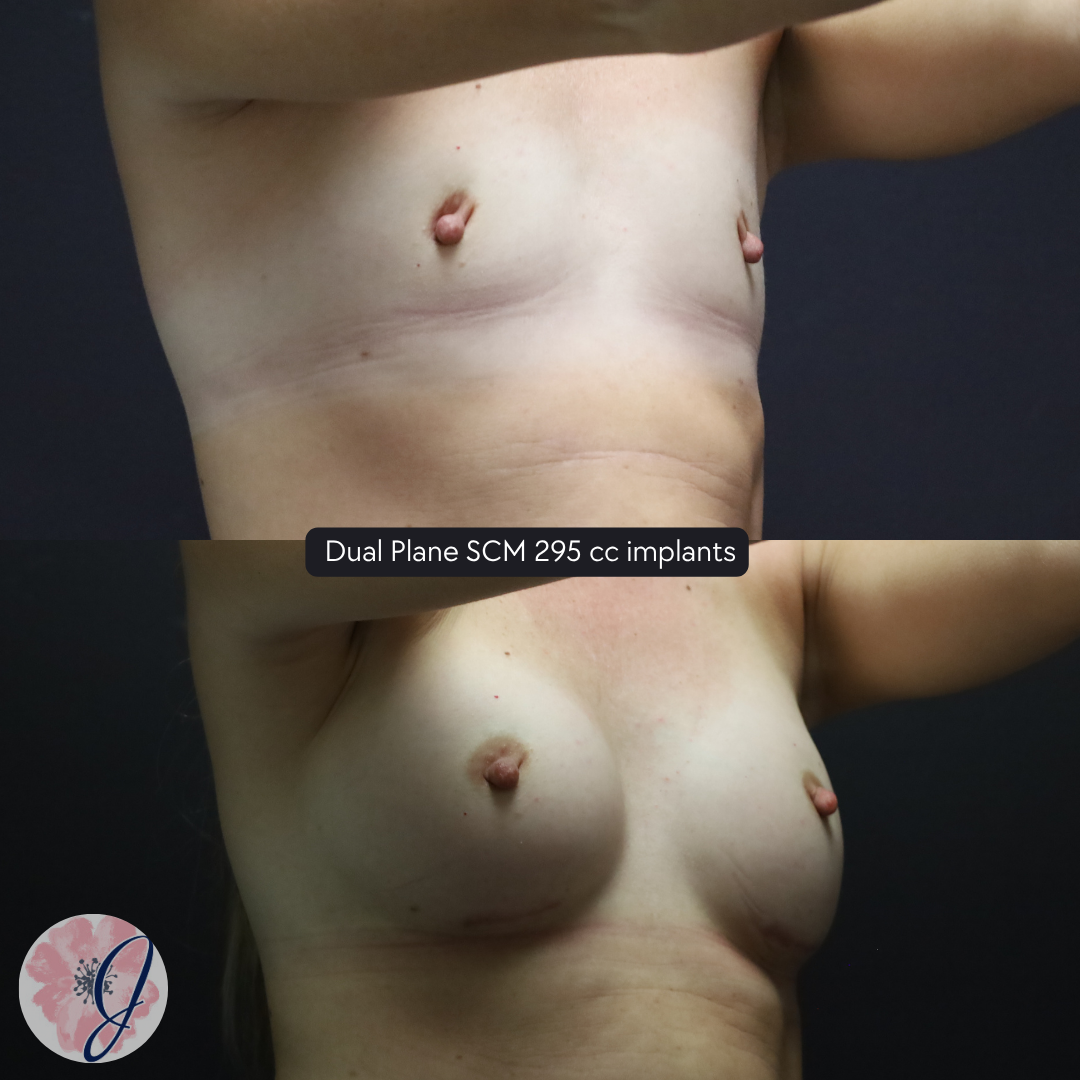
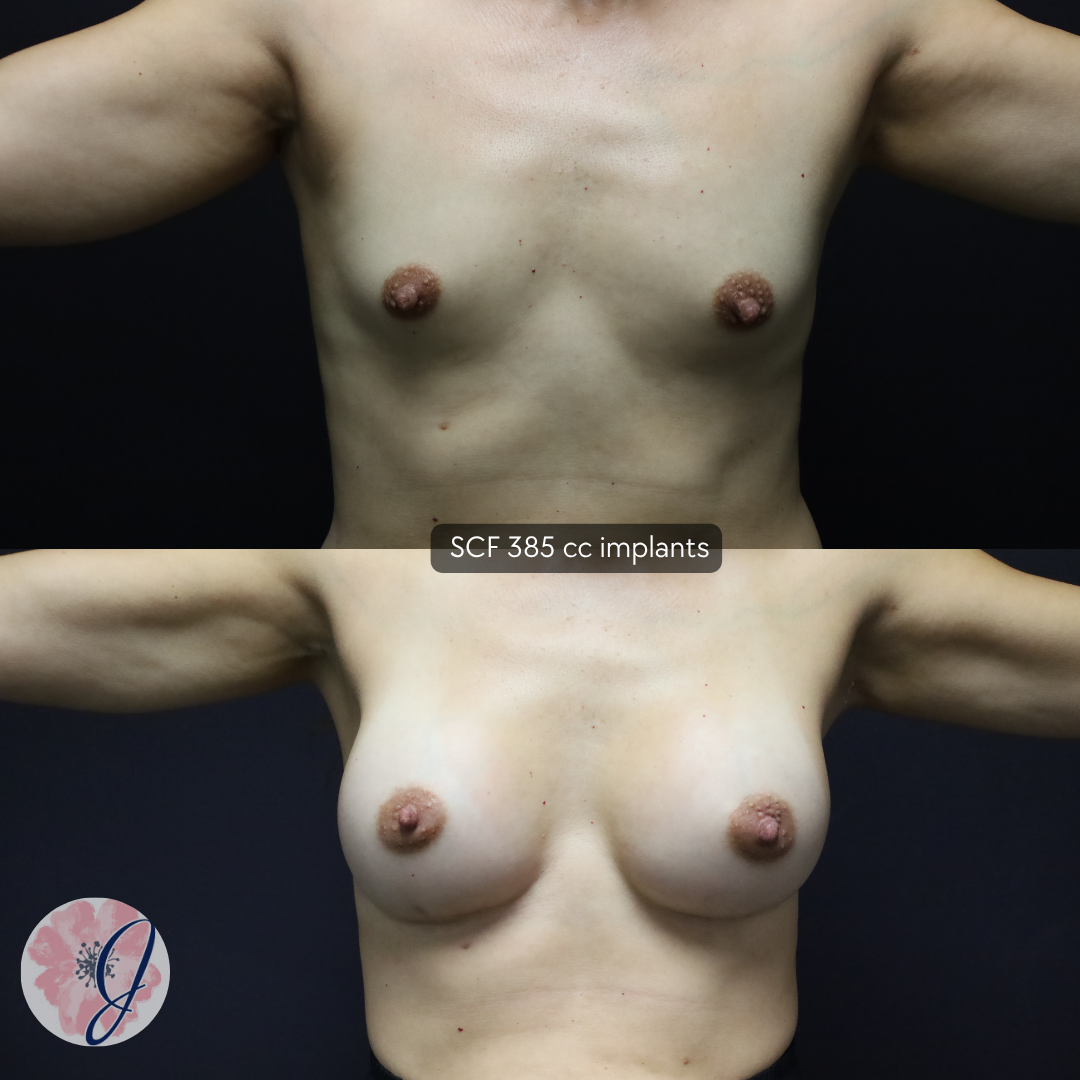
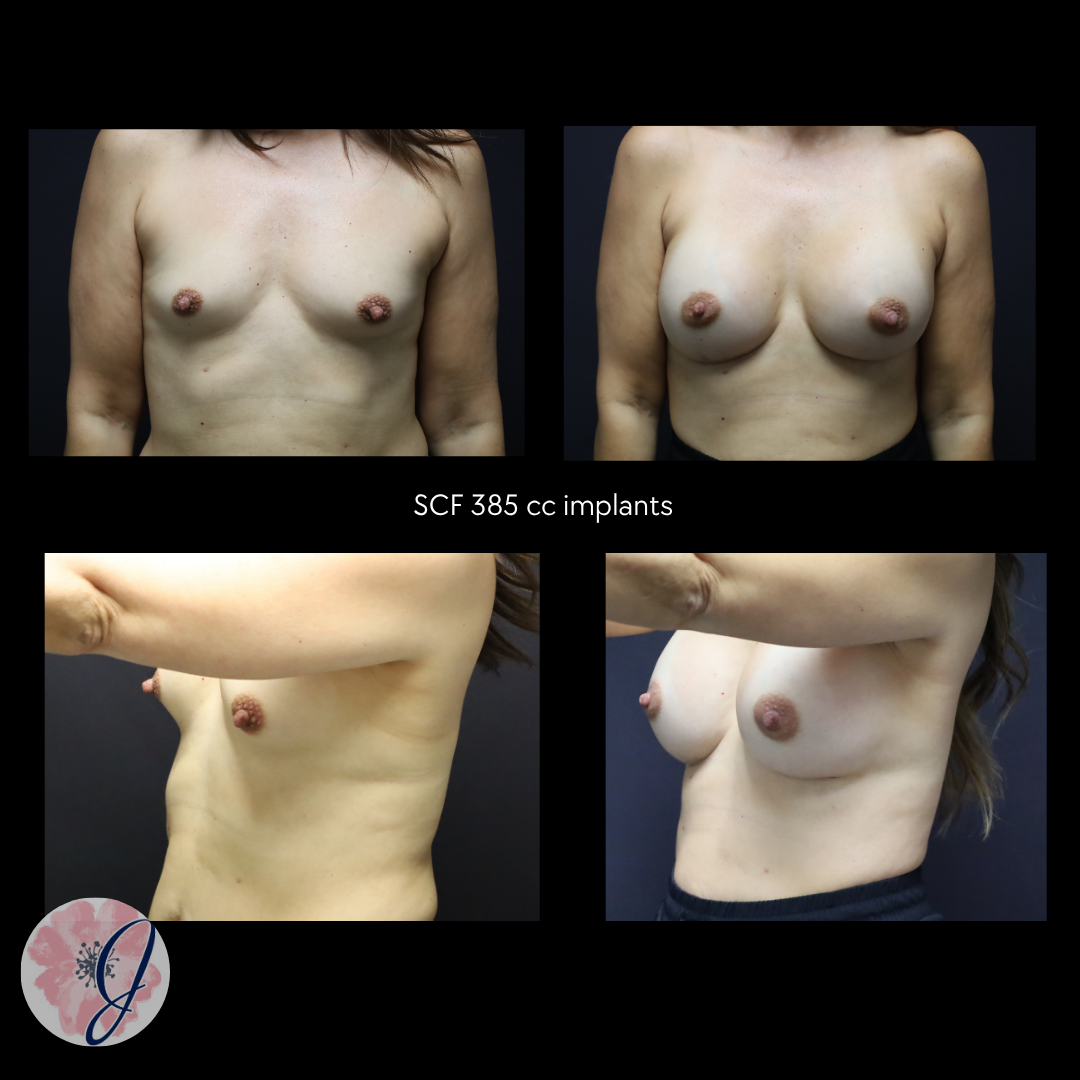
“Natural Results —
Never Overdone.”
Dr. Jacobson’s philosophy with breast augmentation is to enhance the breasts in a way that complements your body’s natural proportions. Rather than creating an exaggerated appearance, the goal is to achieve:
- Natural breast shape
- Balanced body proportions
- Soft, feminine contours
- Long-lasting results

Why Choose Dr. Jacobson for Breast Augmentation?
- Extensive experience in aesthetic breast surgery
- Personalized implant selection and surgical planning
- Focus on natural, proportionate results
- Advanced surgical techniques for safety and longevity
- Concierge-level care from consultation through recovery
Breast Augmentation FAQs
How do I choose the right implant size?
Implant size is determined through a comprehensive evaluation during your consultation. Dr. Jacobson assesses your chest wall anatomy, breast tissue thickness, skin elasticity, nipple position, and personal aesthetic goals to recommend an implant size that will create balanced, proportionate results. Temporary implant sizers are often used during surgery to confirm the best size and shape before placing the final implants. The goal is not simply to increase size, but to create breast proportions that complement your natural body frame.
Should I choose silicone or saline implants?
Both silicone and saline implants are safe and effective options. Silicone implants contain cohesive gel that closely resembles the feel and movement of natural breast tissue, offering a softer feel and reduced likelihood of visible rippling. They are the most commonly chosen option. Saline implants are filled with sterile saltwater after placement and may be appropriate in certain situations. Dr. Jacobson will discuss the advantages of each type based on your tissue characteristics, anatomy, and desired outcome during your consultation.
What is "drop and fluff," and when will I see my final results?
It is normal for breast implants to sit higher on the chest immediately after surgery, particularly with submuscular placement. Over the following weeks and months, the muscle gradually relaxes, the skin adapts to the implant volume, and the implants settle into their natural position. This process is commonly referred to as “drop and fluff.” Most settling occurs within the first 2–3 months, and most patients see their final breast shape and softness around 3 months after surgery. Incision lines continue to fade over time.
What is the difference between under the muscle and over the muscle placement?
Dual plane placement positions the implant partially beneath the pectoralis major muscle, providing greater soft tissue coverage, a smoother transition at the upper chest, and a more natural breast slope. Subglandular placement positions the implant above the muscle but beneath the breast tissue, which may be beneficial for patients who want to avoid animation deformity or who frequently engage in chest-intensive activities like weight training or push-ups. Dr. Jacobson recommends the placement that best suits your tissue characteristics, anatomy, and lifestyle.
How long is the recovery after breast augmentation?
Most patients experience 5–10 days of initial downtime, with early recovery sensations described as tightness in the chest rather than sharp pain. Most patients return to desk work and light daily activities within about one week. Light cardiovascular activity may begin after approximately 2 weeks, and lifting restrictions are in place for about 4 weeks. After 6 weeks, most patients are cleared to return to all normal activities. A supportive surgical bra should be worn for approximately 4–6 weeks.
Can breast augmentation be combined with a breast lift?
Yes. Patients who desire both increased volume and correction of breast sagging may benefit from combining breast augmentation with a breast lift (mastopexy). This combination addresses both the size and position of the breasts, creating fuller, more youthful proportions. During your consultation, Dr. Jacobson will evaluate whether a combined approach is appropriate for your anatomy and goals.
Serving Lincoln and Surrounding Nebraska Communities
If you’re considering breast augmentation to restore volume, enhance shape, or improve symmetry, a personalized consultation with Dr. Jacobson at Jacobson Cosmetic Surgery is the first step toward achieving your aesthetic goals. Together, we will design a surgical plan tailored to your body, lifestyle, and vision. Schedule your consultation today. Serving patients throughout Lincoln, Omaha, and greater Nebraska.
Related Procedures
Patients considering breast augmentation may also be interested in these complementary procedures:
Discover Your Confidence & Unveil Your True Beauty
Contact Lincoln, Nebraska’s premier cosmetic surgery practice, where your journey to enhanced beauty and newfound confidence begins.