
Fat transfer to the breasts, also known as breast fat grafting, is an advanced technique that enhances breast shape and volume using your body’s own natural tissue.
During this procedure, fat is gently removed from areas such as the abdomen, waist, thighs, or back using liposuction. The fat is then carefully purified and strategically injected into the breasts to improve contour and create subtle volume enhancement.
At Jacobson Cosmetic Surgery, Dr. Jacobson performs breast fat grafting with a focus on achieving natural, proportionate breast enhancement using your body’s own tissue.
This technique is ideal for patients seeking a modest increase in breast volume or improved contour, particularly those already undergoing liposuction who would like to enhance the shape of their breasts at the same time.
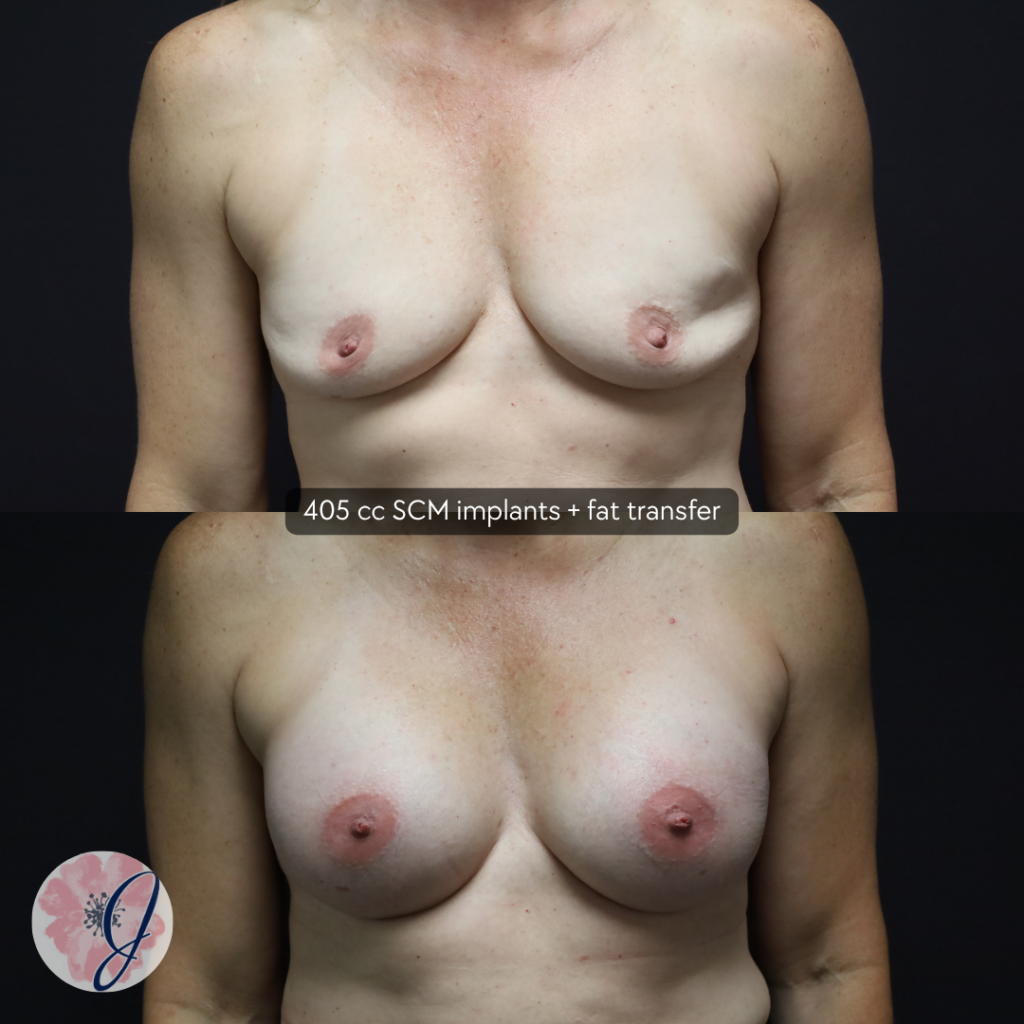
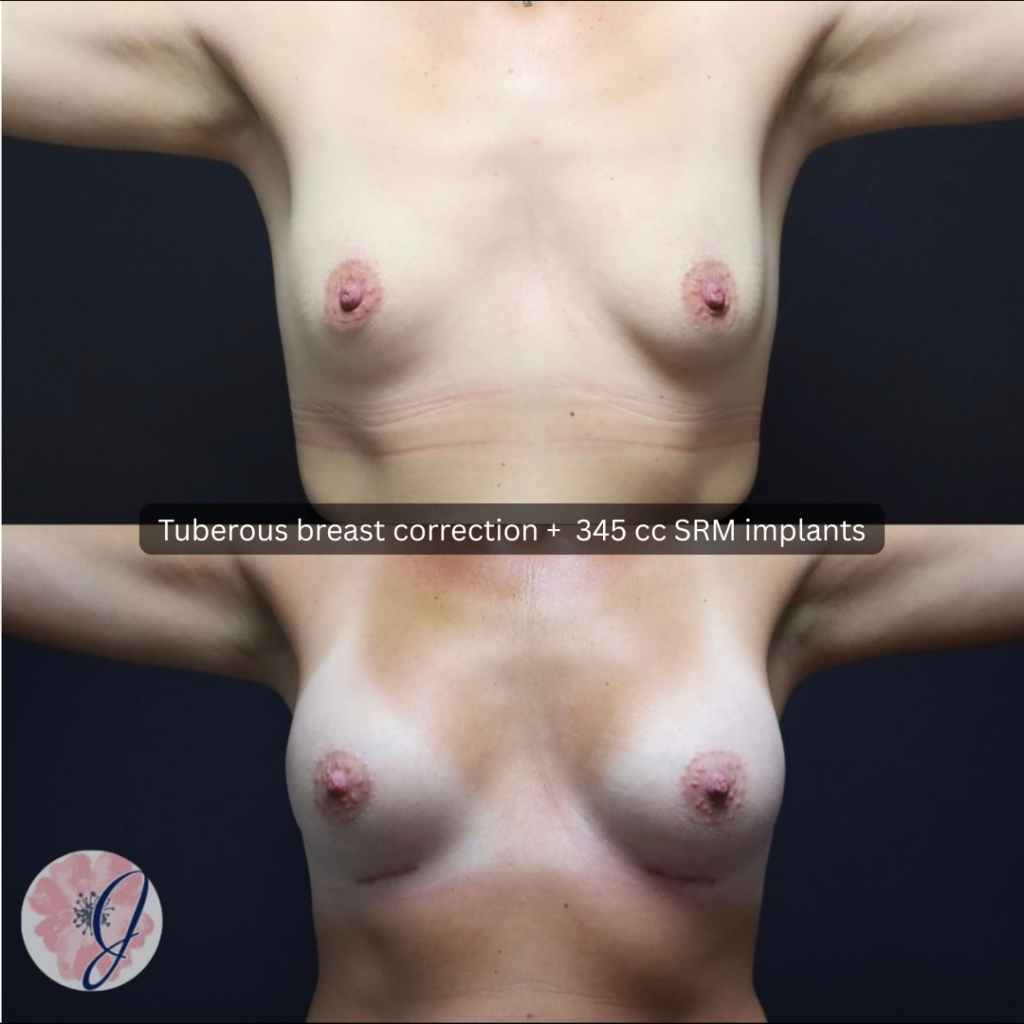
Fat transfer can also be combined with breast augmentation using implants to refine specific areas of fullness, such as the upper pole of the breast or medial cleavage.

What Does Fat Transfer to the Breasts Treat?
Fat grafting can improve several aspects of breast shape and contour. Because fat transfer uses living tissue, the results feel soft and natural while integrating seamlessly with the surrounding breast tissue.
Fat grafting can improve
- Subtle increase in breast volume
- Mild breast asymmetry
- Loss of breast fullness after pregnancy or weight loss
- Upper pole hollowing
- Medial cleavage contour
- Contour irregularities after prior breast surgery
Dr. Jacobson’s Anatomy-Based Approach to Breast Fat Grafting
At Jacobson Cosmetic Surgery, fat grafting is performed with careful attention to fat viability, breast anatomy, and long-term volume retention. This method helps maximize fat survival and promotes smooth, natural-looking results. Because fat grafting relies on transferred fat cells establishing a new blood supply, the procedure is best suited for subtle to moderate enhancement.
The procedure involves three critical steps:
01
Fat Harvesting
Gentle liposuction removes fat from donor areas where patients naturally store excess volume.
- Careful fat harvesting
- Minimizes trauma to fat cells
- Preserves cell viability
02
Fat Purification
Harvested fat is carefully processed to separate:
- Healthy fat cells
- Excess fluid
- Oils and impurities
Only the most viable fat cells are selected for transfer.
03
Fat Injection
Purified fat is carefully injected into different layers of the breast tissue for:
- Improved fat survival
- Smooth contour
- Natural breast shape
Where Fat Is Harvested
Fat is most commonly harvested from areas where patients naturally store excess volume. The donor site is selected based on where patients have sufficient fat for safe harvesting.
Because fat grafting requires adequate fat stores, patients with very little body fat may be better candidates for implant-based breast augmentation if a significant increase in breast volume is desired.
✦ Abdomen
Common donor area with reliable fat volume
✦ Waist / Flanks
Lateral torso fat stores for natural harvesting
✦ Outer Thighs
Accessible area with consistent fat deposits
✦ Lower Back
Additional donor site for adequate volume
Fat Transfer vs Breast Implants
Fat transfer can provide a modest increase in breast size, typically around ½ to 1 cup size. However, because fat survival varies between individuals, this technique is not considered a replacement for traditional breast augmentation with implants when significant volume increase is desired.
Natural Tissue
Fat Transfer
Uses your body’s own living tissue for soft, natural results.
Ideal for patients who want:
- Subtle volume enhancement
- Improved breast contour
- A natural alternative to implants
- Refinement of specific areas after breast augmentation
Predictable Volume
Breast Implants
For patients seeking a larger increase, implants are often the more predictable option.
More appropriate when seeking:
- Larger increase in breast size
- Predictable, consistent volume
- Significant projection increase
- Results not dependent on fat survival rates
Who Is a Good Candidate for Fat Transfer to the Breasts?
A consultation with Dr. Jacobson will determine the most appropriate approach based on your anatomy and goals.
- Are a non-smoker
- Are in good overall health
- Are at or near a stable, healthy body weight
- Have good skin elasticity and muscle tone
- Have adequate fat deposits available for harvesting
- Desire a subtle increase in breast volume
Patients seeking a larger increase in breast size may benefit more from traditional breast augmentation with implants.
Fat Transfer to Breasts Recovery & Downtime
Recovery from breast fat grafting involves healing at both the liposuction donor sites and the breasts. Most patients plan for about one week of reduced activity following surgery.
Day of Surgery
Very Light Activity
Walking & moving within hours; someone drives you home
1 Week
Daily Activities
Swelling, bruising, soreness; normal daily activities begin day after
~2 Weeks
Light Cardio
Light cardio may resume; avoid strenuous exercise
~2–6 Weeks
Avoid Heavy Lifting
No heavy lifting; compression garments continue
6+ Weeks
Final Results
Cleared for all normal activities
Donor Sites (Liposuction Areas)
The majority of post-operative soreness typically comes from the liposuction areas rather than the breast grafting itself.
- Swelling and bruising at harvest sites
- Compression garments over donor areas
- Some patients require prescription pain medication for a few days
Breast Grafting Sites
Mild breast tenderness during the first week as the transferred fat establishes blood supply.
- Breasts appear larger initially due to swelling
- Volume decreases slightly as swelling resolves
- This reflects resolution of swelling, not loss of transferred fat
Post-Operative Care
You will need someone to drive you home after surgery and stay with you for the first 24 hours. Patients traveling from outside the Lincoln area may be asked to stay locally overnight. All patients are seen the day after surgery to ensure proper healing and comfort.
Compression Garments
Patients are typically instructed to wear compression garments over the liposuction areas during the recovery period. This helps:
- Reduce swelling
- Improve contour of the donor areas
- Support proper healing
Long-Term Results
60–80%
Fat Cell Survival
Long-term studies show that approximately 60–80% of transferred fat cells typically survive permanently, although individual retention can vary.
Because fat grafting relies on living tissue survival, final results gradually stabilize over several weeks to months. Patients seeking larger increases in breast size may benefit from discussing breast implants as an alternative option.
Immediately after surgery, the breasts will appear larger due to swelling. As swelling resolves, breast volume decreases slightly. It is important to understand that this early change reflects resolution of swelling rather than loss of transferred fat.

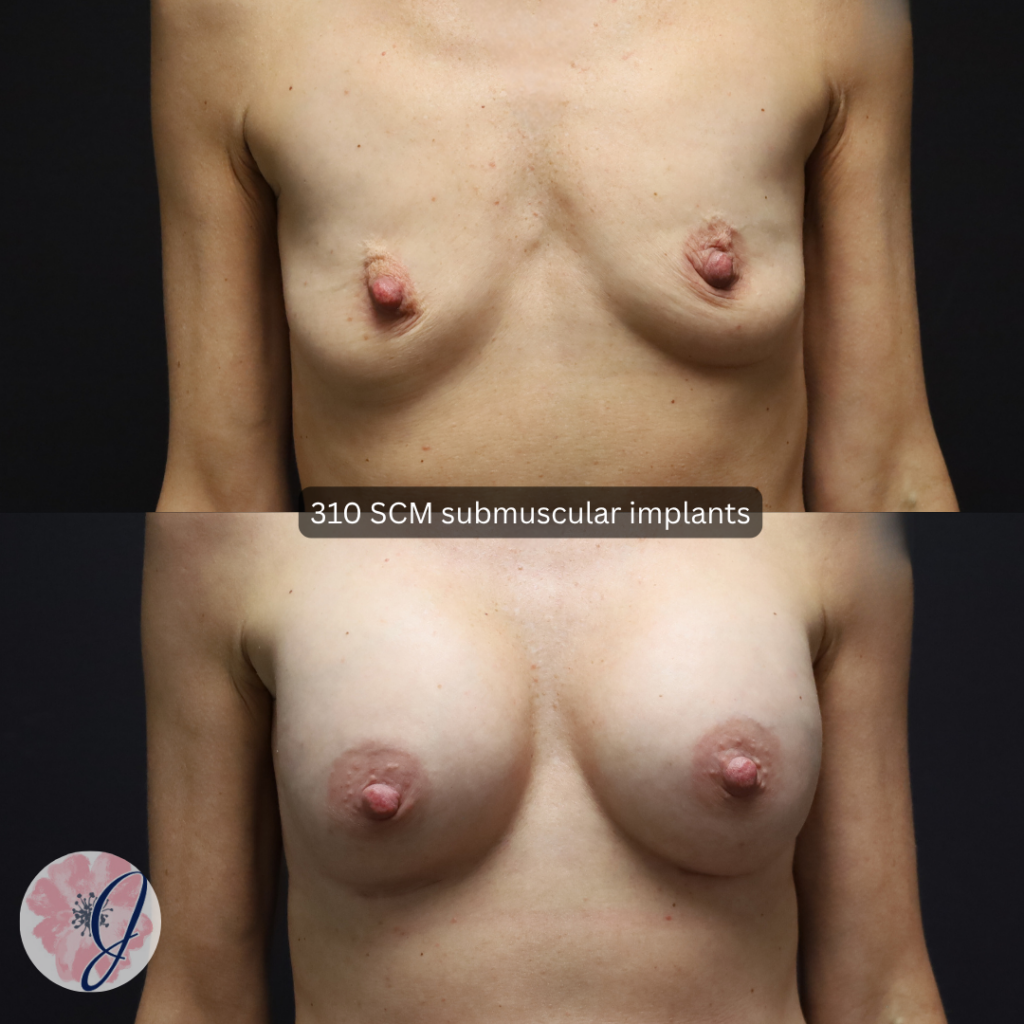
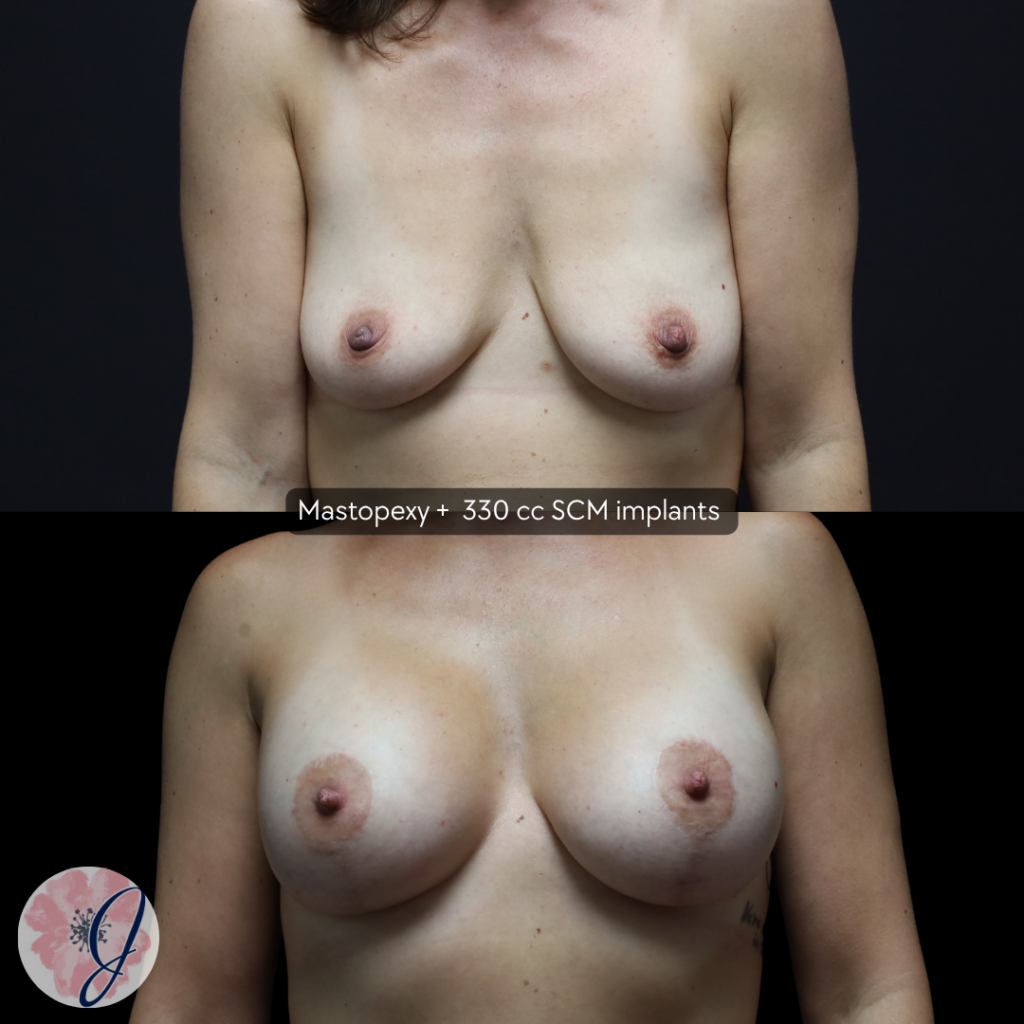
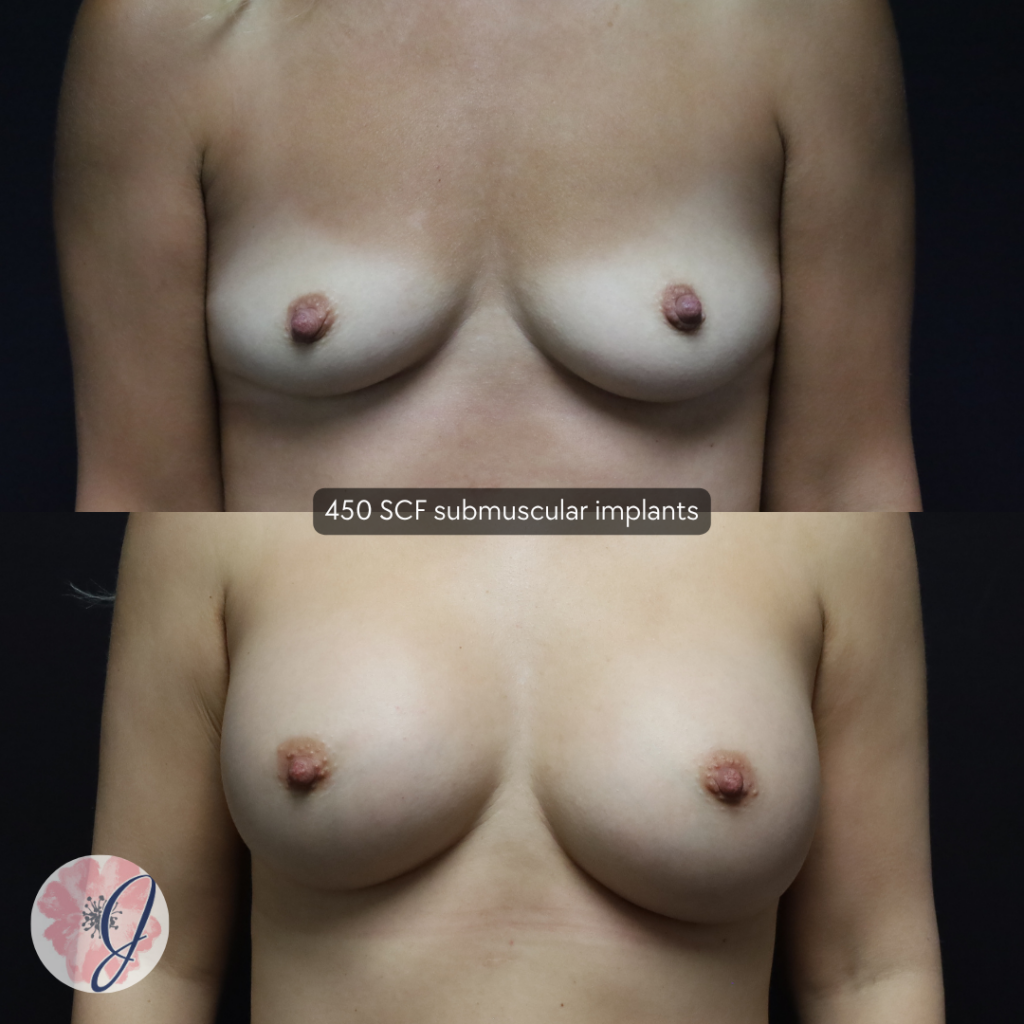
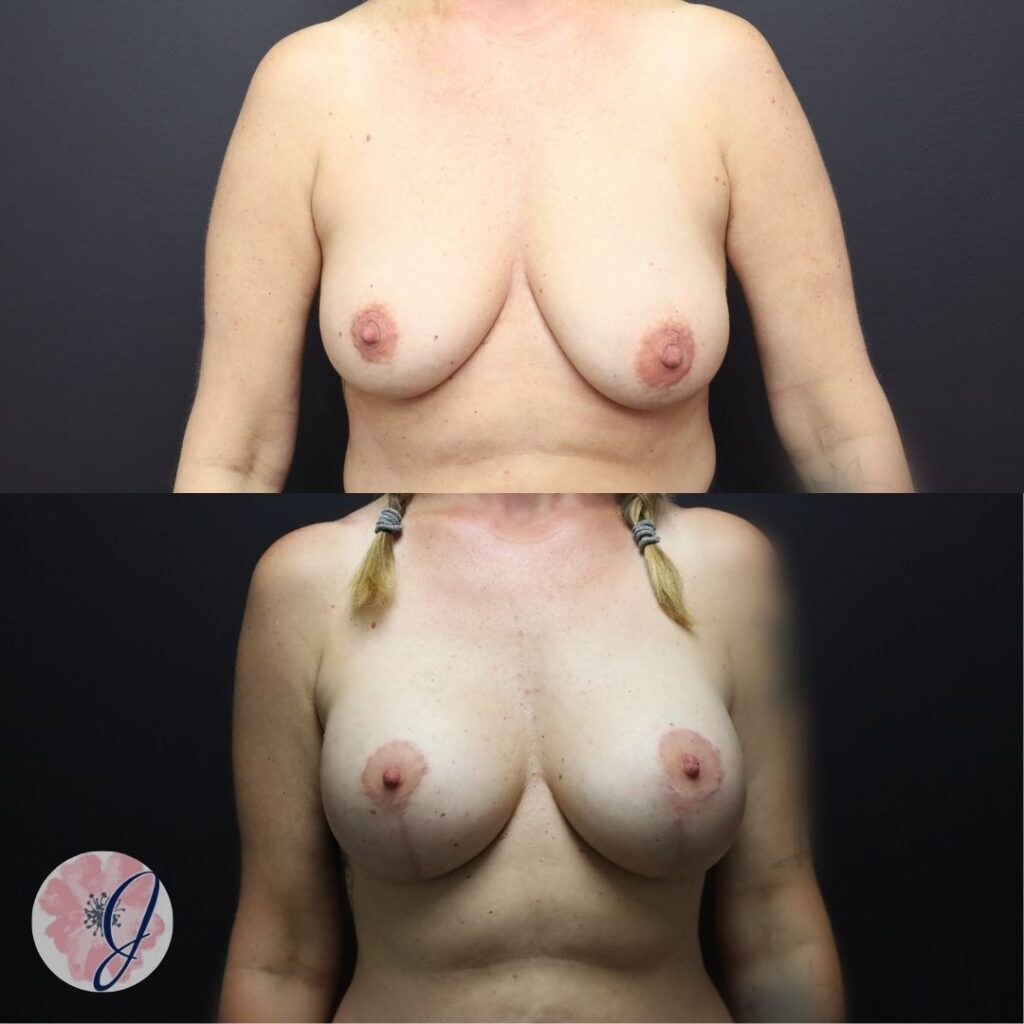
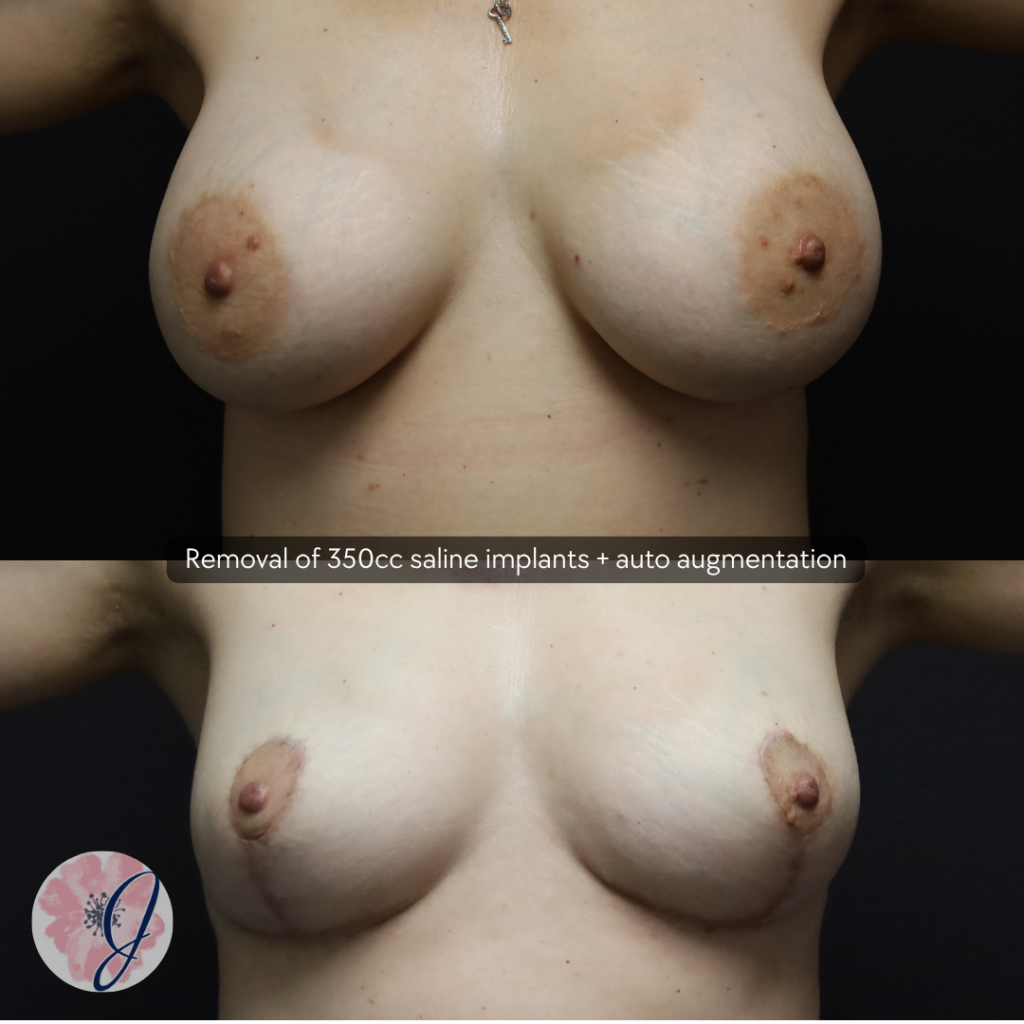
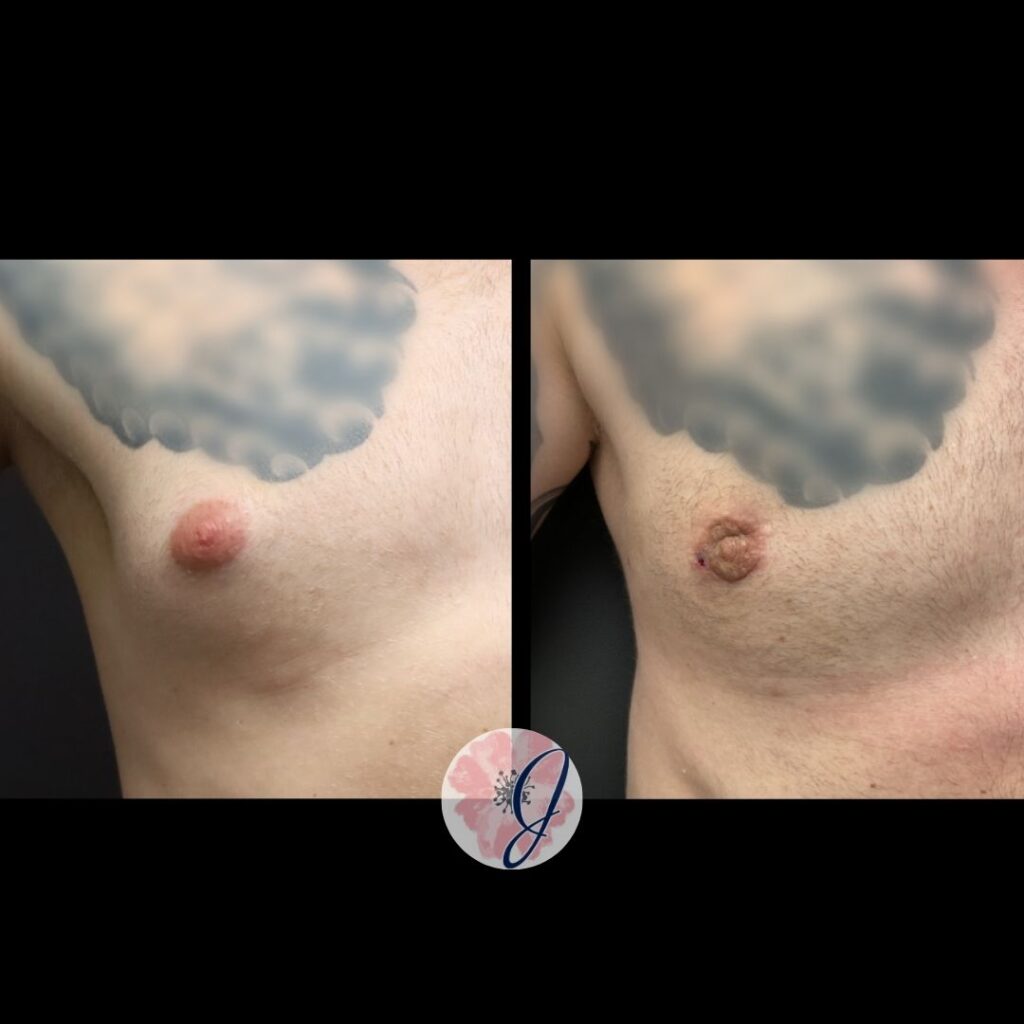
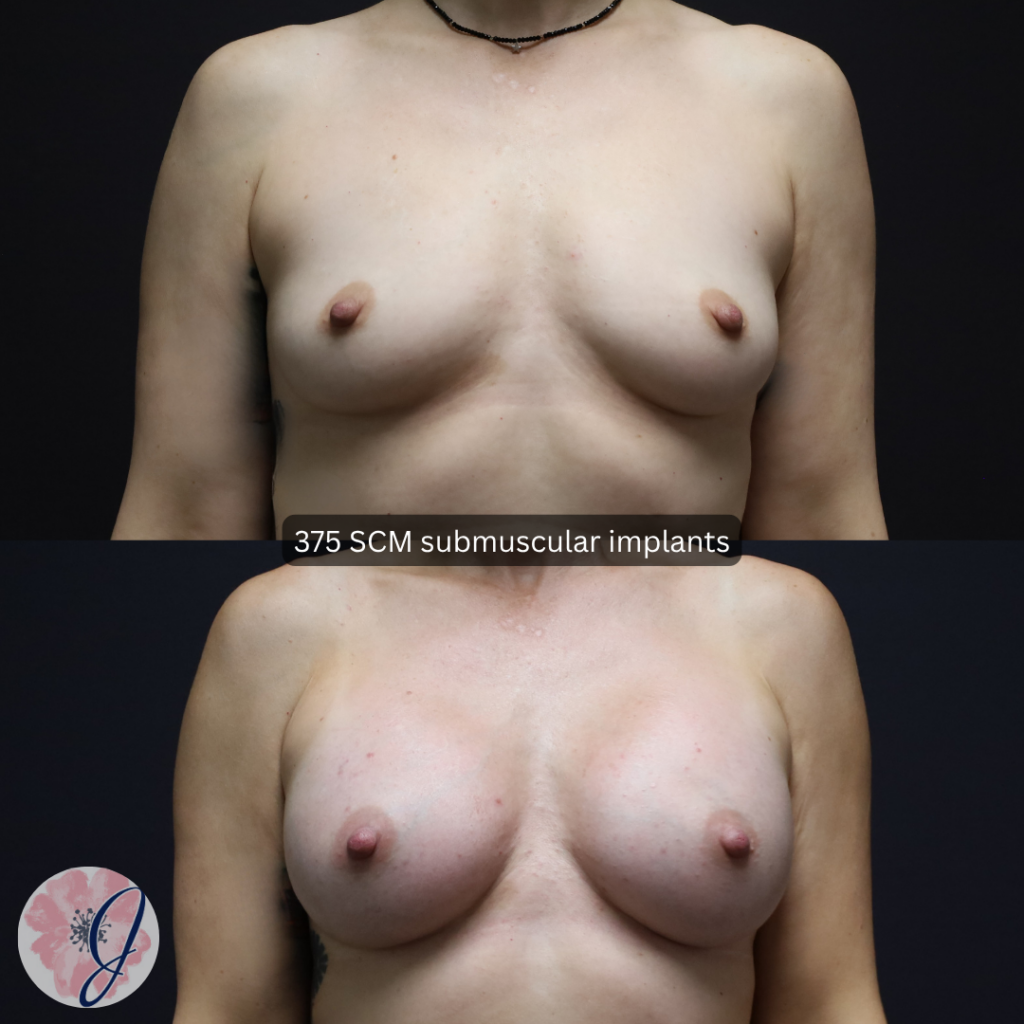
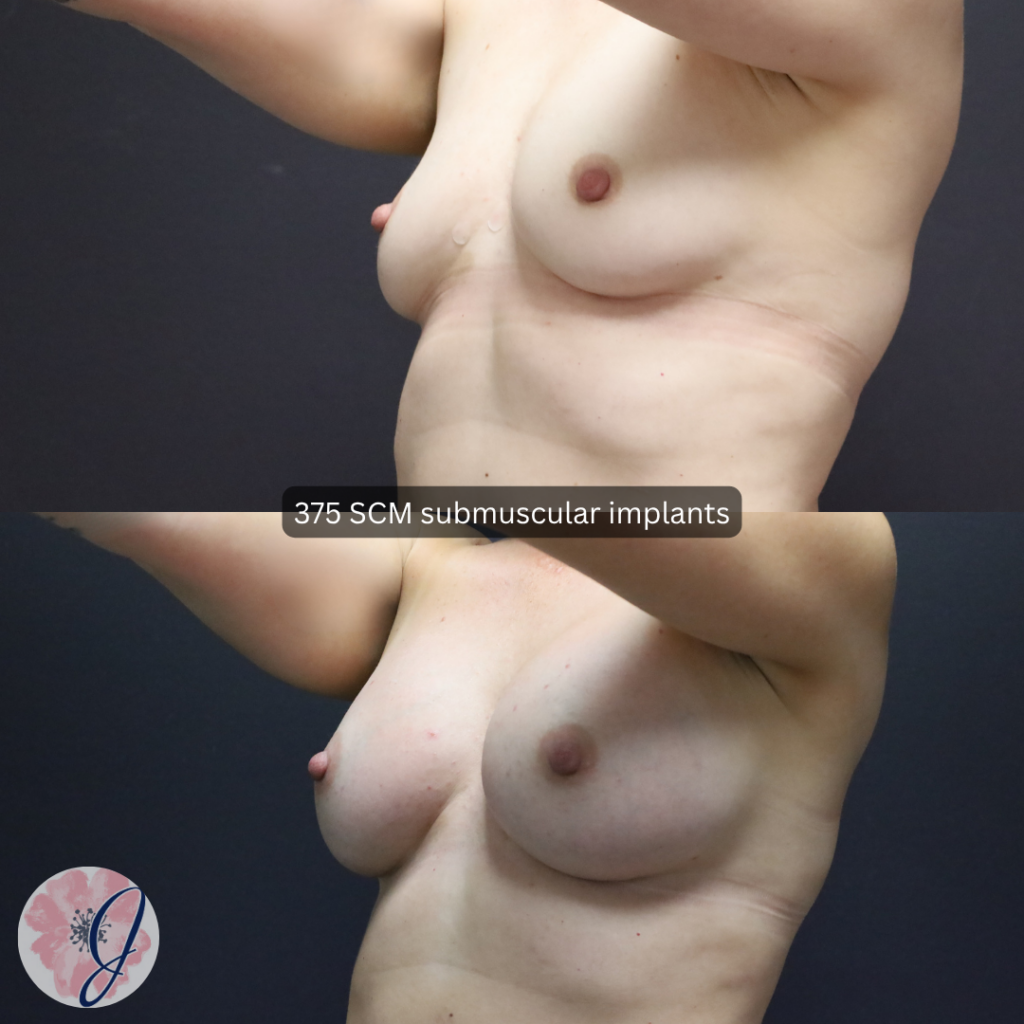

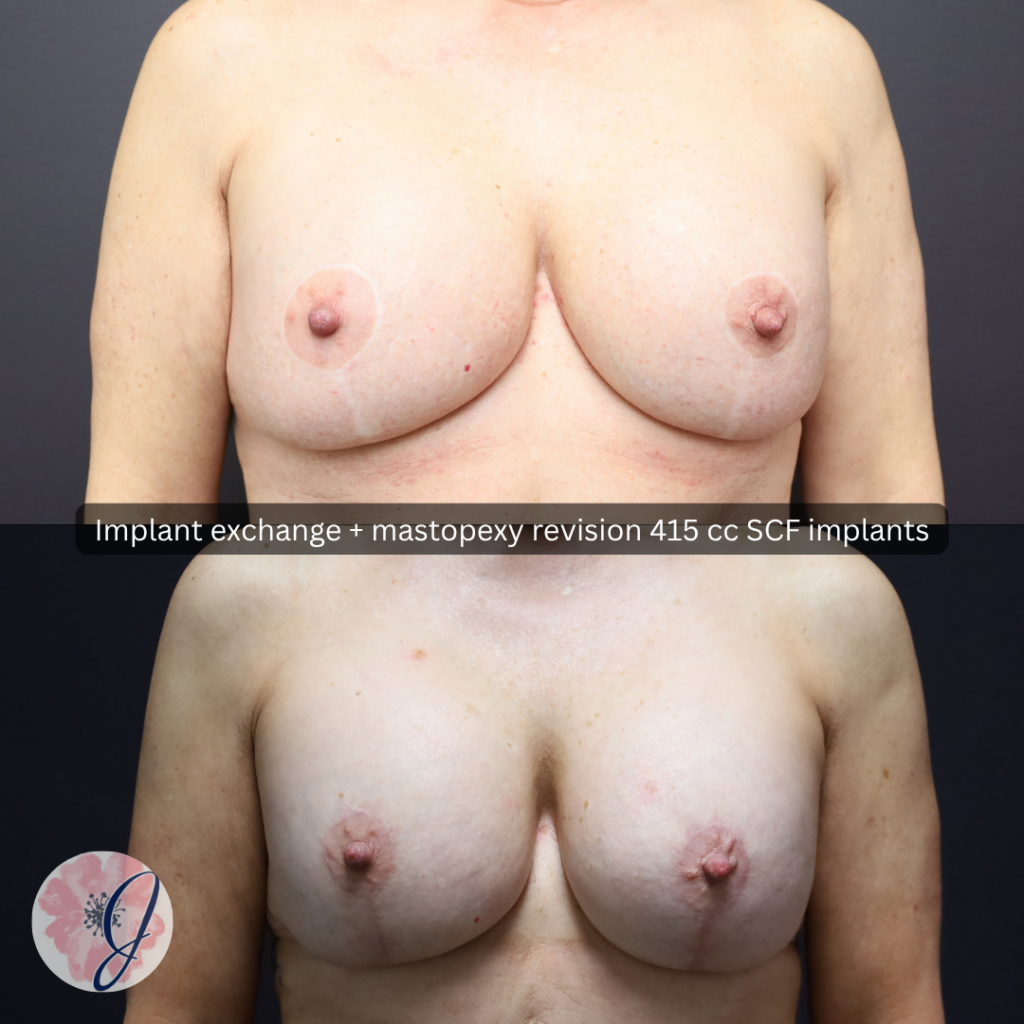
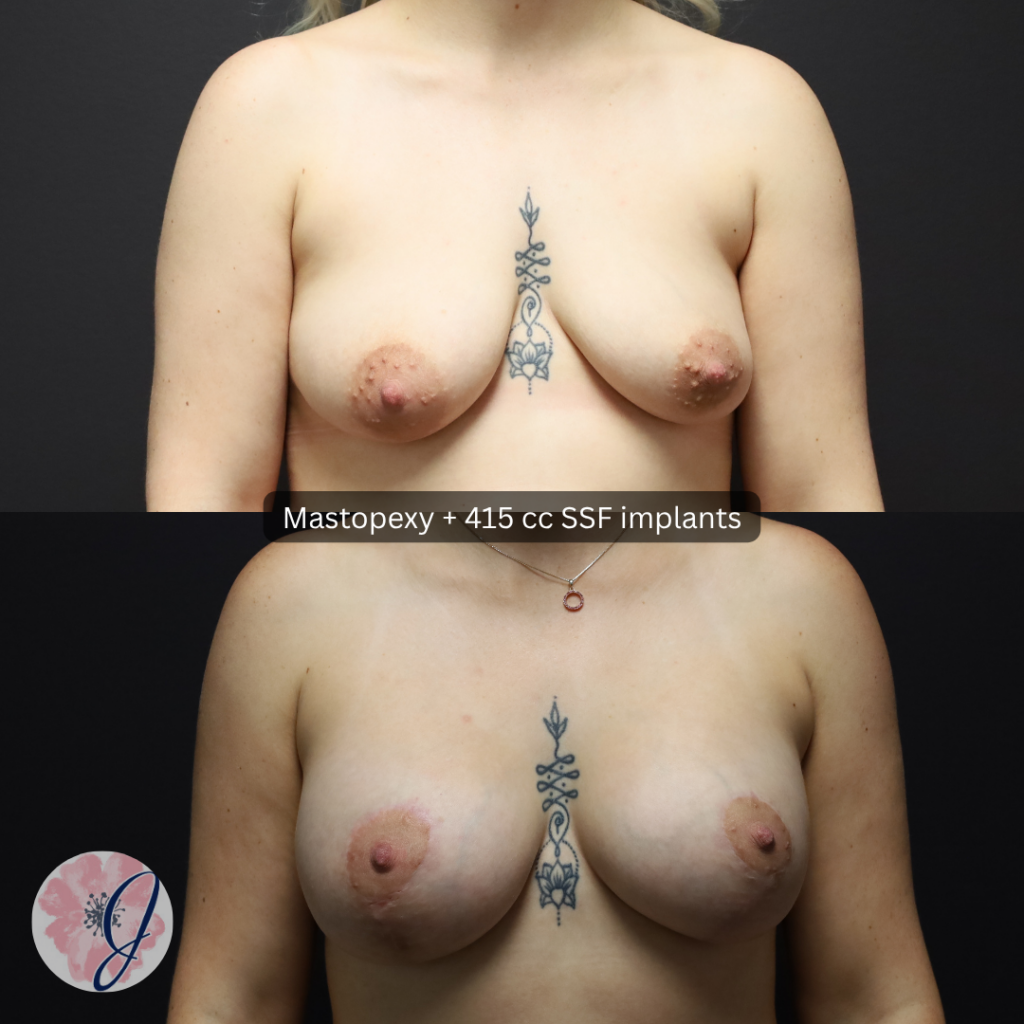
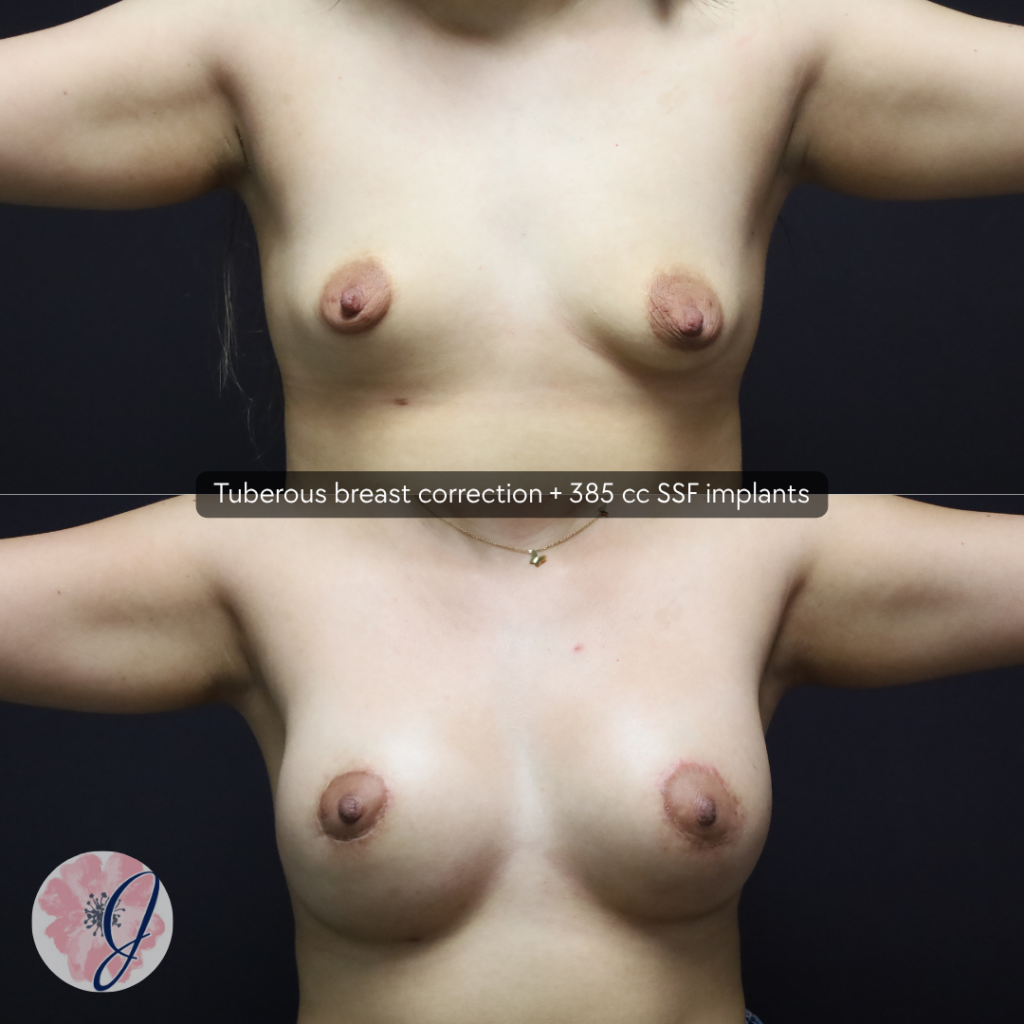
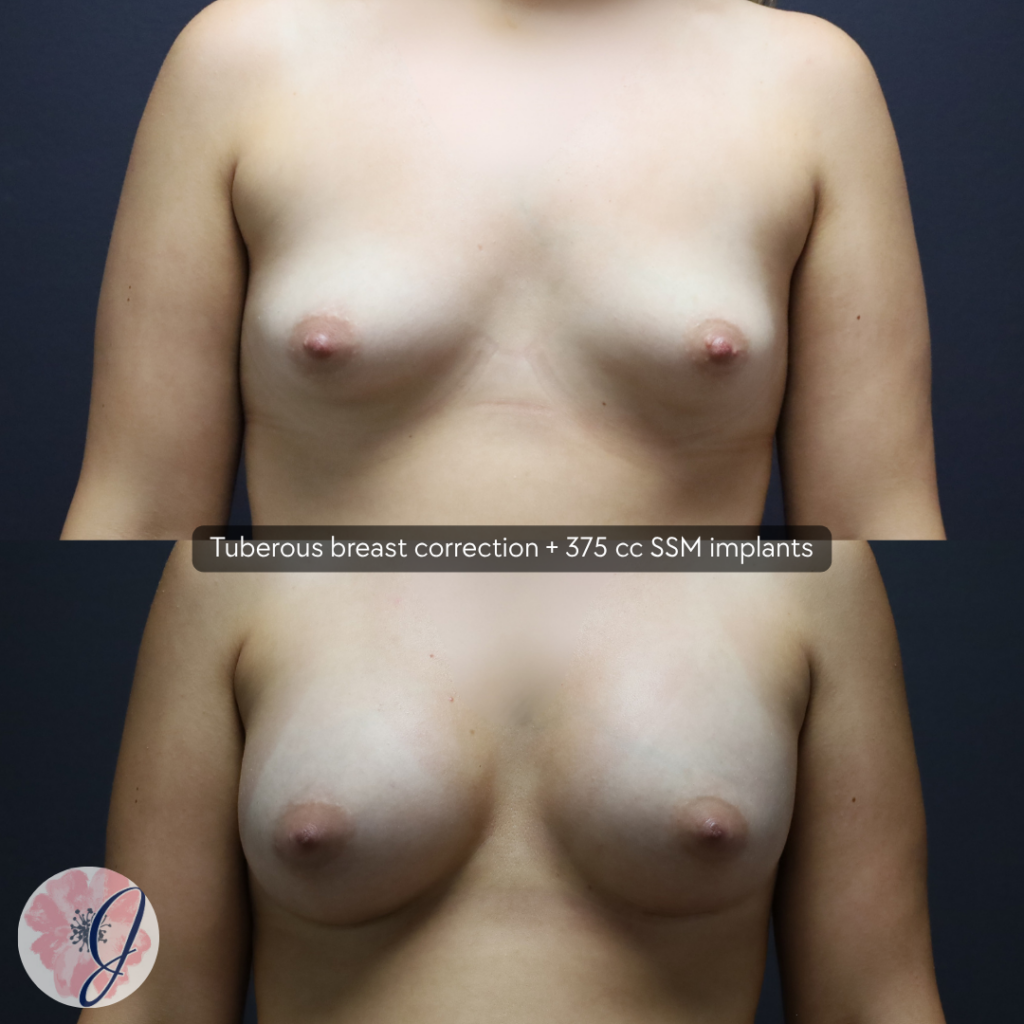
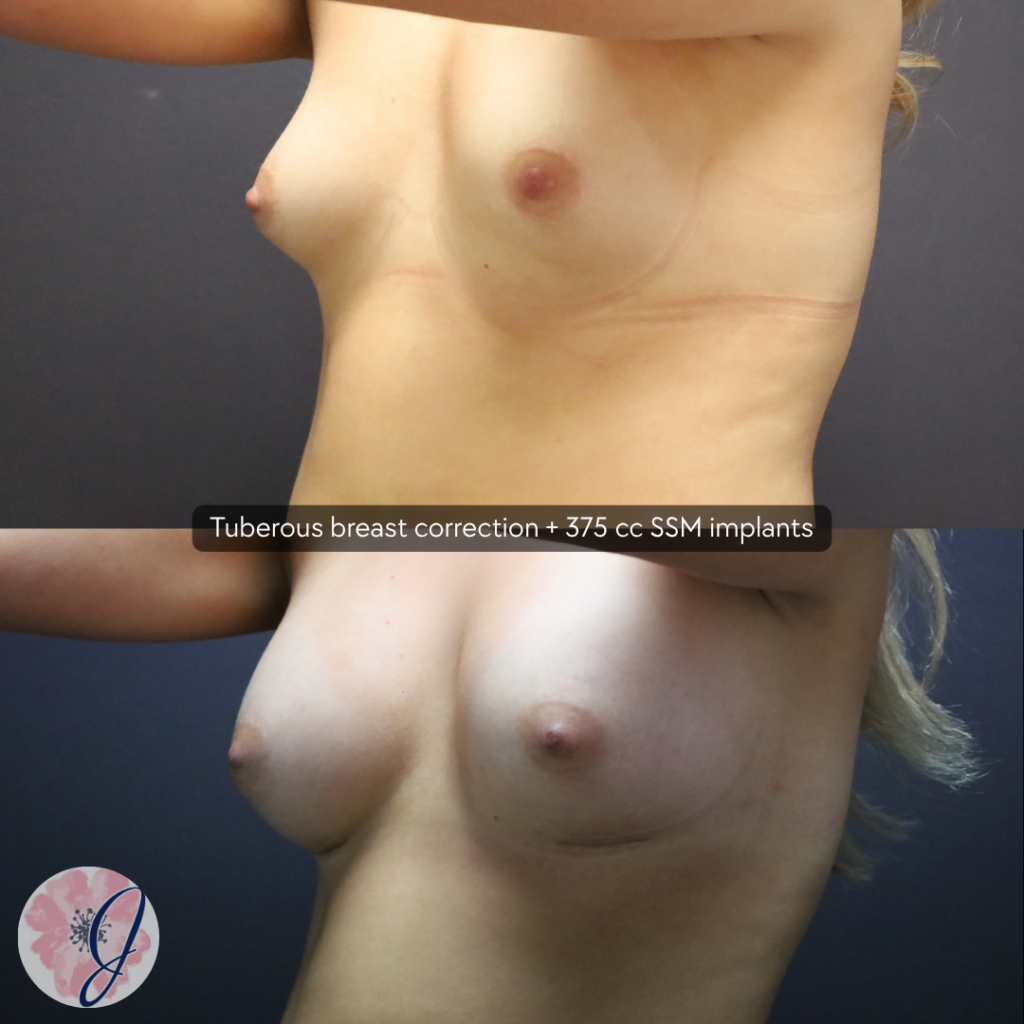
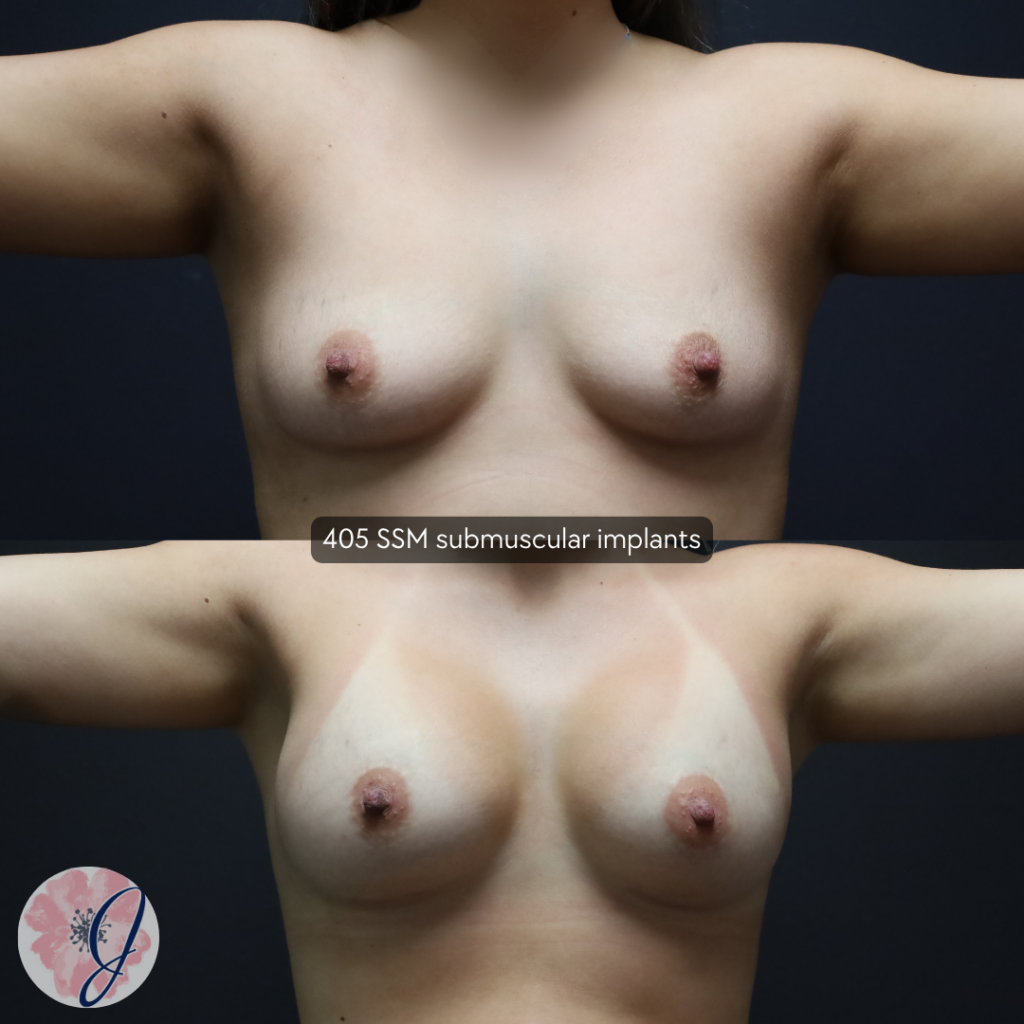
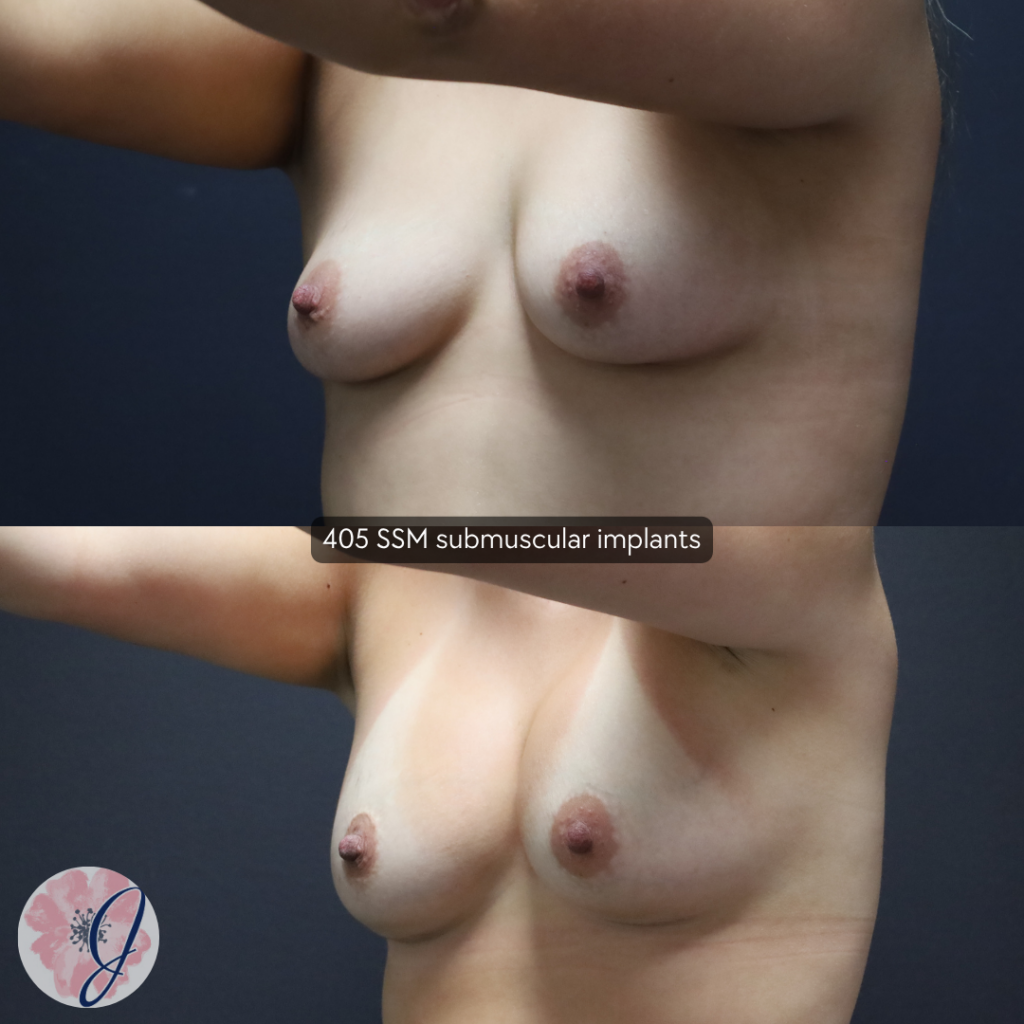
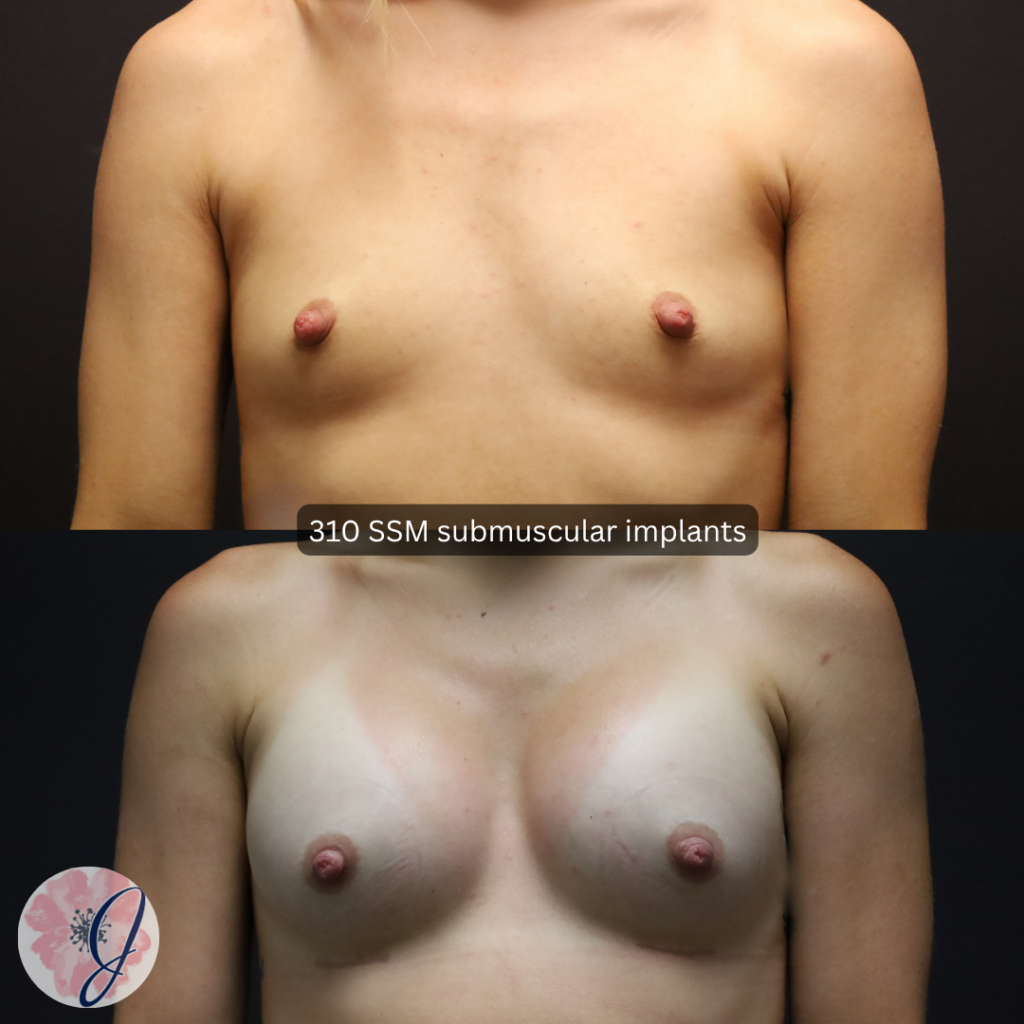
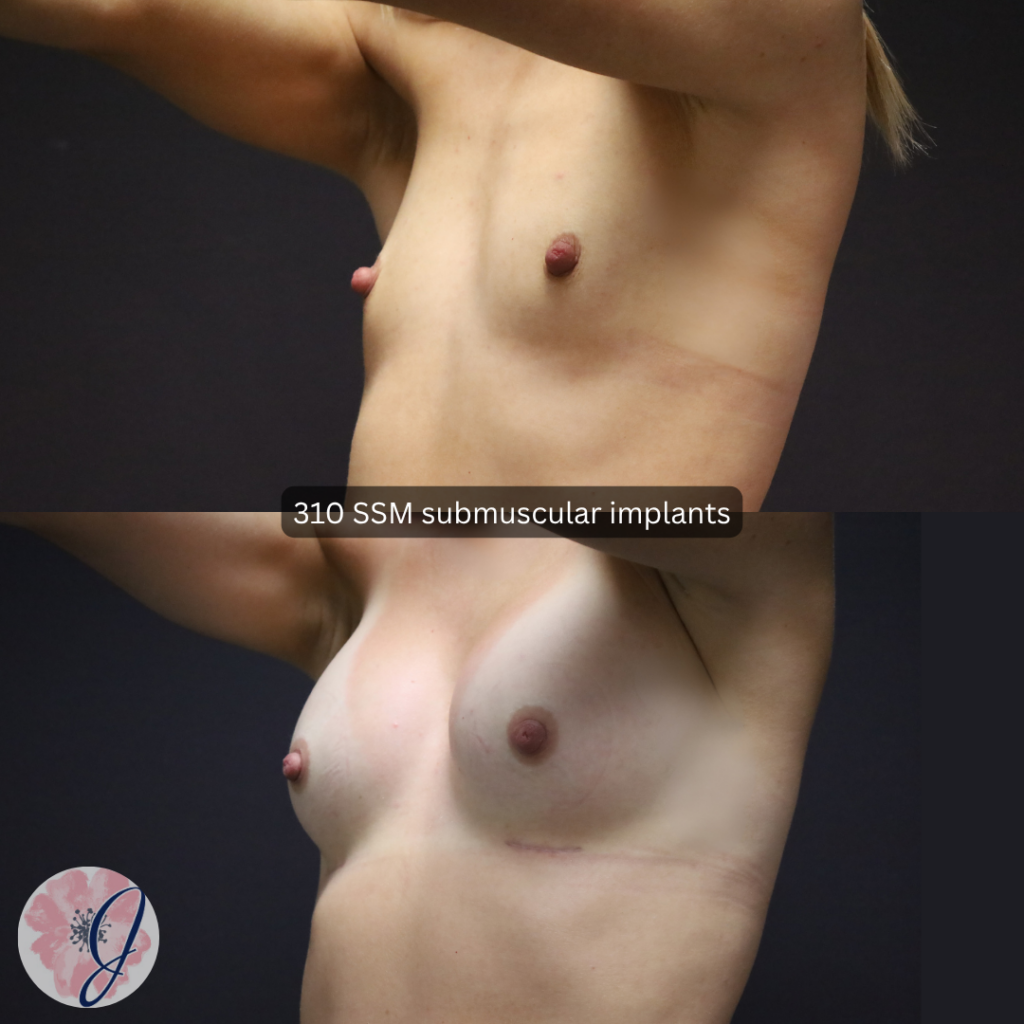
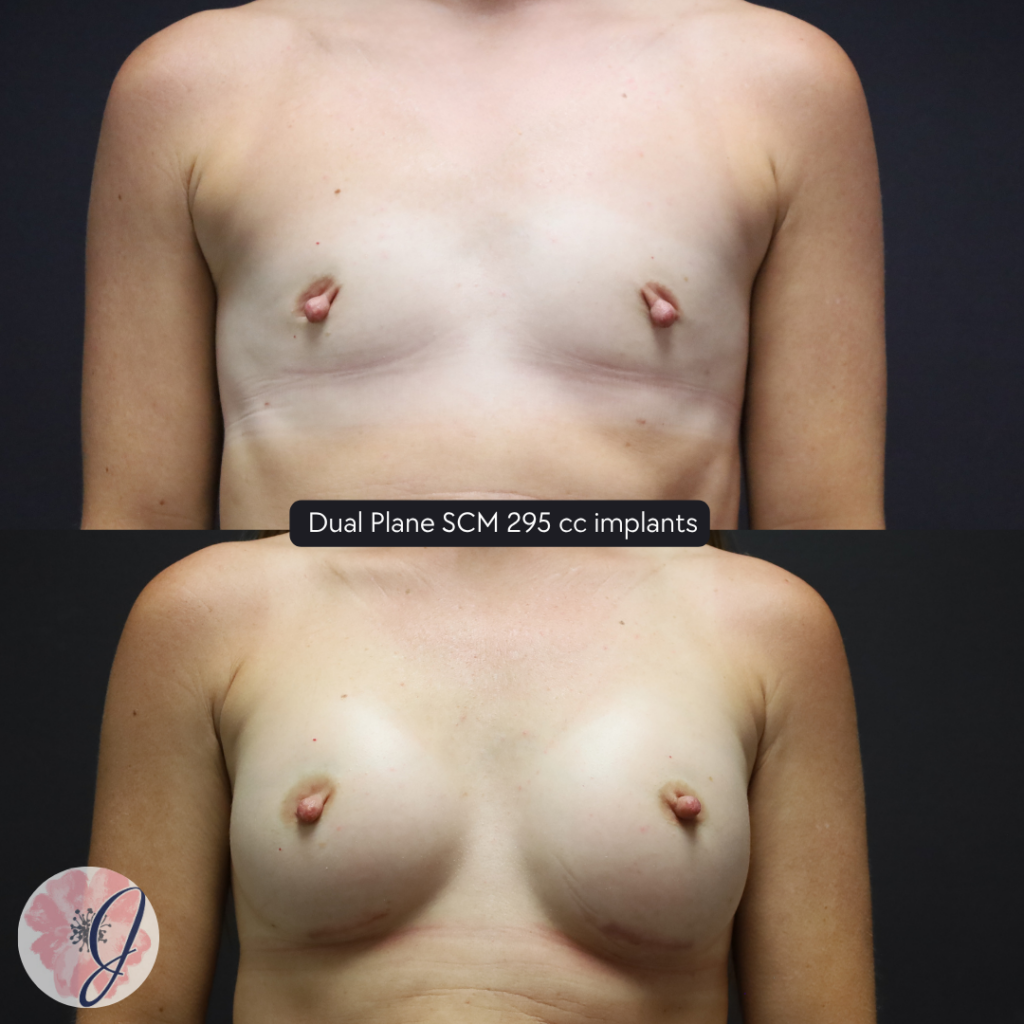
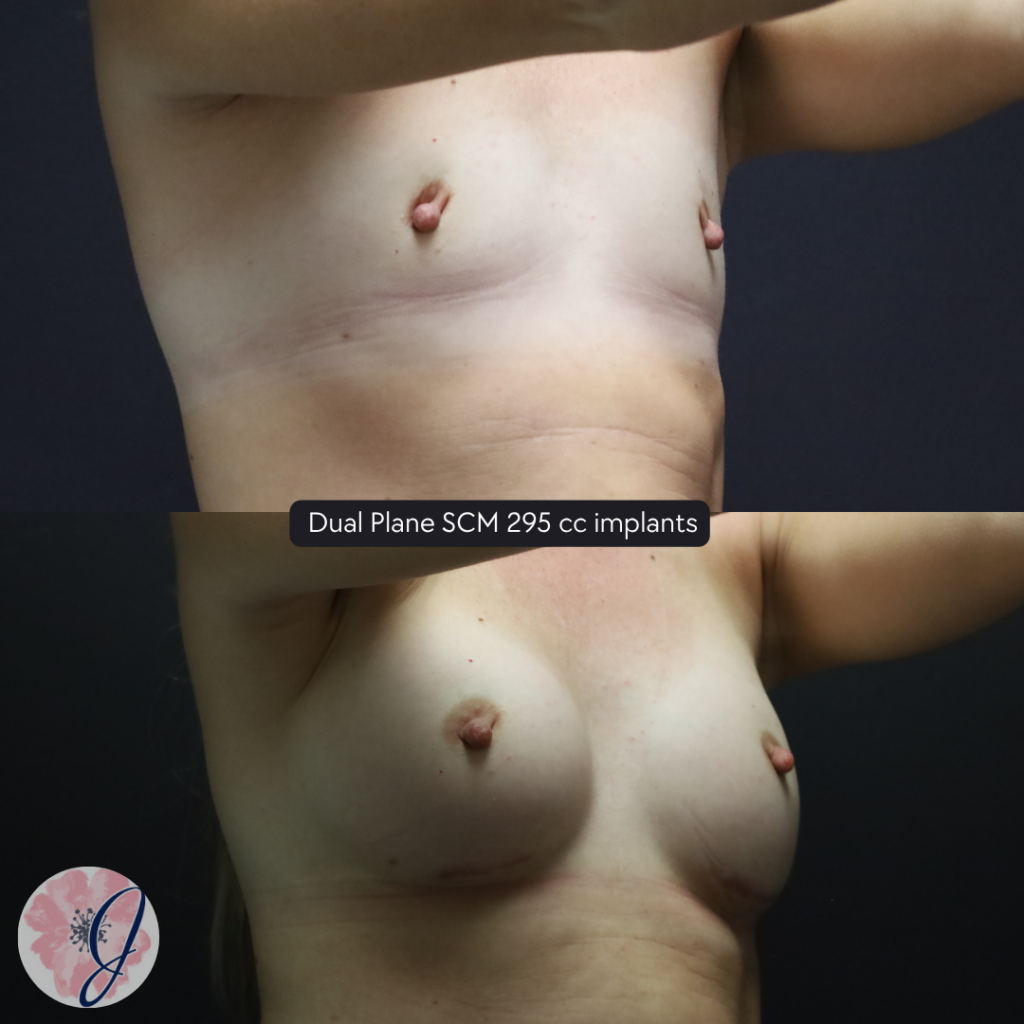
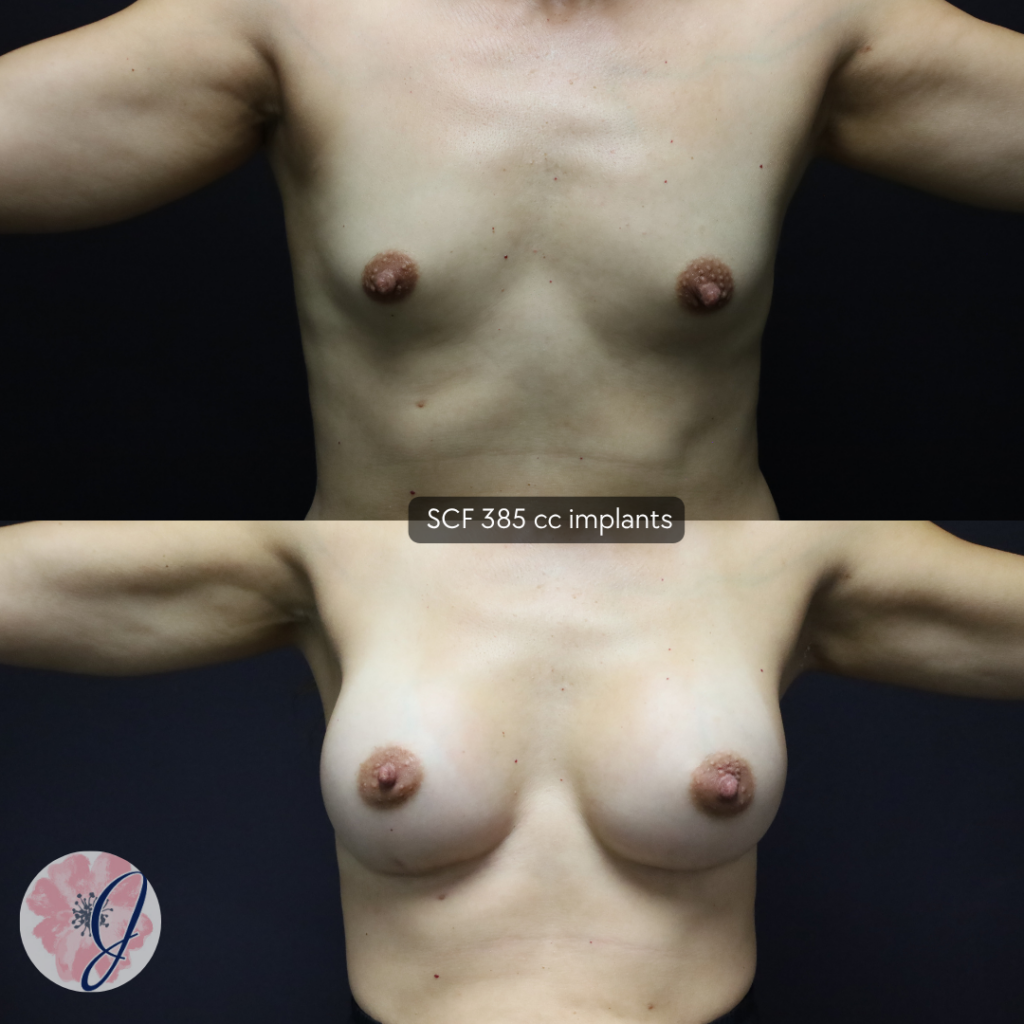

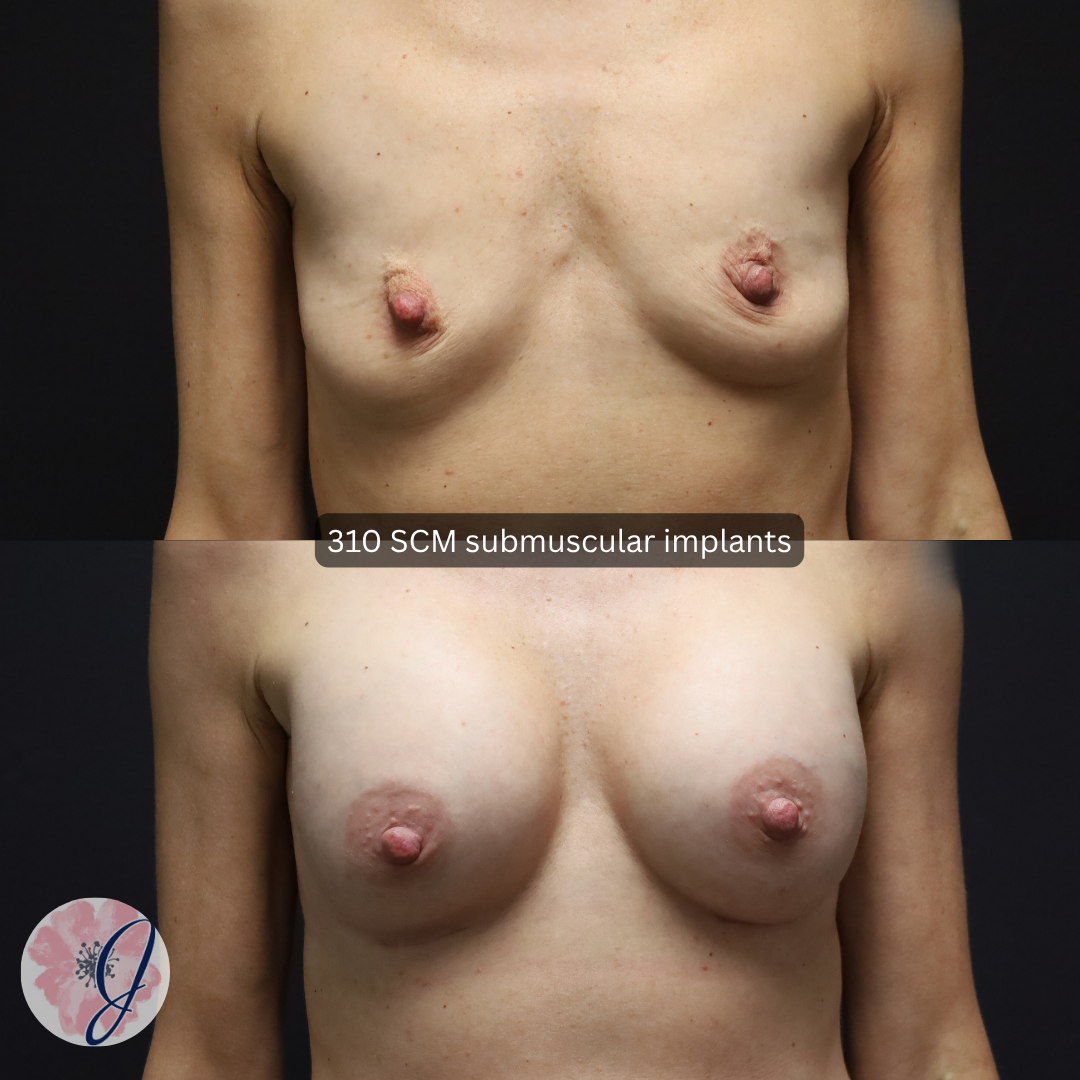
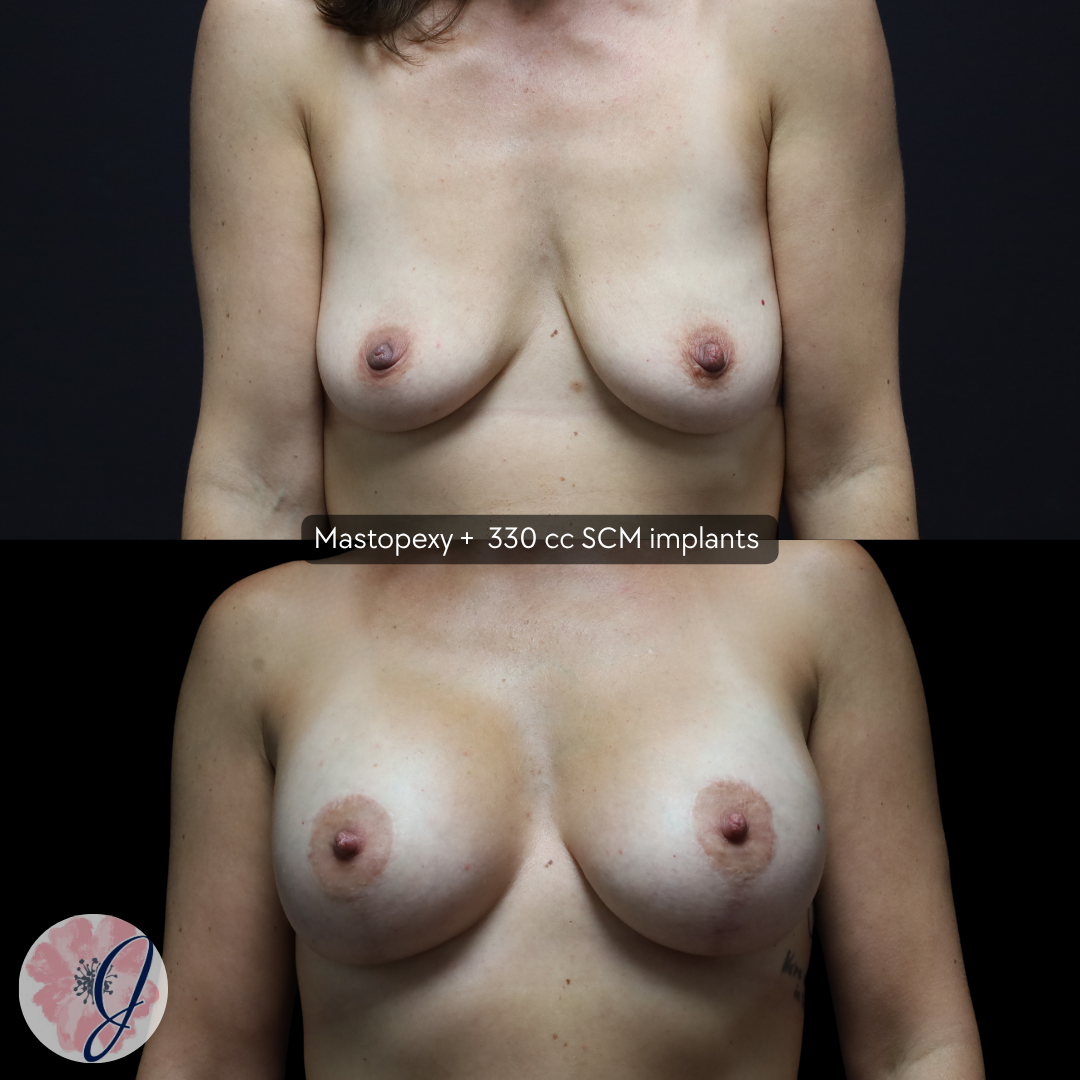

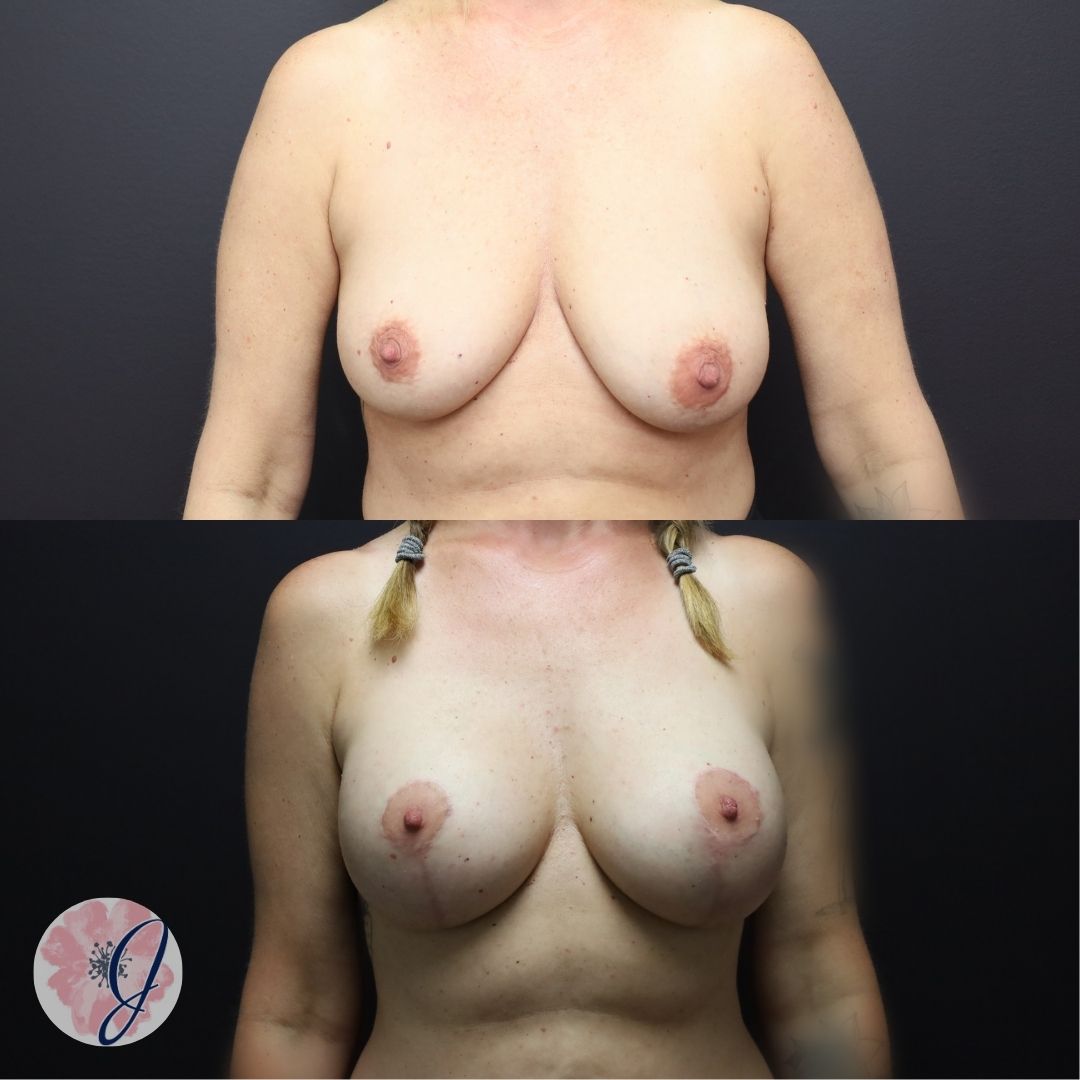
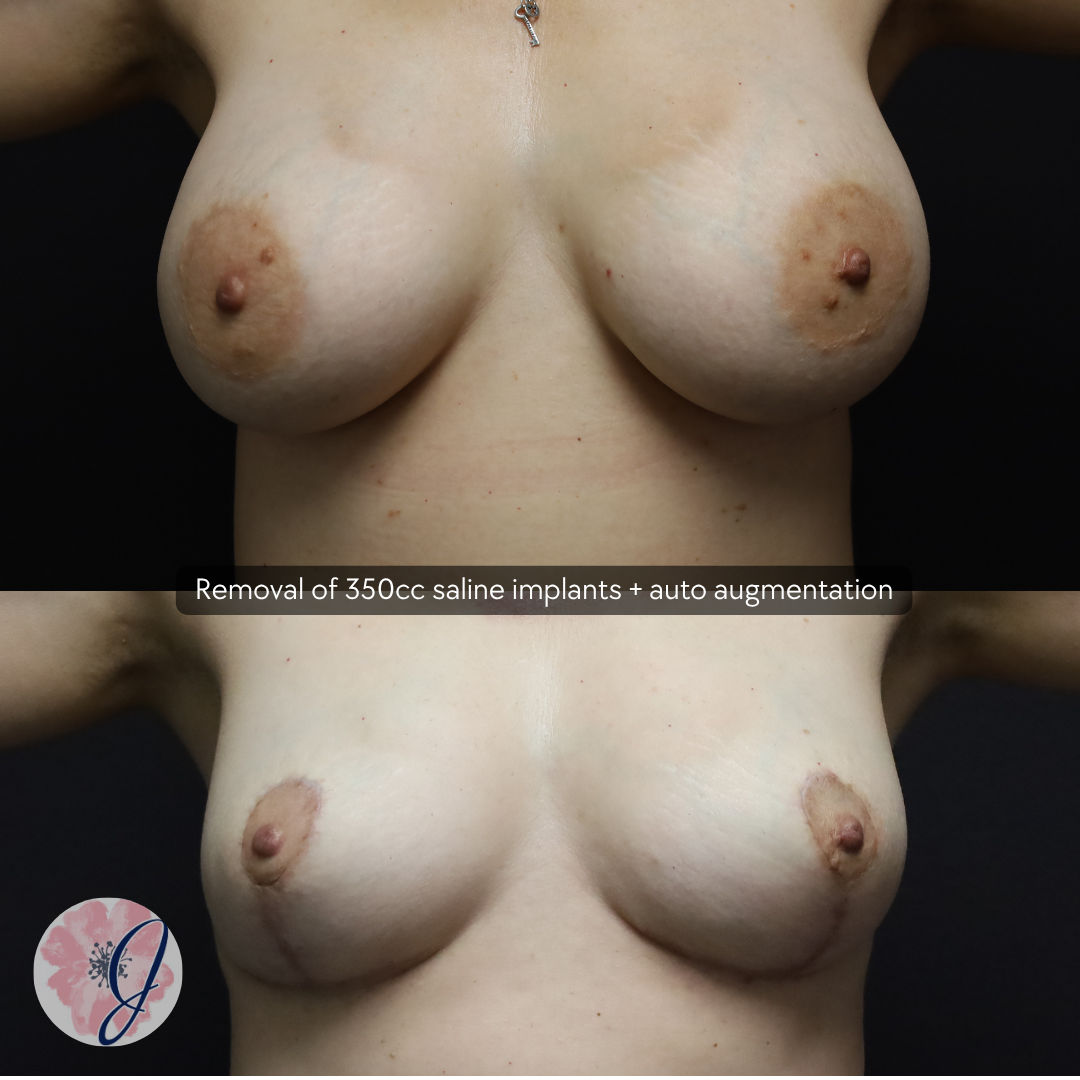
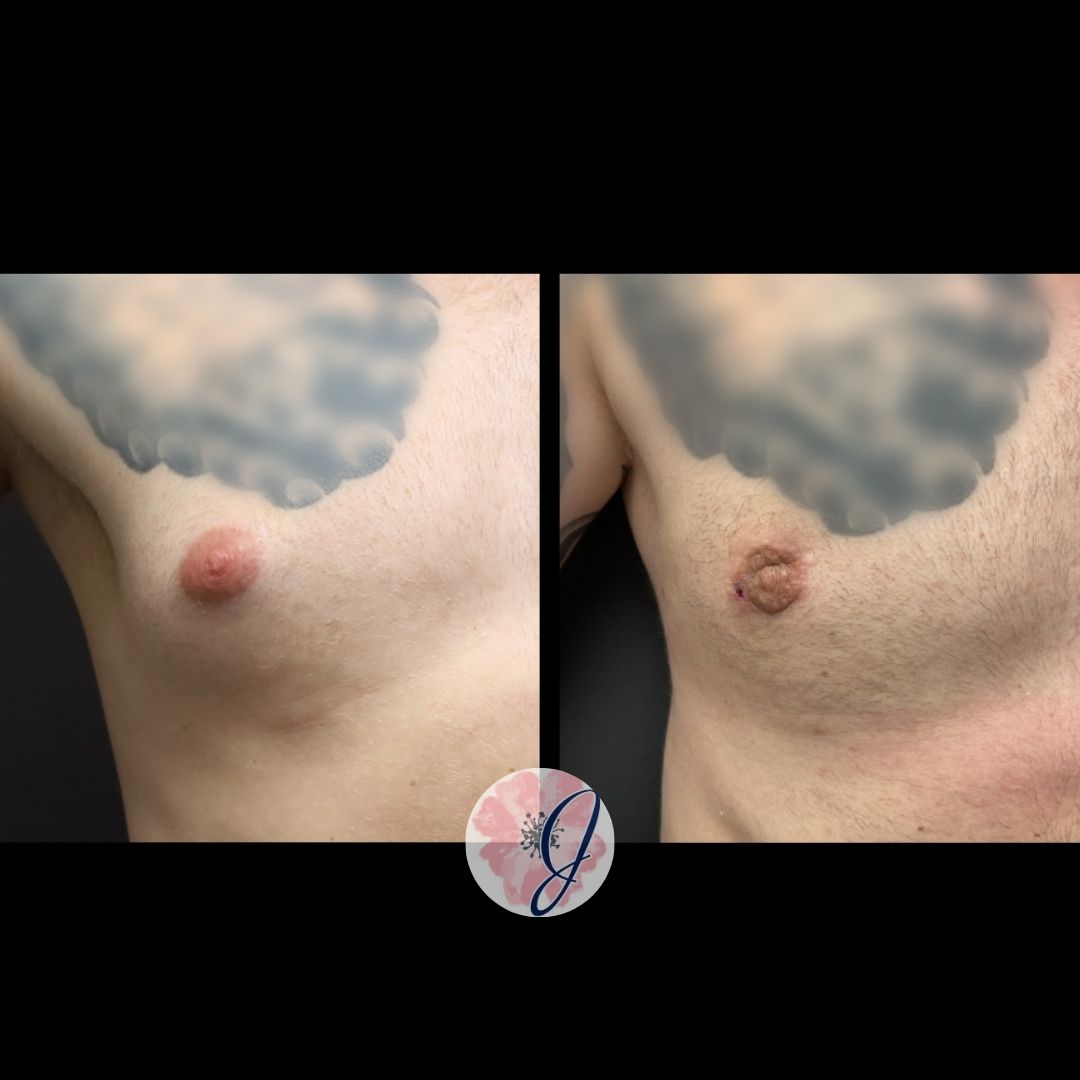
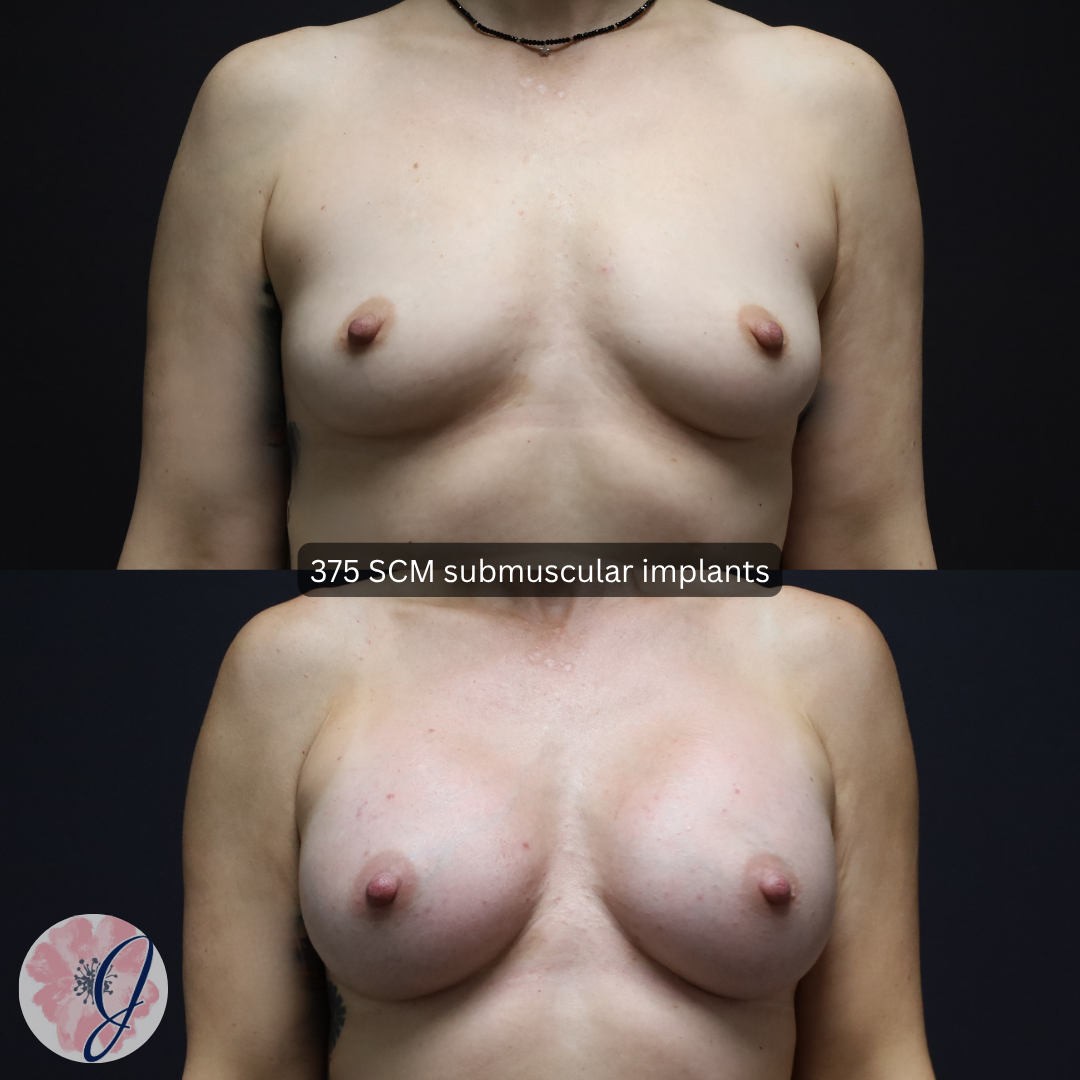
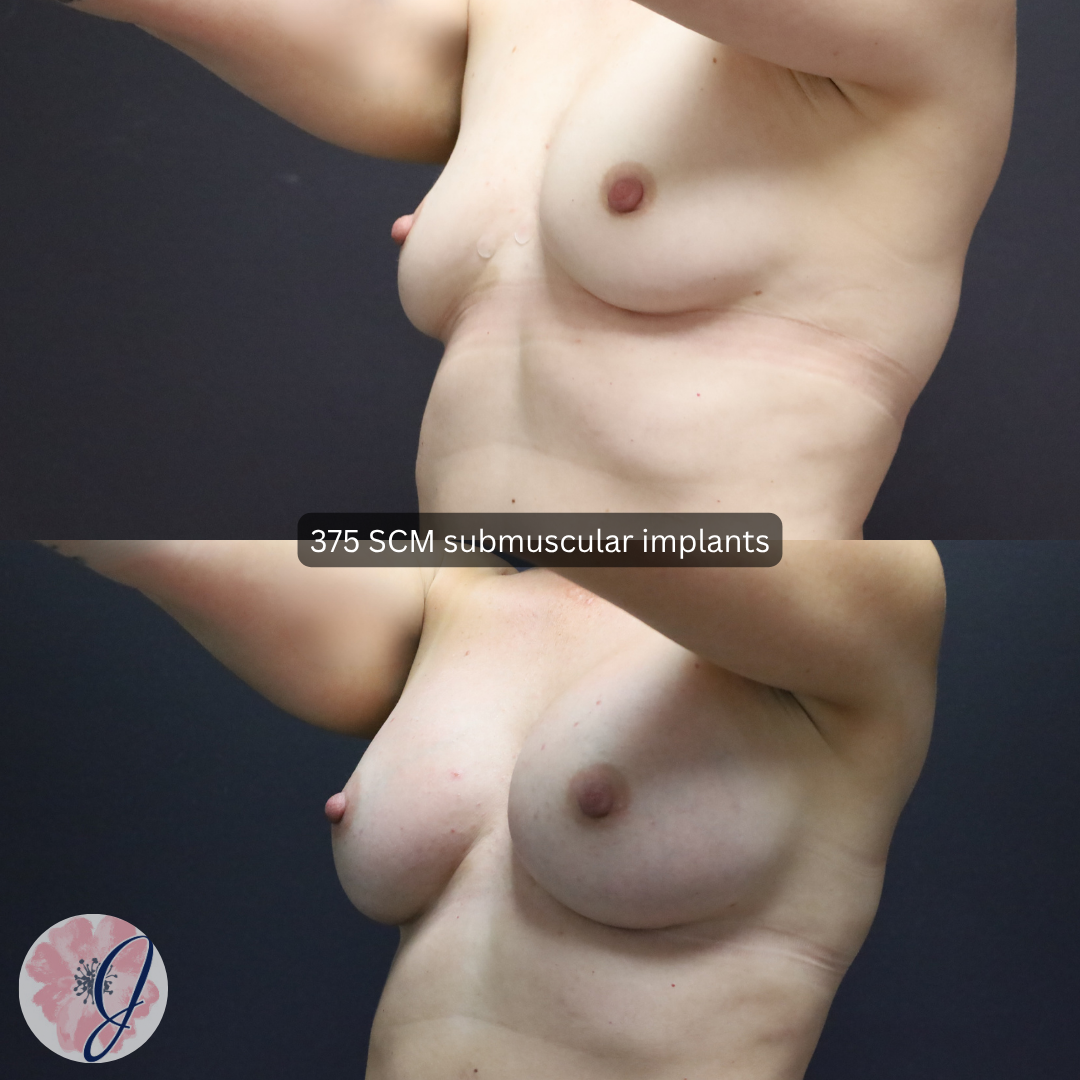
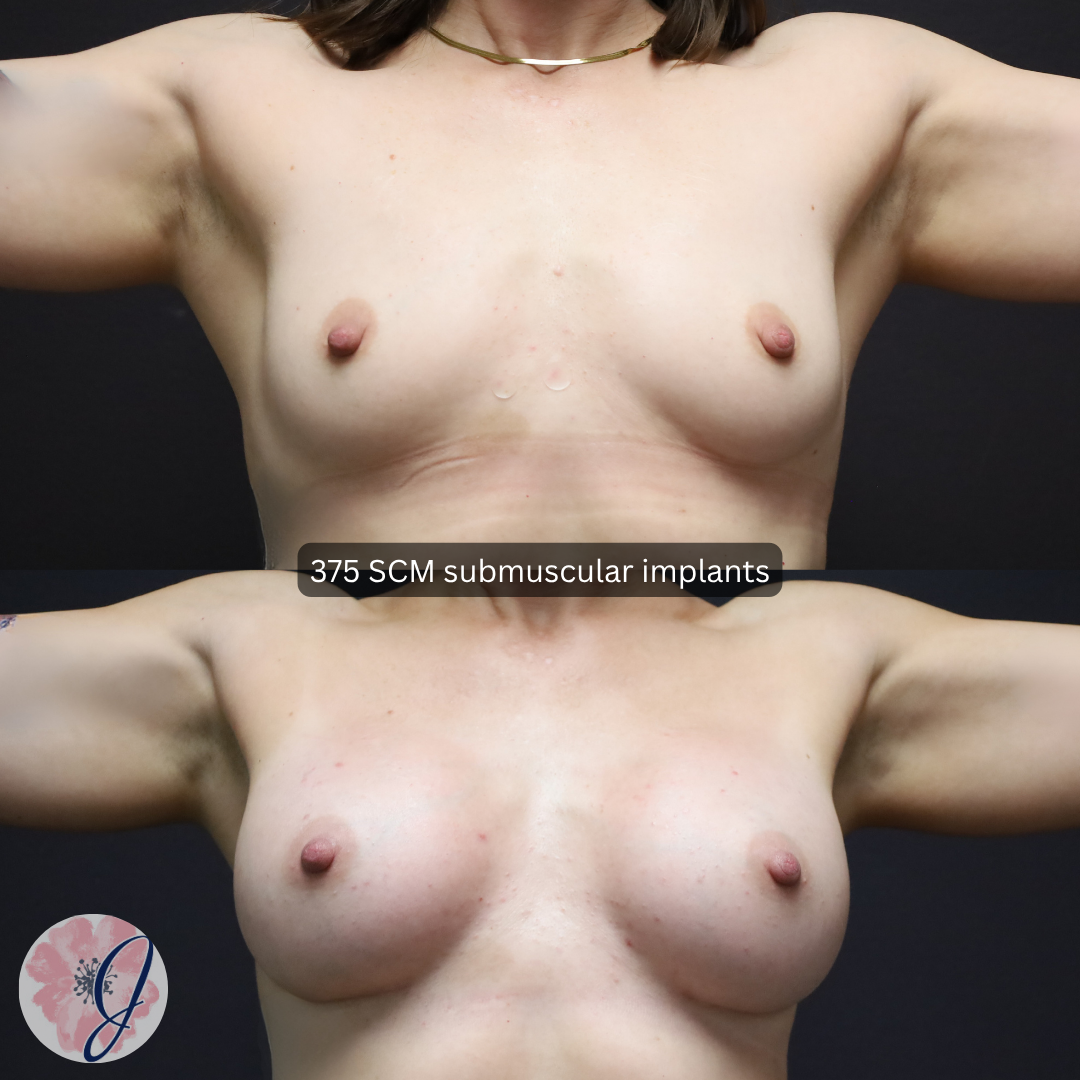
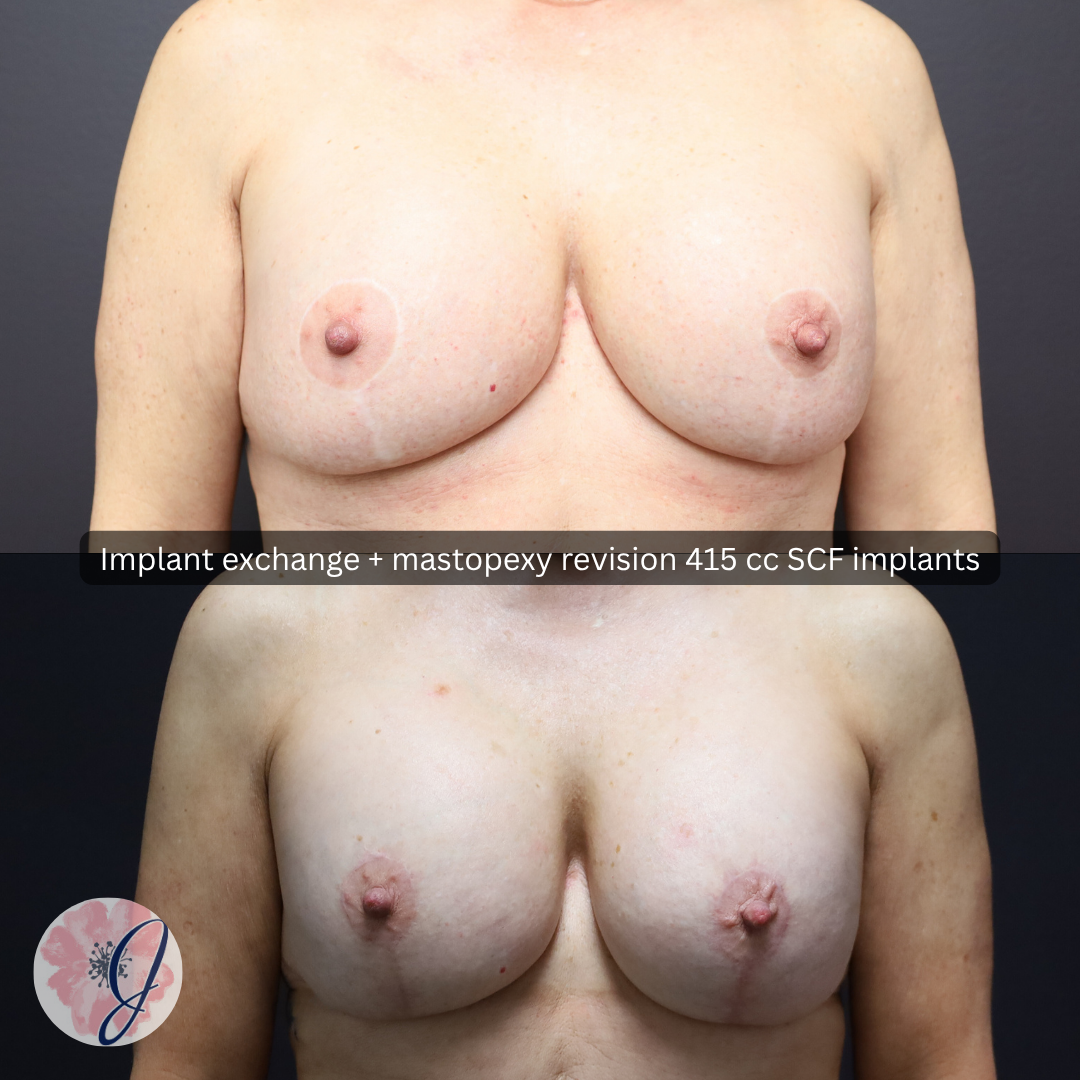
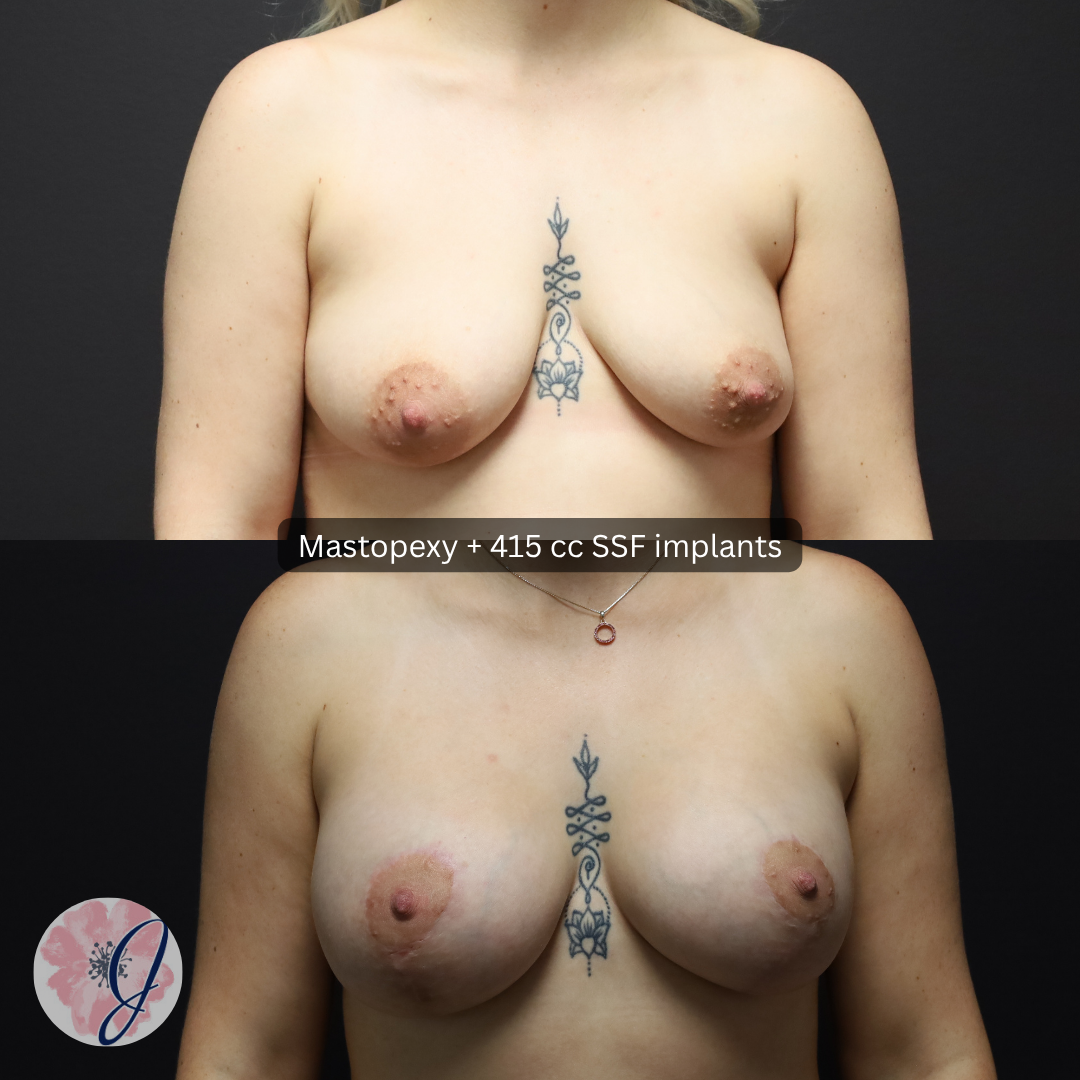
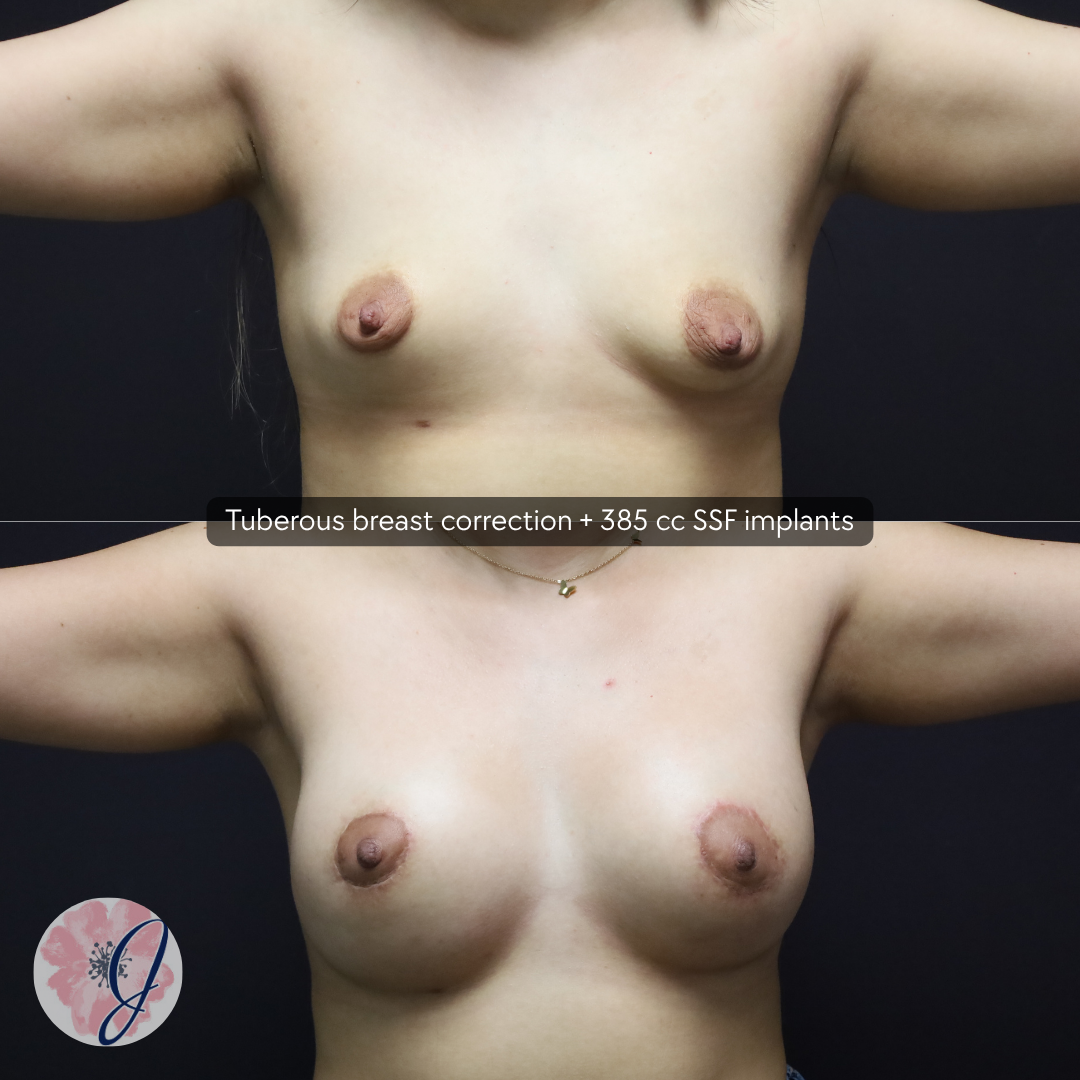
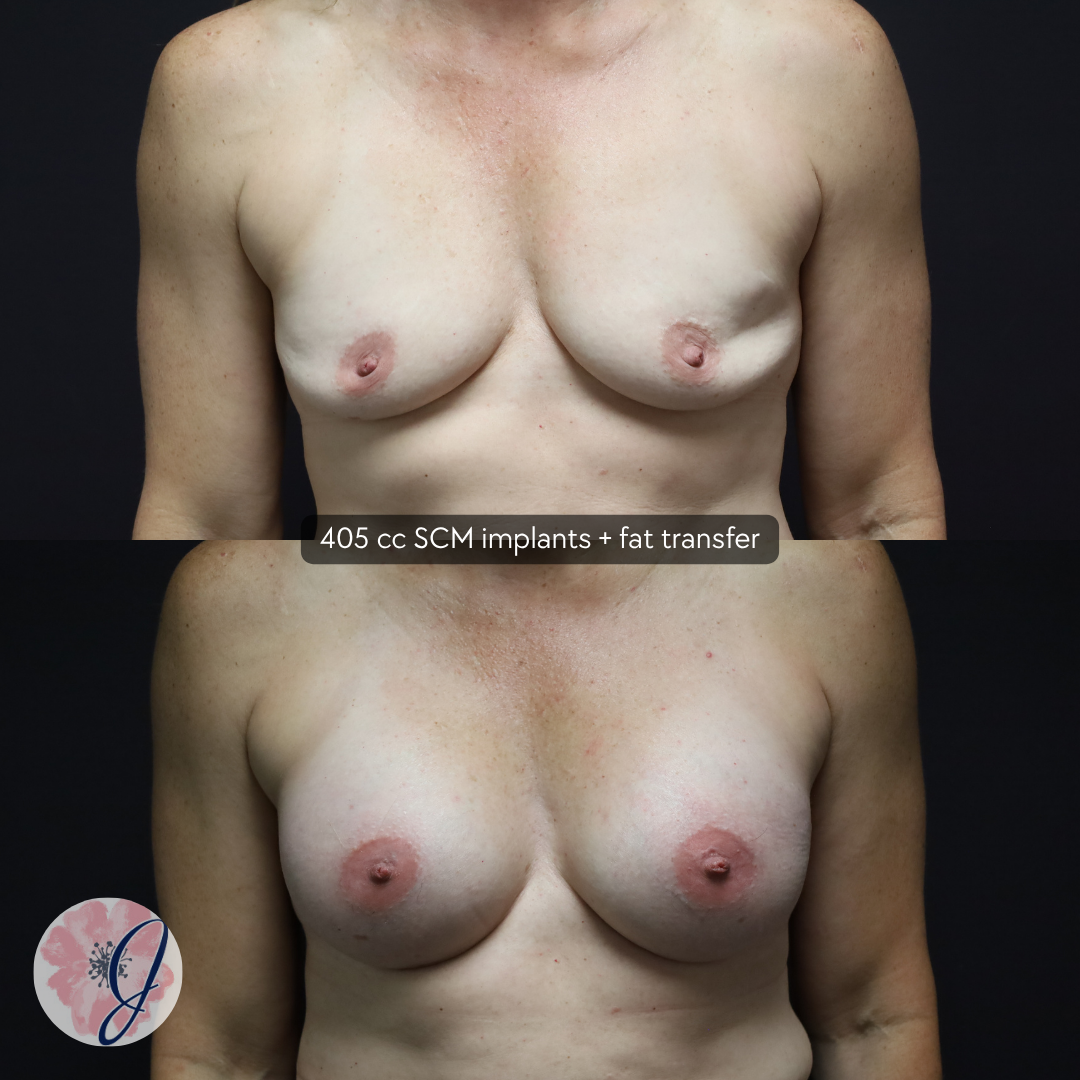
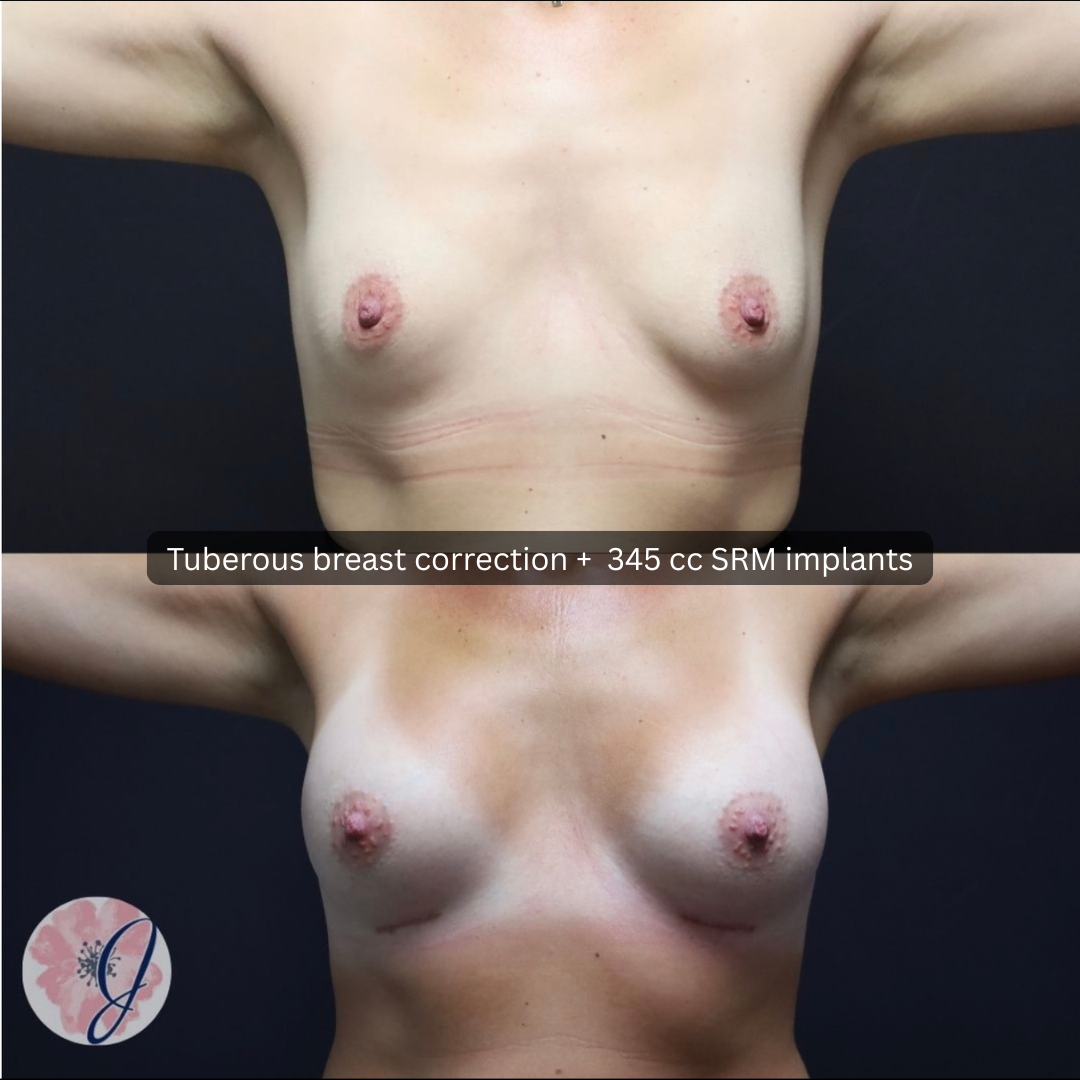
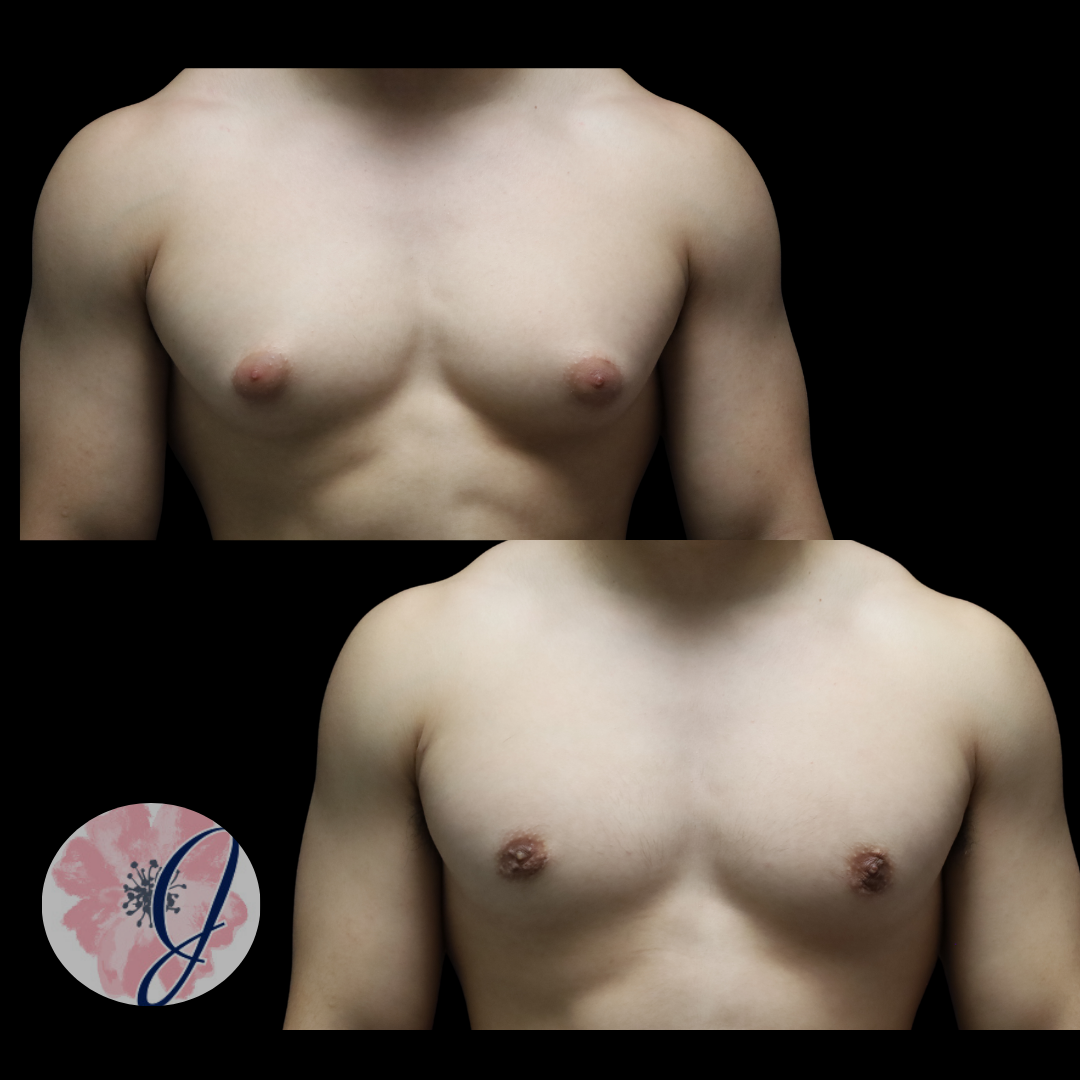


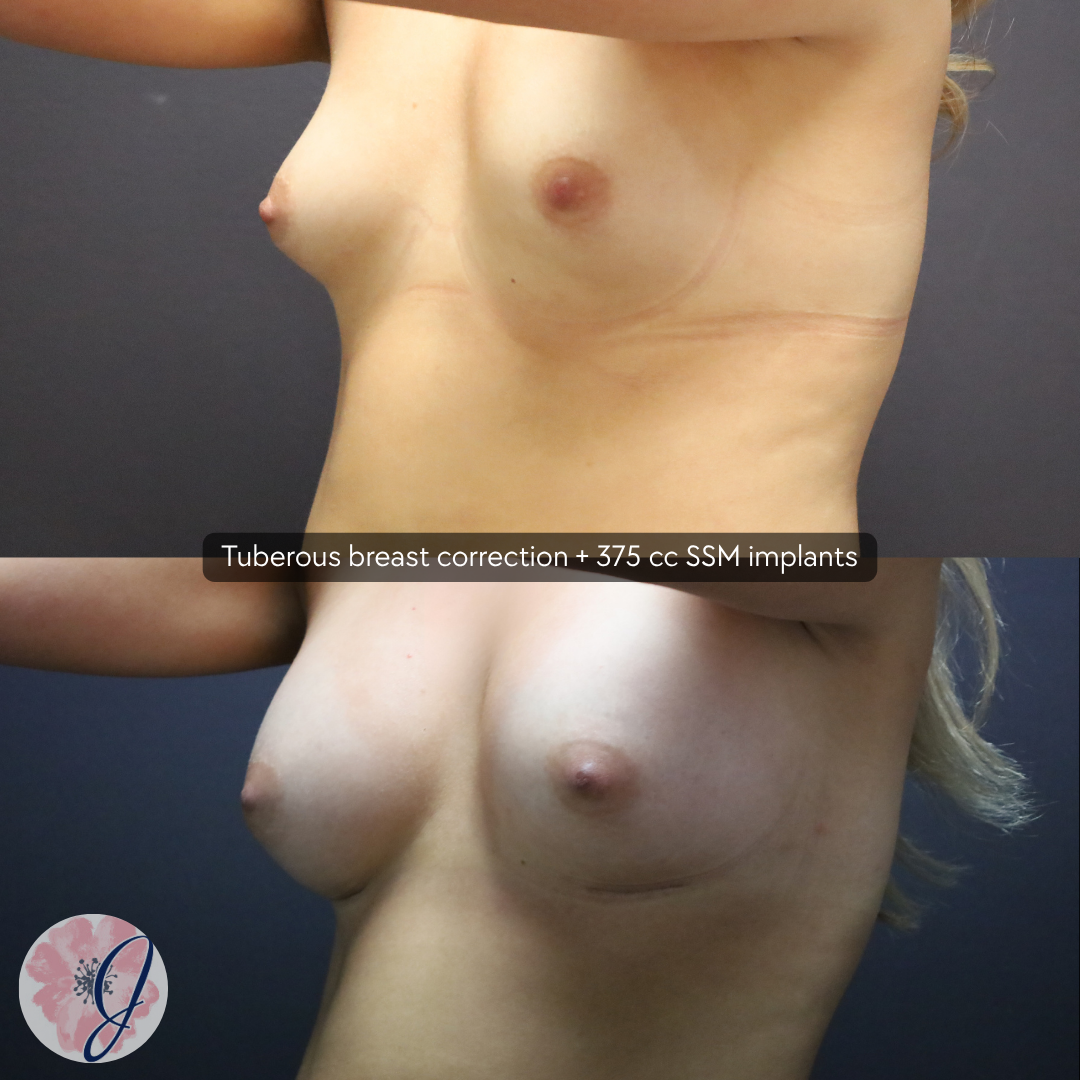
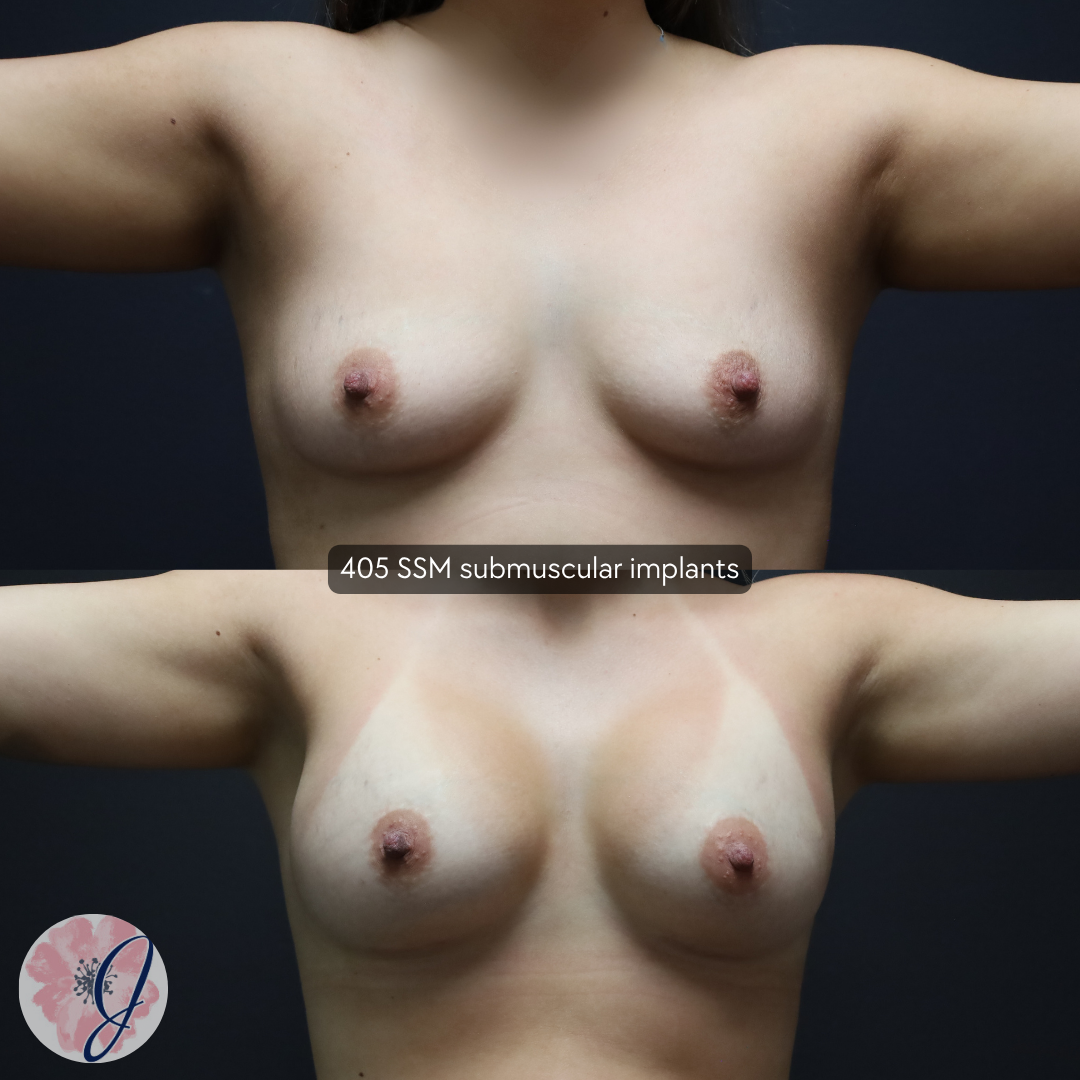
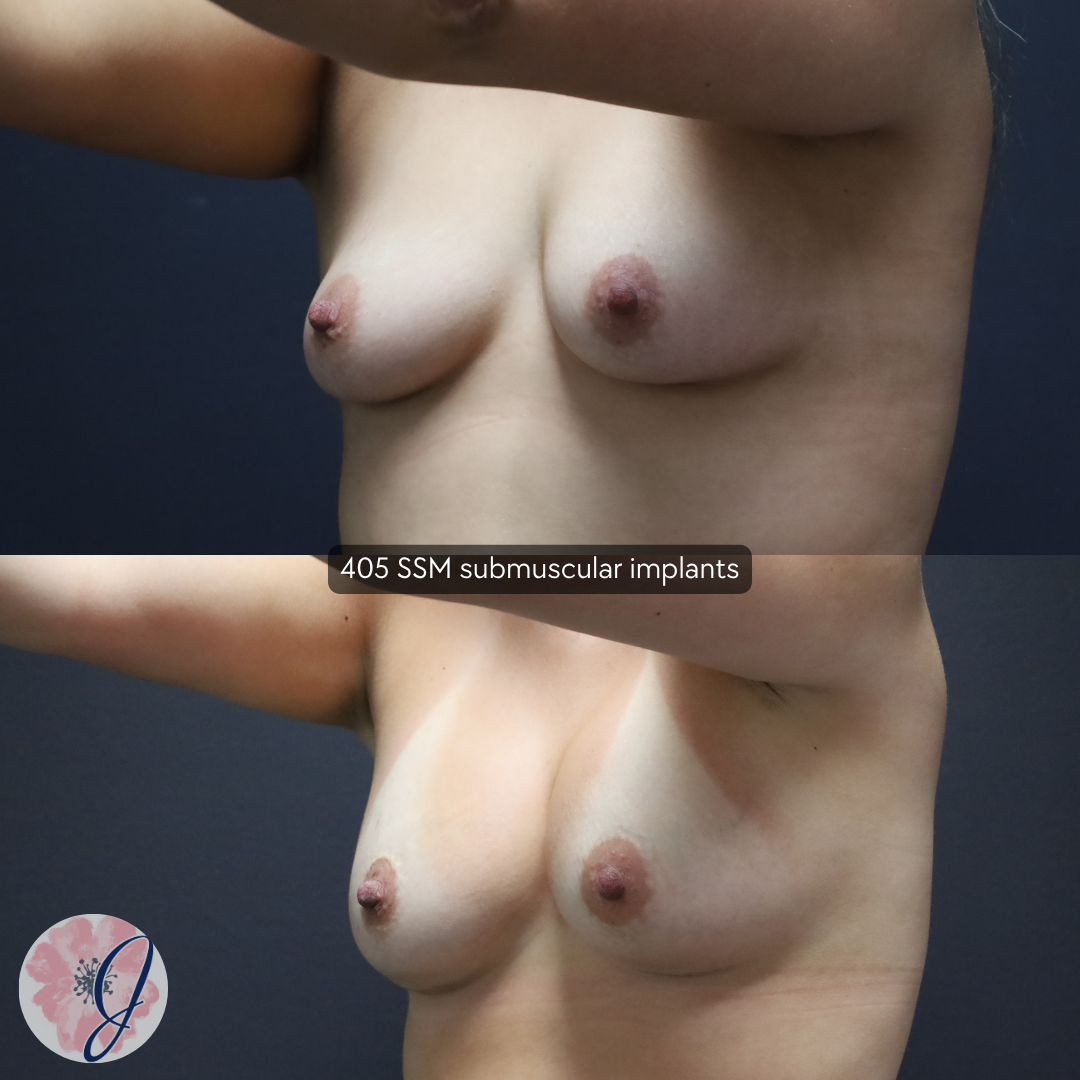
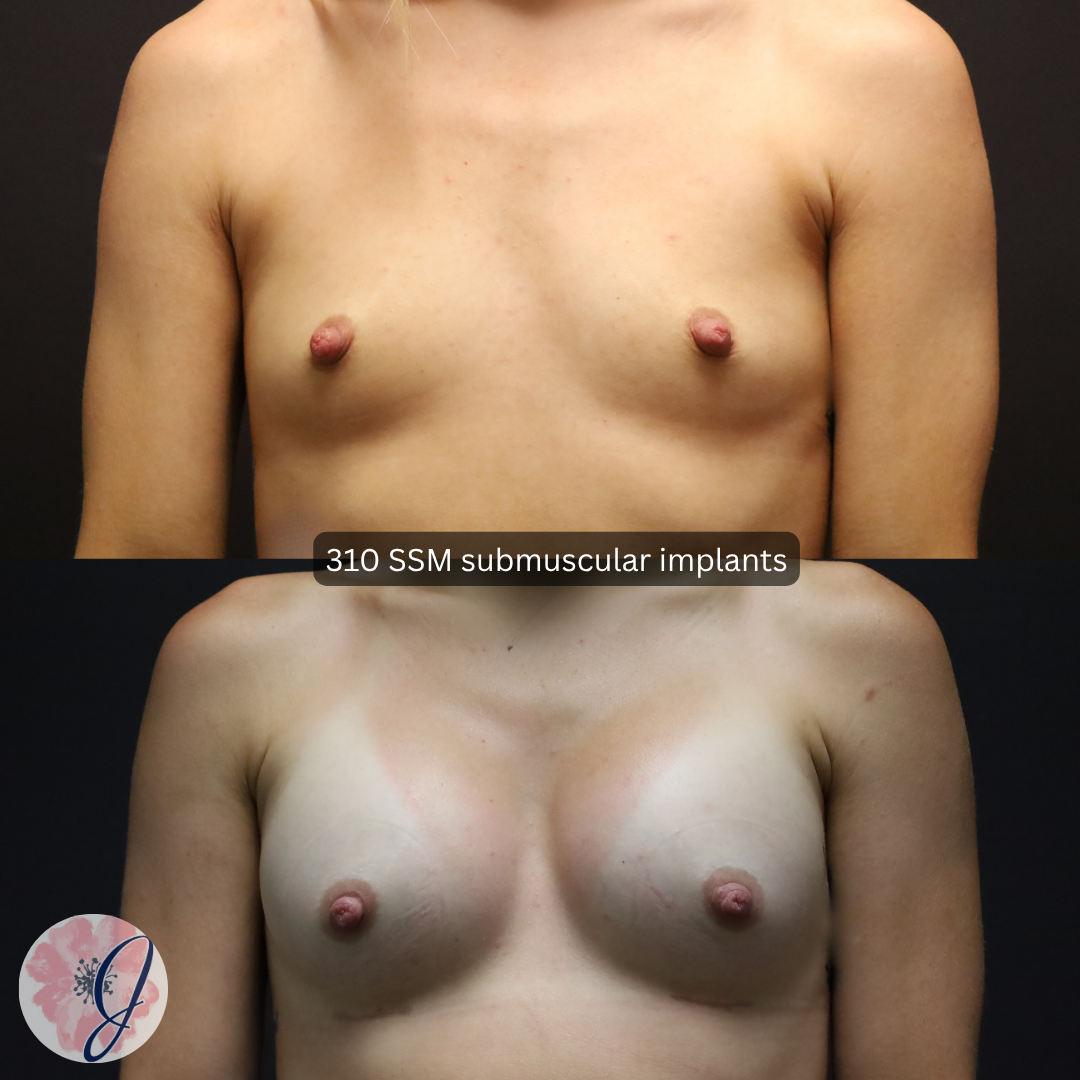
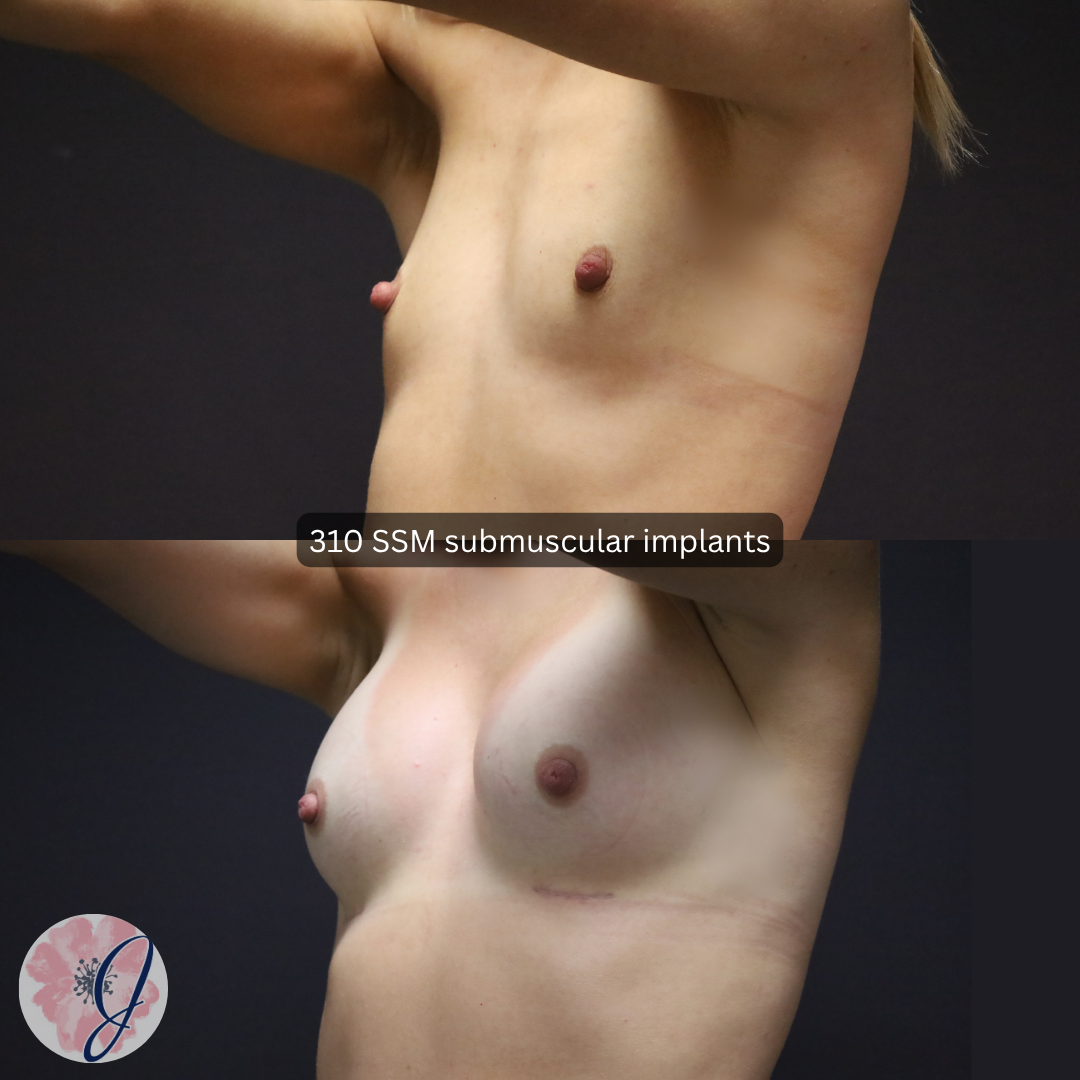
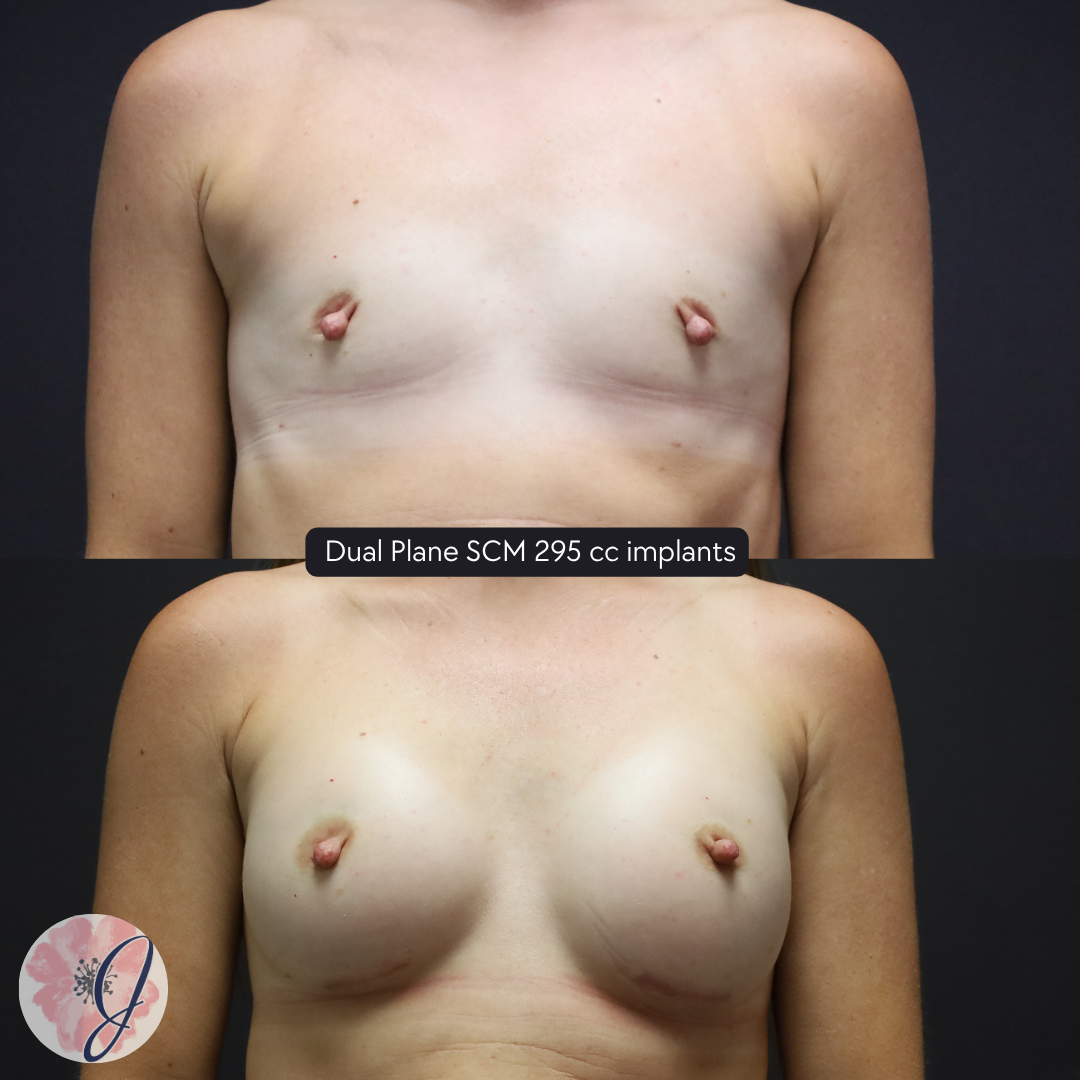
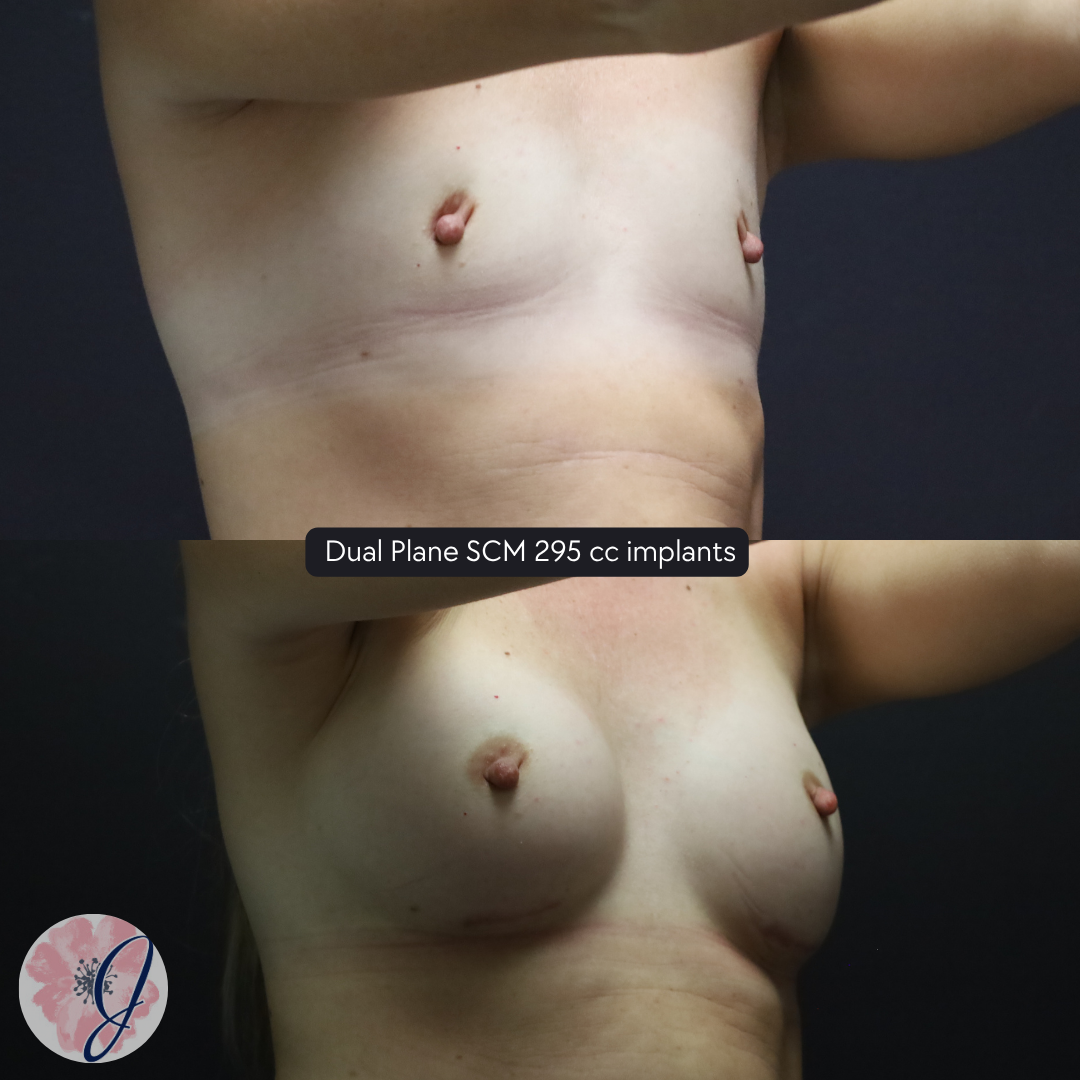
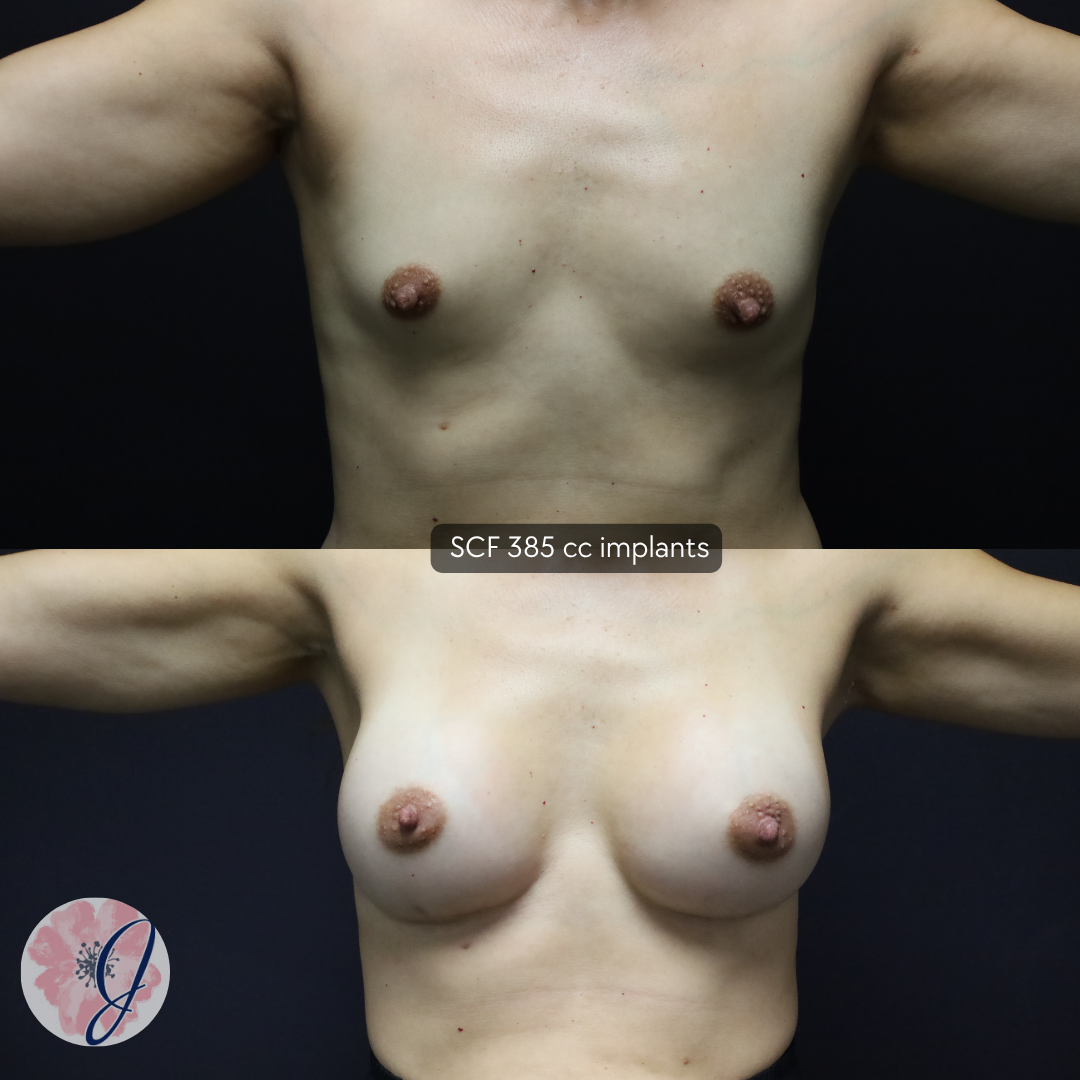
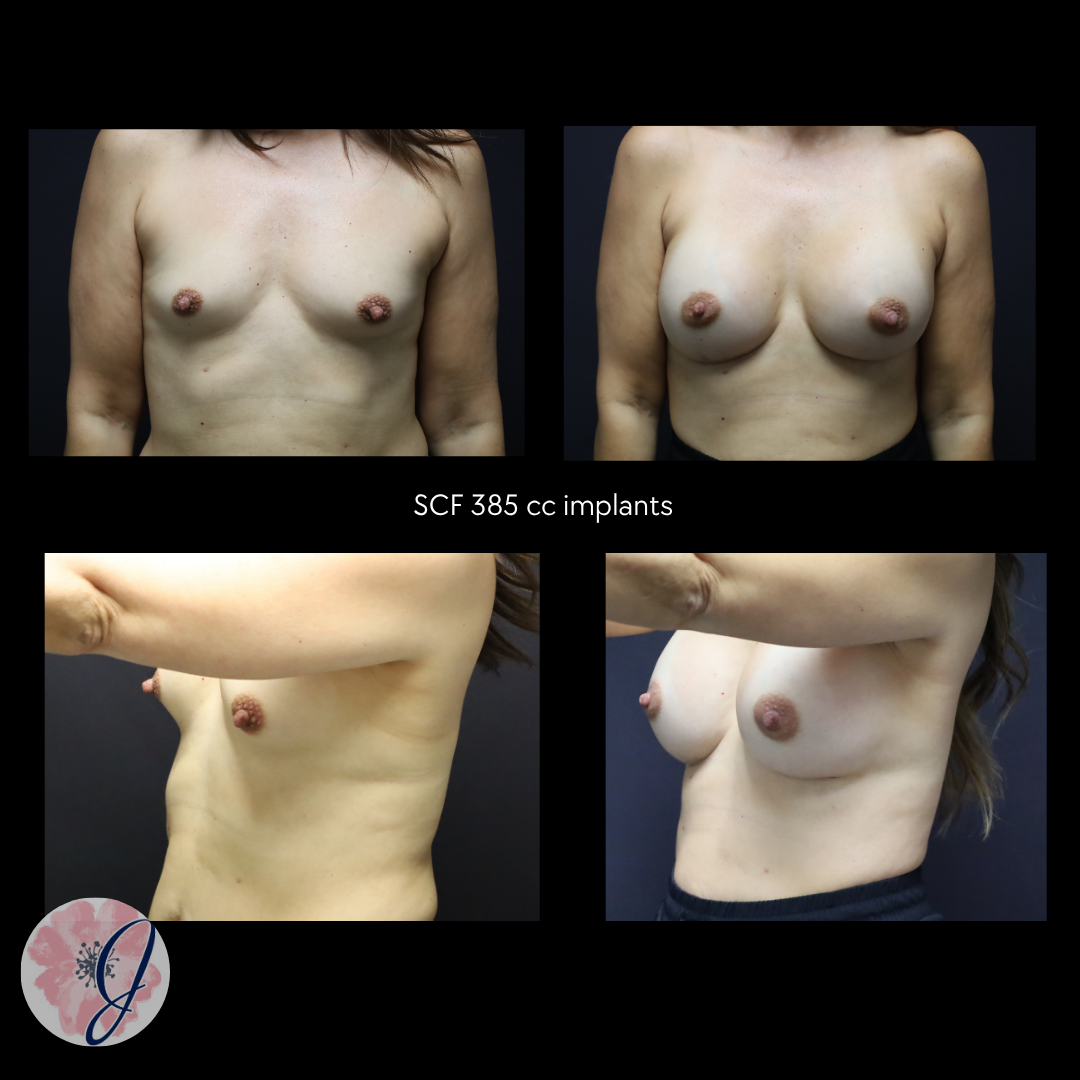
“Natural Results —
Never Overdone.”
Dr. Jacobson’s goal with fat grafting is to create soft, natural breast enhancement that complements your body’s proportions.
The procedure is designed to achieve:
- Subtle, natural volume enhancement
- Improved breast contour
- Balanced proportions
- Natural feel using your own tissue

Why Choose Dr. Jacobson for Breast Fat Grafting?
- Advanced expertise in aesthetic breast surgery and body contouring
- Precision fat harvesting and grafting techniques
- Focus on natural, proportionate breast enhancement
- Personalized treatment plans based on anatomy and goals
- Concierge-level care from consultation through recovery
Fat Transfer to Breasts FAQs
How much larger will my breasts be after fat transfer?
Fat transfer typically provides a modest increase in breast size, approximately ½ to 1 cup size. The actual result depends on how much fat is available for harvesting and individual fat survival rates. Because fat grafting relies on living tissue establishing a new blood supply, the procedure is best suited for subtle to moderate enhancement rather than dramatic volume increase. Patients seeking a larger size change may benefit from discussing breast implants as an alternative or complementary option.
How long does fat transfer to the breasts last?
Long-term studies show that approximately 60–80% of transferred fat cells typically survive permanently, integrating with the surrounding breast tissue. The surviving fat cells behave like natural tissue and will respond to normal body changes such as weight fluctuation. Immediately after surgery, breasts will appear larger due to swelling; as this resolves over several weeks, volume decreases slightly. This early change reflects resolution of swelling rather than loss of transferred fat. Final results stabilize over several weeks to months.
Where does the fat come from, and will the donor sites look different?
Fat is harvested using gentle liposuction from areas where patients naturally store excess volume, most commonly the abdomen, waist or flanks, outer thighs, or lower back. The donor site is selected based on where sufficient fat is available for safe harvesting. Because liposuction is used for harvesting, patients often see improvement in the contour of their donor areas as an additional benefit of the procedure. Compression garments are worn over the liposuction areas during recovery to support proper healing and optimize contour.
Can fat transfer be combined with breast implants?
Yes. Fat transfer can be combined with breast augmentation using implants to refine specific areas of fullness, such as the upper pole of the breast or medial cleavage. This combination allows implants to provide the primary volume increase while fat grafting smooths transitions and enhances overall contour. During your consultation, Dr. Jacobson will help determine whether fat transfer alone, implants alone, or a combined approach is the best strategy for your goals.
What is recovery like after breast fat grafting?
Recovery involves healing at both the liposuction donor sites and the breasts. Most patients plan for about one week of reduced activity. The majority of post-operative soreness typically comes from the liposuction areas rather than the breast grafting itself. Light cardiovascular activity may resume after about two weeks, while heavy lifting and strenuous exercise should be avoided for approximately six weeks. Compression garments are worn over the donor areas, and all patients are seen the day after surgery to ensure proper healing.
Am I a good candidate if I don't have much body fat?
Because fat grafting requires adequate fat stores for harvesting, patients with very little body fat may not have enough donor tissue for a meaningful breast enhancement. In these cases, implant-based breast augmentation may be a better option for achieving the desired volume increase. During your consultation, Dr. Jacobson will evaluate your anatomy, fat distribution, and goals to determine the most effective approach — whether that’s fat transfer, implants, or a combination of both techniques.
Serving Lincoln and Surrounding Nebraska Communities
If you are interested in enhancing the shape and fullness of your breasts using your own natural tissue, fat transfer may be an excellent option. A personalized consultation with Dr. Jacobson at Jacobson Cosmetic Surgery will help determine whether breast fat grafting or breast augmentation is the best approach to achieve your aesthetic goals. Schedule your consultation today. Serving patients throughout Lincoln, Omaha, and greater Nebraska.
Related Procedures
Patients considering fat transfer to the breasts may also be interested in these complementary procedures:
Discover Your Confidence & Unveil Your True Beauty
Contact Lincoln, Nebraska’s premier cosmetic surgery practice, where your journey to enhanced beauty and newfound confidence begins.