

Male Chest Contouring
Gynecomastia is a condition that causes excess tissue to develop in the male chest, creating fullness or projection that may resemble breast tissue. It can occur during adolescence or adulthood and often persists despite weight loss, exercise, or strength training.
For many men, this change in chest shape can lead to frustration, self-consciousness, or avoidance of certain clothing and activities.
Male breast reduction surgery is the most reliable way to correct gynecomastia. The procedure removes excess fat and dense glandular tissue while reshaping the surrounding chest to create a flatter, more defined contour.
At Jacobson Cosmetic Surgery, Dr. Jacobson performs male chest contouring with an emphasis on proportion, symmetry, and natural masculine anatomy. The goal is not simply to remove tissue, but to sculpt a chest that looks balanced, athletic, and natural for each patient’s body.

What Gynecomastia Surgery Can Improve
Male breast reduction addresses excess tissue in the chest that contributes to a fuller or feminized appearance.
By removing the underlying cause of chest fullness and refining the surrounding contour, the procedure restores a more masculine chest shape.
Gynecomastia Surgery may help improve
- Enlarged male breast tissue
- Excess fat in the chest area
- Dense glandular breast tissue beneath the nipple
- Lack of chest definition
- Asymmetry between the two sides of the chest
- Skin looseness in more advanced cases
Why Gynecomastia Occurs
Gynecomastia most commonly develops due to a hormonal imbalance where estrogen activity exceeds testosterone. This hormonal shift stimulates the growth of glandular breast tissue beneath the nipple area. Unlike fat, glandular tissue cannot be reduced through diet or exercise alone.
At Jacobson Cosmetic Surgery, treatment plans are tailored to the specific tissue composition present in each patient.
Requires Surgery
True Gynecomastia
Caused by hormonal imbalance stimulating glandular breast tissue growth beneath the nipple area.
- Dense glandular tissue present
- Cannot be reduced through diet or exercise
- Requires surgical removal for lasting correction
- Often includes hormonal component
May Respond to Lifestyle
Pseudogynecomastia
Caused by excess fatty tissue in the chest area without significant glandular involvement.
- Primarily fat-based fullness
- May reduce with weight loss
- Liposuction may be sufficient
- No dense glandular core
Dr. Jacobson’s Approach to Male Chest Sculpting
Male chest contouring requires a different aesthetic approach than female breast procedures. The goal is to create a naturally masculine shape that aligns with the contours of the pectoral muscles.
This anatomy-guided approach helps ensure the result appears natural rather than surgically altered.
Dr. Jacobson focuses on:
01
Smooth, flat chest profile
Creating a contour that appears natural and proportionate from every angle.
02
Preserved pectoral definition
Maintaining the natural muscular anatomy of the chest wall.
03
Avoiding over-resection
Preventing contour irregularities that can result from removing too much tissue.
04
Maintaining symmetry
Ensuring balanced results across the entire chest.
The Male Breast Reduction Procedure
Gynecomastia surgery is typically performed as an outpatient procedure under general anesthesia. The surgical technique is selected based on whether the excess chest fullness is caused by fat, glandular tissue, or a combination of both.
The procedure permanently removes the excess glandular tissue responsible for the condition. Once removed, the tissue typically does not return unless significant hormonal changes occur. Final contour improvements continue as swelling resolves over several months.
01
Liposuction for Fat Reduction
When excess fatty tissue contributes to chest fullness, liposuction may be used to contour the area.
- Small incisions placed in discreet locations on the chest
- A slender cannula is inserted beneath the skin
- Excess fat is carefully removed to refine the chest shape
Liposuction helps smooth transitions and enhance the natural contour of the chest wall.
02
Surgical Removal of Glandular Tissue
If firm glandular breast tissue is present beneath the nipple, it must be surgically removed to fully correct the condition. This is typically performed through a small incision placed along the border of the areola.
- Dense glandular tissue is carefully excised
- The remaining tissue is reshaped
- The chest contour is refined
The incision is designed to blend into the natural edge of the areola for minimal visibility once healed.
03
Combined Techniques
Most patients benefit from a combination of liposuction and glandular tissue removal.
Liposuction allows for precise contouring of surrounding fat, while direct excision removes the dense core of glandular tissue responsible for gynecomastia.
Together, these techniques create a smoother and more natural chest contour.
04
Addressing Excess Skin
In patients with long-standing gynecomastia or significant weight loss, there may also be skin laxity. When needed, additional techniques can be used to:
- Remove excess skin
- Improve skin tightening
- Reposition the nipple-areola complex
These steps help ensure the chest remains smooth and proportionate after tissue removal.
Who Is a Candidate for Gynecomastia Surgery?
A consultation with Dr. Jacobson will help determine whether surgery is the appropriate option based on your anatomy and goals.
- Are in good overall health
- Do not smoke or are willing to stop before surgery
- Are bothered by fullness or enlargement in the chest
- Have stable body weight
- Have realistic expectations about surgical results
Gynecomastia Surgery Recovery & Downtime
Recovery from gynecomastia surgery is generally straightforward. Most men return to daily routines relatively quickly, with gradual improvement in swelling and chest contour over the following weeks.
1–3 Days
Initial Downtime
Rest & compression vest wear begins
3–7 Days
Light Activity
Light walking; desk work possible within first week
2–4 Weeks
Avoid Heavy Lifting
Avoid strenuous exercise & chest-focused workouts
4–6 Weeks
Return to Exercise
Compression vest continues; gradual return to exercise
6+ Weeks
Final Contour
Cleared for full activity at postoperative visit
Compression Vest — 4–6 Weeks
A specialized compression vest is worn for approximately 4–6 weeks following surgery. Compression helps:
- Reduce swelling
- Support healing tissues
- Encourage smooth skin redraping
- Maintain the new chest contour
Activity Guidelines
Physical activity is gradually reintroduced as healing progresses. Typical recommendations include:
- Light walking within a few days
- Avoiding strenuous exercise for 4–6 weeks
- Avoiding chest-focused workouts early in recovery
Most patients resume full exercise after they are cleared at their postoperative visit.
Incision Healing and Scarring
Incisions are carefully placed to remain as inconspicuous as possible. Common locations include:
- Along the border of the areola
- Within natural chest folds
Over time, these scars generally fade and become difficult to notice.
Sensation Changes
Temporary numbness or altered sensation in the chest area can occur after surgery. This typically improves gradually as nerves recover during the healing process.
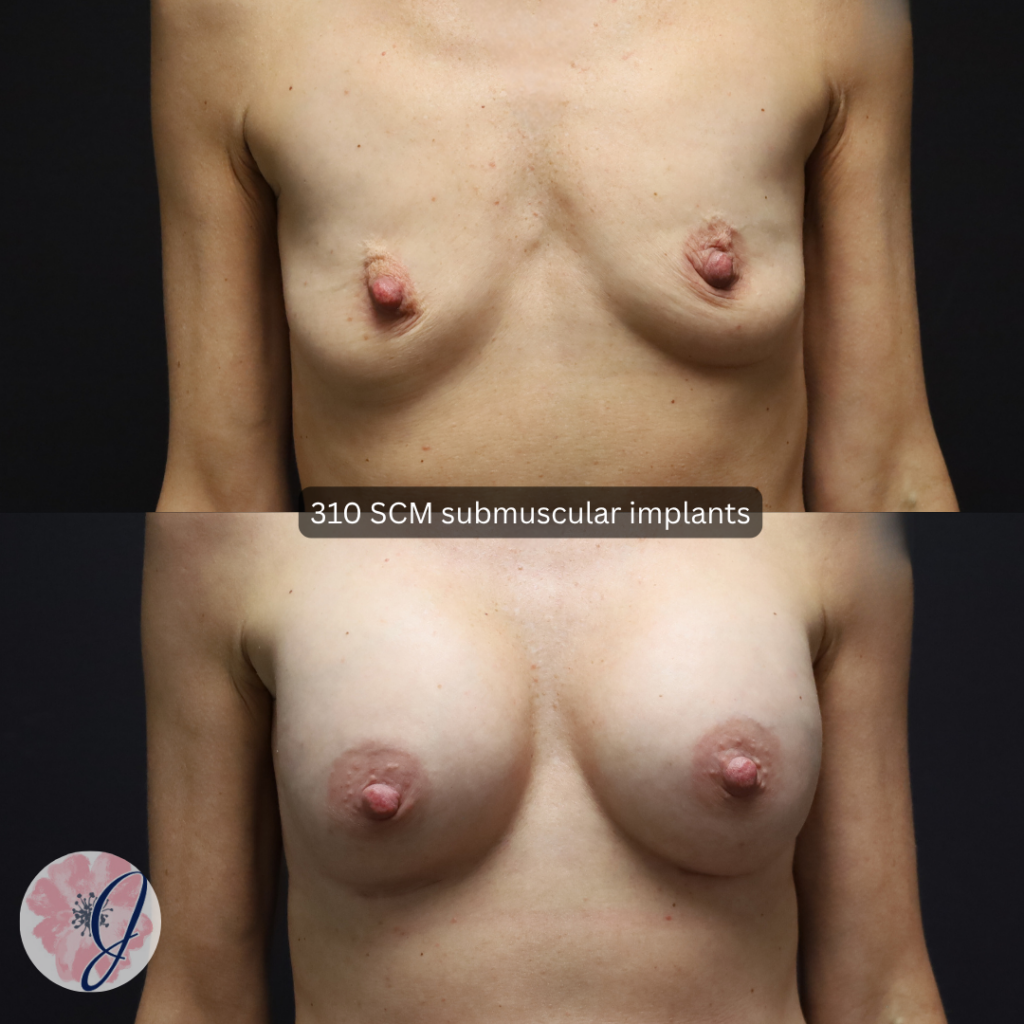
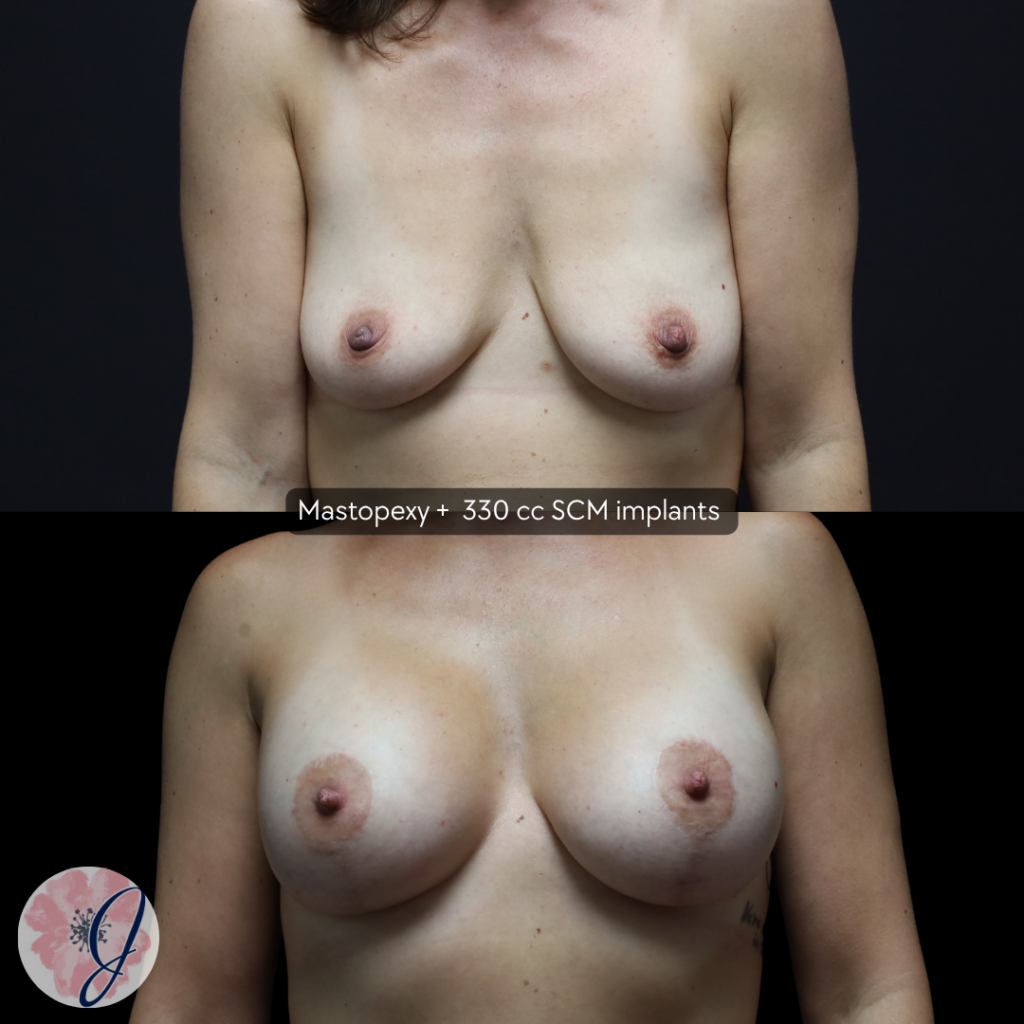
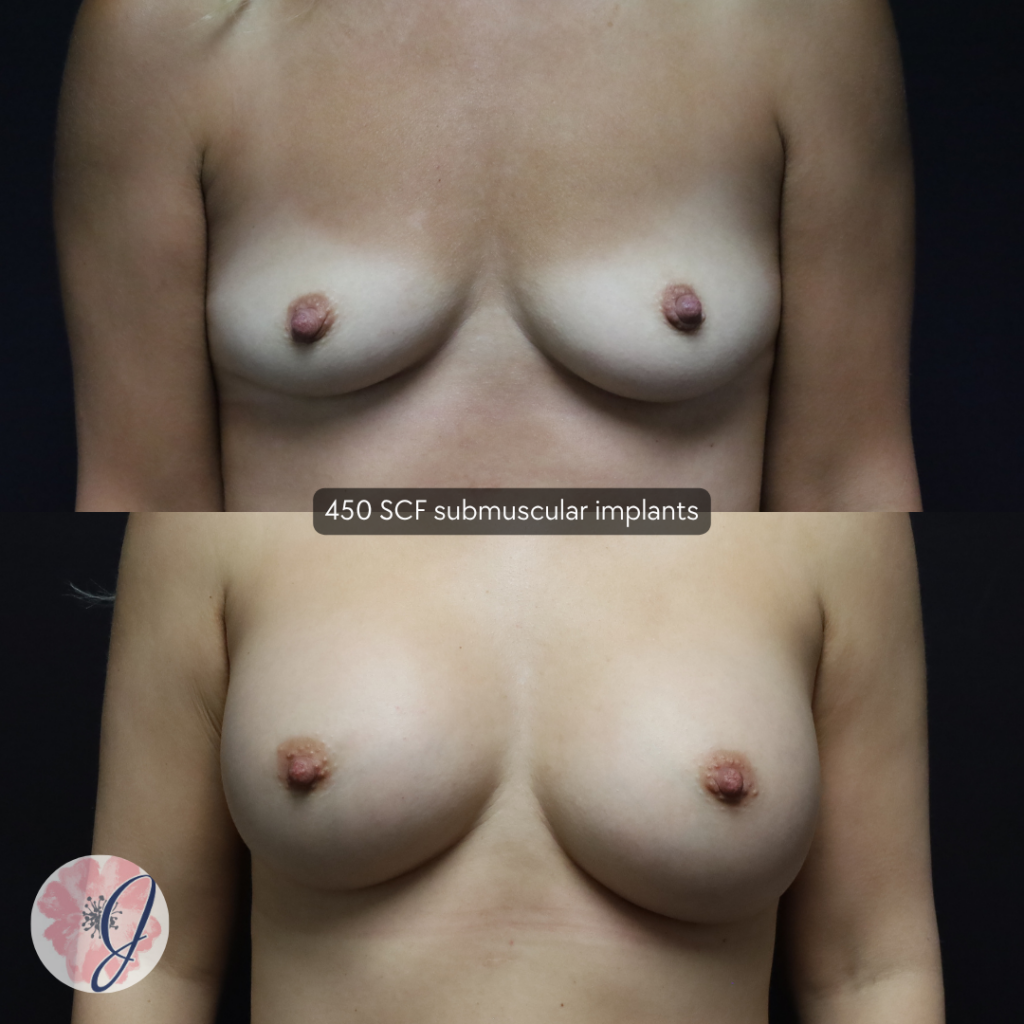
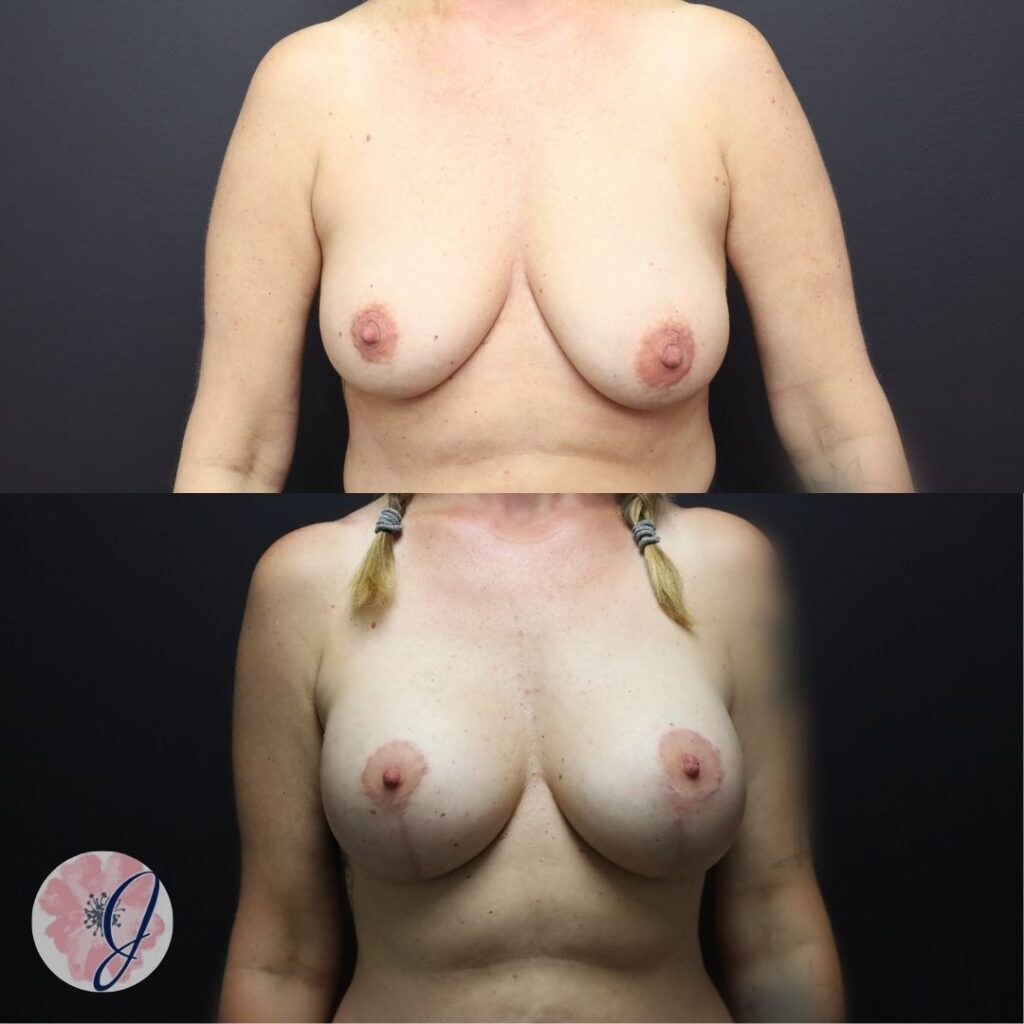
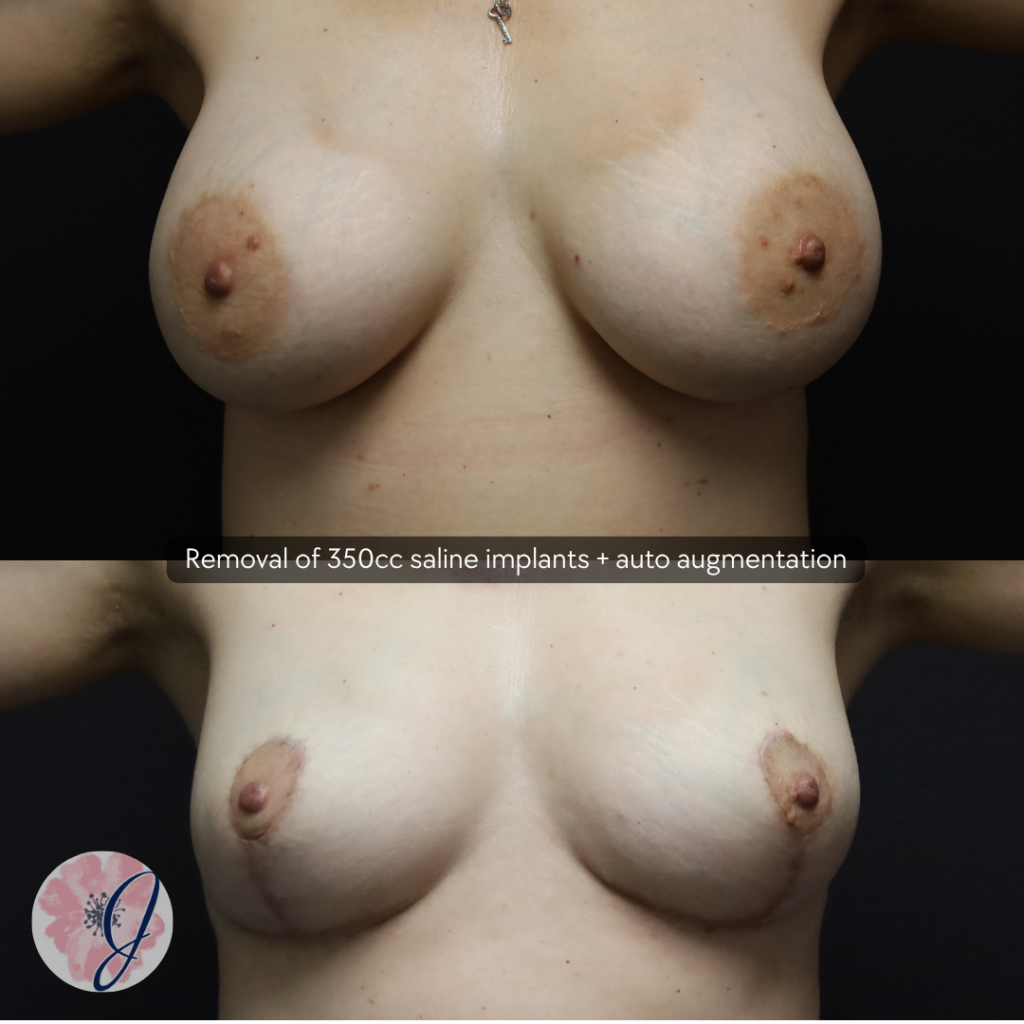
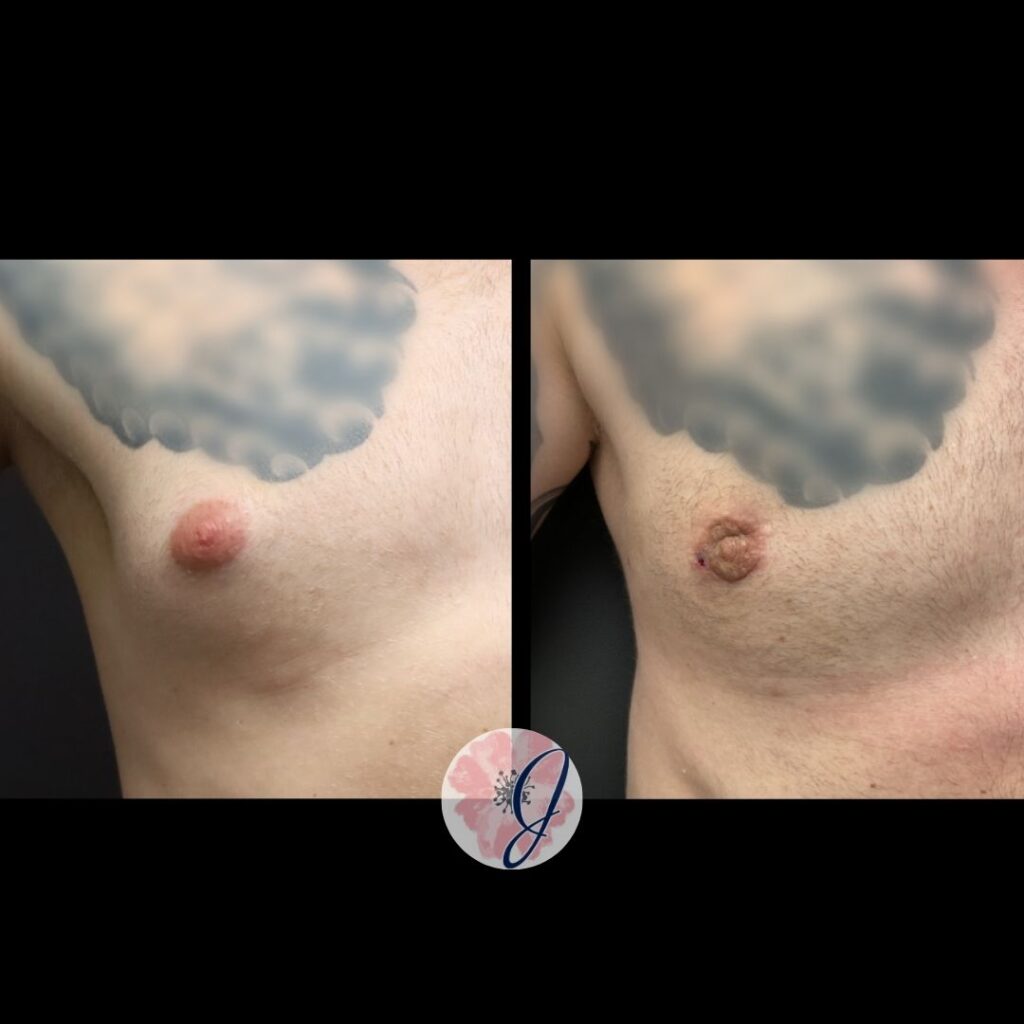
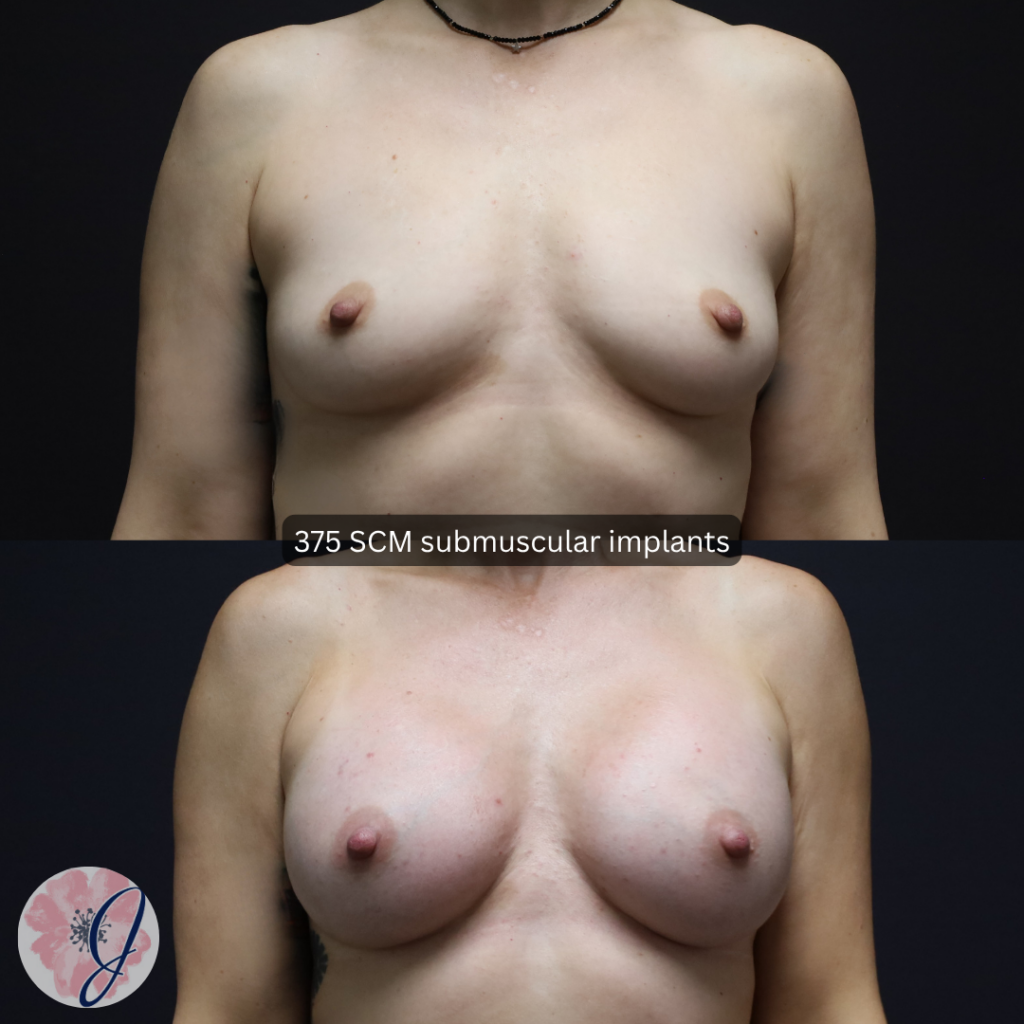
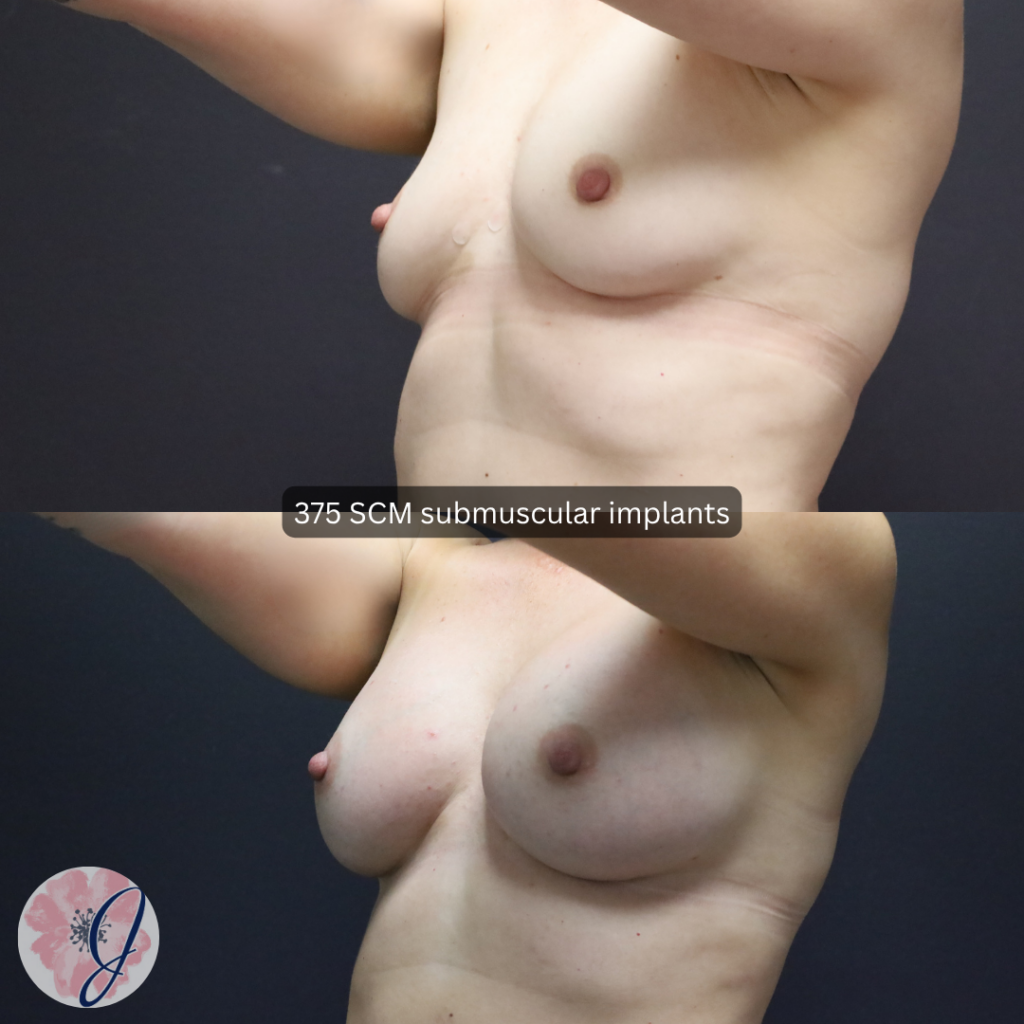

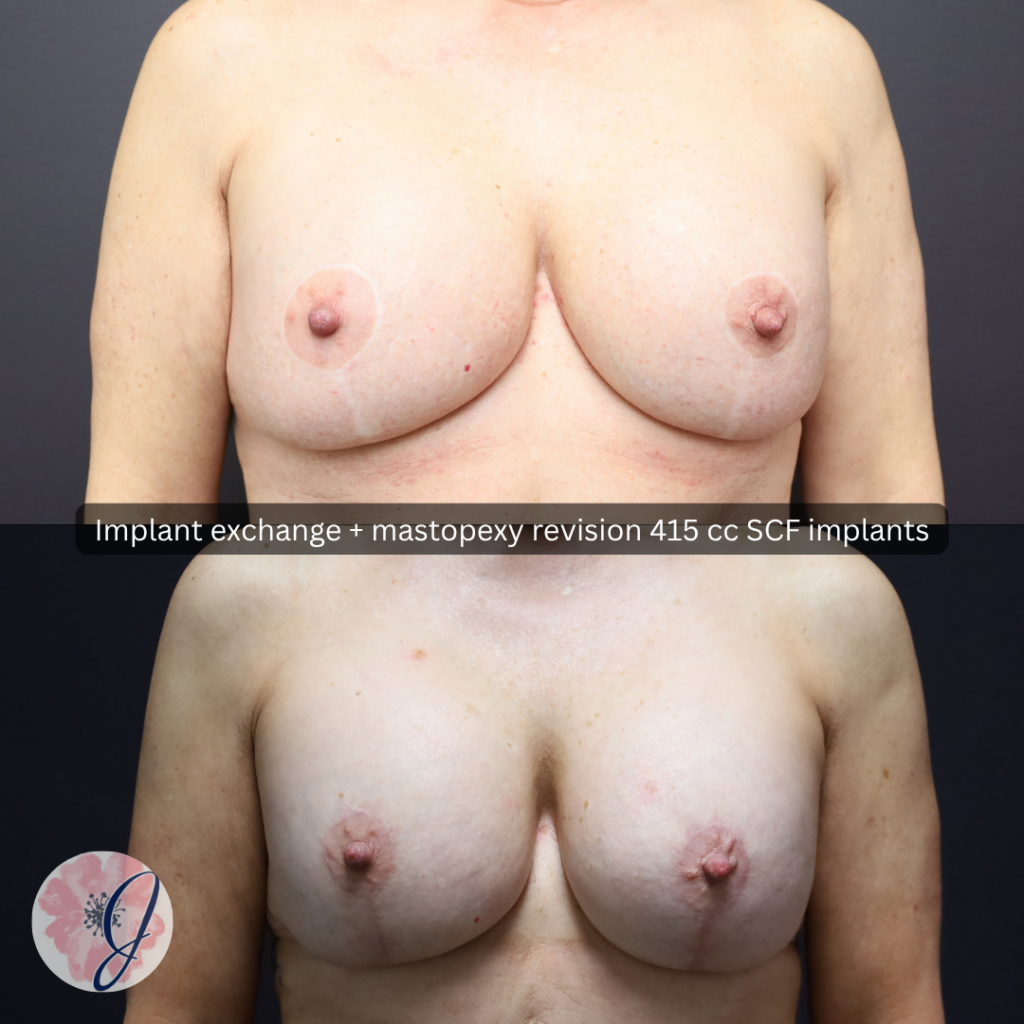
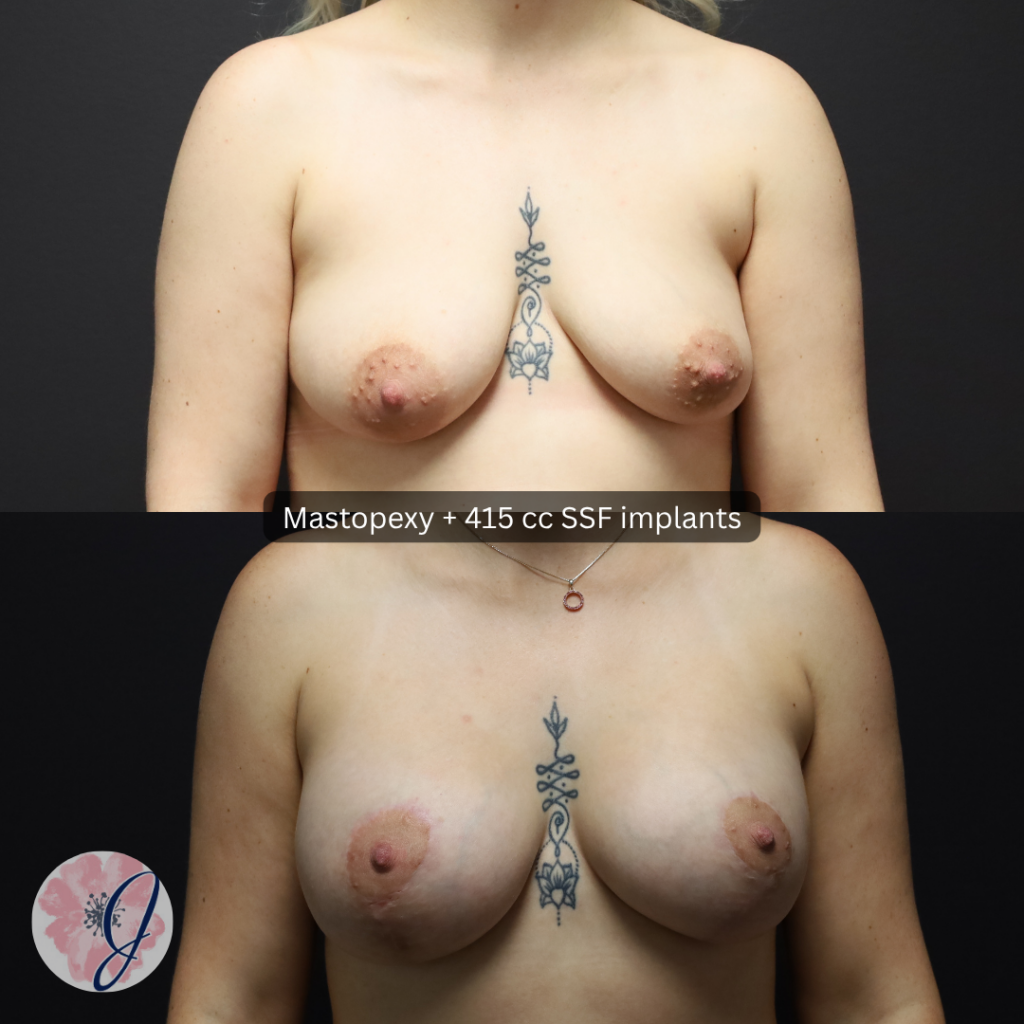
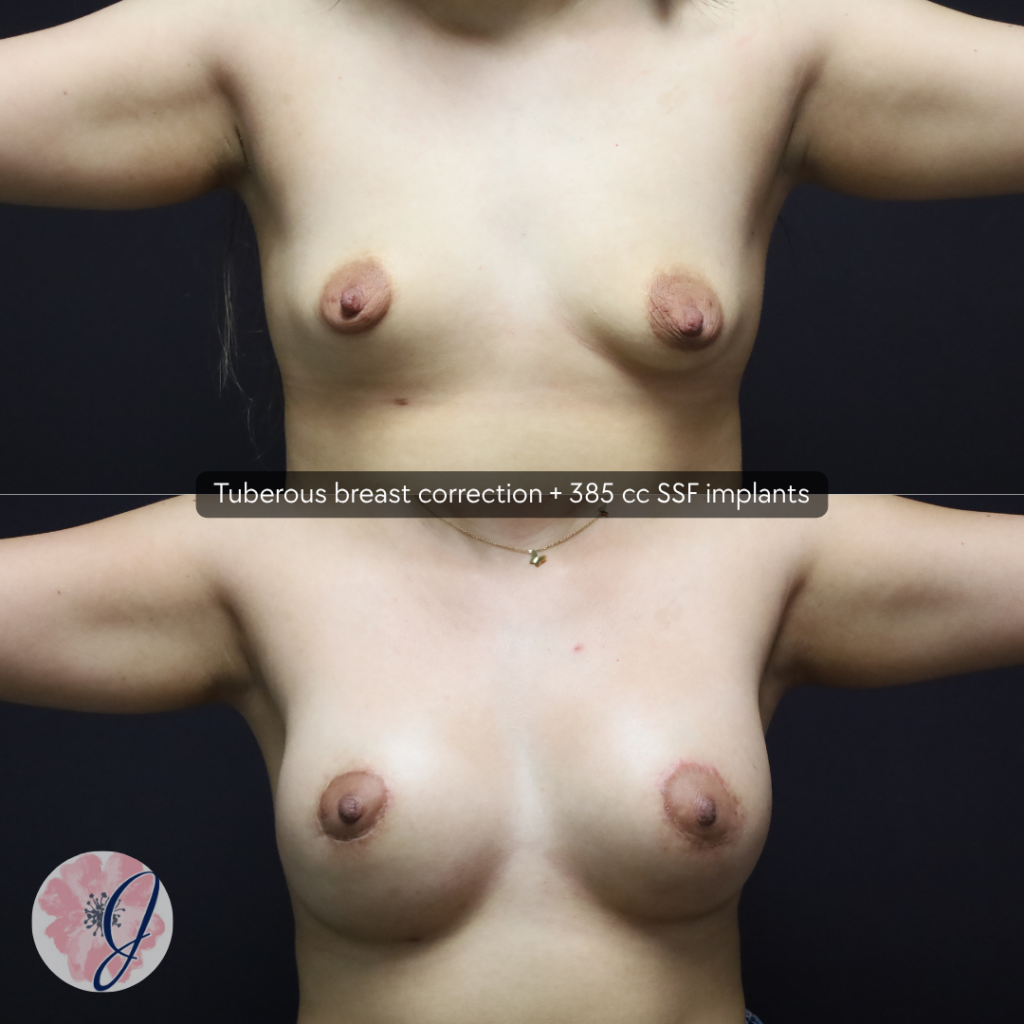
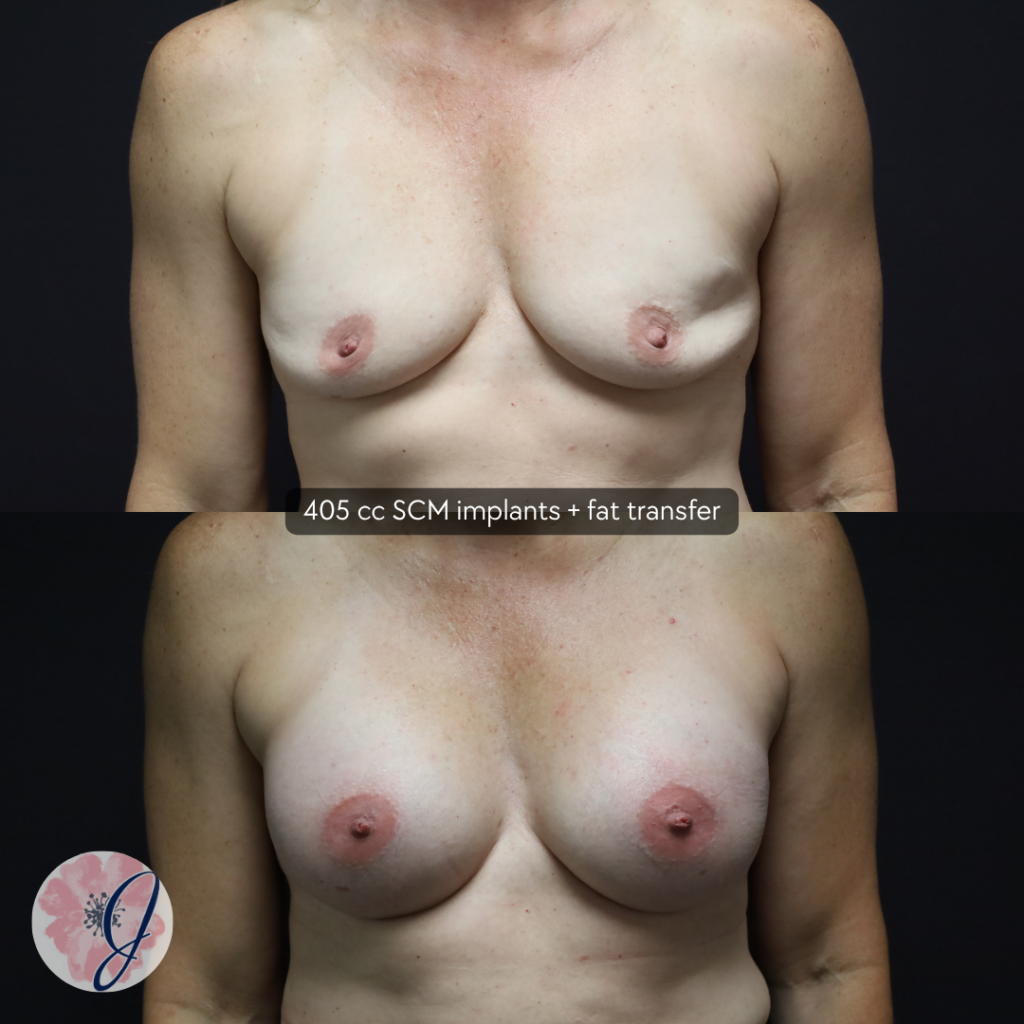
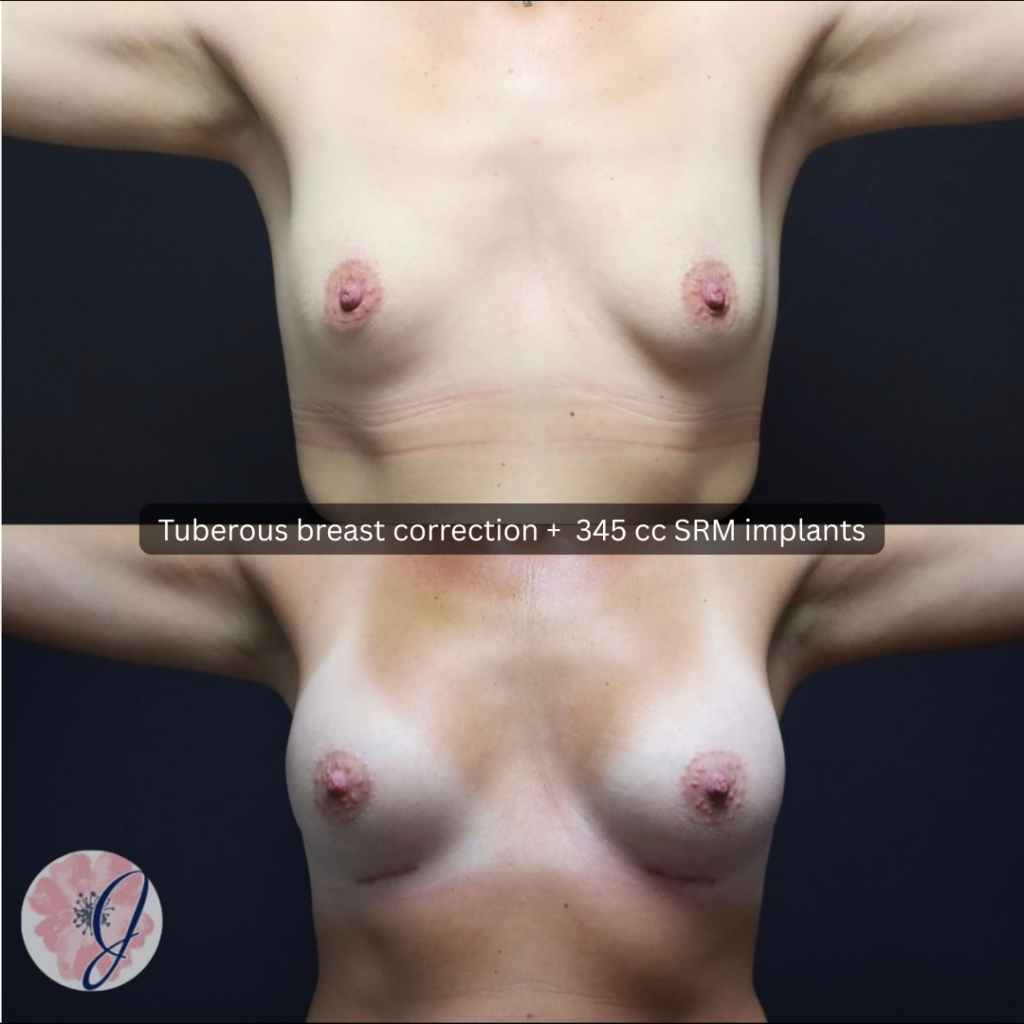
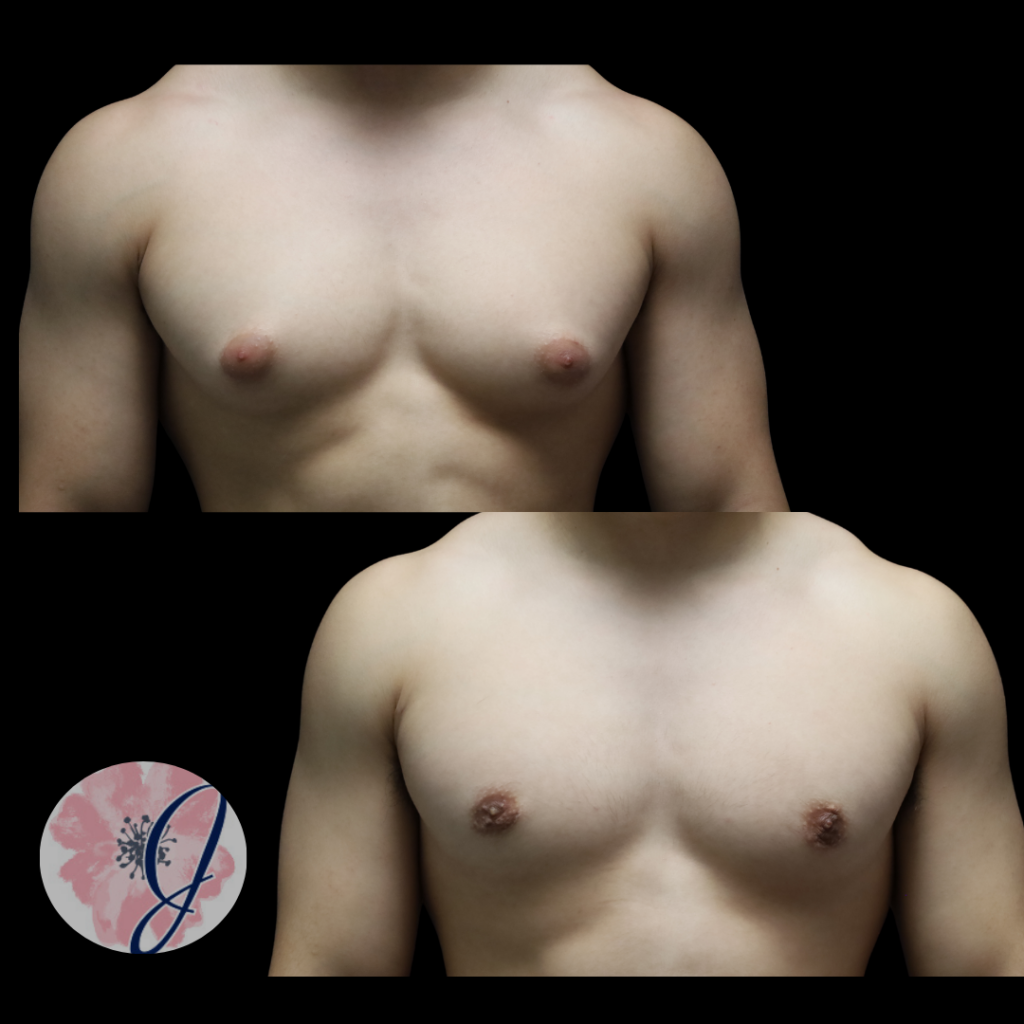
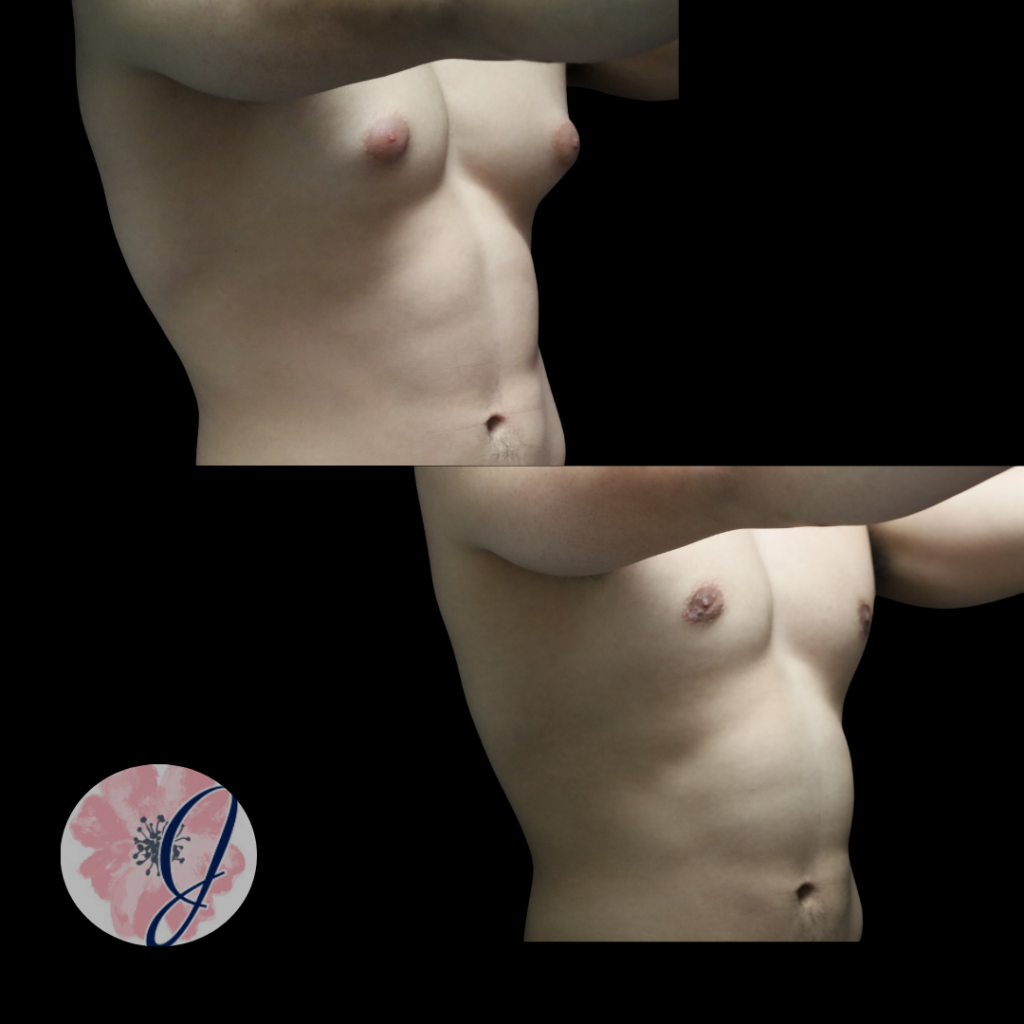
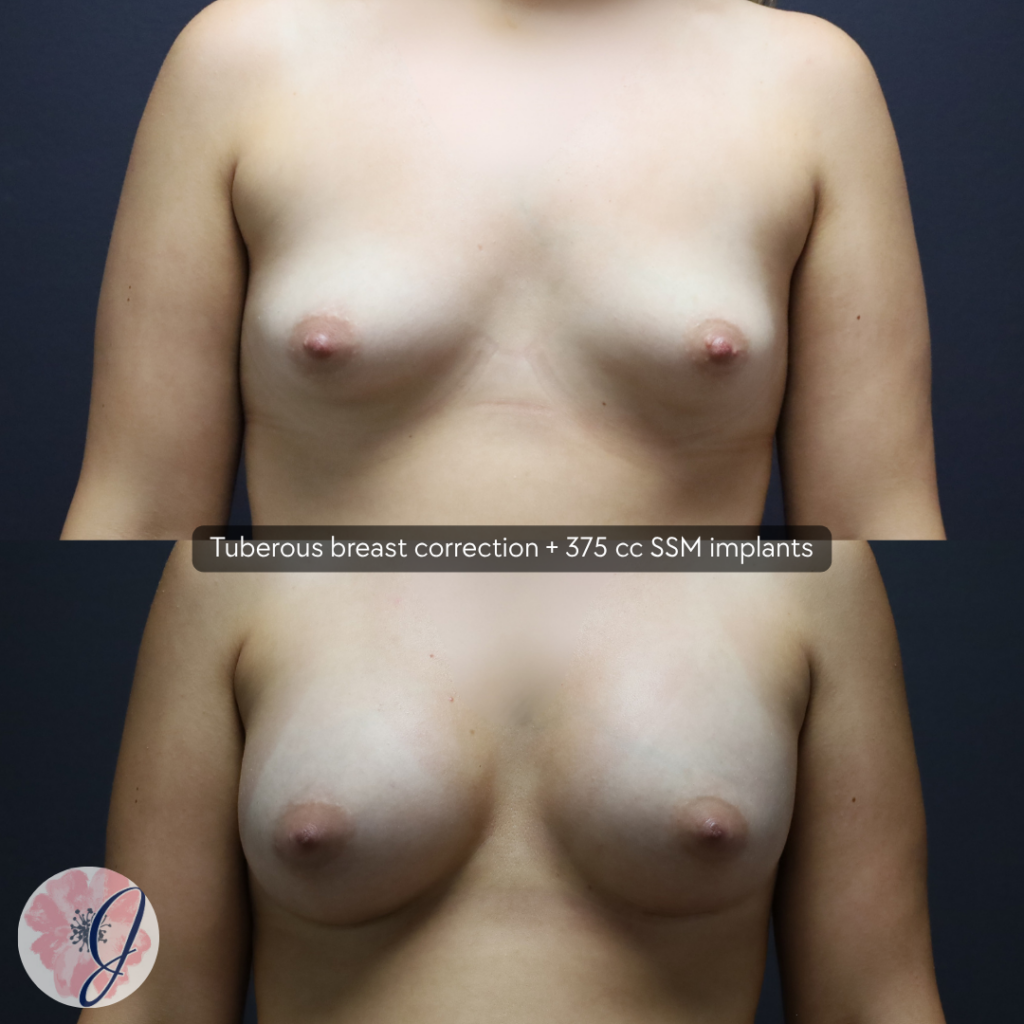
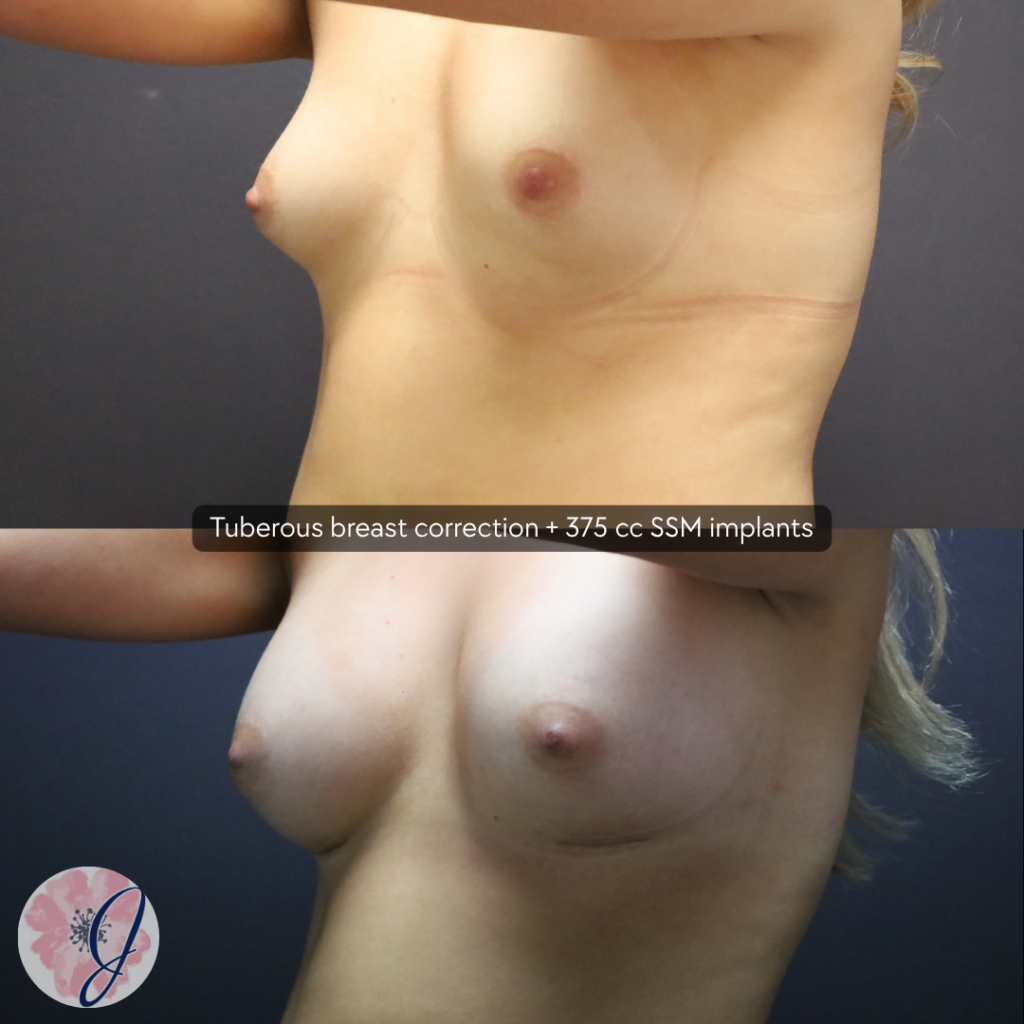
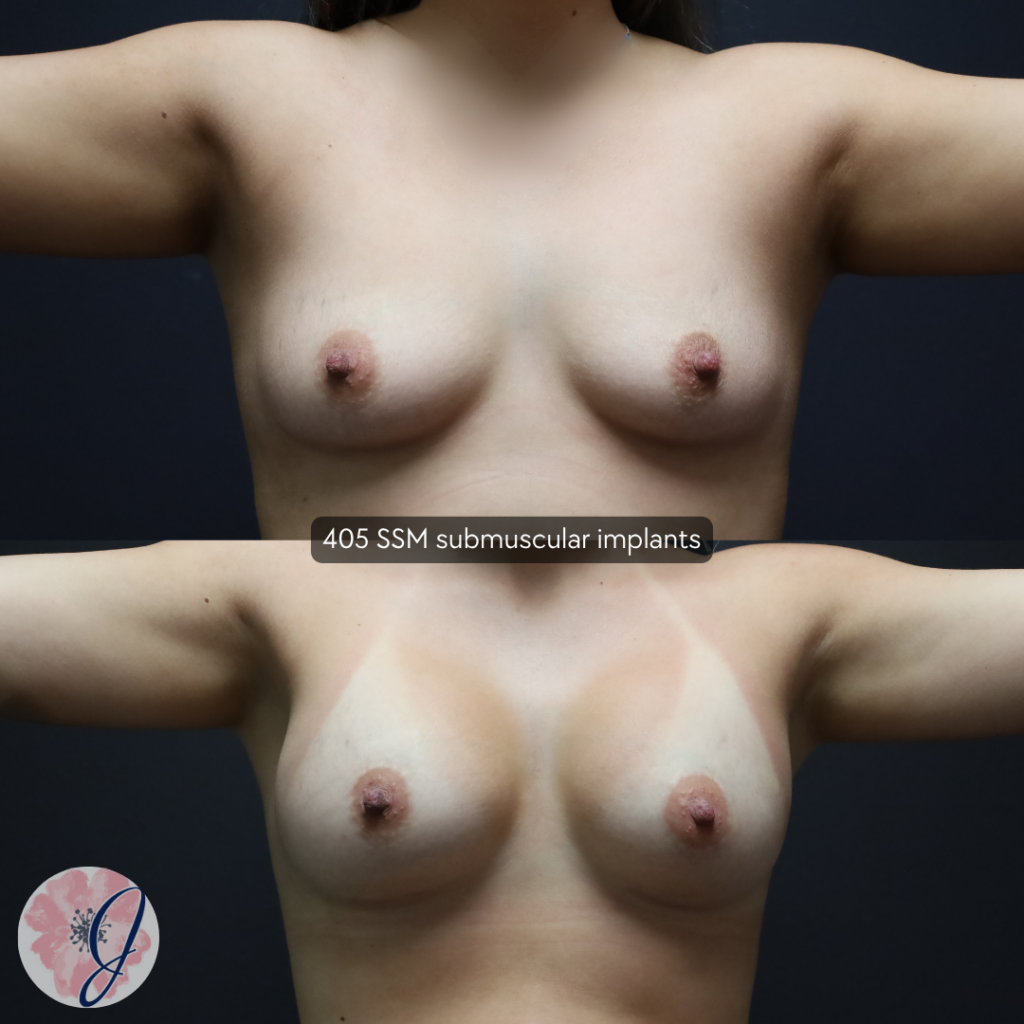
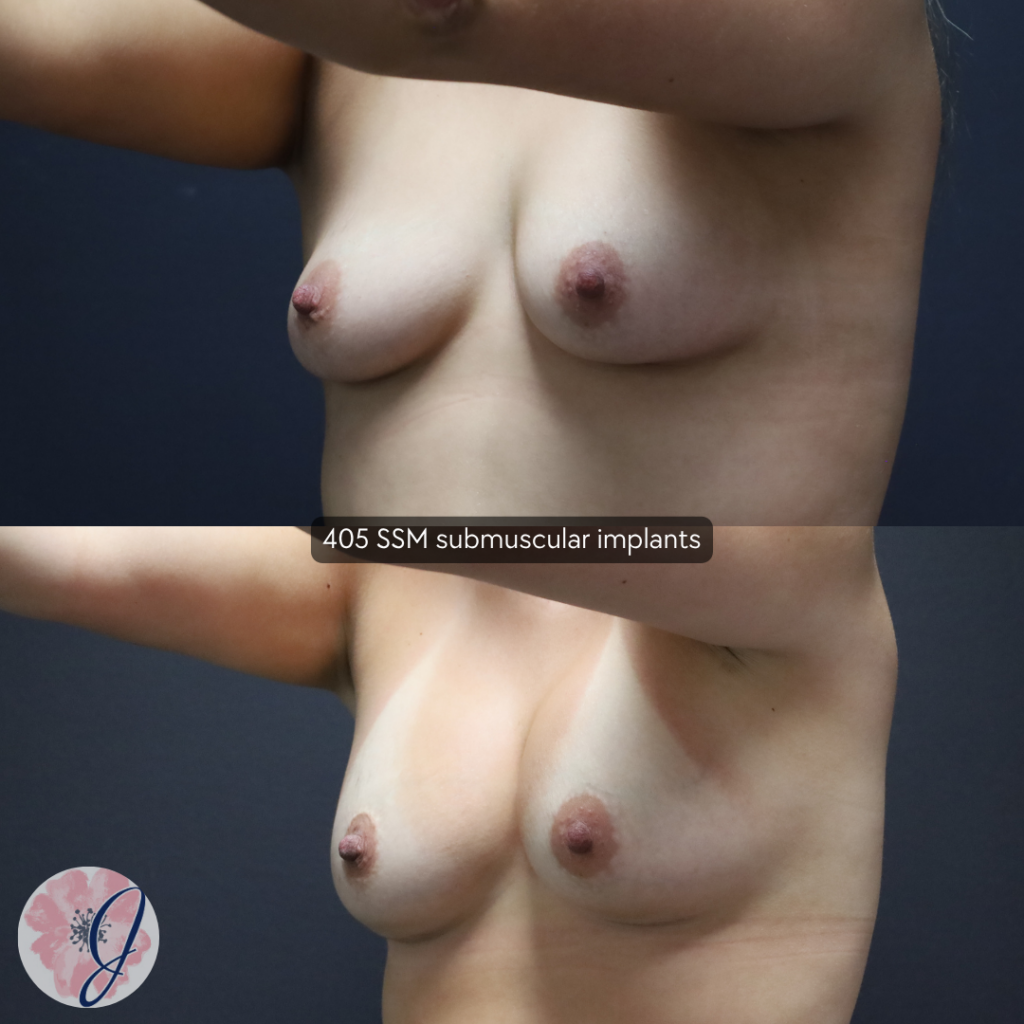
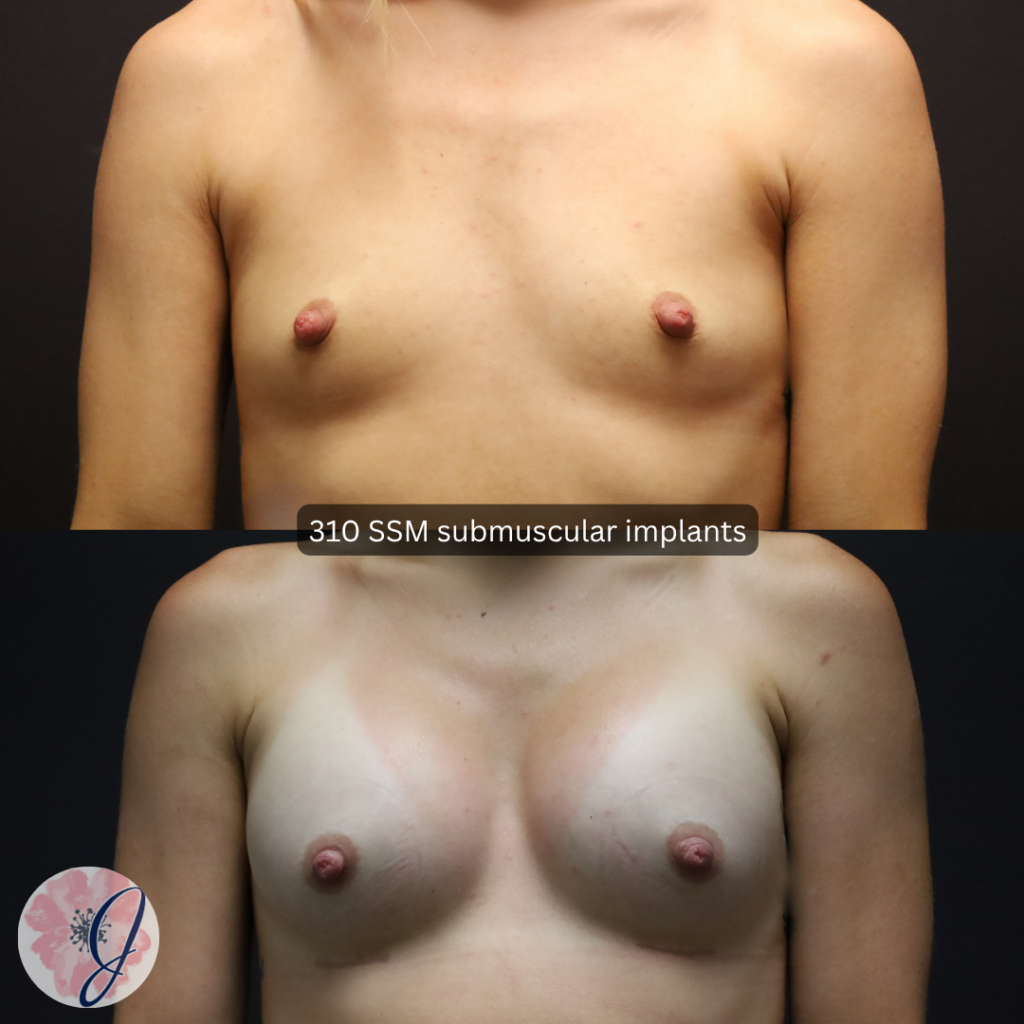
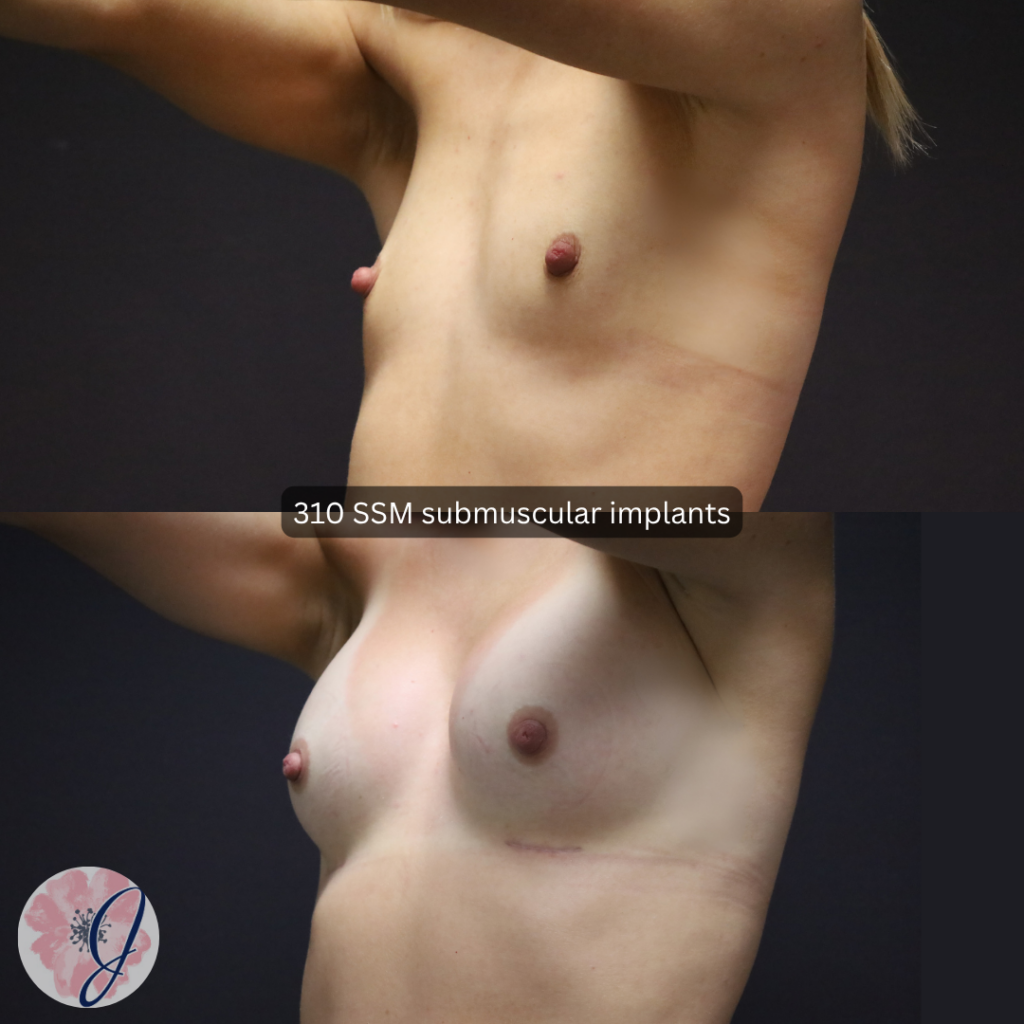
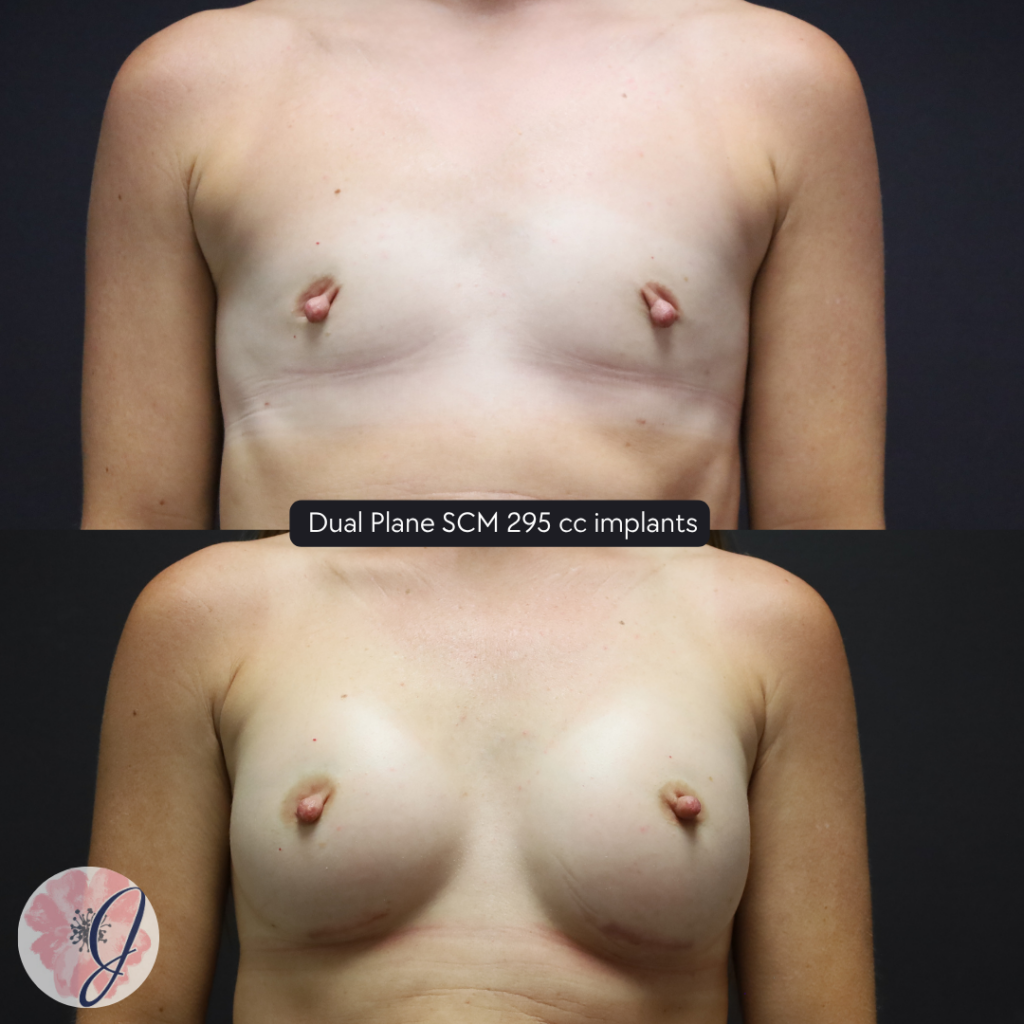
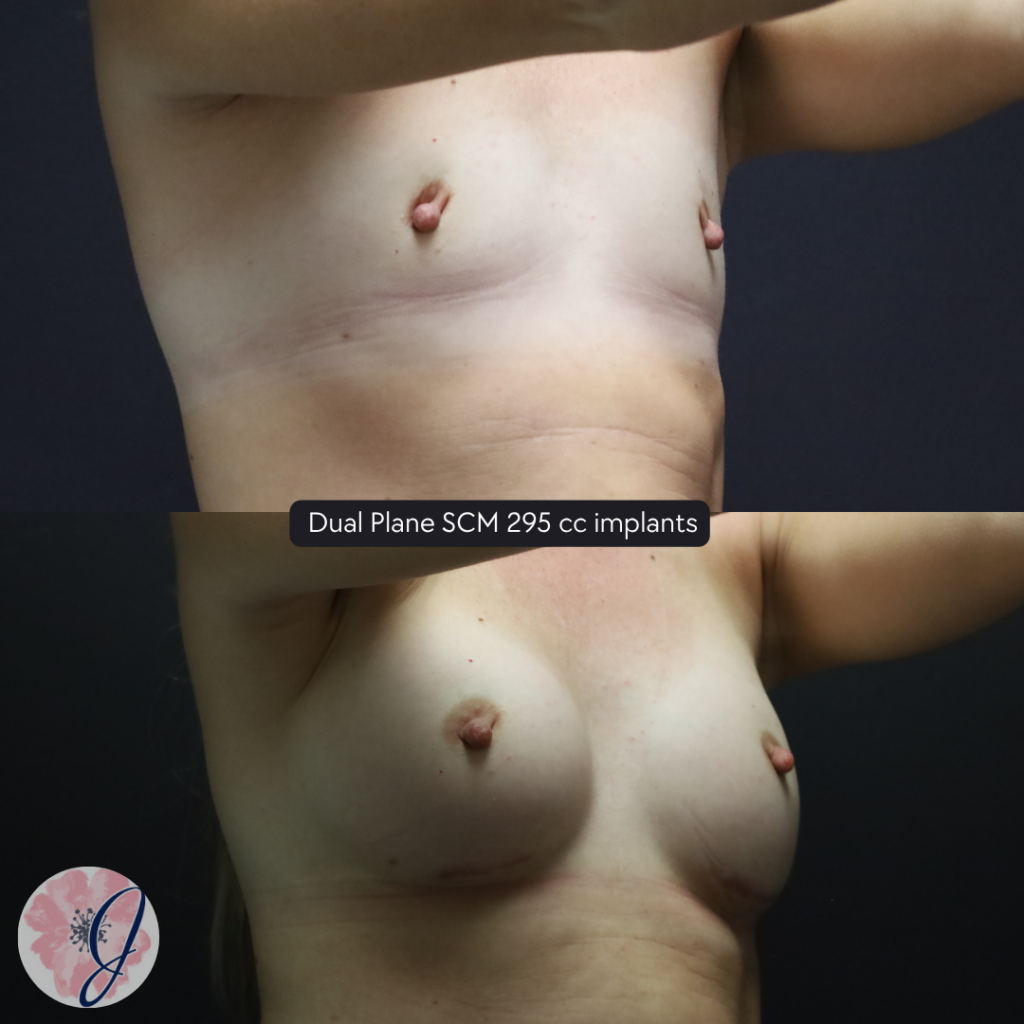
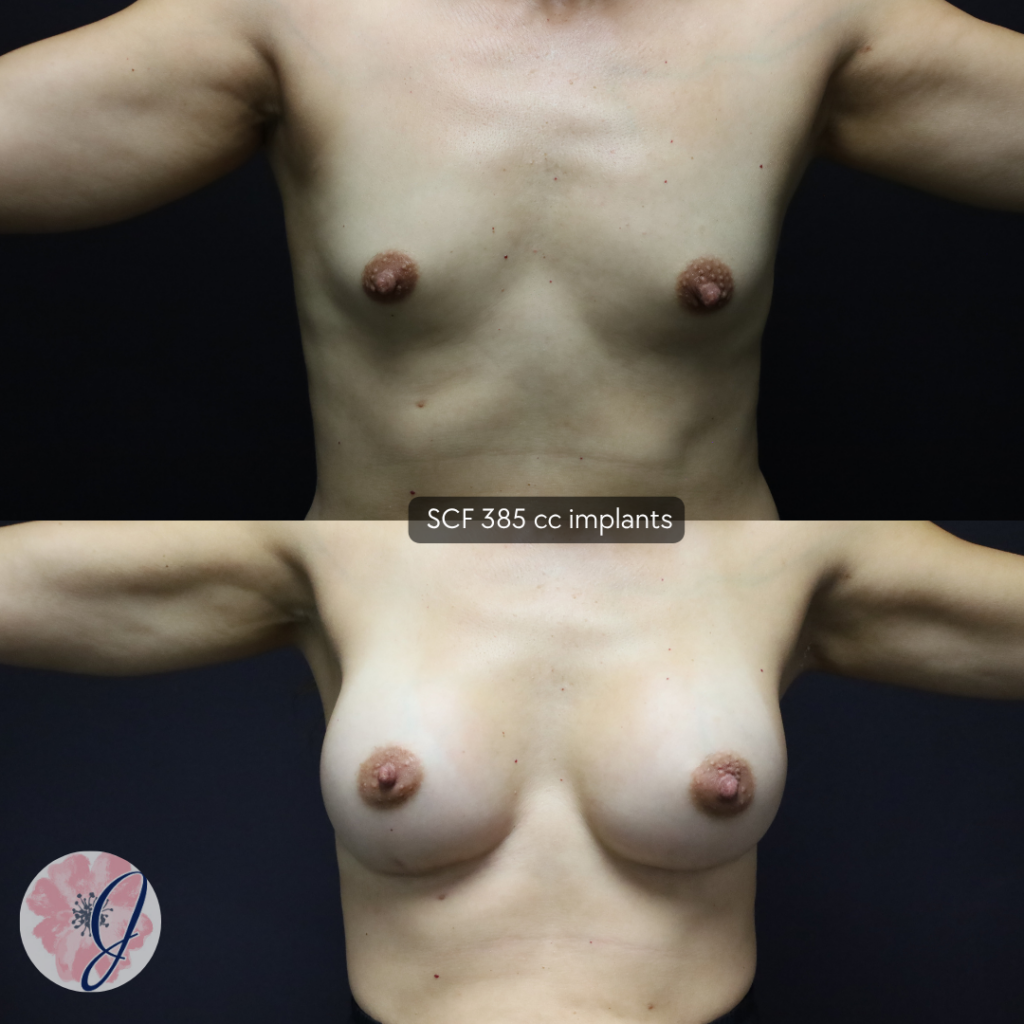

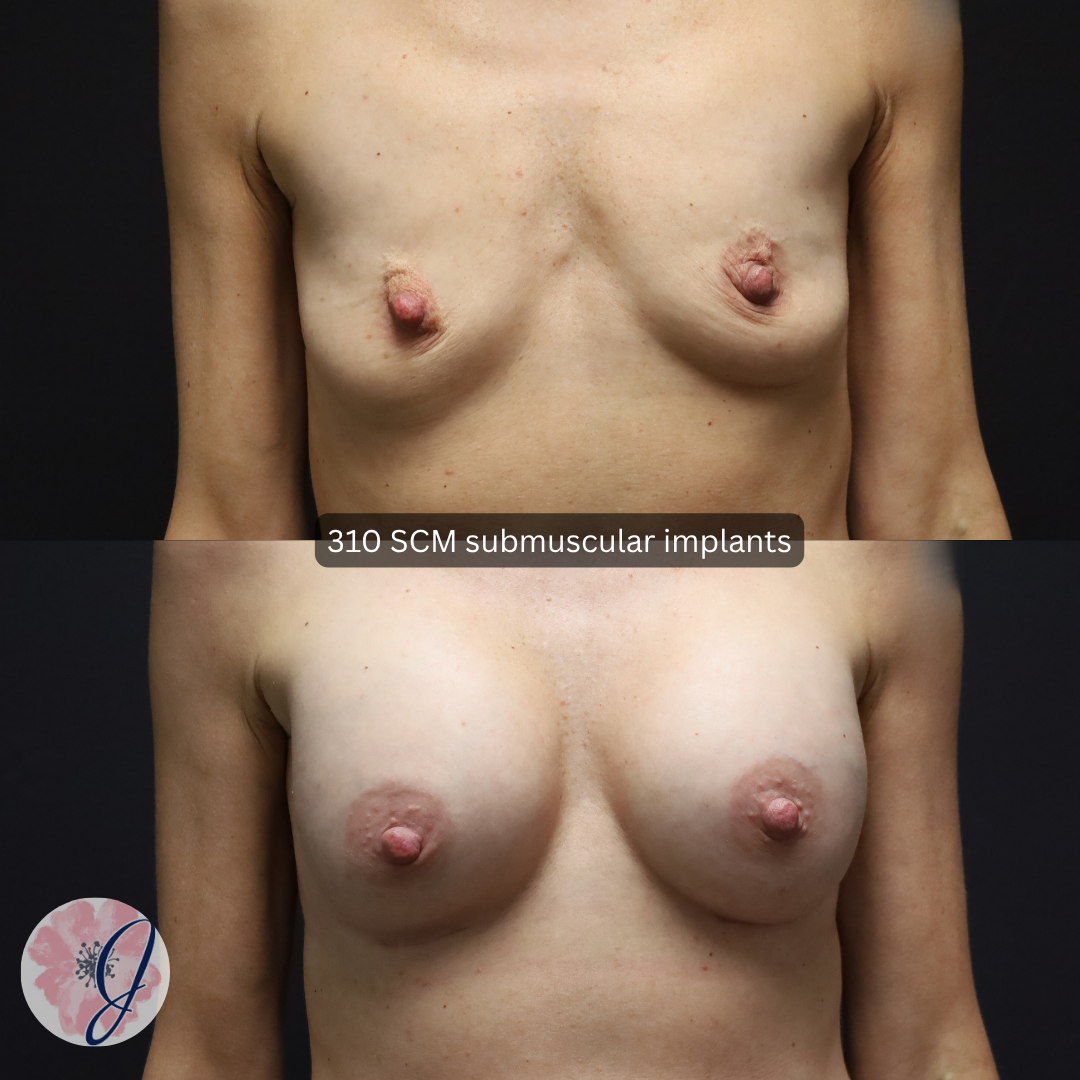
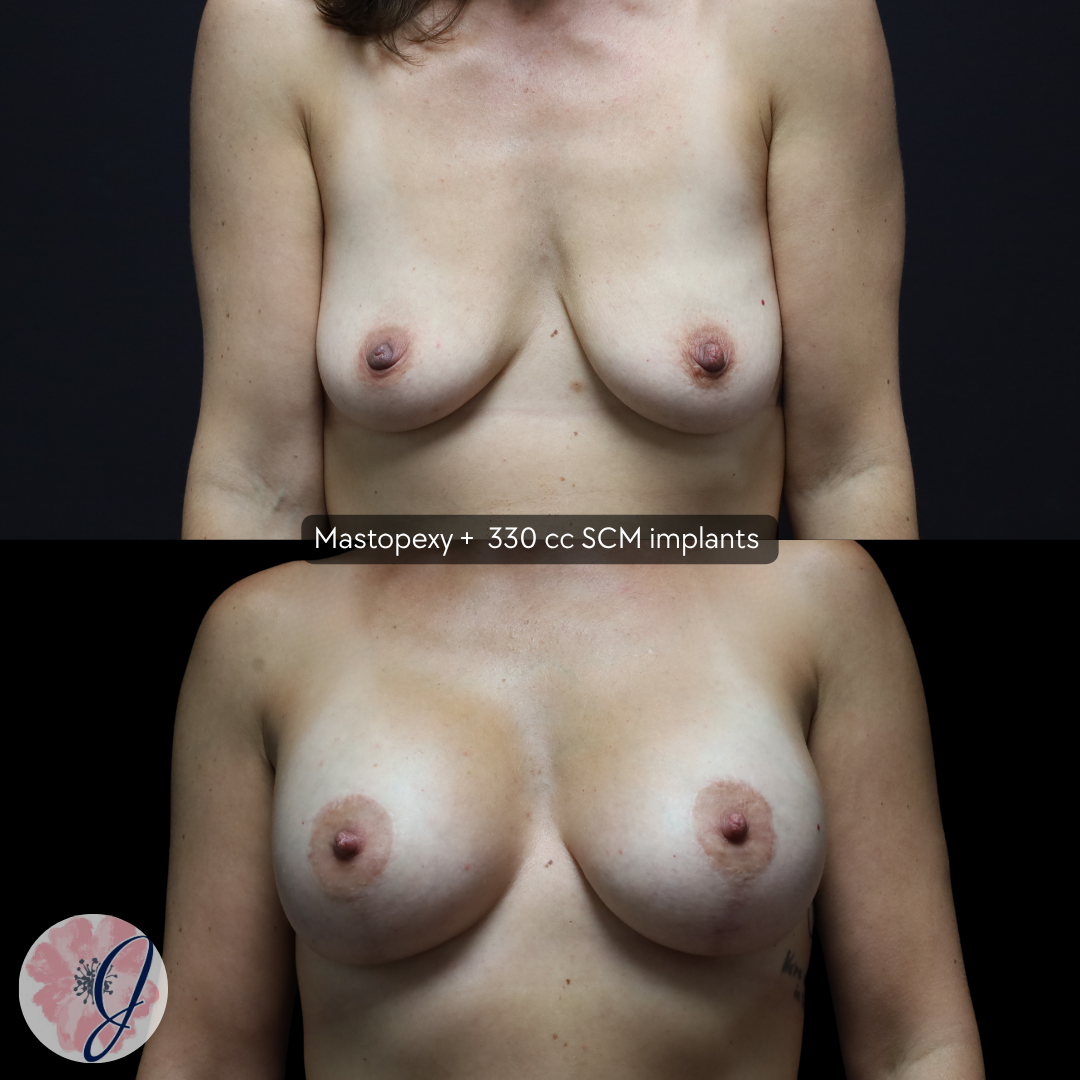

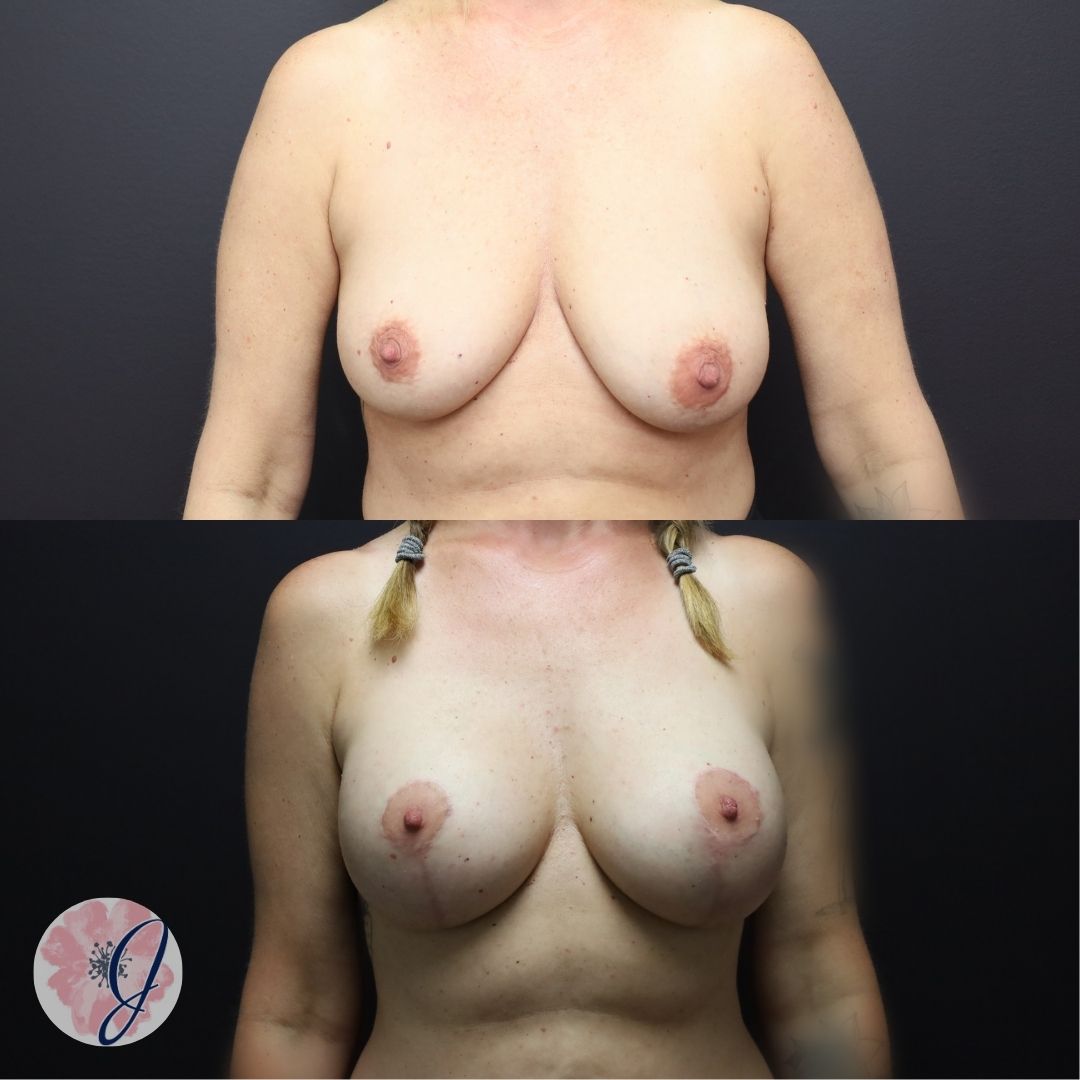
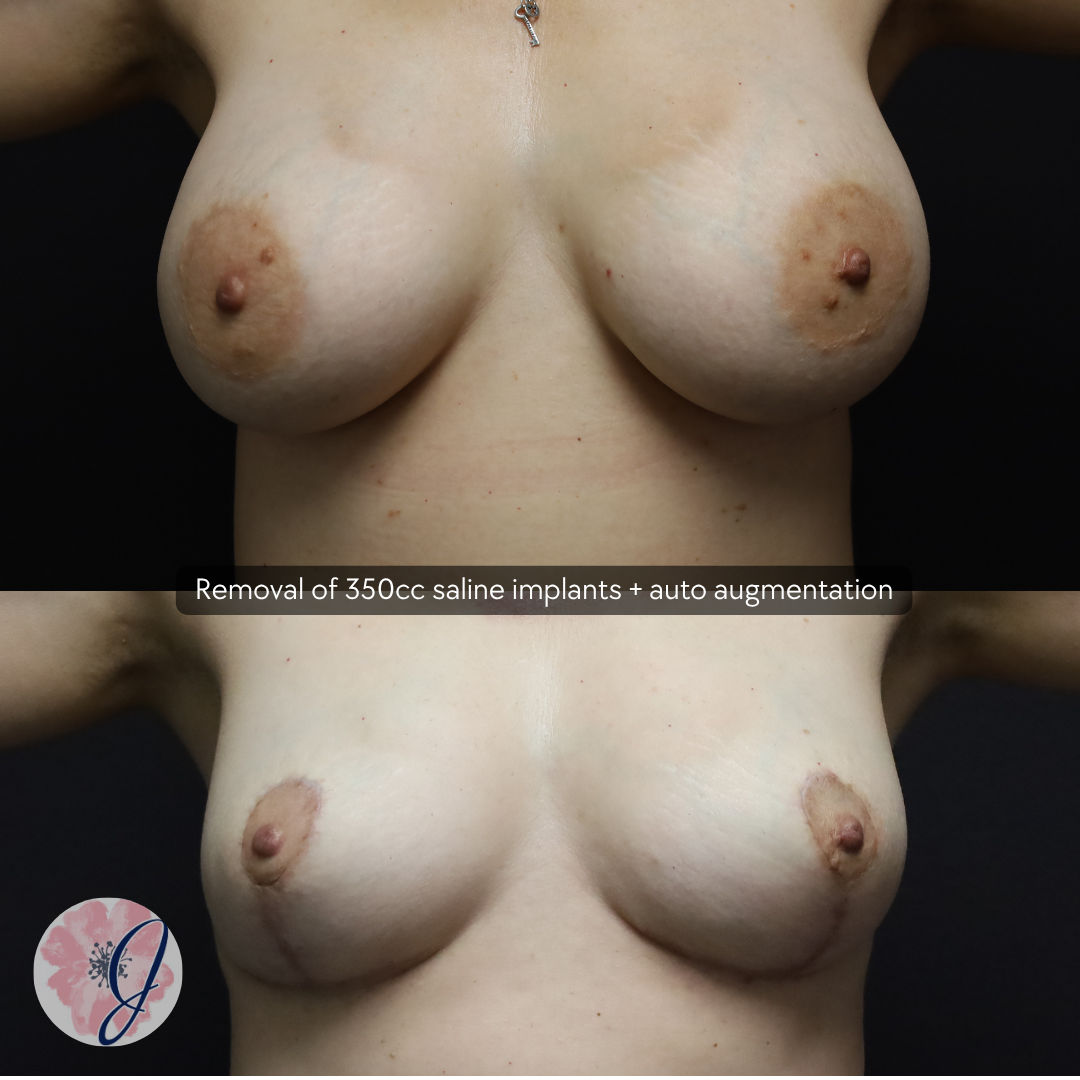
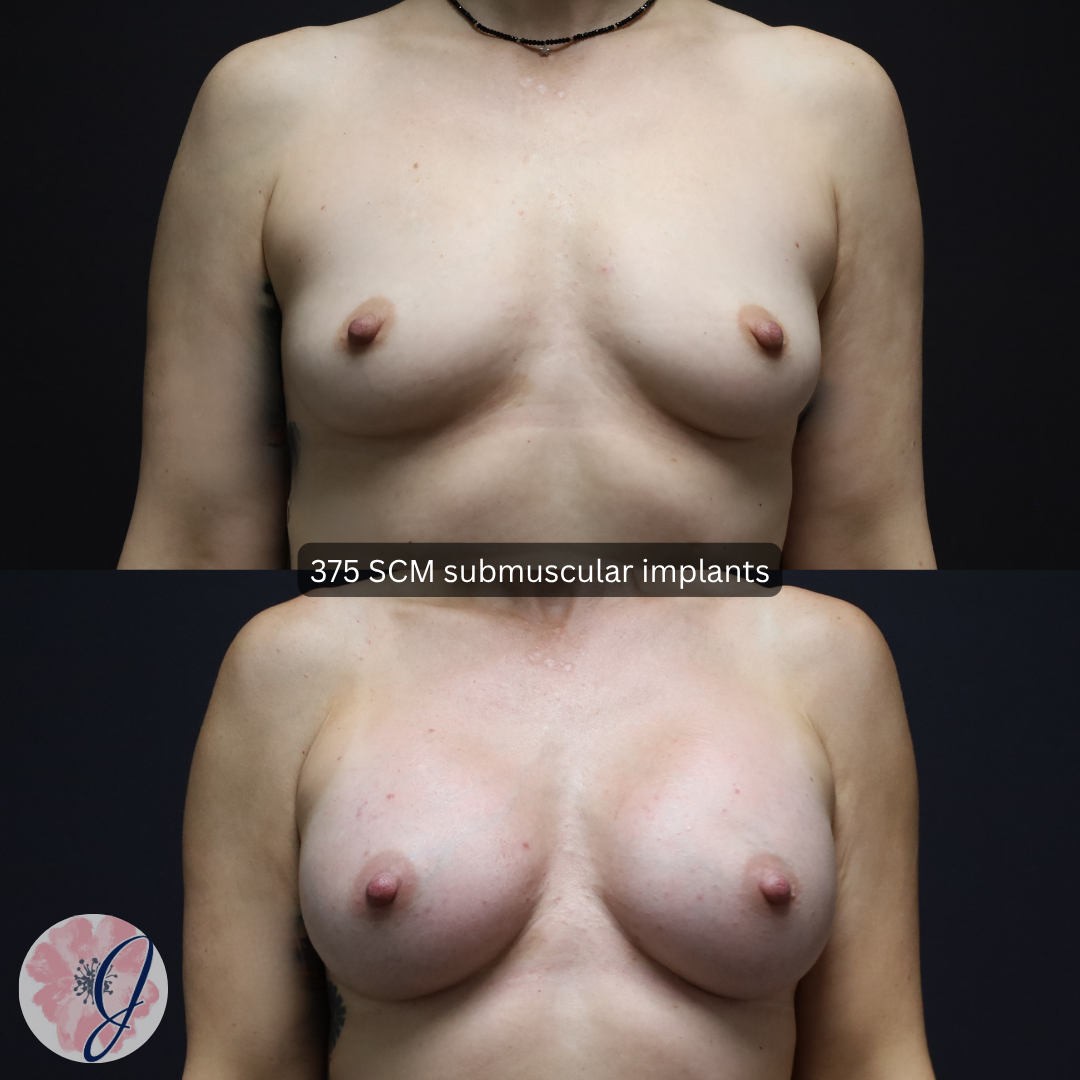
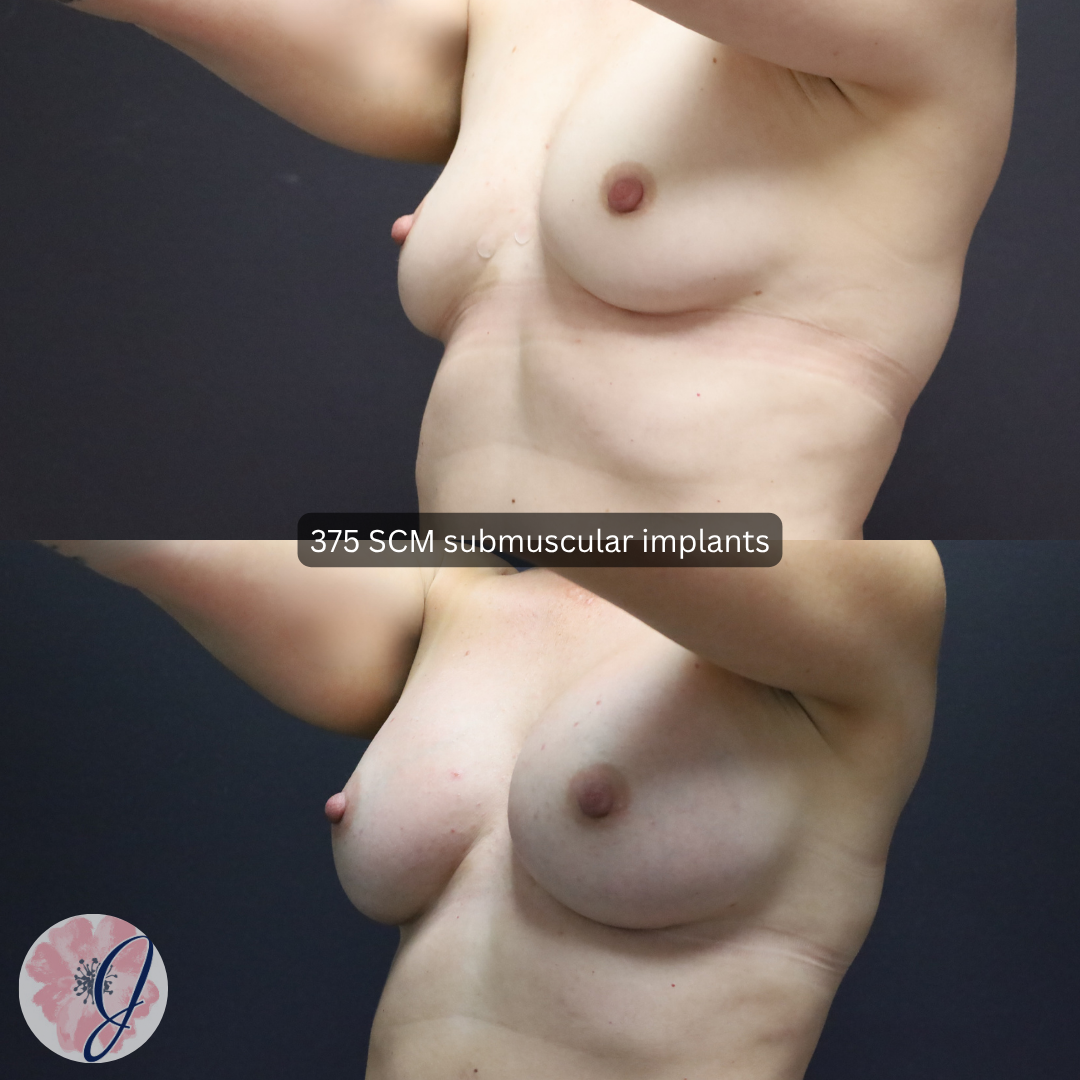
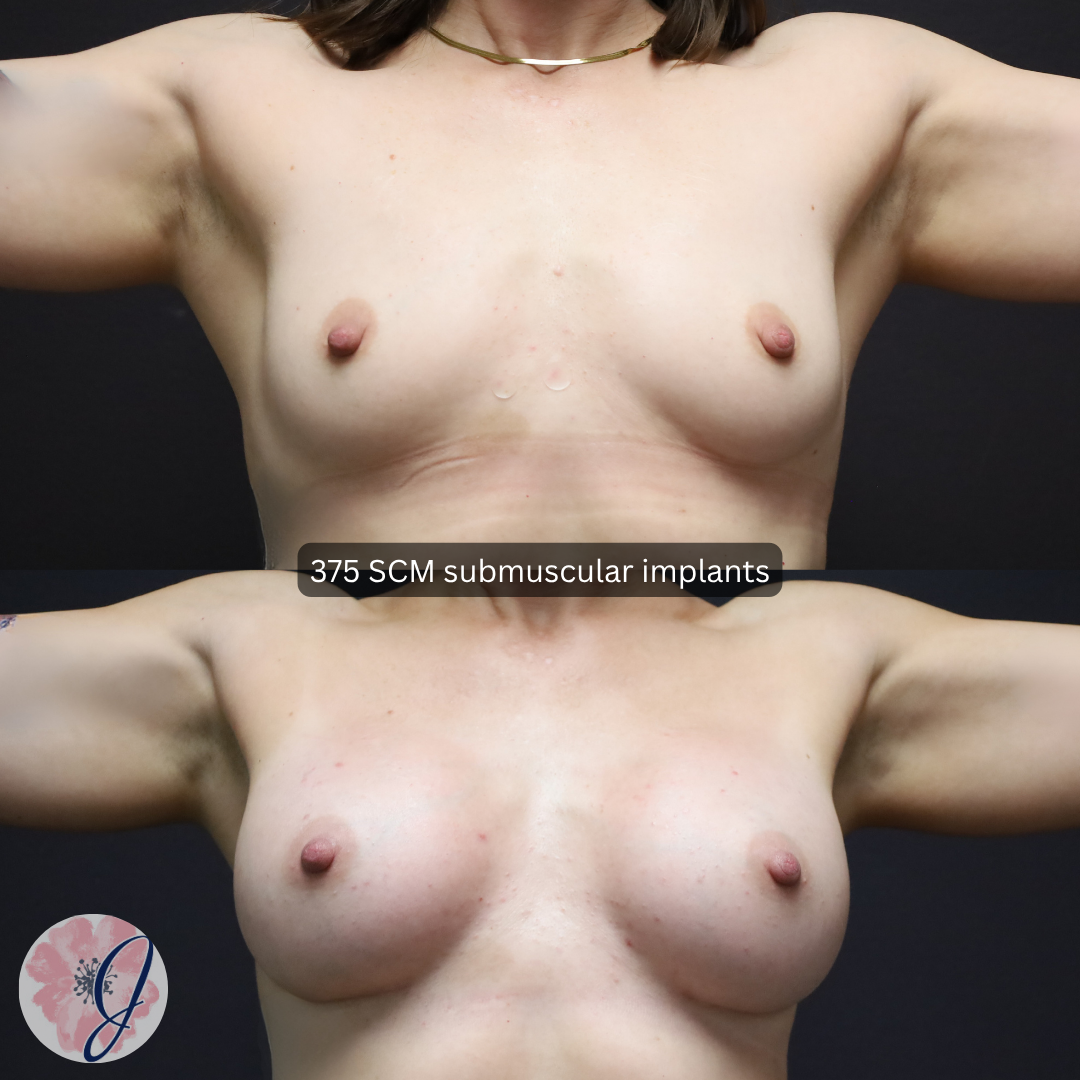
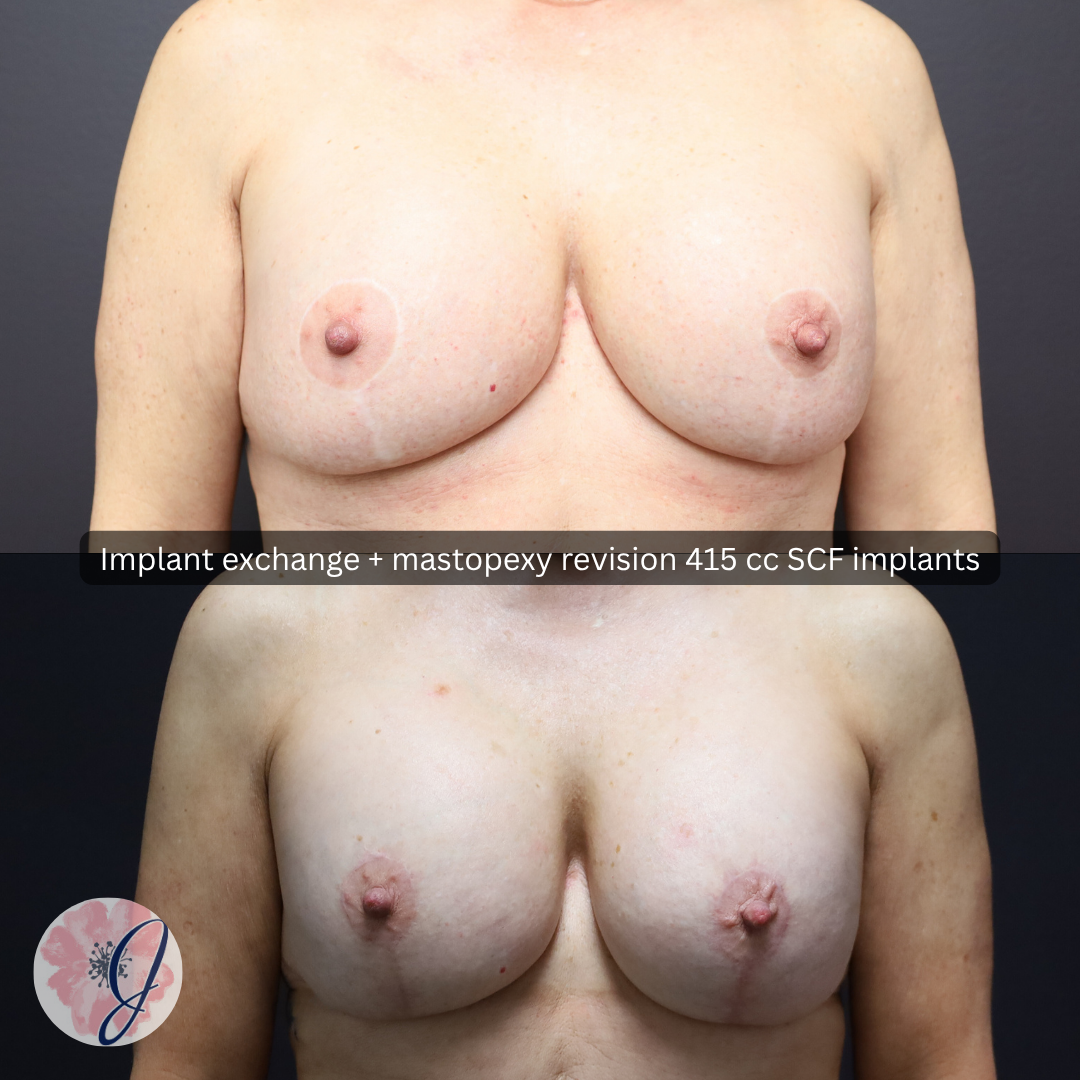
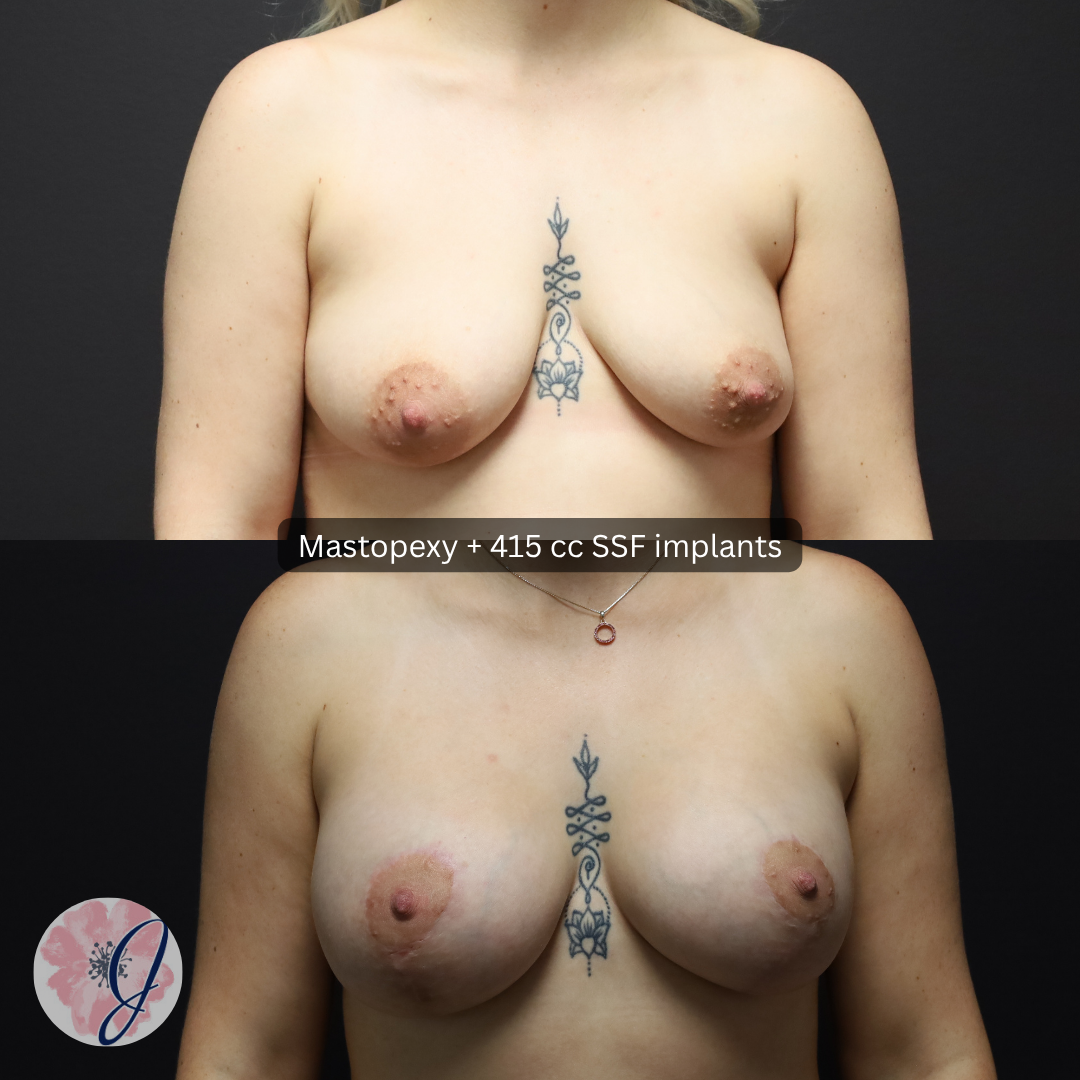
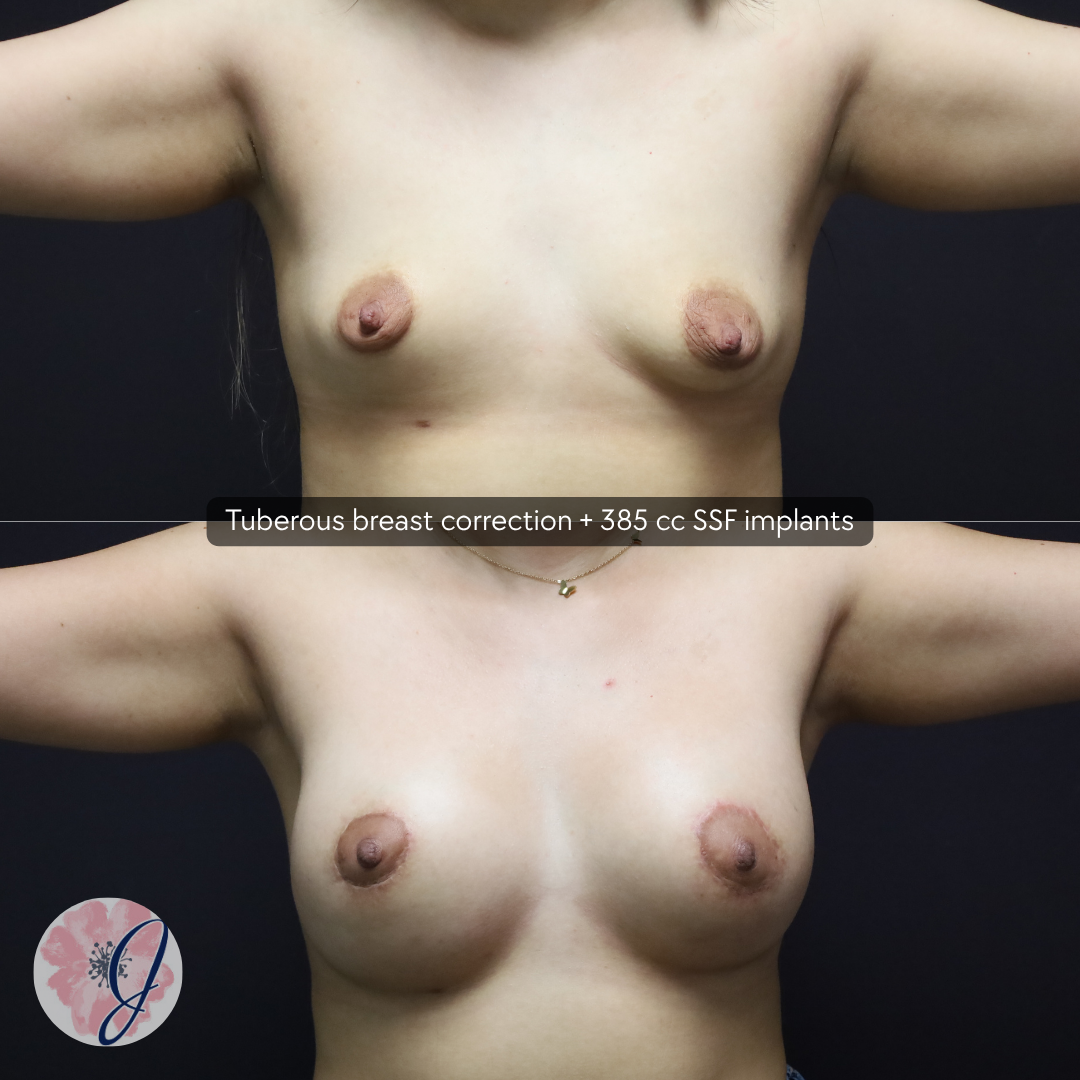
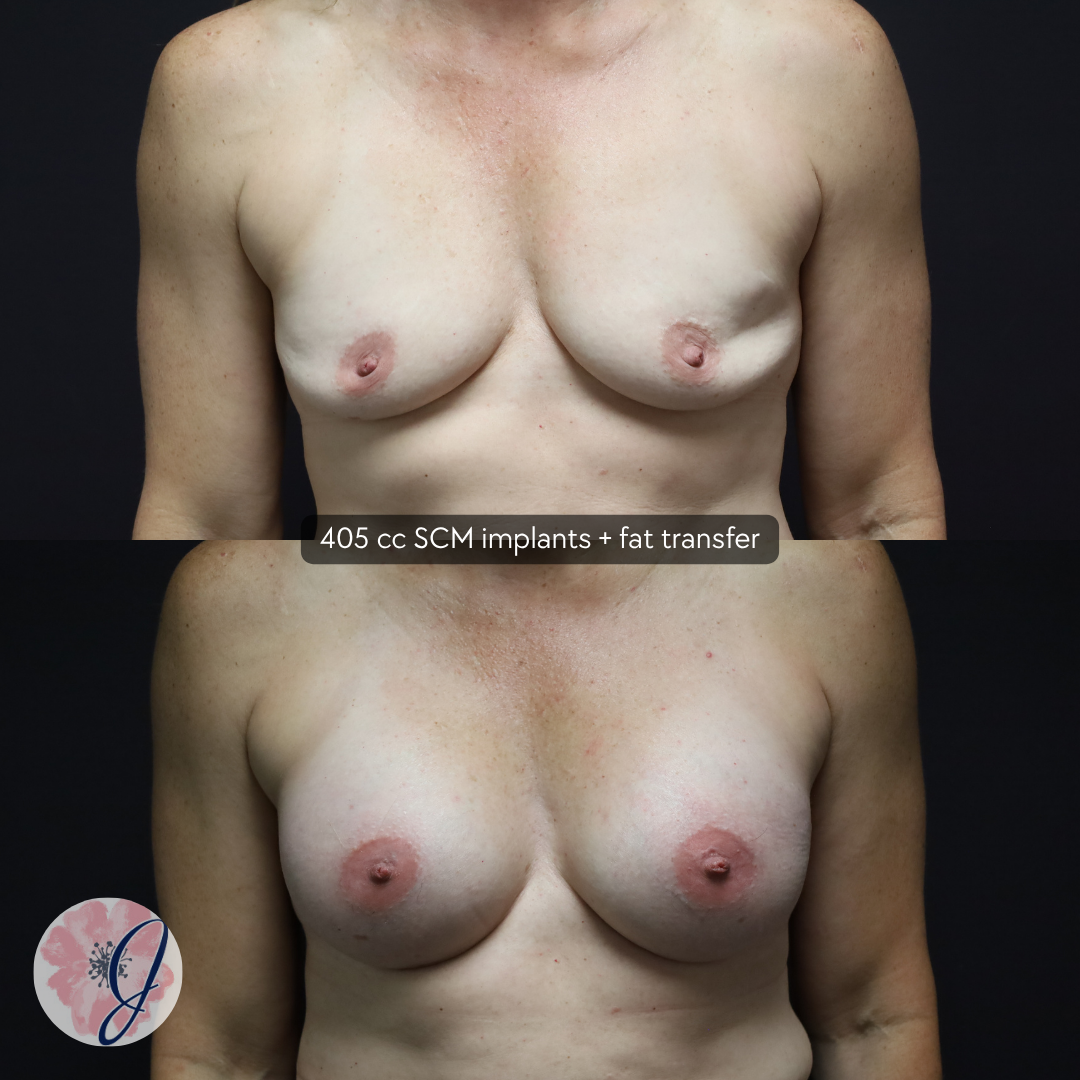
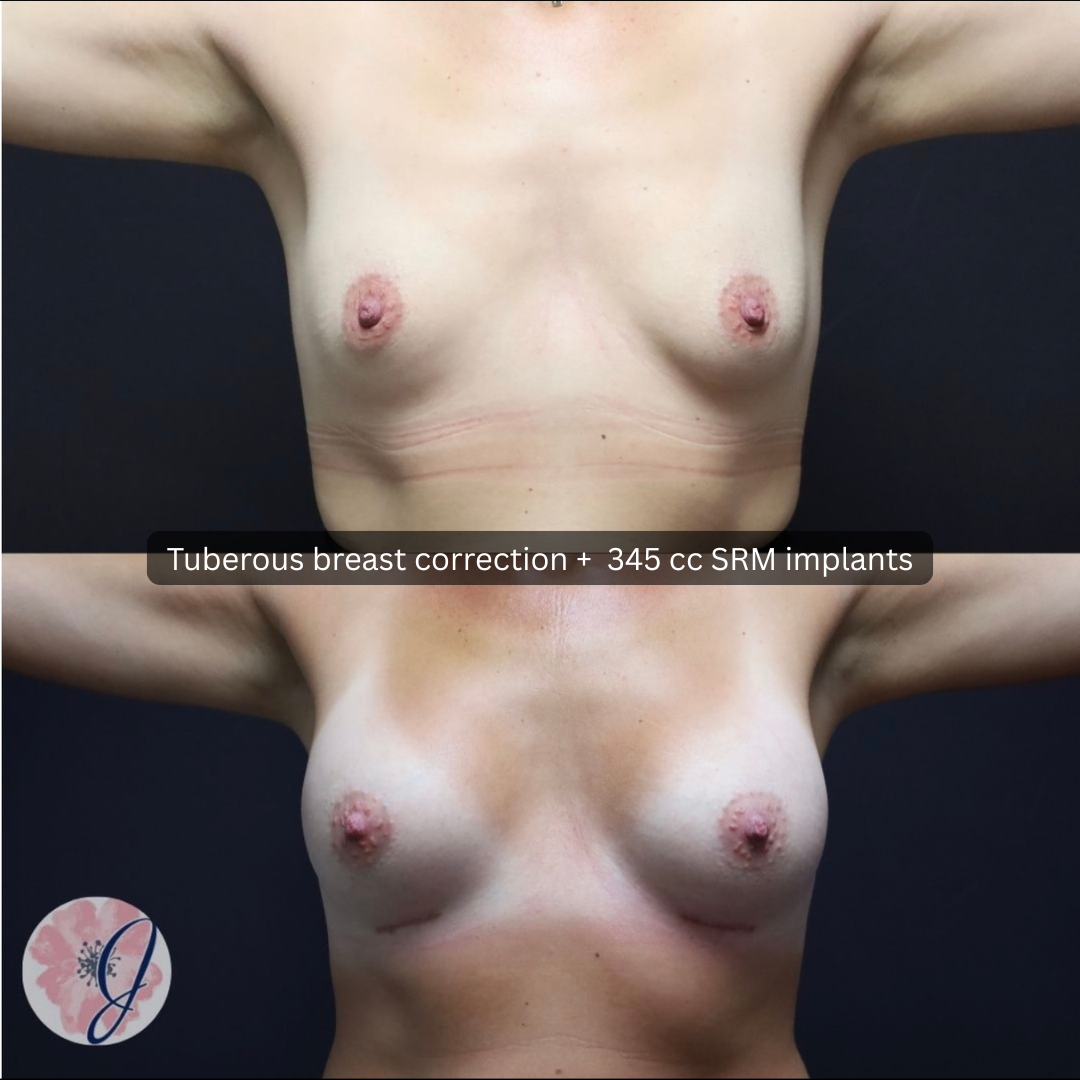
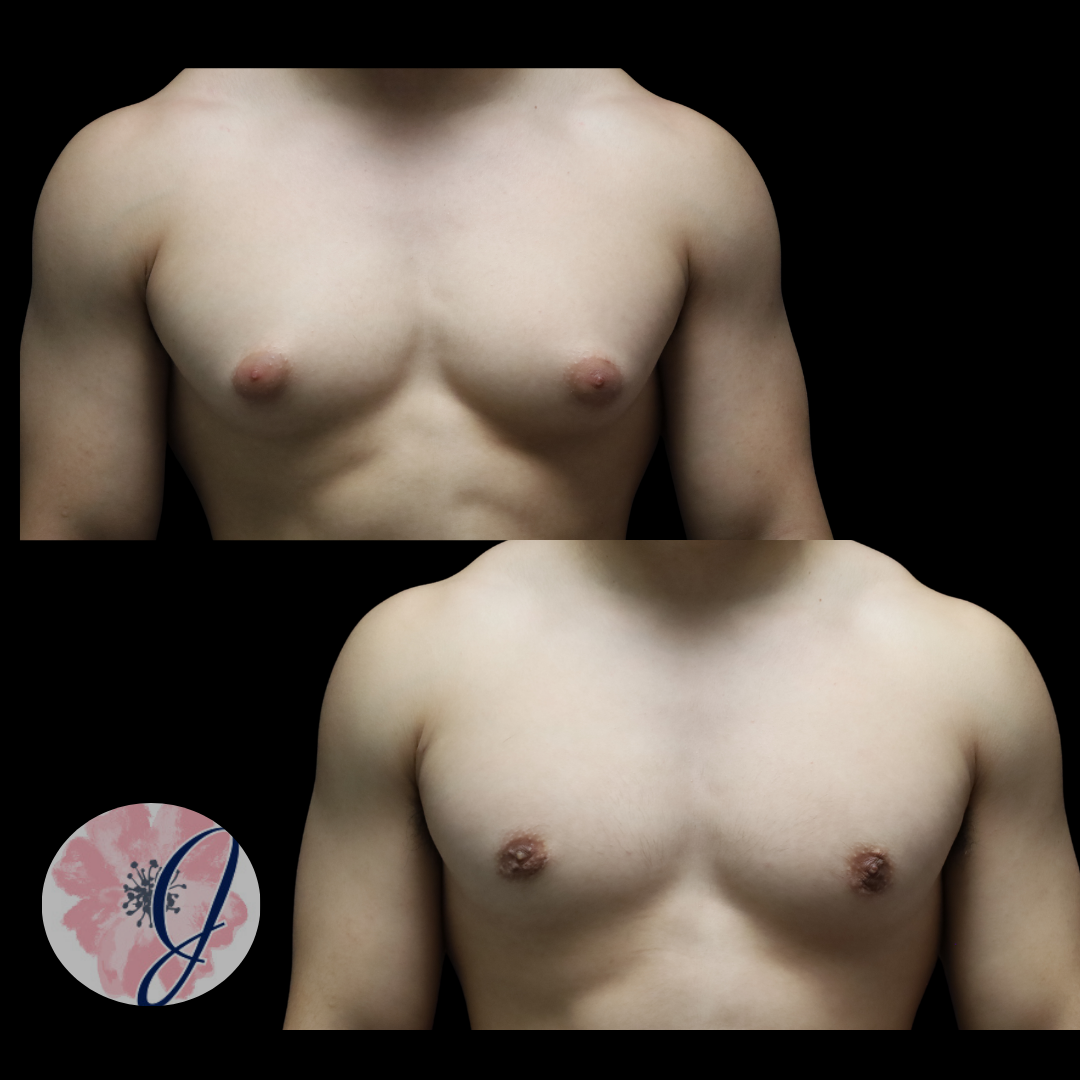


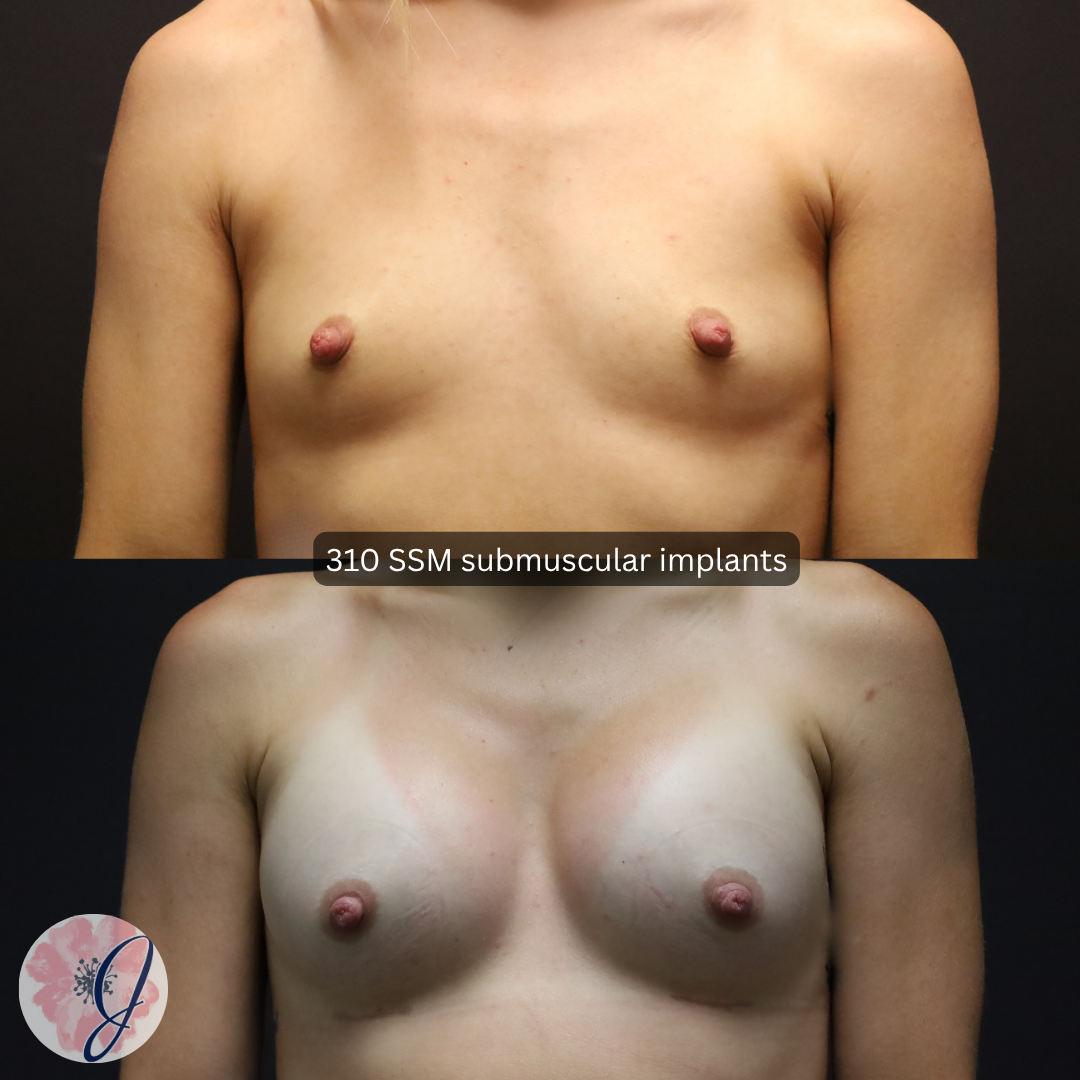
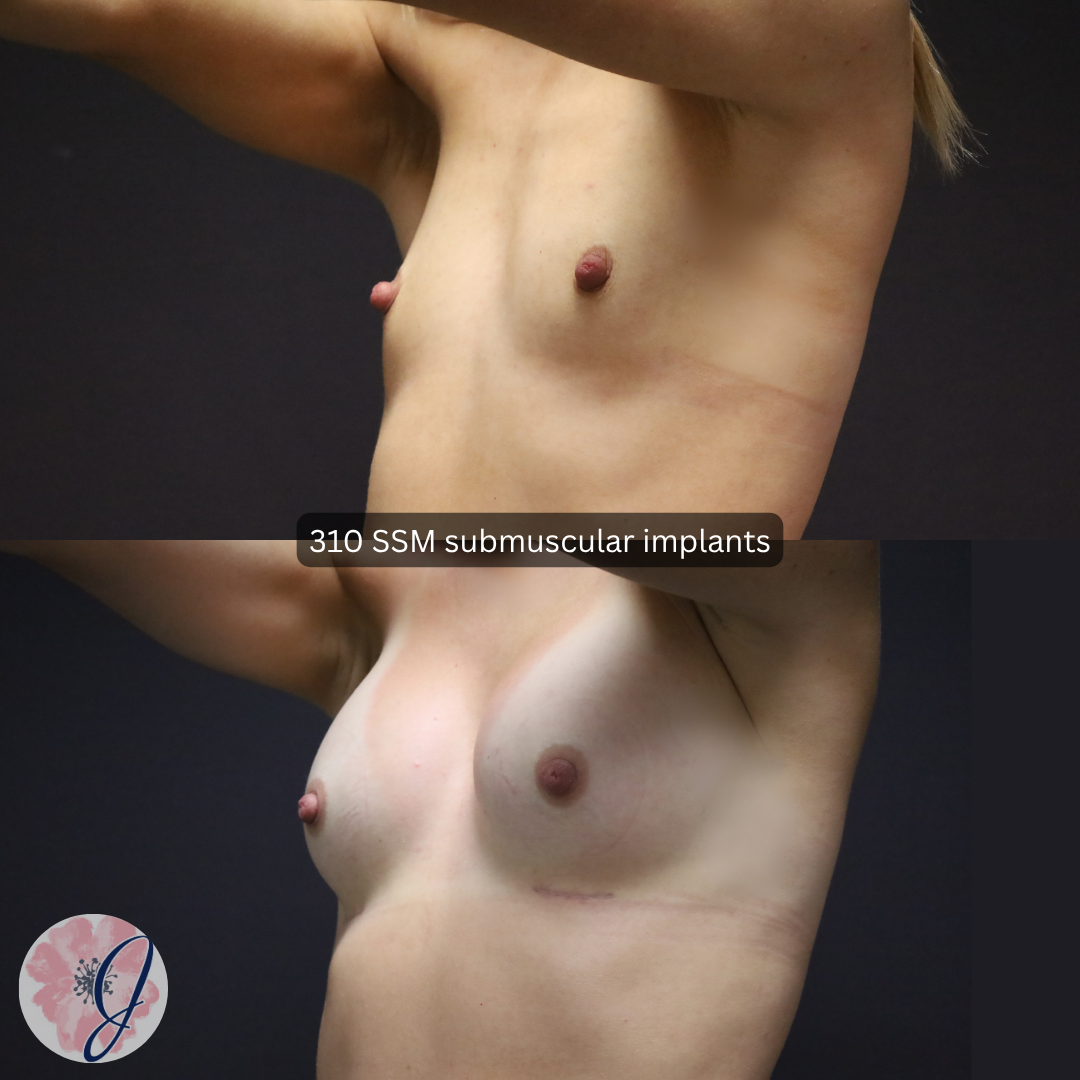
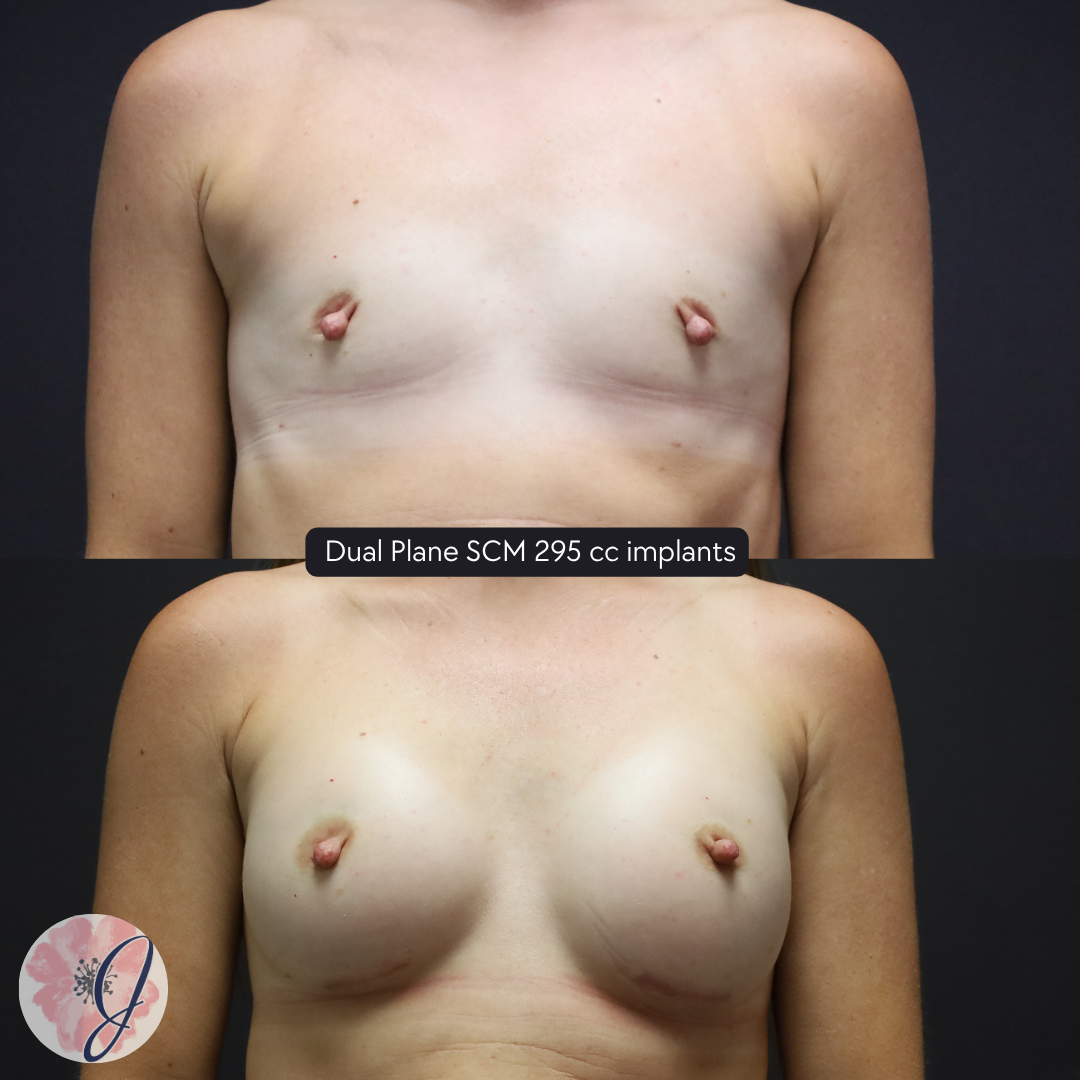
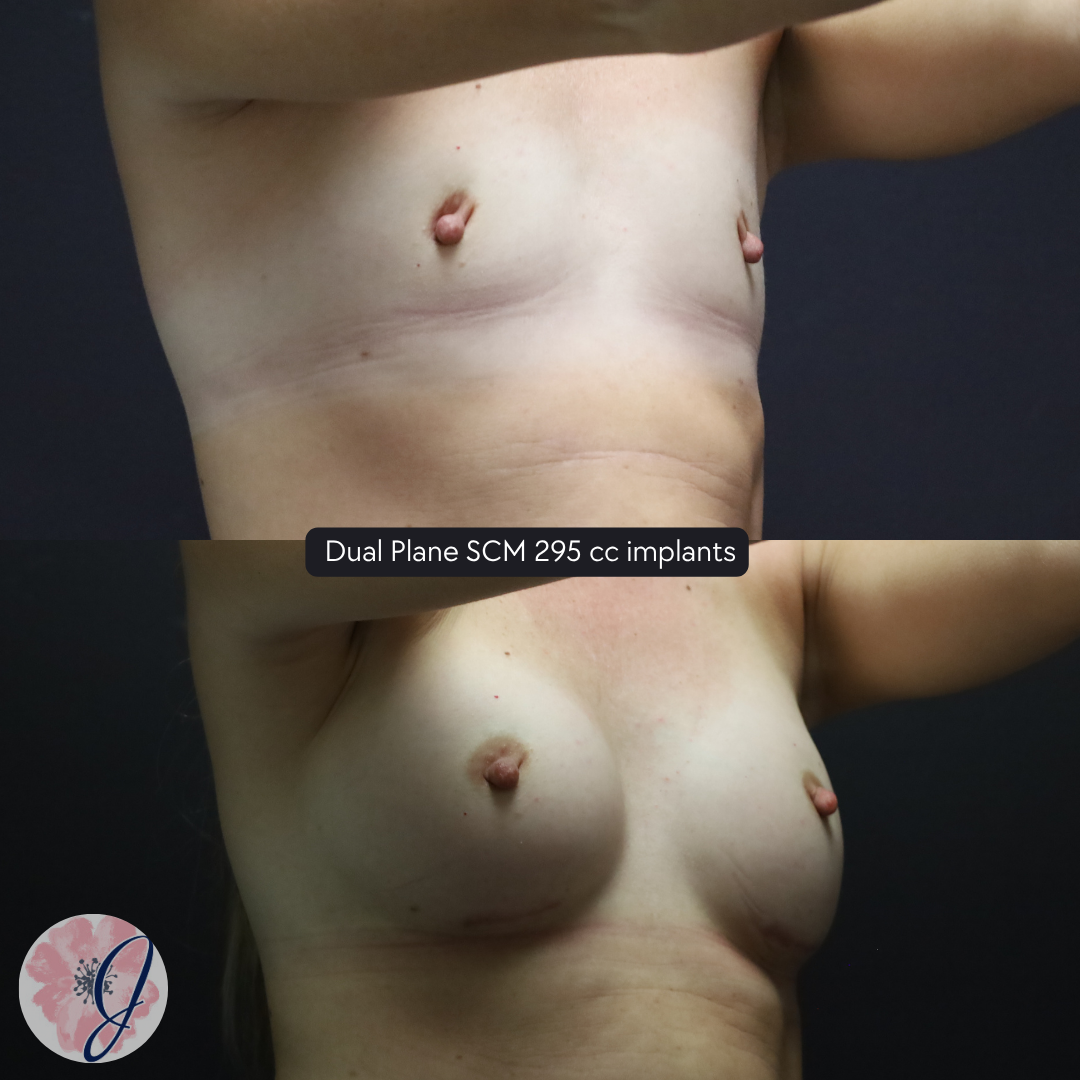
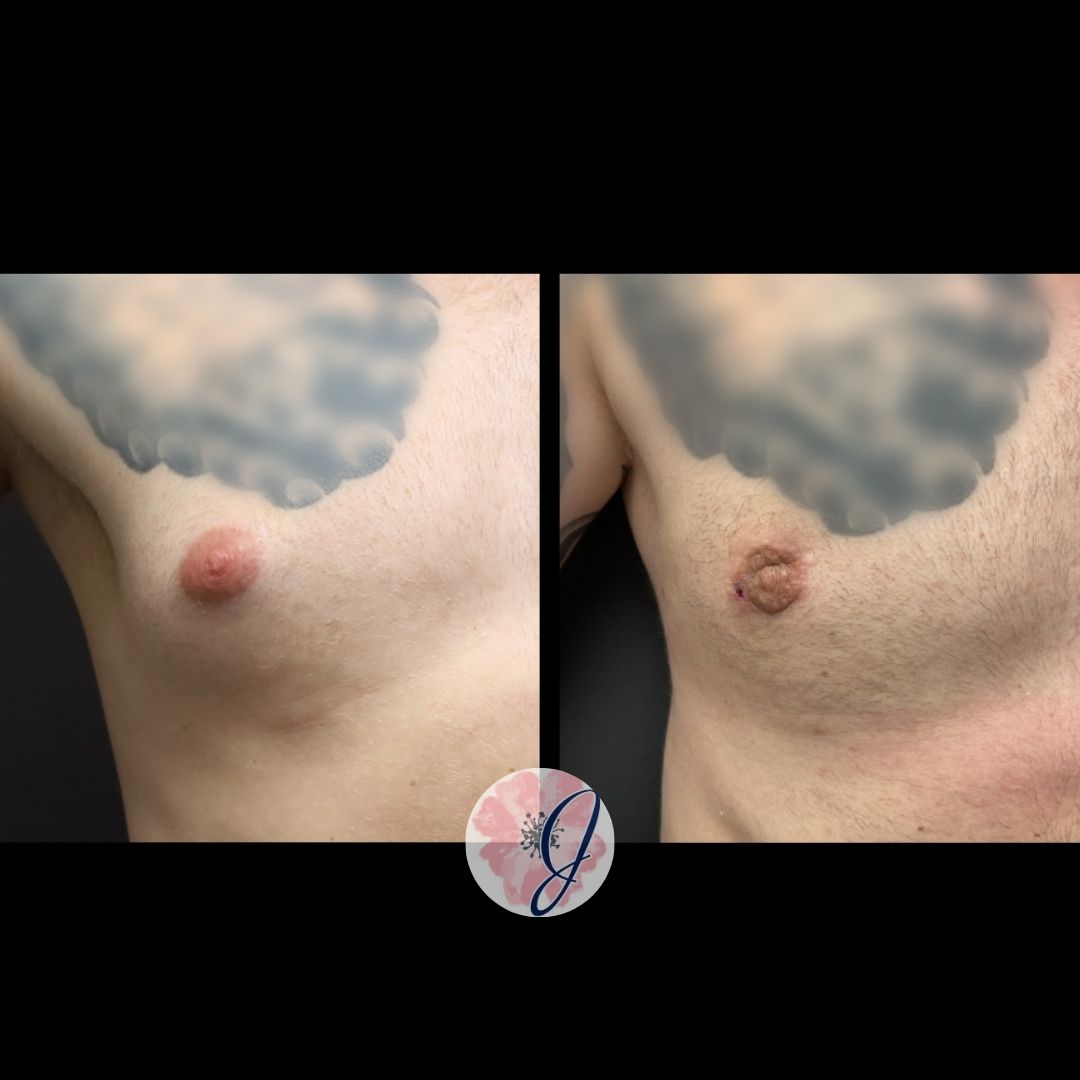
Precision. Proportion. Confidence.
Every male chest contouring procedure at Jacobson Cosmetic Surgery is guided by the anatomy of the pectoral muscles and the goal of restoring a natural, athletic chest shape. The result should look like you — just more defined.
Patients often notice:
- A flatter chest contour
- Improved muscle definition
- Greater comfort in fitted clothing
- Increased confidence during activities such as swimming or exercise
Why Choose Dr. Jacobson for Gynecomastia Surgery?
- Advanced experience in aesthetic body contouring
- Surgical techniques focused on natural masculine anatomy
- Personalized treatment plans for each patient
- Precise contouring to avoid irregularities
- Concierge-level care throughout the entire surgical journey
Gynecomastia Surgery FAQs
What is the difference between true gynecomastia and pseudogynecomastia?
True gynecomastia involves the growth of dense glandular breast tissue beneath the nipple, typically caused by a hormonal imbalance where estrogen activity exceeds testosterone. This tissue cannot be reduced through diet or exercise and requires surgical removal. Pseudogynecomastia refers to chest fullness caused primarily by excess fatty tissue without significant glandular involvement. While weight loss may help reduce pseudogynecomastia, many patients benefit from liposuction to achieve a flatter chest contour. During your consultation, Dr. Jacobson will evaluate the tissue composition to determine the most effective approach.
Will I need liposuction, excision, or both?
The technique used depends on the type and amount of excess tissue present. If the primary concern is fatty tissue, liposuction alone may be sufficient. If firm glandular tissue is present beneath the nipple, direct surgical excision through a small incision at the areola border is necessary. Most patients benefit from a combination of both techniques — liposuction to contour surrounding fat and direct excision to remove the dense glandular core. Dr. Jacobson tailors the approach to each patient’s specific anatomy.
How long is recovery from gynecomastia surgery?
Most patients experience approximately 5–10 days of initial downtime. Light activities and desk work are often possible within the first week. A compression vest is worn for approximately 4–6 weeks to reduce swelling and support the new chest contour. Strenuous exercise and chest-focused workouts should be avoided for 4–6 weeks. Most patients are cleared for full activity at their postoperative visit.
Will gynecomastia come back after surgery?
Gynecomastia surgery permanently removes the excess glandular tissue responsible for the condition. Once removed, this tissue typically does not return unless significant hormonal changes occur. Maintaining a stable body weight and healthy lifestyle helps preserve the results long-term. Final contour improvements continue as residual swelling resolves over several months following the procedure.
Where are the incisions placed, and will there be visible scars?
Incisions are carefully placed along the border of the areola or within natural chest folds to remain as inconspicuous as possible. These locations allow the scars to blend with the natural anatomy of the chest. Over time, the scars generally fade and become very difficult to notice. Dr. Jacobson takes great care in incision placement and closure technique to minimize visible scarring.
What if I also have excess skin in the chest area?
In patients with long-standing gynecomastia or those who have experienced significant weight loss, there may be excess skin laxity in addition to tissue fullness. When needed, Dr. Jacobson can incorporate additional techniques such as skin removal, skin tightening, and repositioning of the nipple-areola complex. These steps ensure the chest remains smooth and proportionate after tissue removal. The need for skin management is assessed during your consultation.
Serving Lincoln and Surrounding Nebraska Communities
If enlarged male breast tissue has affected your confidence or comfort, male breast reduction surgery may help restore a flatter, more defined chest. A private consultation with Dr. Jacobson at Jacobson Cosmetic Surgery will allow you to discuss your concerns and determine the most effective treatment plan for your goals. Schedule your consultation today. Serving patients throughout Lincoln, Omaha, and greater Nebraska.
Related Procedures
Patients considering gynecomastia surgery may also be interested in these complementary procedures:
Discover Your Confidence & Unveil Your True Beauty
Contact Lincoln, Nebraska’s premier cosmetic surgery practice, where your journey to enhanced beauty and newfound confidence begins.