

Implant Revision Surgery
Breast implant exchange is a procedure performed to replace existing breast implants with a different implant size, shape, or type. Over time, some patients choose to update their implants to better align with changes in their body, lifestyle, or aesthetic preferences.
At Jacobson Cosmetic Surgery, Dr. Jacobson performs breast implant exchange surgery with a focus on achieving natural breast proportions, improved shape, and long-term results.
Implant exchange may be performed to:
- Change implant size
- Improve breast shape or contour
- Replace older implants
- Update implant technology
- Address implant-related concerns
Dr. Jacobson primarily utilizes Natrelle® breast implants, including both silicone and saline options, to provide patients with high-quality, reliable implant choices.

Why Consider Breast Implant Exchange?
There are several reasons patients may choose to exchange their breast implants. Breast implant exchange allows patients to refine or update their results while maintaining breast enhancement.
Common reasons include
- Desire for a larger or smaller implant size
- Changes in breast shape over time
- Loss of upper breast fullness
- Lifestyle or body changes after pregnancy or weight loss
- Updating older implants
- Implant rupture or capsular contracture
Do Breast Implants Need to Be Replaced Every 10 Years?
Common Myth
"Implants Must Be Replaced Every 10 Years"
Many patients have heard that breast implants must be replaced every 10 years. This is a common misconception. While implant manufacturers often provide 10-year warranties, implants do not need to be routinely replaced if they are functioning well and not causing any issues.
The Reality
Replace Only When Needed
Implants are not considered lifetime devices. However, routine replacement is not necessary when implants remain intact and comfortable.
Over time, some patients may choose implant exchange due to:
- Aging implants
- Changes in breast shape
- Personal aesthetic preferences
Dr. Jacobson’s Anatomy-Based Approach to Implant Revision
Breast implant exchange is more complex than primary breast augmentation because it requires careful evaluation of existing breast tissue, implant pocket, and scar capsule. These factors help determine the best approach to achieve balanced, natural-looking results.
During consultation, Dr. Jacobson assesses:
01
Current implant size and type
Evaluating what exists before planning what’s next.
02
Implant position
Determining if the implant has shifted or sits asymmetrically.
03
Skin elasticity
Assessing how well the skin will adapt to new implants.
04
Breast tissue thickness
Understanding how much natural tissue covers the implant.
05
Presence of capsular contracture
Checking for scar tissue tightening around the implant.
06
Patient goals for size and shape
Aligning the surgical plan with your desired outcome.
Implant Options
During implant exchange surgery, patients may choose to update their implants to better suit their aesthetic goals.
Dr. Jacobson primarily uses Natrelle® implants, which are available in both silicone and saline options. Both implant types offer reliable options depending on patient anatomy and aesthetic goals.
Most Common Choice
Silicone Implants
Silicone implants contain a cohesive silicone gel that closely mimics the feel of natural breast tissue.
Benefits include:
- Soft, natural feel
- Lower risk of visible rippling
- Excellent shape retention
Alternative Option
Saline Implants
Saline implants are filled with sterile saltwater.
If a saline implant were to rupture, the saline is safely absorbed by the body.
- Safe, biocompatible fill
- Adjustable volume during placement
- Reliable long-term option
The Breast Implant Exchange Procedure
Breast implant exchange is performed as an outpatient procedure under general anesthesia. These techniques help create a more balanced, natural breast contour — ensuring the new implants sit securely and naturally within the breast.
During surgery, Dr. Jacobson:
- Removes the existing implants
- Evaluates the implant pocket and surrounding capsule
- Places new implants selected during consultation
In many cases, additional techniques are used to optimize implant position and breast shape. These may include:
01
Capsulectomy
Removal of part or all of the scar capsule surrounding the implant, when necessary, particularly in cases of capsular contracture or implant-related concerns.
02
Capsulorrhaphy (Capsule Tightening)
A technique used to tighten or reshape the existing capsule by placing internal sutures, when the implant pocket has stretched or widened over time.
- Reduce the size of the implant pocket
- Reposition the implant to a more ideal location
- Improve breast symmetry and contour
- Prevent implant malposition
03
Pocket Adjustment
The implant pocket may be modified to improve implant position, such as adjusting from above the muscle to under the muscle or refining the existing pocket for better support.
04
Breast Lift (Mastopexy)
If breast sagging is present, implant exchange may be combined with a breast lift to improve nipple position and overall breast shape.
Who Is a Good Candidate for Breast Implant Exchange?
A consultation with Dr. Jacobson will determine the most appropriate surgical plan based on your goals and anatomy.
You may be a good candidate for implant exchange if you:
- Are a non-smoker
- Are 18–65+ years old and in good health
- Have existing breast implants and desire a change in size or shape
- Have experienced changes in breast appearance after pregnancy, weight loss, or aging
- Have realistic expectations regarding surgery
Breast Implant Exchange Recovery & Downtime
Recovery after implant exchange is similar to recovery after primary breast augmentation.
Days 1–3
Rest
Mild swelling, tightness, soreness
Days 3–7
Light Activity
Desk work & light daily activities resume
Week 2–4
Light Cardio
Light cardio may resume; avoid strenuous exercise; lifting restrictions
Week 4–6
Return to Activity
Surgical bra continues; gradual return to activity
6+ Weeks
Final Results
Cleared for full physical activity
Early Recovery (First Week)
Patients may experience:
- Mild swelling
- Tightness in the chest
- Mild soreness
Most patients describe the sensation as tightness rather than significant pain.
Surgical Bra & Support — 4–6 Weeks
After surgery, patients are placed in a supportive non-underwire surgical bra. This bra should typically be worn for 4–6 weeks to support the breast tissue while healing. Dr. Jacobson will provide detailed post-operative instructions to ensure optimal healing and results.
Activity Restrictions
Typical recovery guidelines include:
- Avoid strenuous exercise for 2–4 weeks
- 4 weeks of lifting restrictions
After approximately 6 weeks, most patients are cleared to return to full physical activity.
Long-Term Results
You will notice an immediate change in breast size or shape after surgery, but the final result develops gradually as swelling resolves and tissues adapt.
Most patients see their final breast contour within approximately 3 months. Incisions continue to heal and fade over time, often becoming barely noticeable once fully matured.
The focus is on achieving:
- Improved breast contour
- Balanced body proportions
- Natural-looking fullness
- Long-term aesthetic results

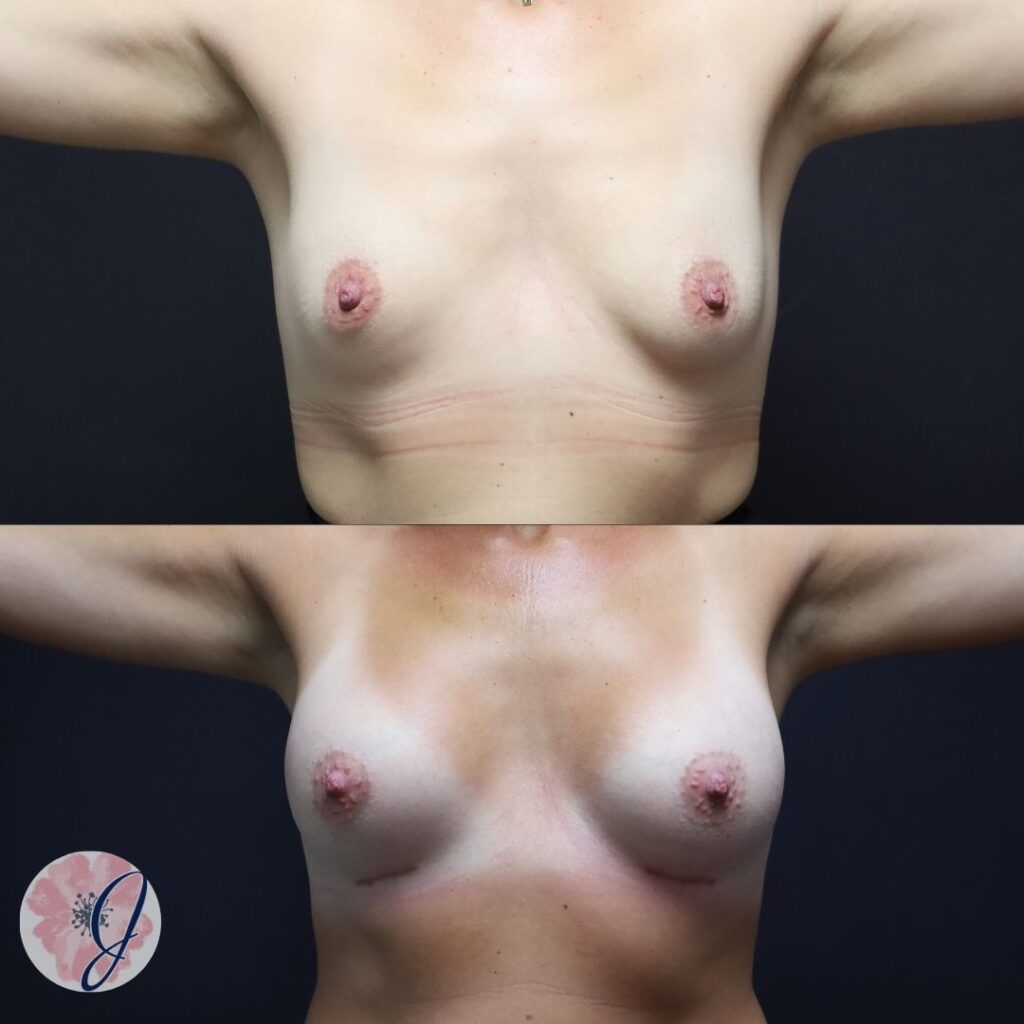
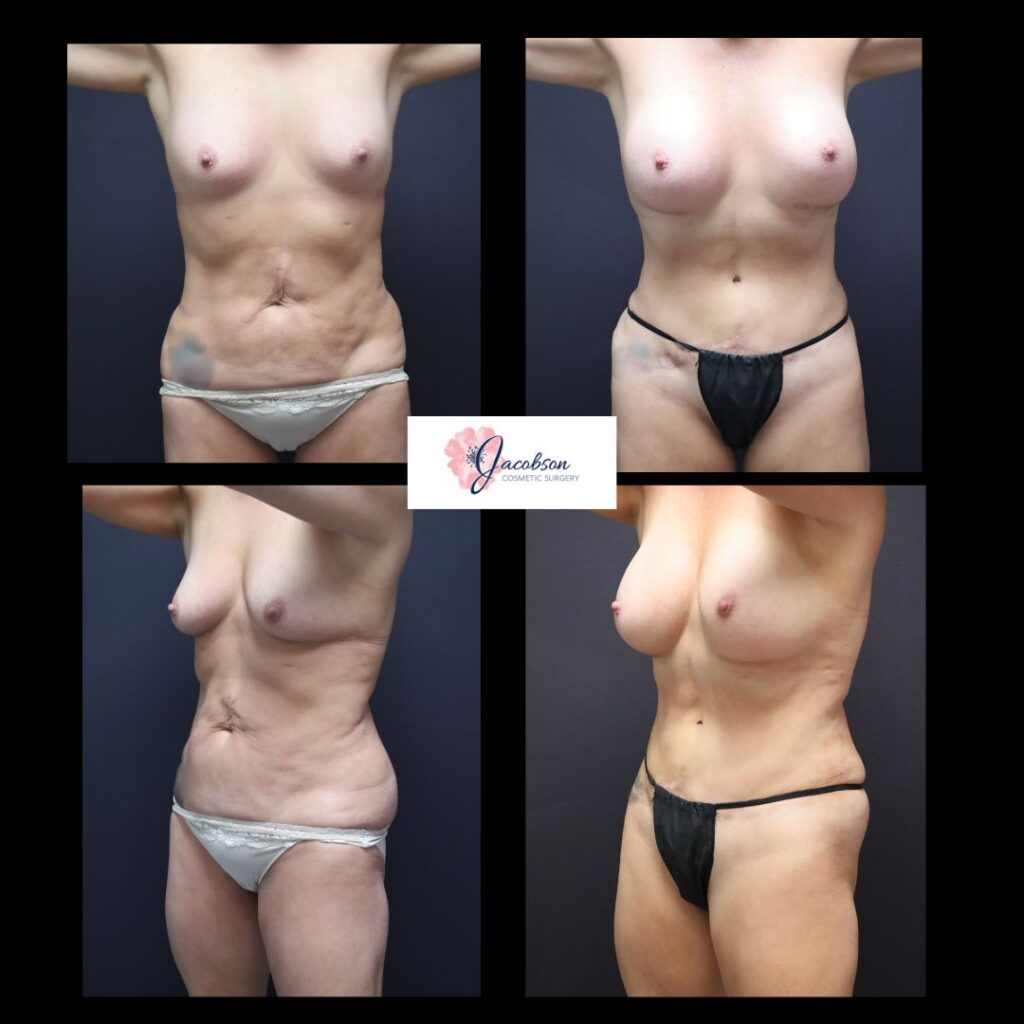
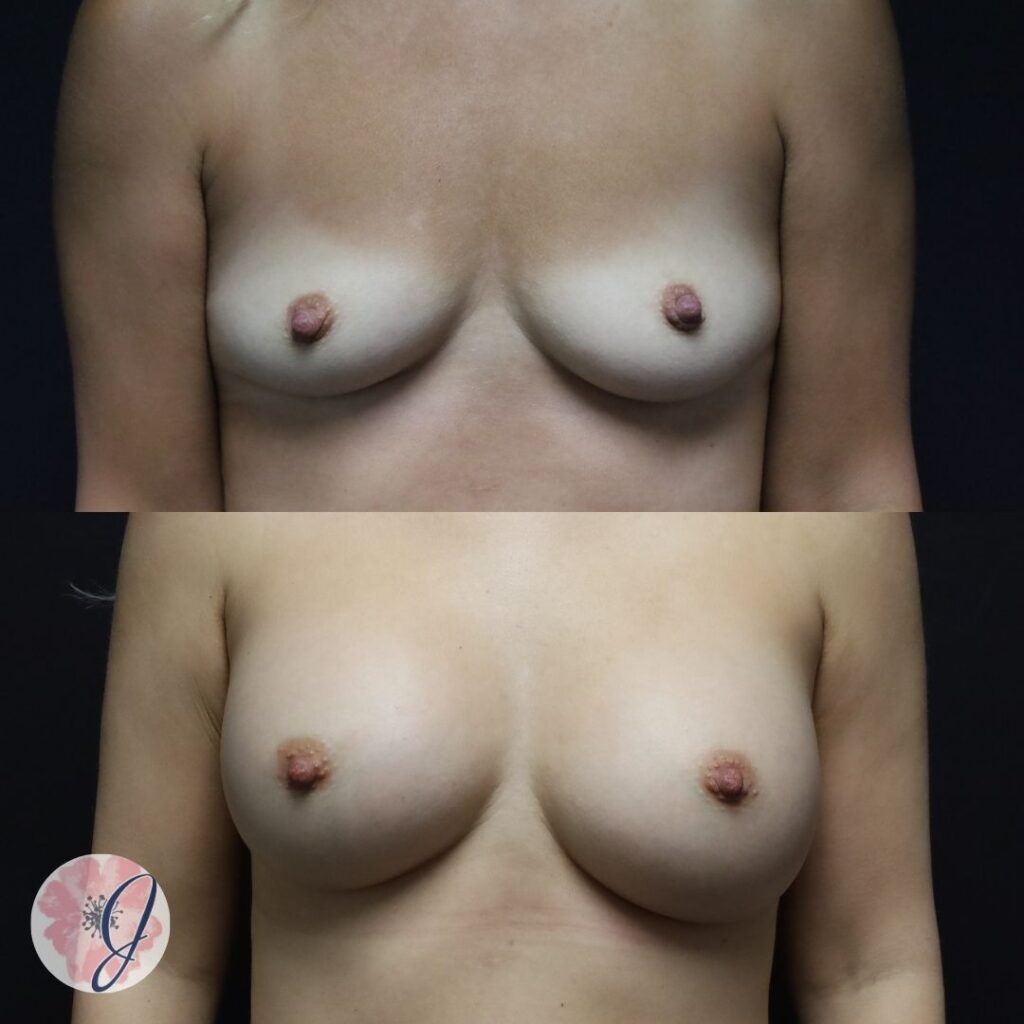
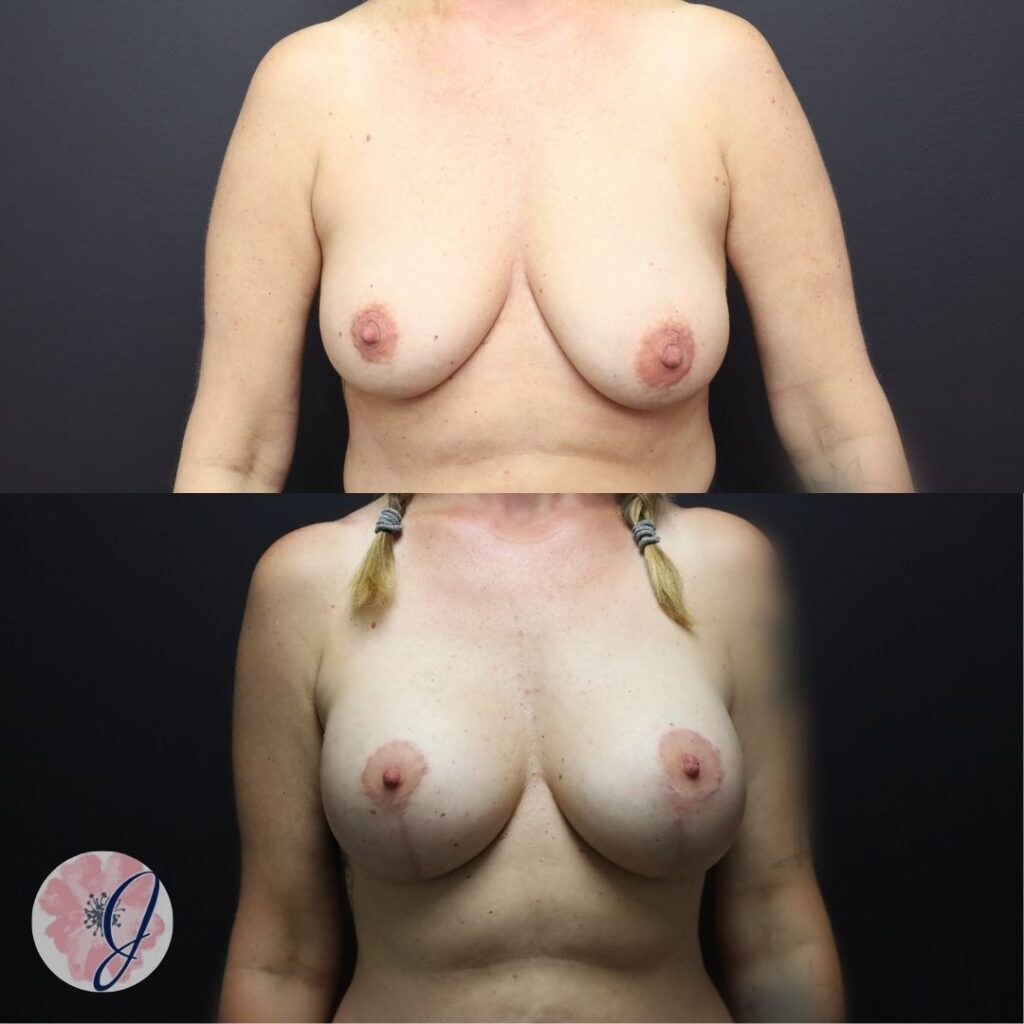
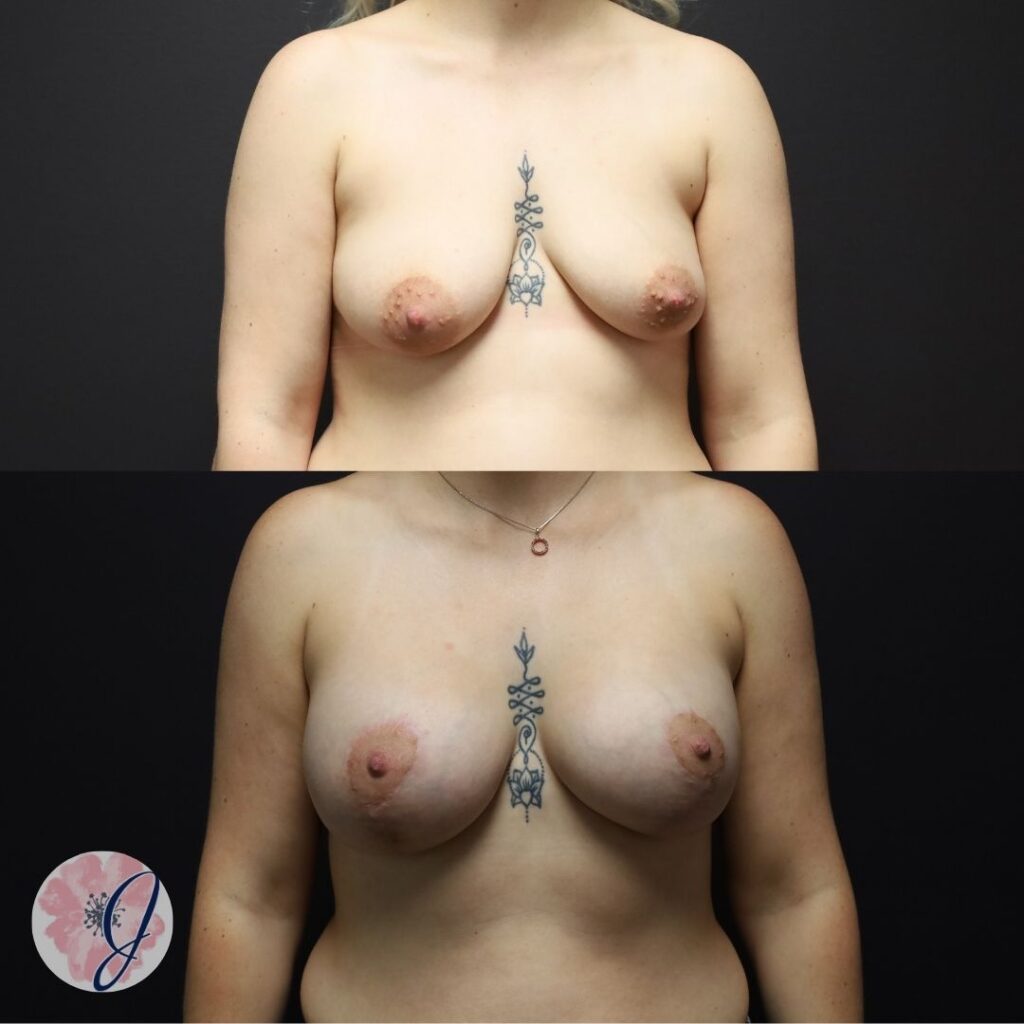
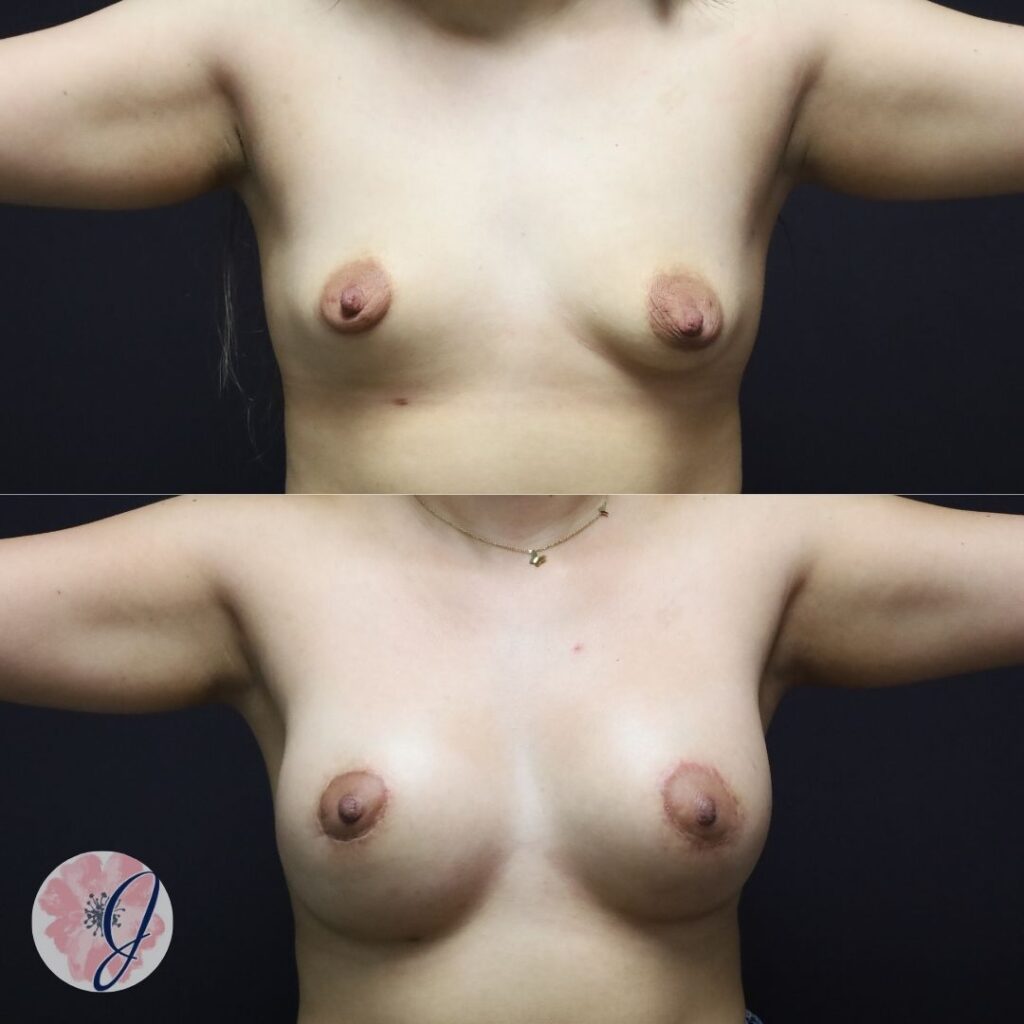
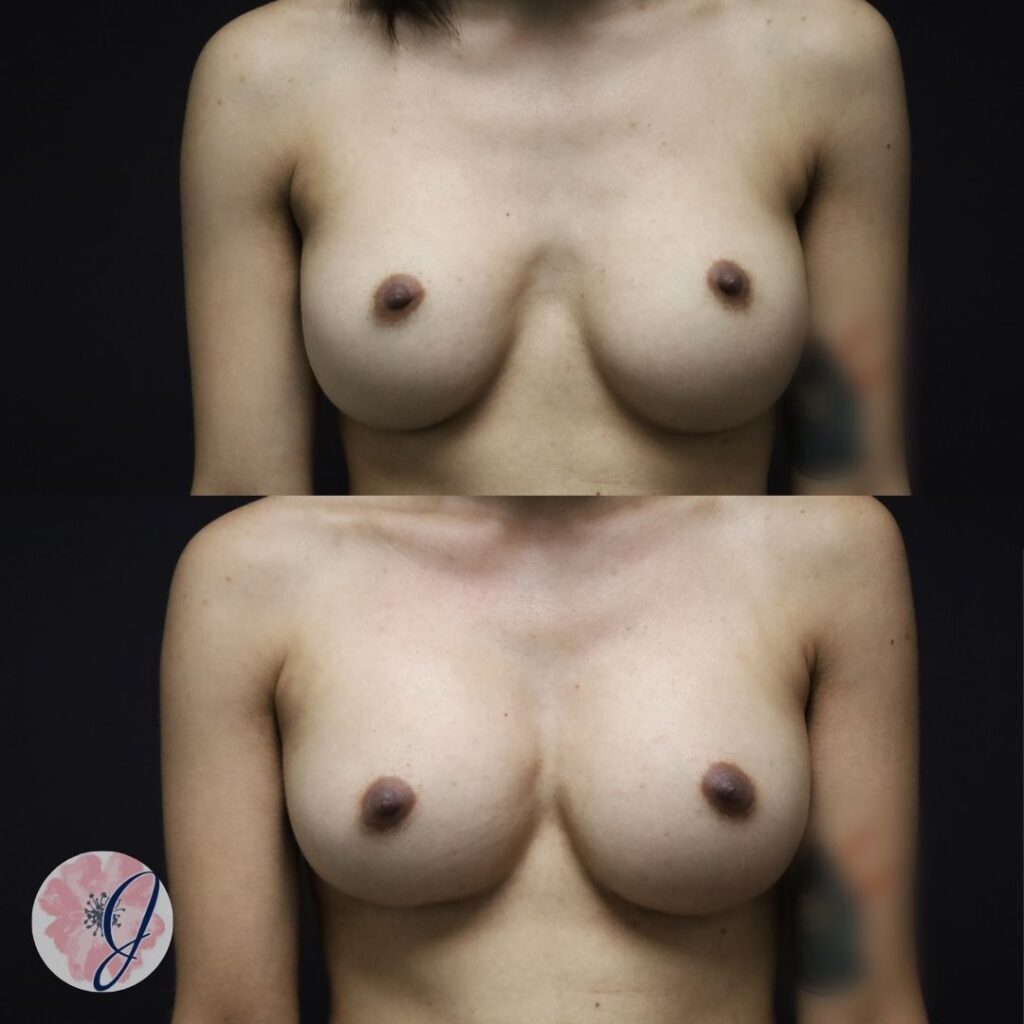
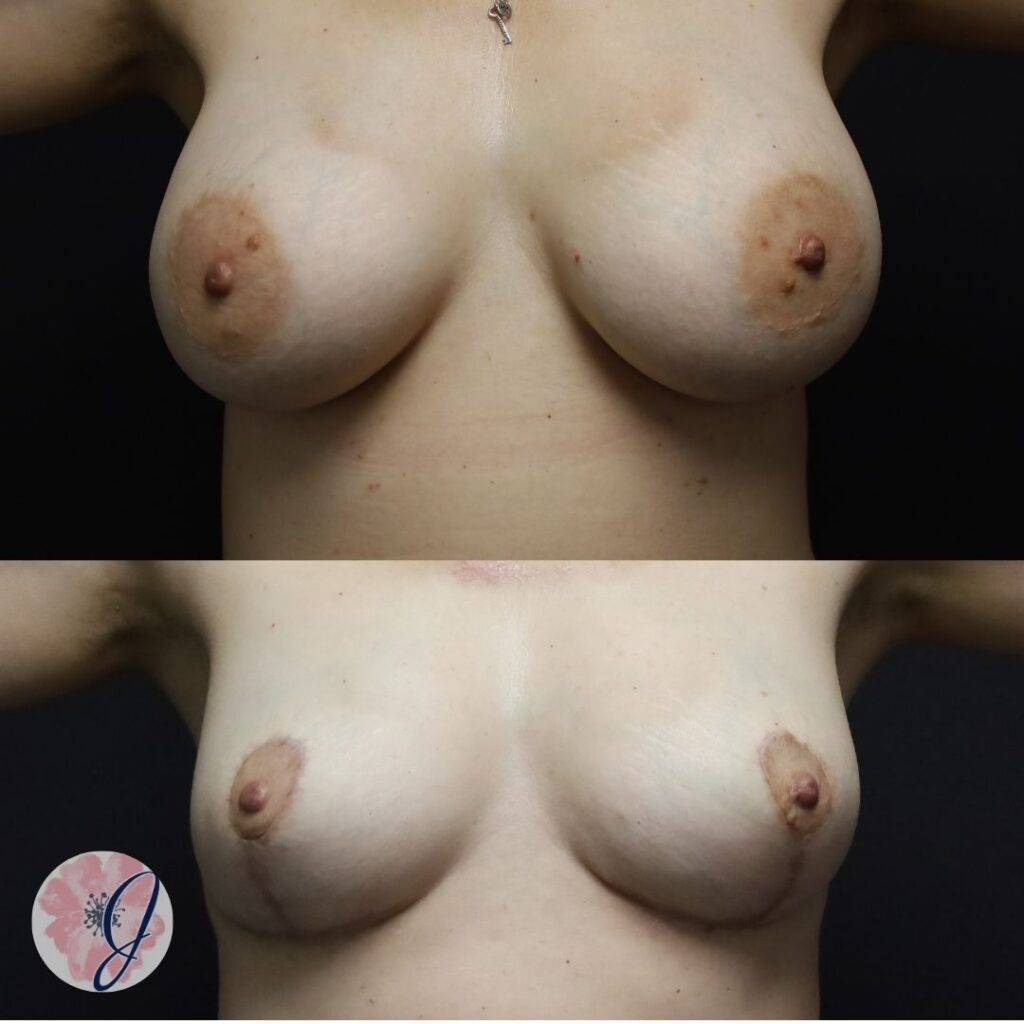
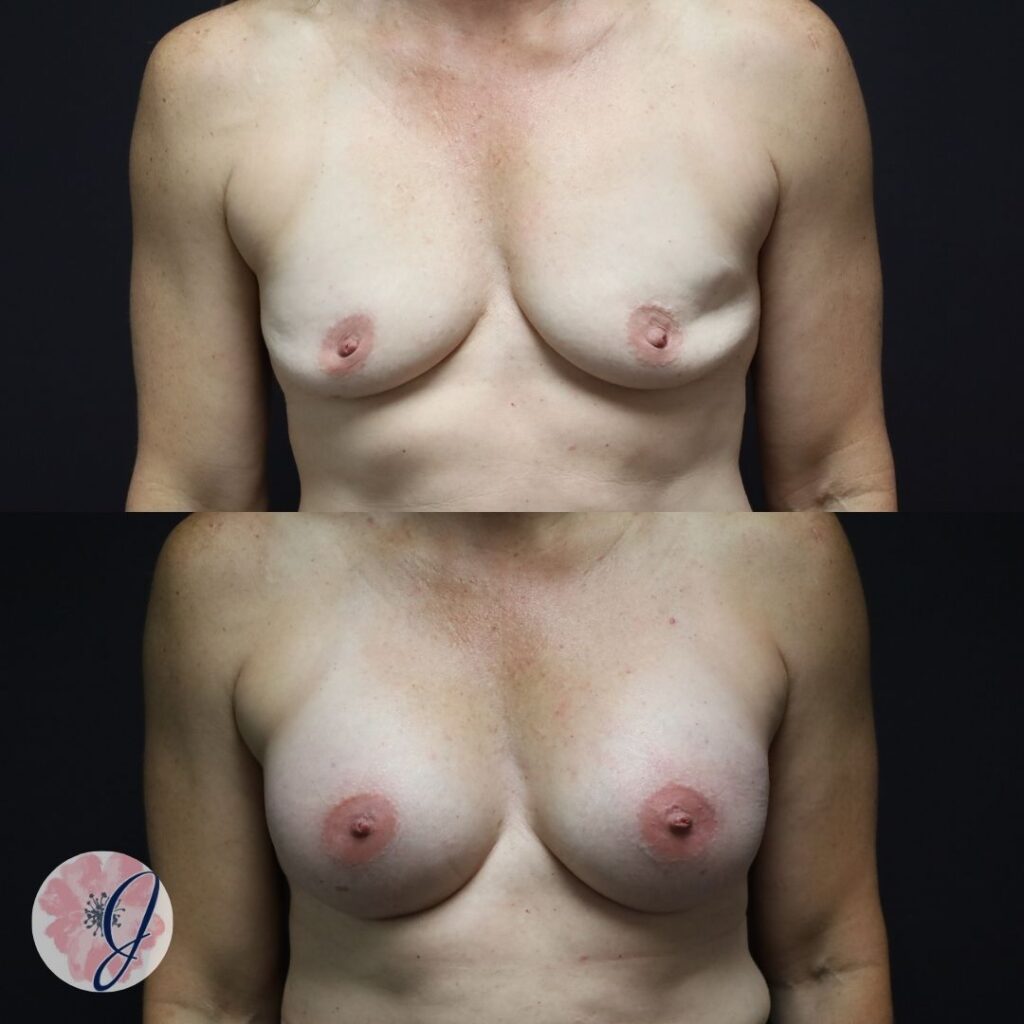
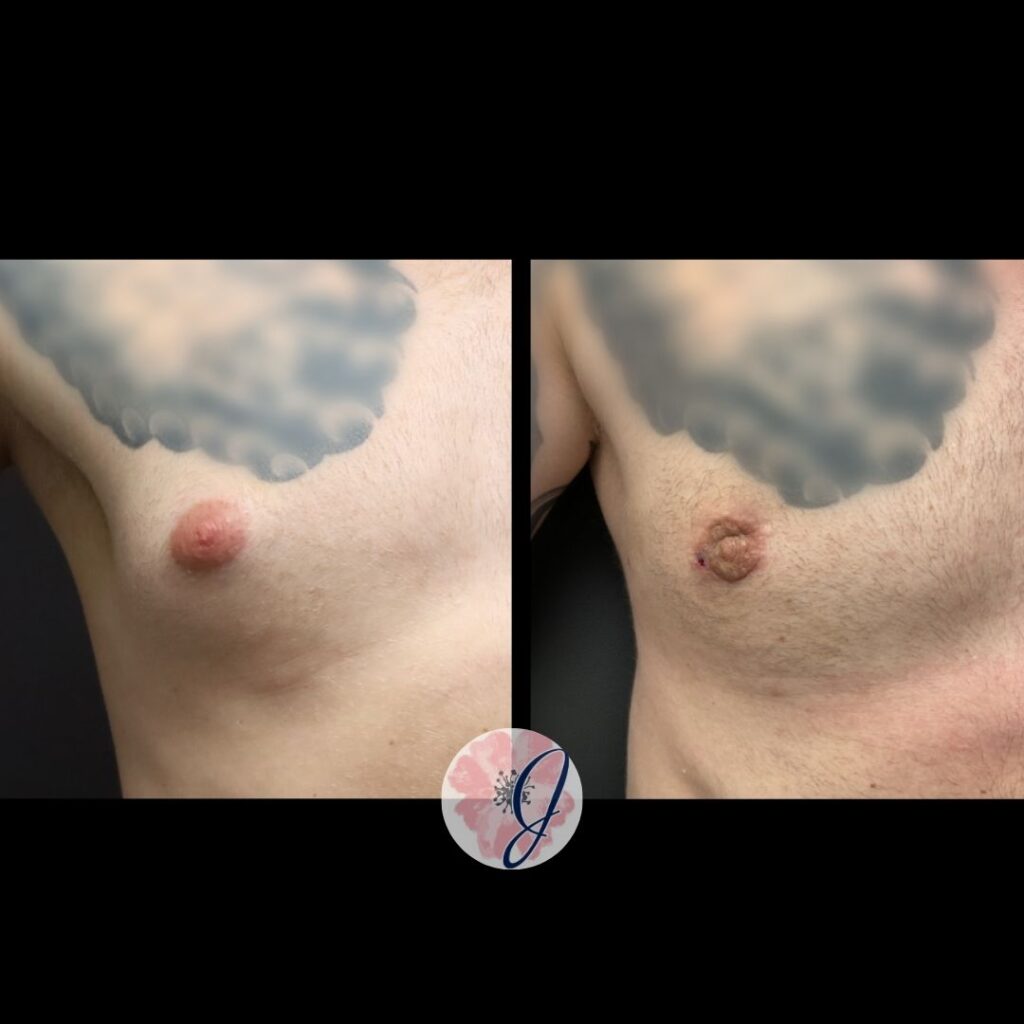
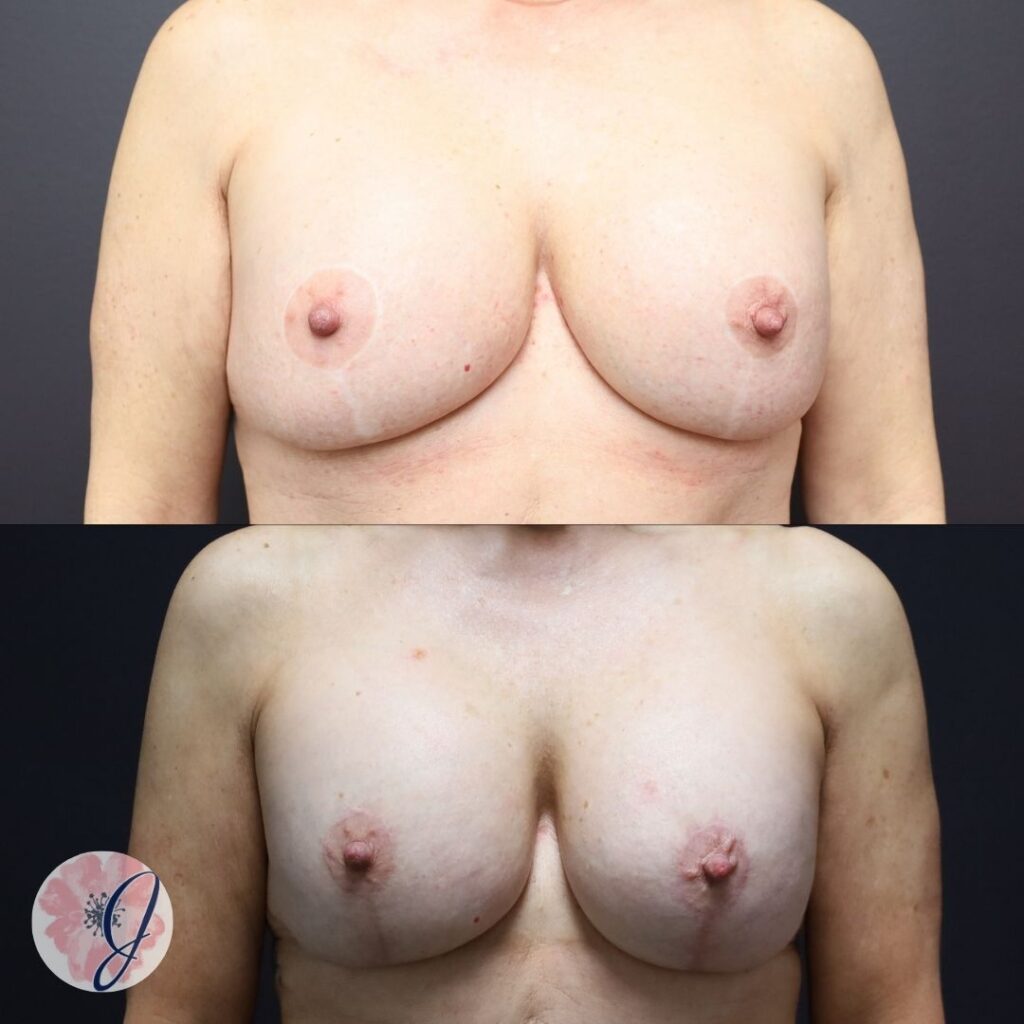
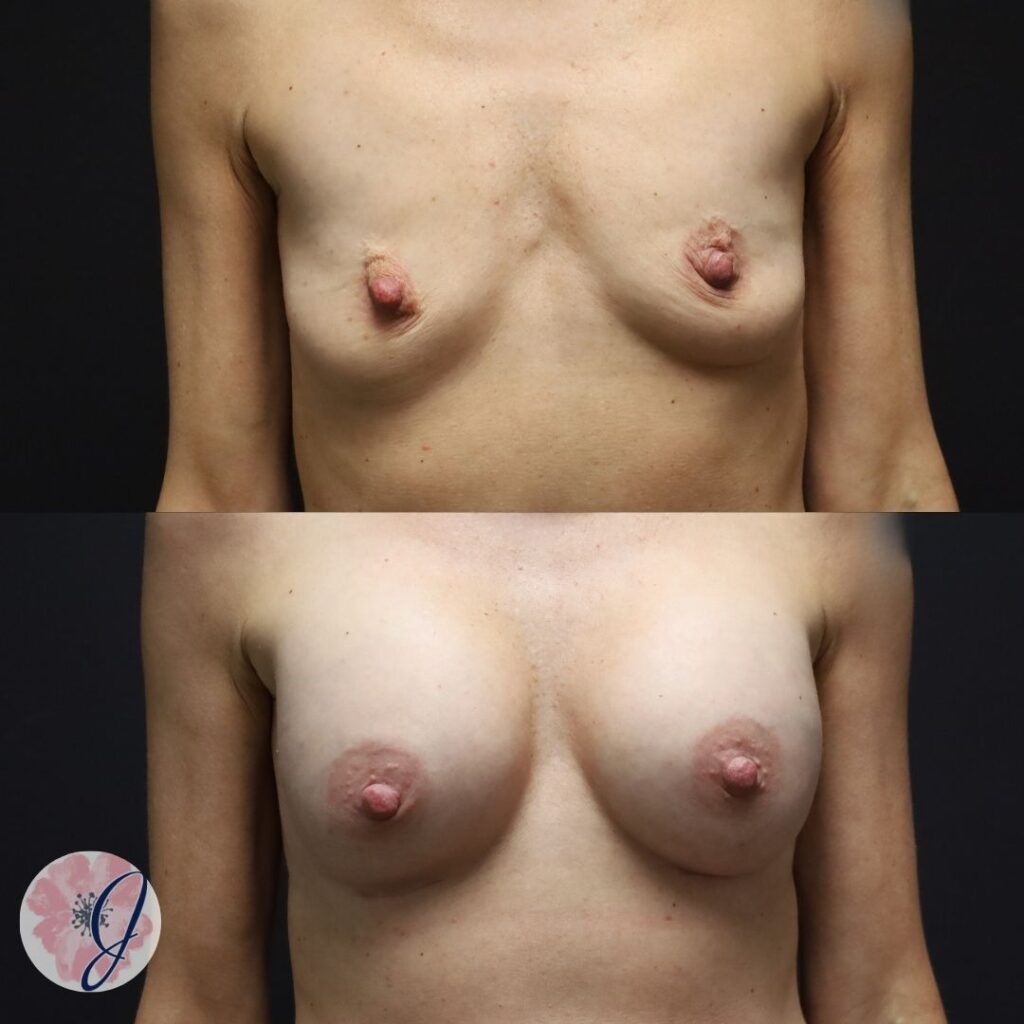

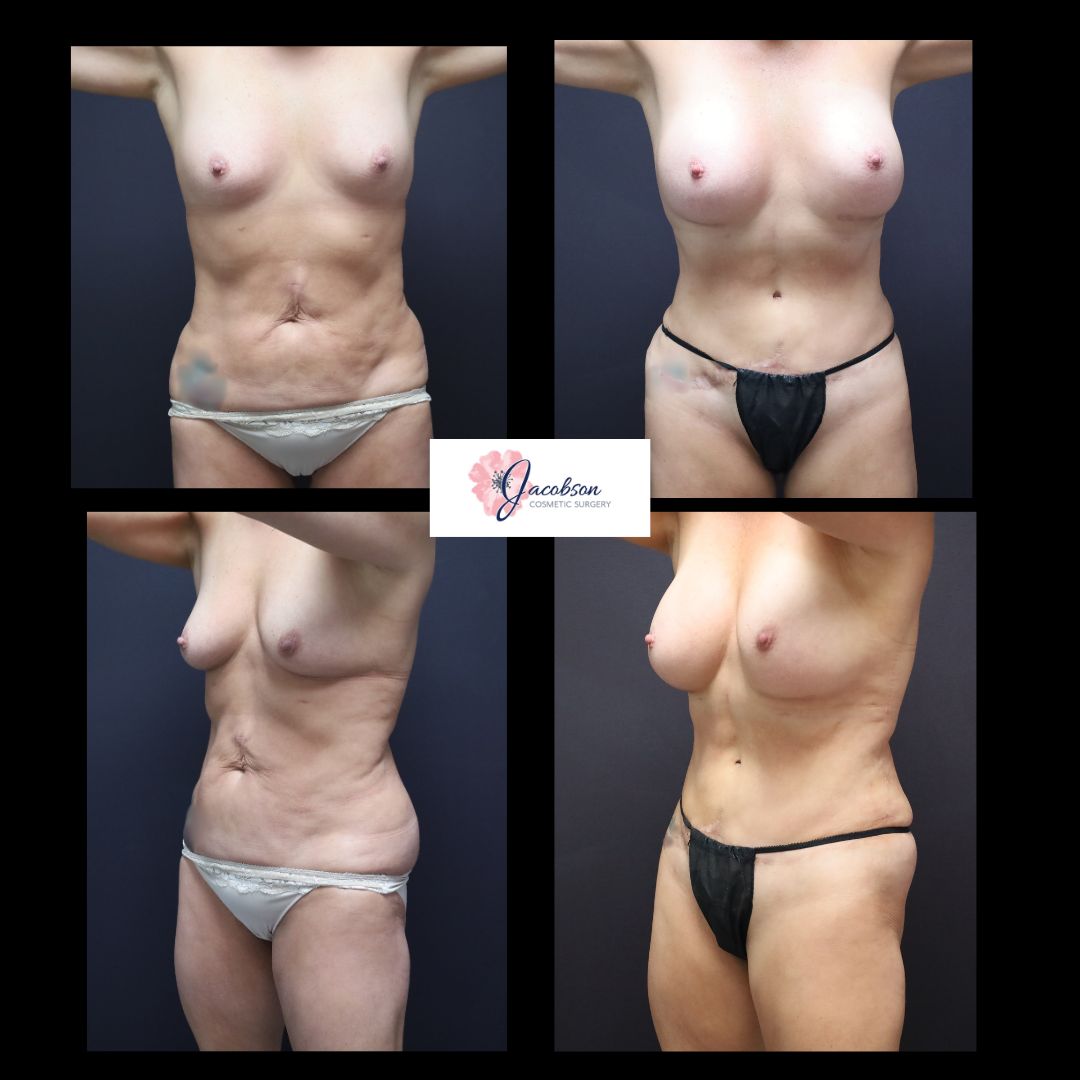
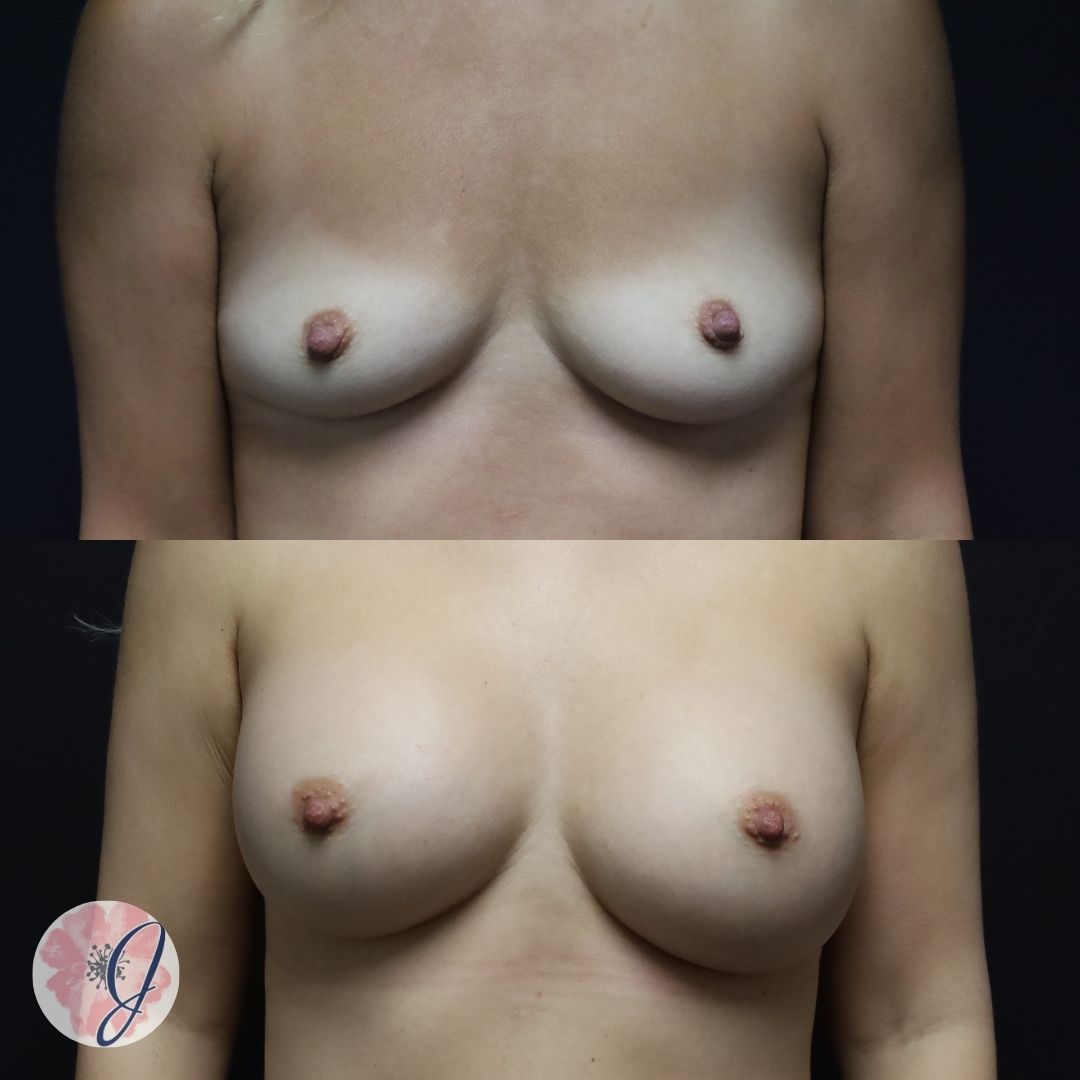
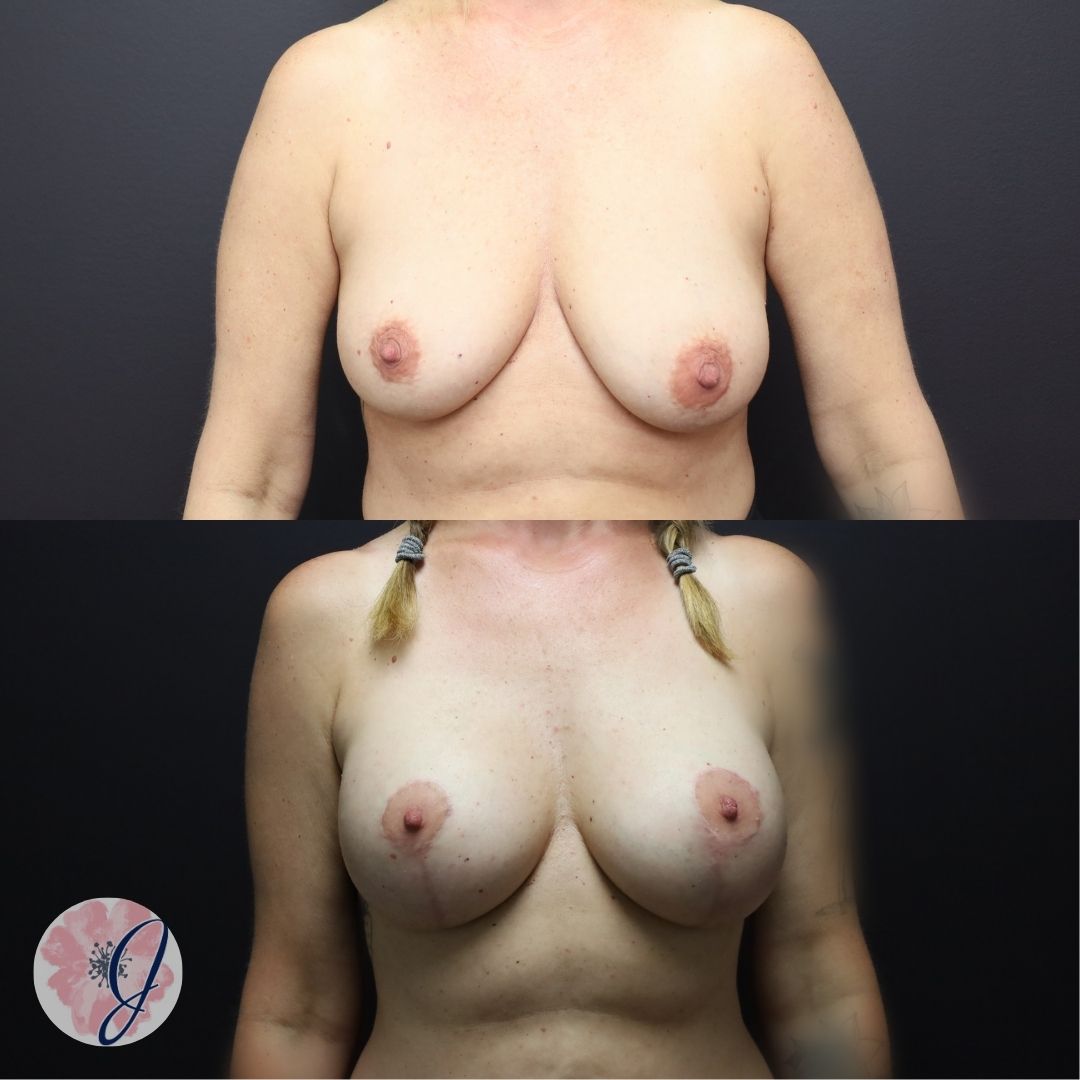

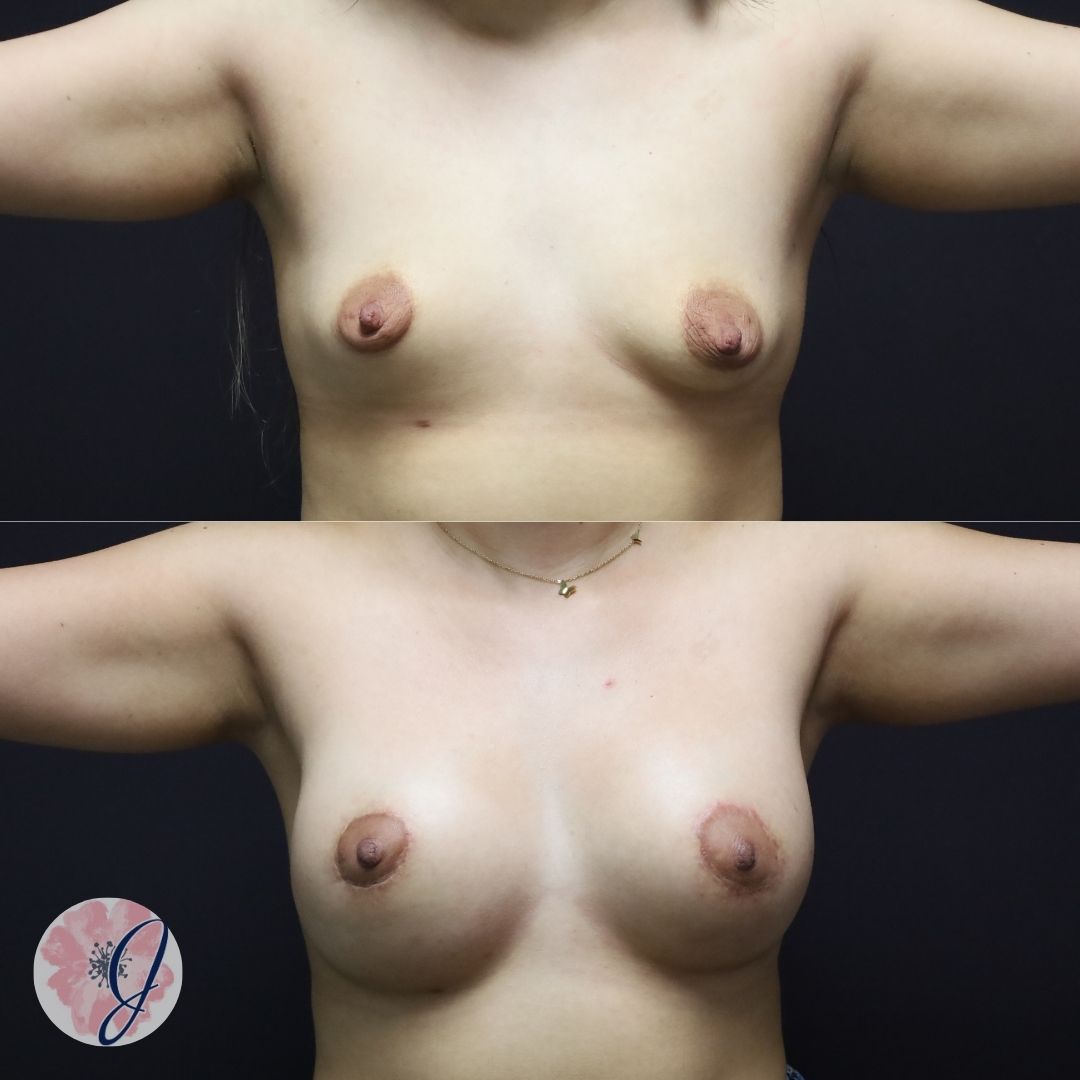
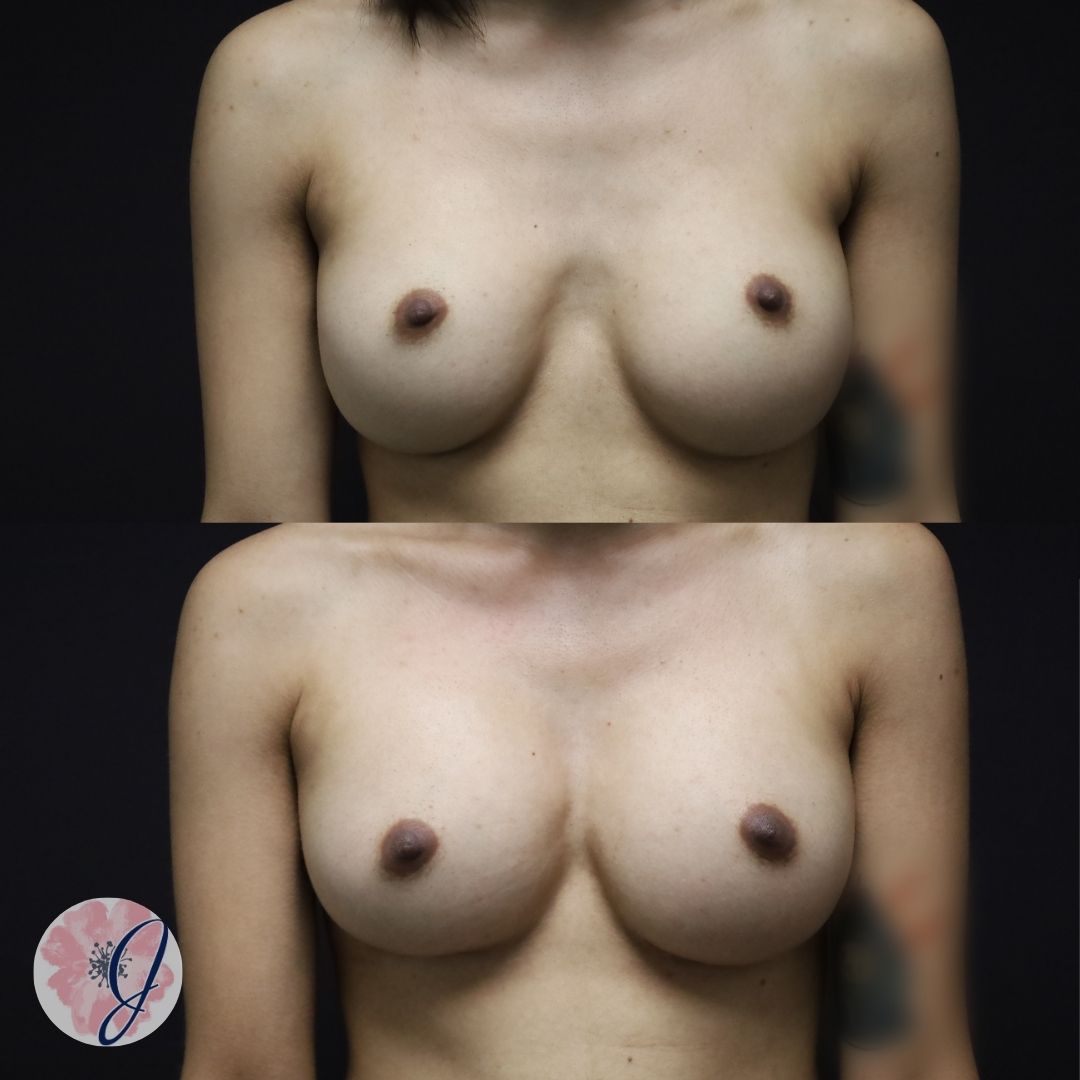
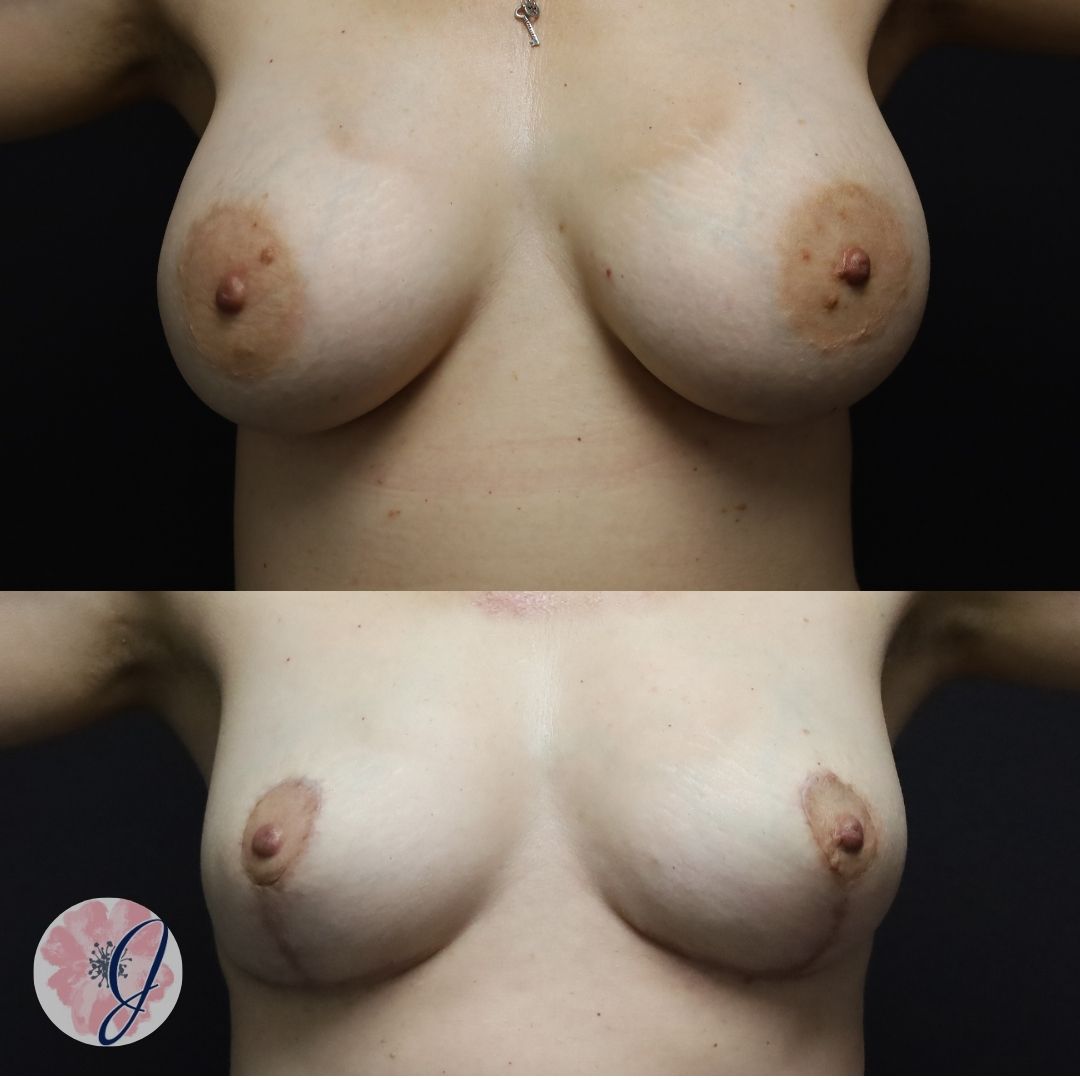
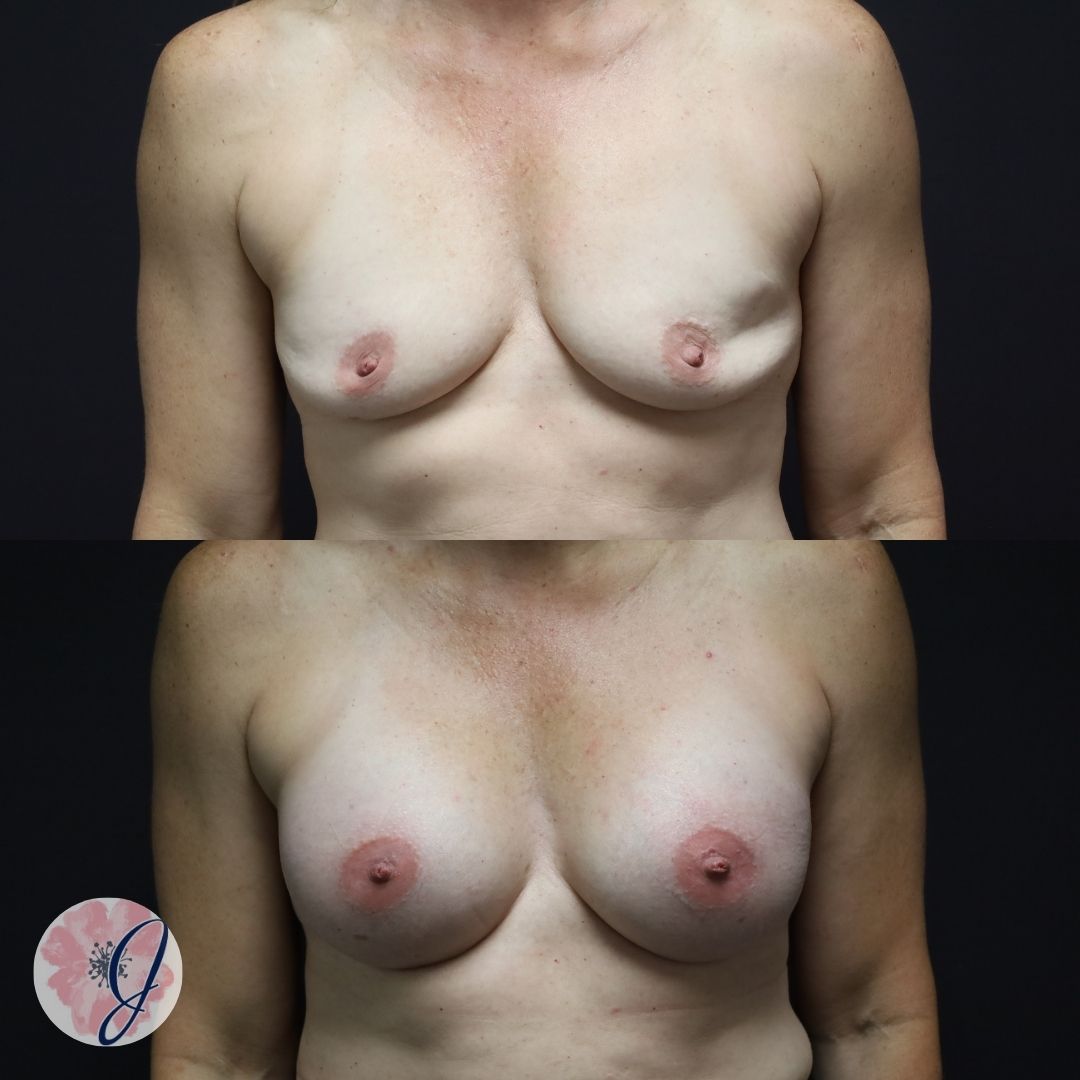
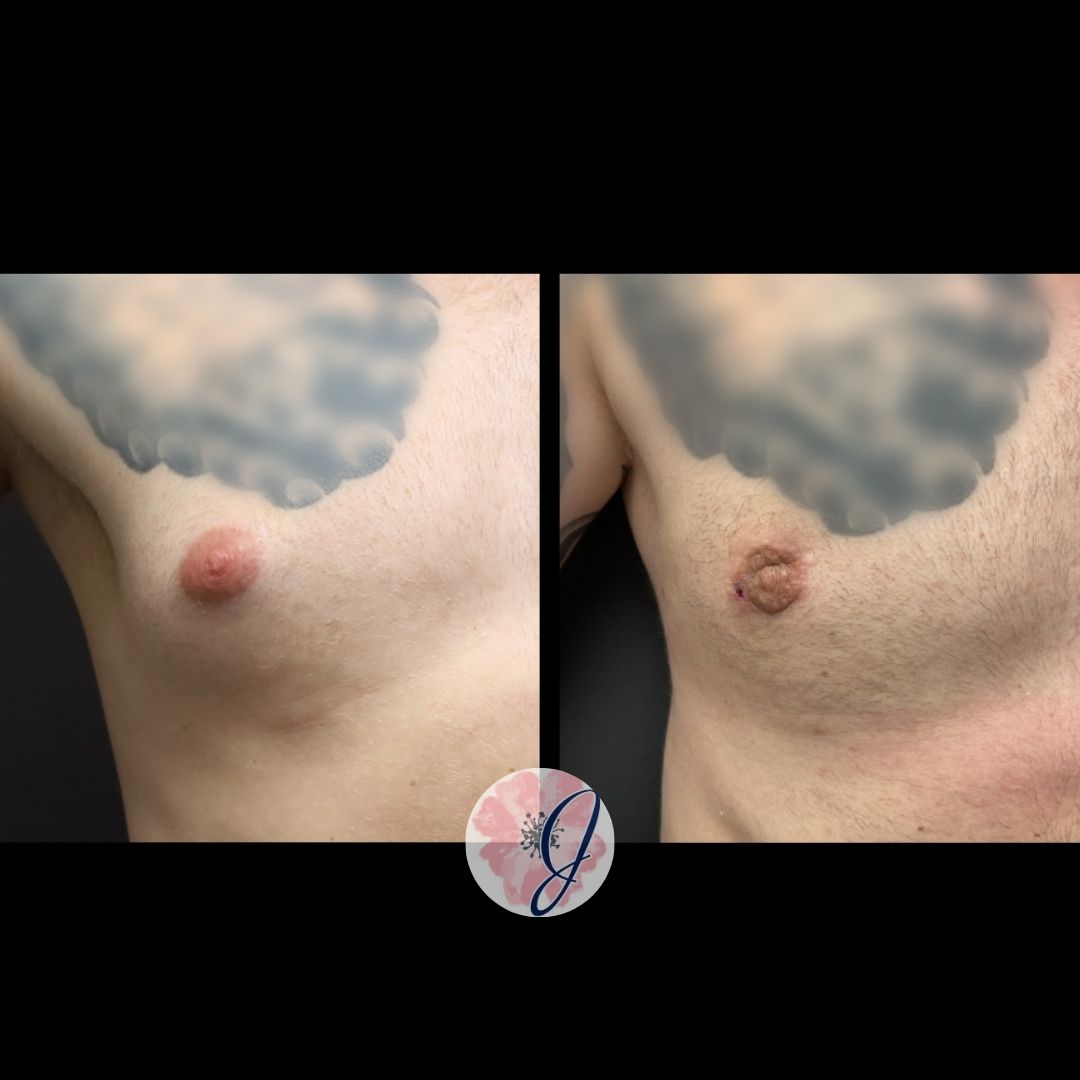
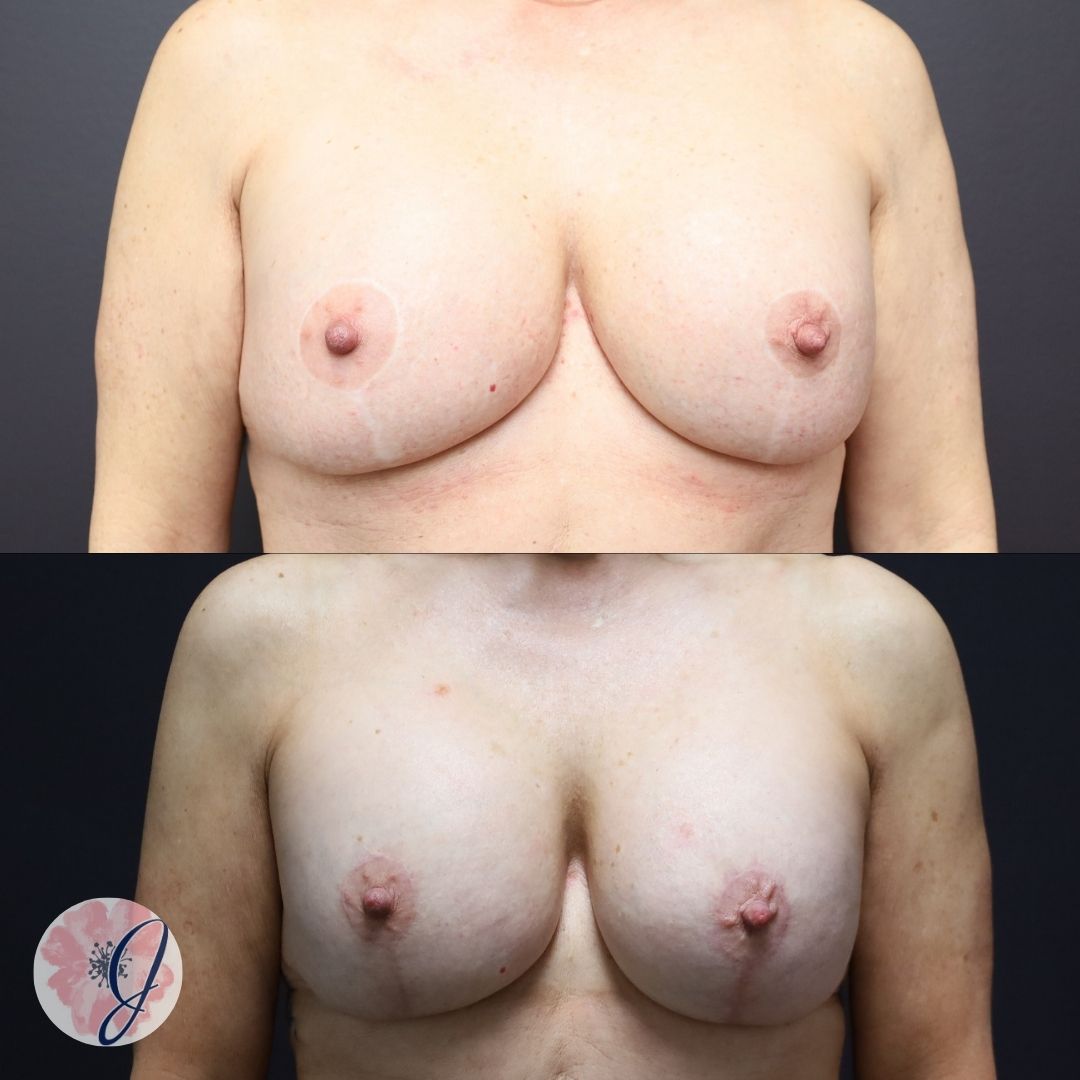
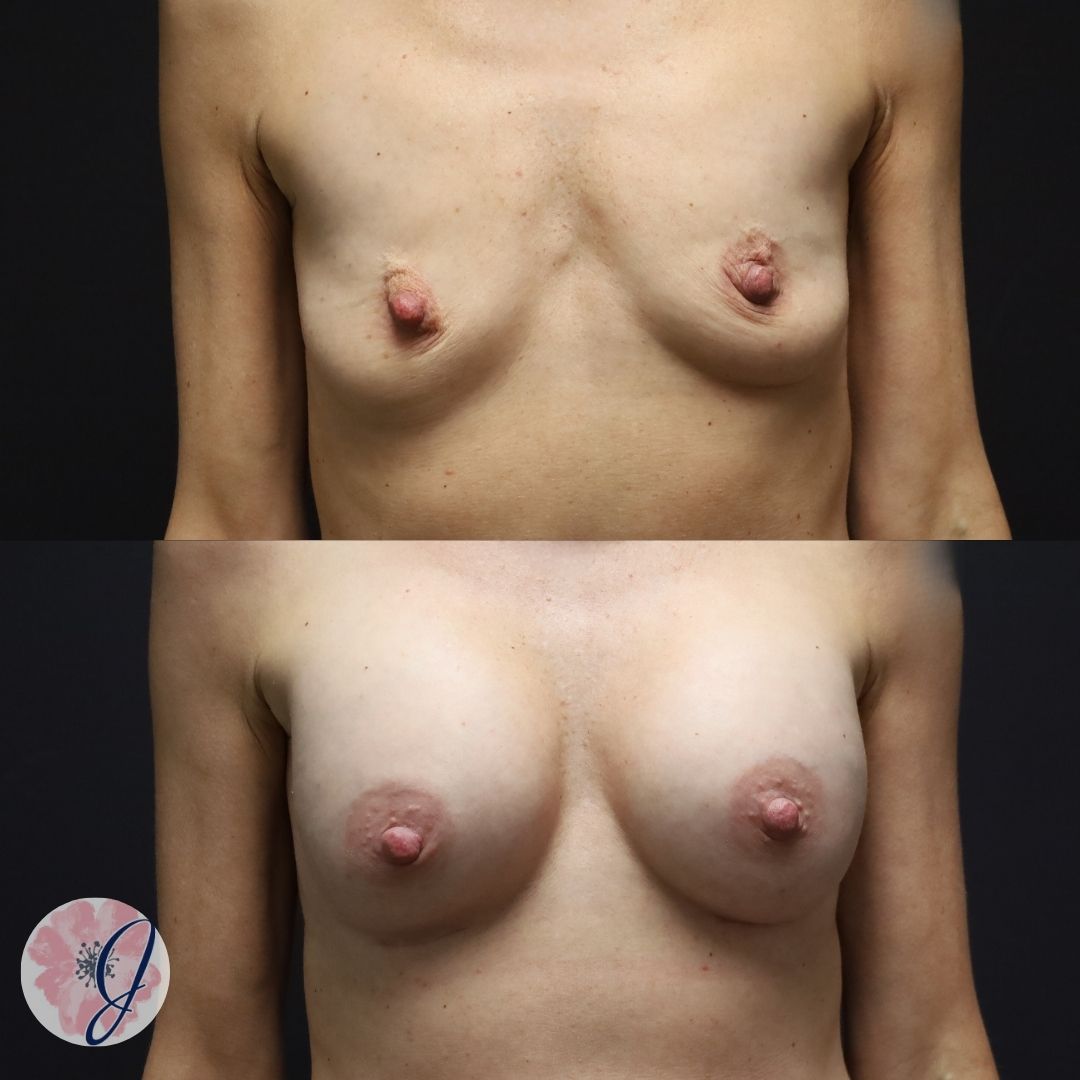
“Natural Results —
Never Overdone.”
Dr. Jacobson’s goal with implant exchange is to create breast proportions that feel natural and balanced with your body.
Rather than simply changing implant size, the focus is on achieving:
- Improved breast contour
- Balanced body proportions
- Natural-looking fullness
- Long-term aesthetic results
The outcome should feel beautiful, proportional, and authentically you.

Why Choose Dr. Jacobson for Breast Implant Exchange?
- Extensive experience in aesthetic breast surgery
- Expertise in implant revision techniques
- Personalized surgical planning based on anatomy and goals
- Use of high-quality Natrelle® implants
- Concierge-level care from consultation through recovery
Breast Implant Exchange FAQs
Do I need to replace my breast implants every 10 years?
No. While implant manufacturers often provide 10-year warranties, implants do not need to be routinely replaced if they are functioning well and not causing any issues. Implants are not considered lifetime devices, but many patients maintain their original implants for well beyond 10 years without complications. Dr. Jacobson evaluates implant condition during consultation and helps determine whether exchange is appropriate based on your specific situation.
What is capsular contracture, and does it require implant exchange?
Capsular contracture occurs when the scar tissue (capsule) that naturally forms around a breast implant tightens excessively, which can cause firmness, discomfort, or changes in breast shape. When capsular contracture is present, implant exchange may be recommended along with a capsulectomy — removal of part or all of the affected capsule — to restore a soft, natural breast contour. Dr. Jacobson will assess for capsular contracture during your consultation and recommend the appropriate approach.
Can I change my implant size during an exchange?
Yes. One of the most common reasons for implant exchange is the desire to change implant size — either larger or smaller. Dr. Jacobson evaluates your current breast tissue, skin elasticity, and implant pocket to determine which sizes and profiles will achieve the most natural, proportionate results. In some cases, changing implant size may require additional techniques such as pocket adjustment or capsulorrhaphy to ensure the new implant sits properly.
What additional procedures might be combined with implant exchange?
Depending on your anatomy and goals, implant exchange may be combined with several additional techniques. These include capsulectomy (removal of scar capsule), capsulorrhaphy (tightening the implant pocket), pocket adjustment (repositioning the implant), or a breast lift (mastopexy) if sagging is present. These techniques help optimize implant position and create a more balanced, natural breast contour. Dr. Jacobson determines which combination is appropriate during your consultation.
How long is recovery after breast implant exchange?
Recovery after implant exchange is similar to recovery after primary breast augmentation. Most patients experience approximately 5–10 days of downtime and return to desk work and light daily activities within about one week. A supportive non-underwire surgical bra is worn for 4–6 weeks. Strenuous exercise should be avoided for 2–4 weeks with 4 weeks of lifting restrictions. Most patients are cleared for full physical activity after approximately 6 weeks. Final breast contour is typically visible within about 3 months.
What type of implants does Dr. Jacobson use for exchange?
Dr. Jacobson primarily utilizes Natrelle® breast implants, available in both silicone and saline options. Silicone implants contain cohesive gel that closely mimics the feel of natural breast tissue, offering a soft feel and lower risk of visible rippling. Saline implants are filled with sterile saltwater and are safely absorbed by the body if rupture occurs. The best implant choice depends on your anatomy, aesthetic goals, and current implant situation, which Dr. Jacobson discusses during your personalized consultation.
Serving Lincoln and Surrounding Nebraska Communities
If you are considering updating or changing your breast implants, a consultation with Dr. Jacobson at Jacobson Cosmetic Surgery can help determine the best approach to achieve your desired results. During your consultation, Dr. Jacobson will review your implant history, discuss your goals, and create a personalized surgical plan. Schedule your consultation today. Serving patients throughout Lincoln, Omaha, and greater Nebraska.
Related Procedures
Patients considering fat transfer to the breasts may also be interested in these complementary procedures:
Discover Your Confidence & Unveil Your True Beauty
Contact Lincoln, Nebraska’s premier cosmetic surgery practice, where your journey to enhanced beauty and newfound confidence begins.